DOLLY PARTON'S FINAL INTERVIEW REVEALED A WOMAN STILL LOOKING FORWARD, NOT BACK
Dolly Parton's last interview, published by People magazine on Aug. 21, 2026, just four days before her death, showed a country music icon who remained focused on future projects and undimmed optimism despite ongoing health struggles, according to multiple outlets that have since revisited the conversation.
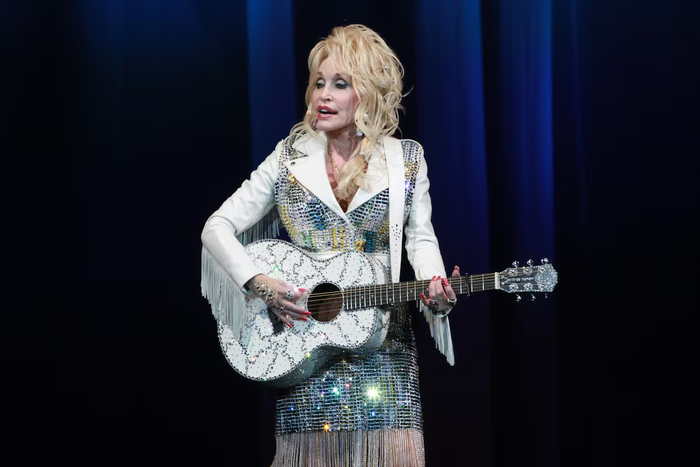
Parton, who died on Aug. 25 at age 80 following what her family described as a brief battle with cancer, told People that she had been grappling with "some health issues that I just didn't pay attention to" prior to the 2025 death of her husband, Carl Dean. Despite this, she remained committed to her work, telling the magazine, "I've dreamed myself into a corner and I still have so many things I want to achieve," and adding that she intended to keep working for as long as she was able.
HuffPost
HELLO!
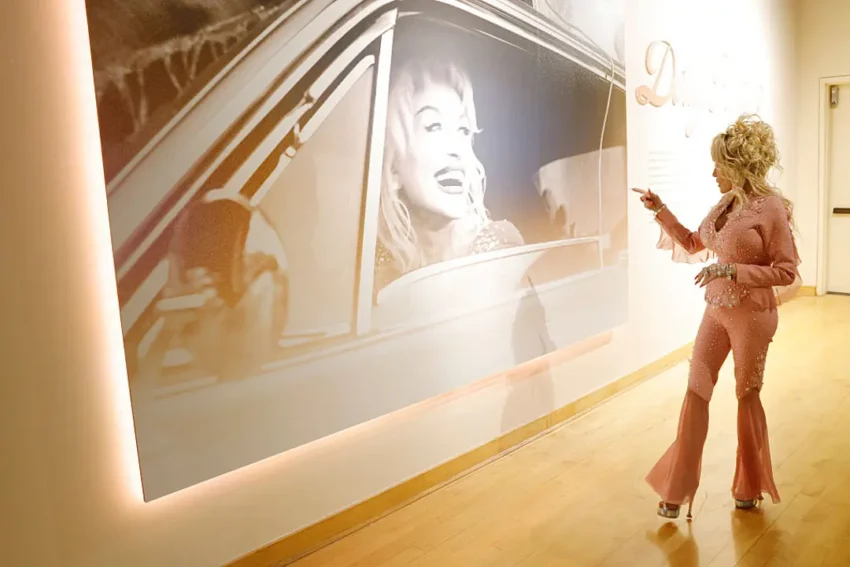
Among the projects Parton discussed was a new Nashville museum, the Life of Many Colors Museum, which she described with visible excitement, saying she was proud of the project and had known the location was right the moment she saw it. She also revealed she had been exploring "avatar performances" that would allow her to continue performing for audiences without appearing on stage in person, a prospect she joked about with her characteristic humor.
The interview followed a difficult year for Parton, who had previously postponed and then canceled her planned "Dolly: Live in Las Vegas" residency after doctors advised her to undergo several medical procedures. She had reassured fans at the time that she was not retiring, saying she believed she was being told to slow down so she could be ready for future adventures with her audience.
Her nephew, Bryan Seaver, announced her death in a Facebook video days later, describing the moment as one of pride mixed with sadness, and noting that the sadness belonged to those left behind rather than to Parton herself.
Far from the ominous framing some headlines have applied to her final words, those close to the singer and outlets that covered the interview have characterized it consistently: a portrait of a woman who, even in her final days, remained hopeful, forward-looking, and true to the character the public had known for decades.