Atlanta Braves Beat Earnings but the Season Is Far From Over
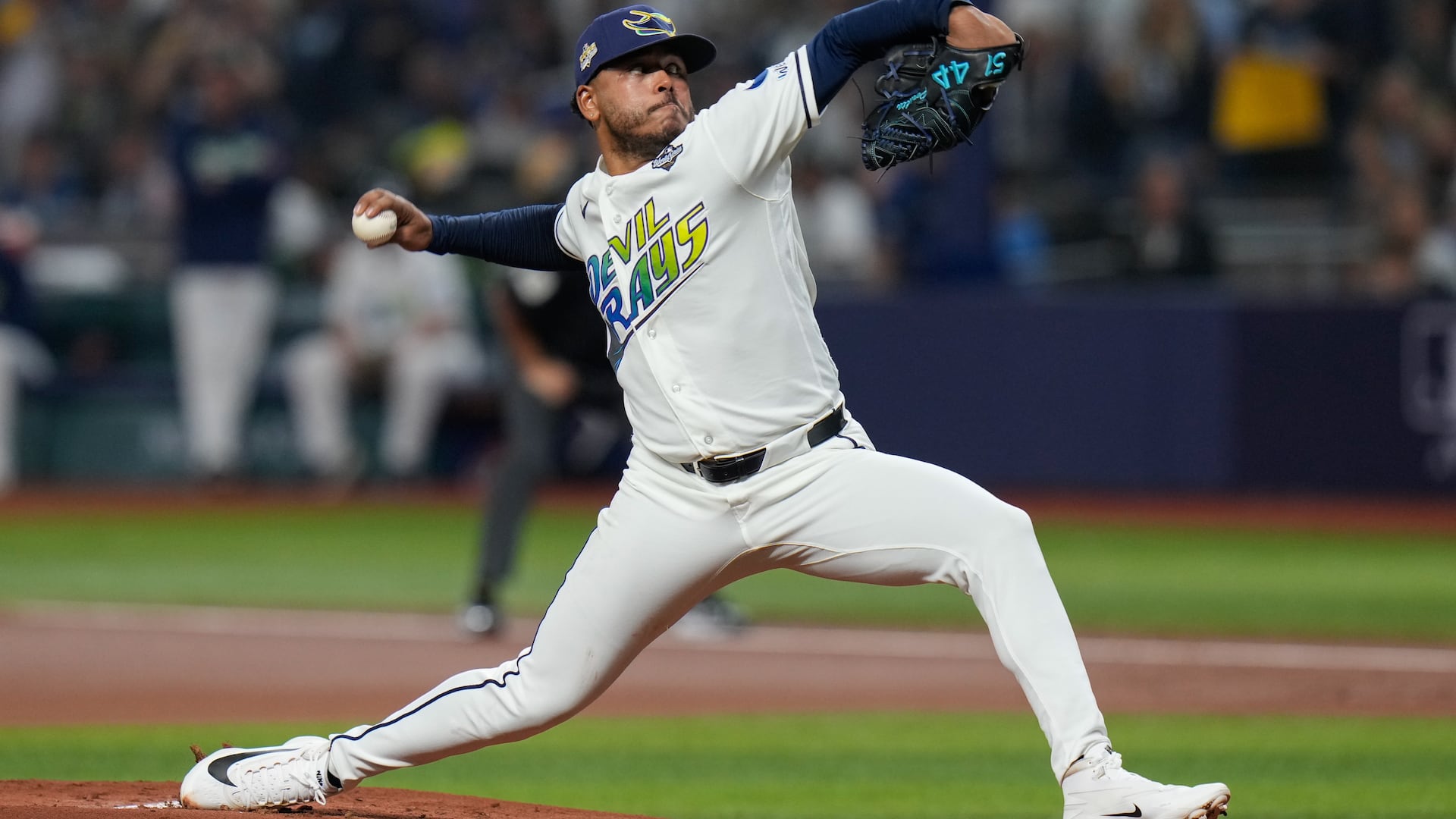
Atlanta Braves Holdings Reports Third Quarter Earnings: A Successful Season, Not Yet Completed.
The publicly traded company that owns the Atlanta Braves and its real estate holdings reported earnings on Wednesday for the three months ending September 30.
During the quarter, the Braves clinched the National League East division title.
The team played two home games in the Wild Card series against the Philadelphia Phillies.
The financial contribution from the third Wild Card game and two home games in the Division Series against the Los Angeles Dodgers will appear in the fourth-quarter report, since those games took place in October.
The Braves had 42 home games during the third quarter, compared to 41 home games in the same period of 2025.
Home games generate ticket, concession, and merchandise sales that do not occur when the team is on the road.
Attendance per Championship Season game during the quarter averaged 26,998 fans.

That is up from 23,786 fans per game in the third quarter of 2025.
Despite the increase in attendance and home games, baseball-related revenues during the quarter reached $295.5 million.
That represents only a 4% increase over the same quarter last year.
The reason for the apparently lackluster growth is the team’s media revenues, which dropped 4%.
Management attributed the decline to the newly created BravesVision subsidiary.
BravesVision took over the broadcast and streaming of Braves games from FanDuel Sports Network, a regional sports network that has been financially struggling.
On its conference call with investors, Braves management explained that it expects revenues and profitability from BravesVision to eventually equal what the team earned from its former broadcast partner.
However, management noted that those revenues would be realized over the full year rather than concentrated during the regular season.

From this, analysts can infer that fourth-quarter broadcast revenues will be higher than they were in 2025.
The earnings report provides a window into the economics of baseball from the perspective of one of the league’s most successful teams.
As a publicly traded company, Atlanta Braves Holdings must disclose detailed financial information that most other MLB teams keep private.
This transparency allows fans and investors to see exactly how much money flows from ticket sales, broadcast rights, concessions, and merchandise.
The Braves’ overall financial health remains strong, with the team on pace for another deep postseason run.
But the media revenue decline raises questions about the transition from traditional regional sports networks to team-controlled broadcasting.
FanDuel Sports Network, formerly known as Bally Sports, has been shedding MLB teams as it faces financial difficulties.
The Braves are among several clubs that have moved to take control of their own broadcast rights rather than relying on a third-party network.

BravesVision launched this season as the team’s in-house production and distribution arm.
The subsidiary handles everything from camera crews to advertising sales to streaming distribution.
Management expressed confidence that BravesVision will eventually match the financial performance of the previous broadcast deal.
But the third-quarter numbers show that the transition is not yet complete.
The team’s overall revenue growth of 4% is modest compared to the attendance increase of more than 13%.
This suggests that the broadcast transition is temporarily suppressing revenue growth.
Investors and analysts will be watching the fourth-quarter report closely to see if broadcast revenues rebound as management has forecast.
The fourth quarter will include revenue from postseason games as well as the first full quarter of BravesVision operations without the drag of transition costs.
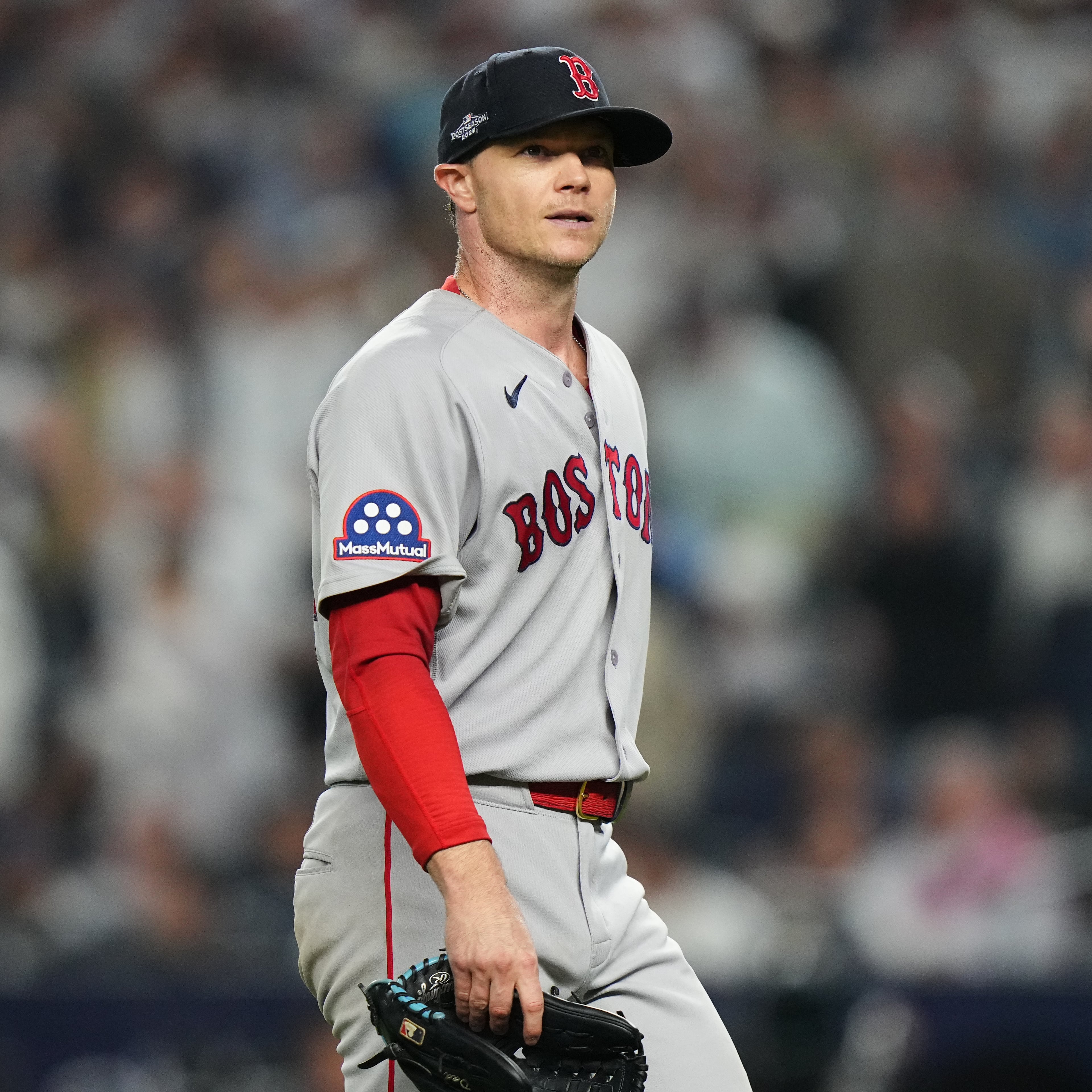
Meanwhile, the Braves are also preparing for the offseason.
The Atlanta Journal-Constitution reported that the team needs a new starting pitcher this winter.
The Braves failed to make a significant rotation addition last winter, yet the team outpitched expectations throughout a 94-win regular season.
With numerous uncertainties, including injuries and young players still developing, the club would benefit from a legitimate rotation addition.
Free agency is now open, and several top pitchers are available.
Tarik Skubal, a left-handed pitcher for the Los Angeles Dodgers who turns 30 on November 20, is the biggest name on the market.
The Braves explored a Skubal acquisition at the trade deadline, but the Tigers preferred the Dodgers’ collection of prospects.
The team probably will not revisit Skubal this winter, as he projects to earn a contract exceeding $300 million.

His signing could still affect the Braves, though, because his most oft-mentioned suitors — the Dodgers, Mets, Cubs, Padres, and Phillies — all play in the National League.
Other free agent starting pitchers the Braves could pursue include right-handers and left-handers with varying levels of experience and cost.
The team’s front office, led by general manager Alex Anthopoulos, has a track record of creative trades and mid-tier free agent signings.
The Braves’ payroll situation is flexible, though the team has long-term commitments to several core players.
For now, the focus remains on the postseason and the financial picture that will emerge once the season is fully complete.
The third-quarter earnings report tells a story of a successful season that is not yet finished.
Revenue is up, attendance is up, and the team is winning.
But the media revenue dip serves as a reminder that the business of baseball is undergoing significant structural change.
How the Braves navigate that change will determine whether this season’s on-field success translates into sustained financial growth.
The fourth-quarter report, expected in early 2027, will provide the next piece of the puzzle.
Advertisement
You may also like

Matt Poitras Confirms Broken Nose But Defends Braeden Bowman After Controversial Elbow Hit
Boston Bruins center Matt Poitras confirmed he suffered a broken nose against Vegas, but he defended the hit as an unlucky play after speaking…
Isaac Cruz Stops Angel Bravo And Immediately Calls Out Ryan Garcia Right In The Ring
Moments after securing a stoppage victory over Angel Bravo, Isaac 'Pitbull' Cruz seized the microphone to issue an immediate challenge to Ryan Garcia. The…
Garth Brooks Reveals How Ed Sheeran's Tour Posters Inspired His 2027 Irish Trek
Garth Brooks was inspired to bring his concerts directly to regional fans across Ireland after noticing tour posters for Ed Sheeran during his 2022…
Taylor Swift Vienna Doc Spotlights Fans Who Supported Swifties And Met Austria’s Chancellor
Beyond the thriller narrative of the thwarted attack, the 'Taylor Swift Wien' documentary follows three local female fans who organized psychological support for fellow…

Garth Brooks Unveils 10 Irish Tour Dates for 2027, Fulfilling a Long-Held Personal Dream
Garth Brooks officially unveiled a 10-concert Irish tour for May and June 2027, explaining that returning to play for Irish audiences has been a…

Anna Leigh Waters Dec 9 Araneta Coliseum Showcase Reveals Schedule And Pass Details
Fans looking to see Anna Leigh Waters live at the Smart Araneta Coliseum on Wednesday, December 9, can begin securing passes through a tiered…