Blake Snell Turns His Card Obsession Into Zilla Breaks
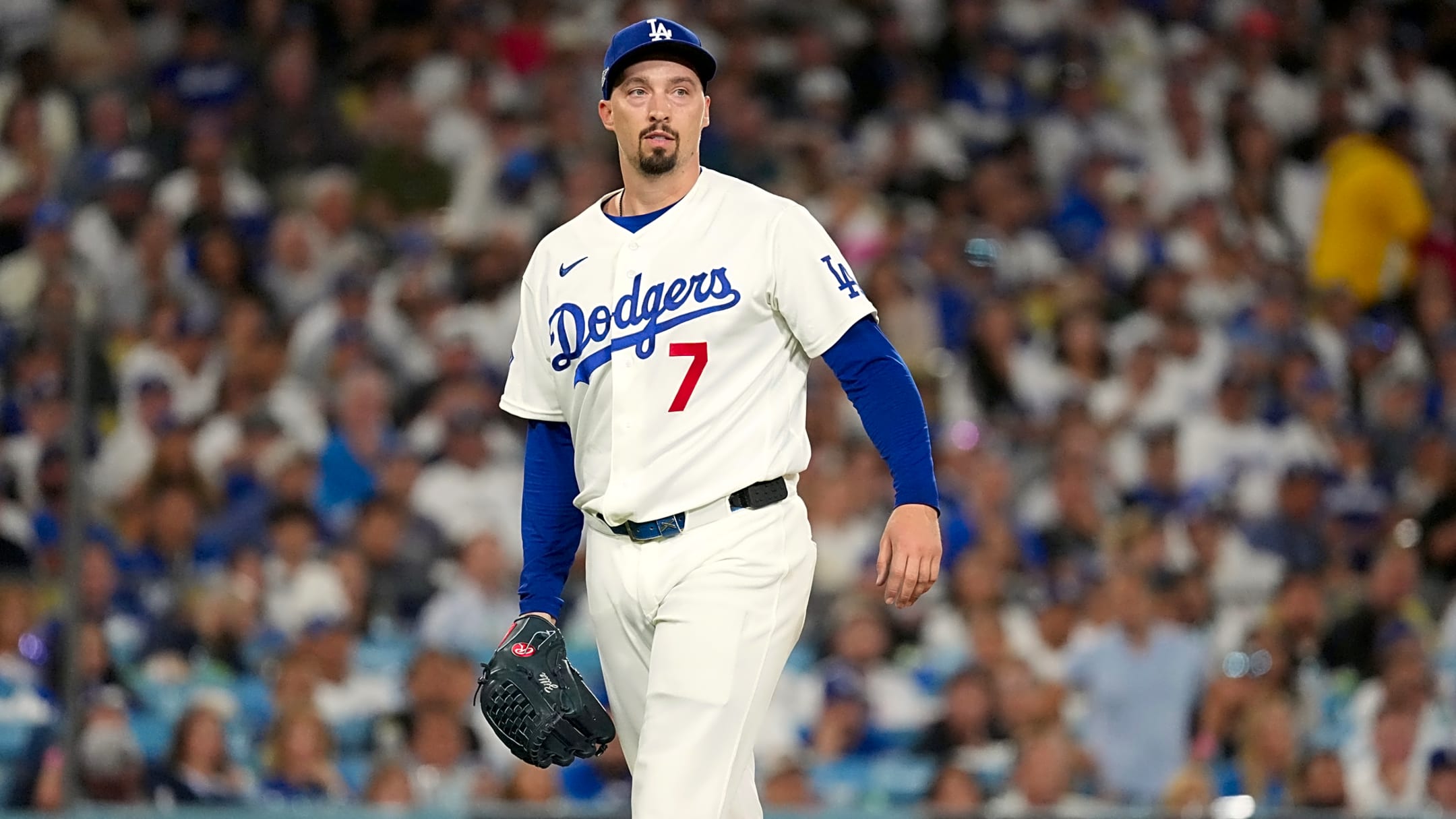
Blake Snell collects sports cards.
That fact alone isn't surprising.
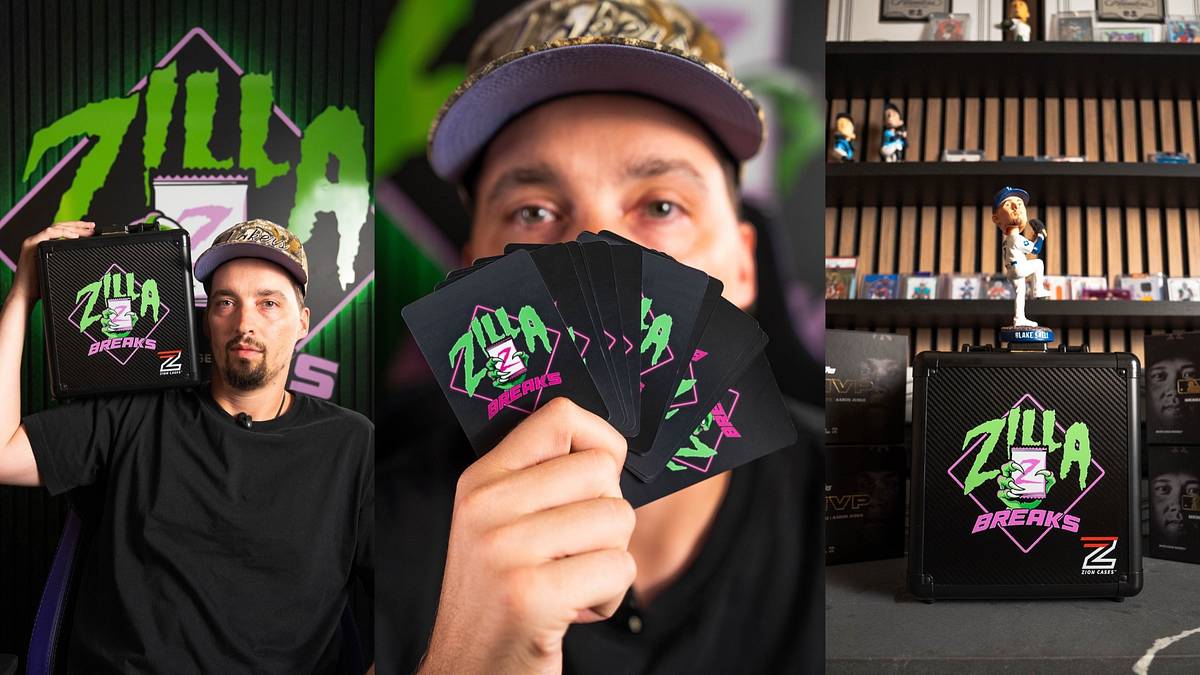
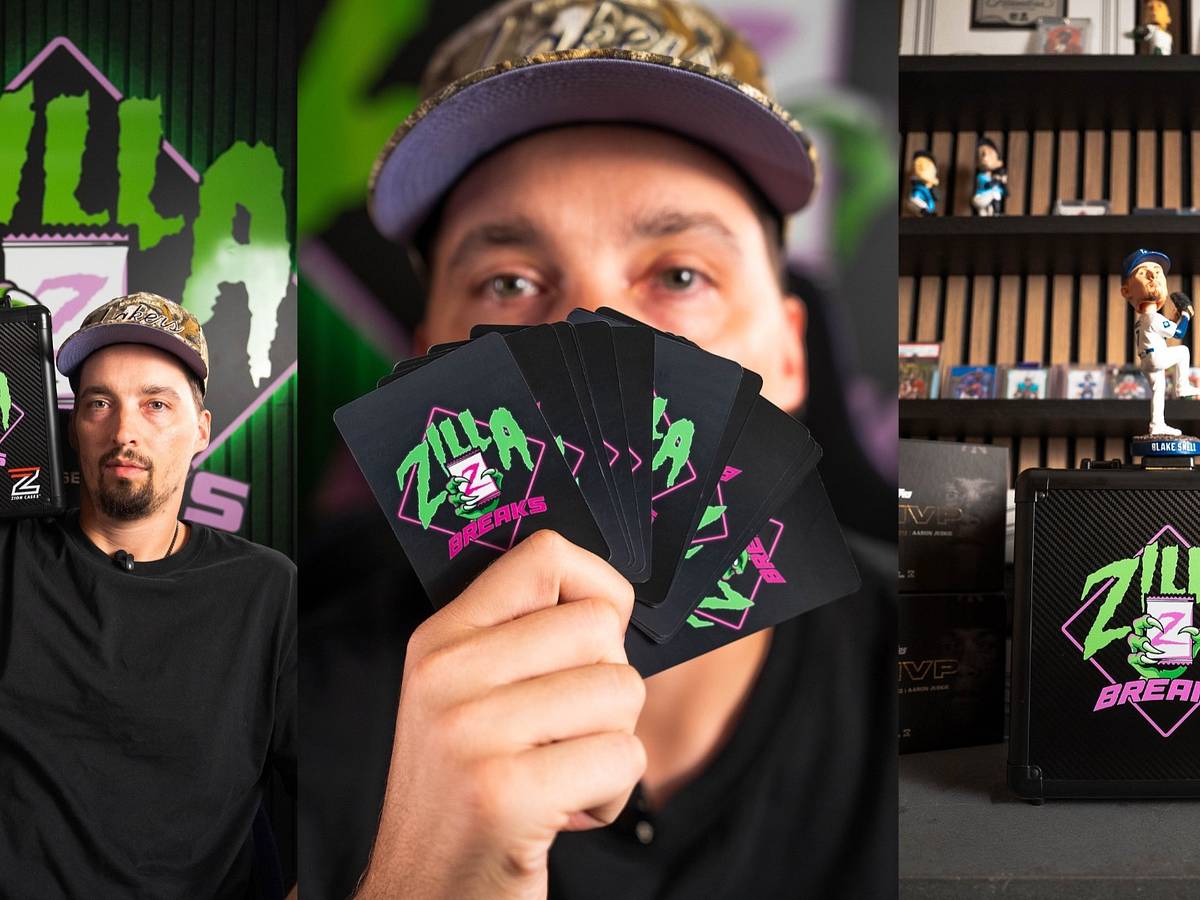
But the two-time Cy Young Award winner has turned that personal hobby into a full-blown business called Zilla Breaks.
Snell sat down recently with Sports Illustrated to explain how he went from casual collector to co-founder of a card-breaking company.
The story starts around 2012.
Snell began collecting with his older brother back then.
But he admits he didn't really understand the hobby until fairly recently.
That changed when he discovered Whatnot a little over a year ago.
Whatnot is a live-streaming marketplace where people buy and sell collectibles including sports cards.
It introduced Snell to the world of card breaking — a process where buyers pay for a slot in a group break of a sealed box or case, and then they receive whatever cards are pulled from their assigned team or player.
"I started learning the hobby and what people were chasing, and then I started getting into breaks," Snell explained.
"From there, it was a wrap."

That momentum led directly to Zilla Breaks.
Snell co-founded the company with Daveed Cohen.
Cohen is a known figure in the breaking industry, and together they built a platform that Snell says stands apart from competitors.
Snell was asked whether being a professional baseball player gives him an edge in identifying which young players might become stars.
He acknowledged that his experience helps, but he admitted that prospecting — actively researching and targeting undervalued young players — wasn't something he paid much attention to until recently.
In the past, Snell would simply hold onto cards of young players he pulled and hope they would succeed.
He did not actively research which prospects were worth chasing.
That has changed now.
Snell also spoke about the strange economics of the hobby.
Pitchers tend to carry significantly less value in the sports card market than hitters.
Snell himself is a pitcher.
He was asked whether that frustrates him, or whether he appreciates being able to collect his own cards at more affordable prices.
Snell said the difference in value between pitchers and hitters doesn't entirely make sense to him.
He understands that position players benefit from being in the lineup every day, which gives them more opportunities to produce memorable moments that drive card demand.
But he still finds the gap puzzling.
That said, he does appreciate being able to buy his own one-of-one cards — unique, single-print cards that are the rarest in any set — at prices that are not astronomical.
But there is a limit.
Snell said he will immediately lose interest in buying a card when collectors ask $40,000 for one simply because they know he is chasing it.
"When people oversell it, I'll never buy that card," Snell said.
"Someone else can have it."
That stance is notable for a player of his caliber.
Many athletes pay top dollar to acquire their own rare cards, driving up prices in a niche market.
Snell is refusing to participate in that dynamic.
He is willing to walk away entirely.

That philosophy carries over into how he wants Zilla Breaks to operate.
Snell said he felt something was missing in the breaking industry before launching the company.
He did not elaborate in detail on what that missing piece was, but the implication is that Zilla Breaks aims to offer a different experience — one that prioritizes fairness, transparency, or affordability over hype.
The company launched quietly, without a massive marketing campaign.
Snell is not just the face of Zilla Breaks.
He is involved in the day-to-day operations and strategy.
Cohen, as co-founder, brings industry expertise and connections.
Together, they are trying to build something that lasts.
Snell's card collection is personal.
He still holds cards he pulled years ago.
He still hopes for young players to succeed so those cards gain value.
But now, instead of just being a collector, he is also a seller and a platform operator.

That shift changes how he views the entire ecosystem.
He sees the market from both sides.
He knows what it feels like to overpay and to walk away.
He knows what collectors want because he is one of them.
The Zilla Breaks brand is still young.
It remains to be seen whether it can carve out a lasting share of a crowded and competitive industry.
But Snell is betting that his perspective as both a player and a collector gives him an edge.
He understands the chase.
He also understands when the chase stops being worth it.
That balance — knowing when to buy and when to walk — is rare in a hobby driven by FOMO and speculation.
Snell is trying to build a company that reflects that philosophy.
Whether it works will depend on execution, pricing, and trust.
But the foundation is there.
A two-time Cy Young winner who studies the market, respects the hobby, and refuses to be taken advantage of.
That story is more interesting than most athlete-branded businesses.
Because Snell is not just slapping his name on a product.
He is inside the operation, learning the mechanics, and making decisions based on his own experience.
He started collecting with his brother in 2012.
He discovered Whatnot a little over a year ago.
Now he runs a breaking company.
The trajectory is fast, but Snell insists it is not reckless.
He wants Zilla Breaks to be built to last.
And he is willing to walk away from a $40,000 sale of his own card to prove a point.
That is the kind of discipline that might actually translate into a sustainable business.
Or it might just be a good story.
Either way, it is worth watching what Snell does next with Zilla Breaks.
Advertisement
You may also like
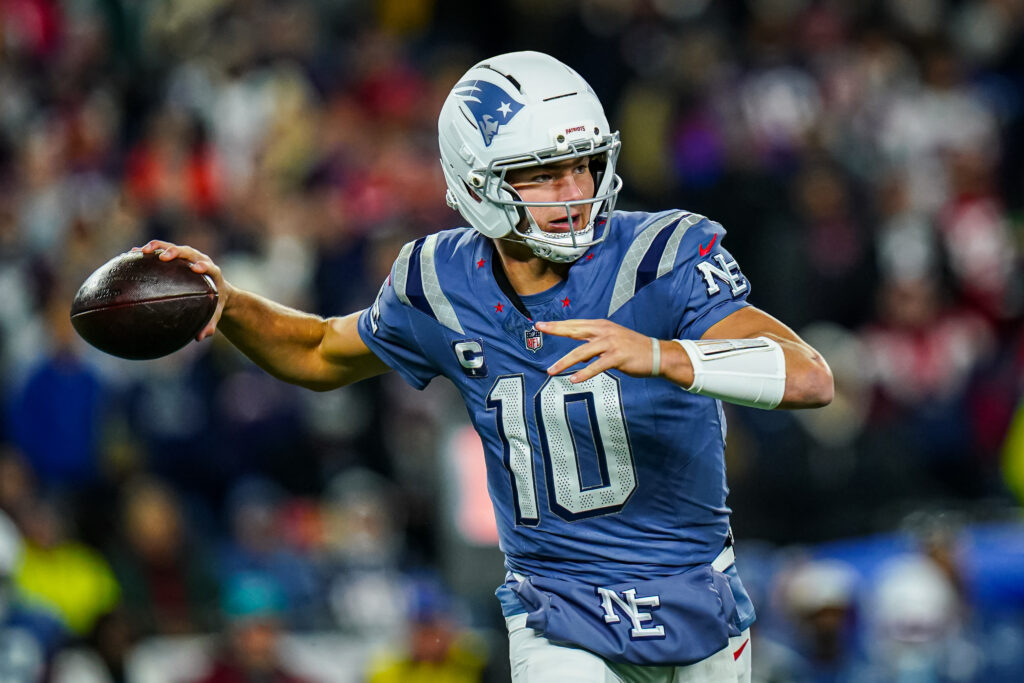
Drake Maye named AFC Offensive Player of the Month
Drake Maye is the AFC offensive player of the month. The New England Patriots quarterback received the honor Wednesday from the NFL. It is…
Paul Finebaum questions the appeal of FSU's opening
Paul Finebaum questions the appeal of FSU's opening. The ESPN analyst said on McElroy and Cubelic that he does not view the Florida State…
Russell Westbrook jersey retirement ignites Kevin Durant feud
The Oklahoma City Thunder are retiring Russell Westbrook’s jersey. General manager Sam Presti made the surprise announcement earlier this November during the franchise’s Day…
Messi enters scary hours as MLS Cup rivals beware
Inter Miami’s MLS Cup rivals beware. Lionel Messi is entering what can only be described as “scary hours.” That phrase comes from a recent…
Dodgers Lose 11 Players as Skubal Free Agency Heats Up
Dodgers Notes: LA Loses 11 Players to Free Agency, Tarik Skubal Suitors, Opening Day Lineup Projection. The Los Angeles Dodgers officially lost 11 more…

Miyu Yamashita chases a sixth worldwide win after sharing lead in Japan.
OMITAMA, Japan — Miyu Yamashita, who won the LPGA's Maybank Championship in Malaysia over the weekend, was among three players atop the leaderboard after…