Deion Sanders settles 'Prime' logo suit with a shocking catch
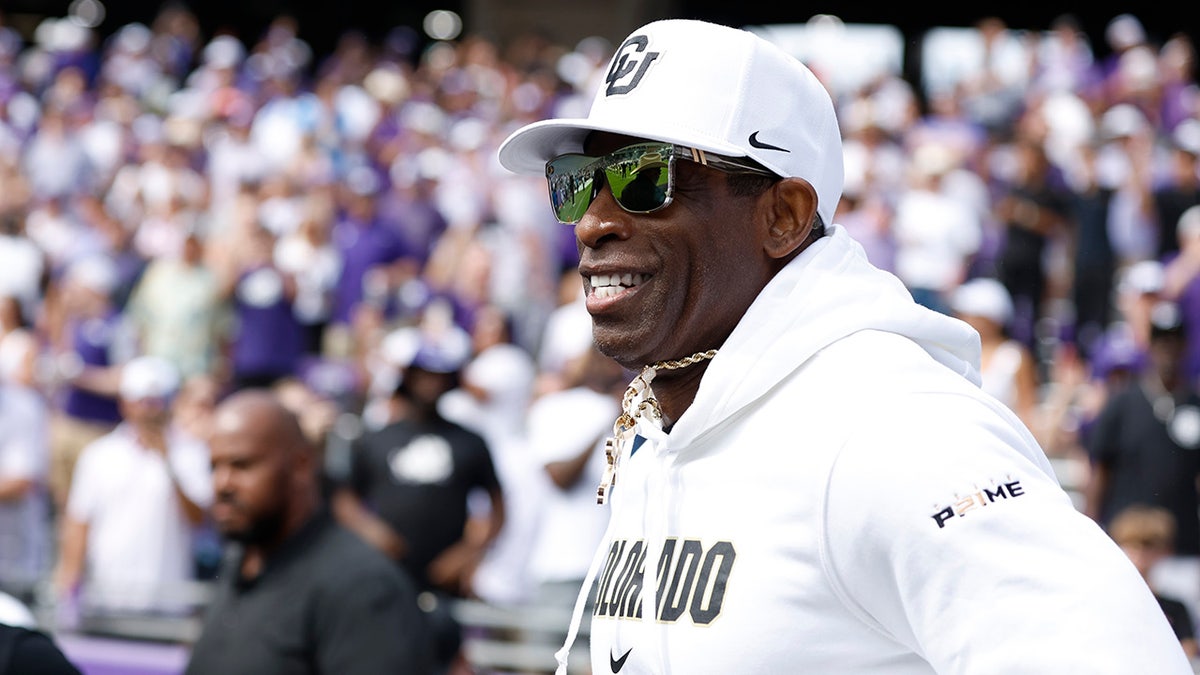
Deion Sanders resolves ‘Prime’ logo lawsuit, but the ending comes with a twist.
A lawsuit accusing Colorado football coach Deion Sanders of ripping off a graphic designer in Nebraska who claimed he created the “Prime” logo for Sanders and wasn’t compensated for it has been resolved.
But the ending includes a twist.
Attorneys for Sanders and the designer, Alan Tipp, jointly asked a federal court in Nebraska to dismiss the case “with prejudice.”
That means Tipp’s complaint against Sanders can’t be refiled.
Such joint stipulations typically mean the case was settled.
Tipp filed the lawsuit in January 2025.
He said he created the P21ME and TRUTH logos for Sanders in 2011.
Those logos incorporate Sanders’ old 21 jersey number with his nickname as Prime Time and Coach Prime.
The P21ME logo later has been used on Blenders sunglasses, Nike products and other Colorado gear.
The lawsuit named Sanders, Prime Time Enterprises and Sanders' business agency, SMAC Entertainment, as defendants.
It sought a judgment in excess of $75,000.
Sanders’ attorneys denied the allegations in court records.
Sanders also submitted a declaration with court in August, claiming the logos in question were part of his previous endorsement deal with the sports apparel company Under Armour.
After Sanders ended his deal with Under Armour around July 2023, Sanders said the logos remained in use under a separate arrangement.
Now the case is over.
The court noted on Nov. 3 “this case has been dismissed.”
“Plaintiff and Defendants shall each bear his or their own costs and attorneys' fees,” said the joint stipulation obtained by USA TODAY Sports.
An attorney for Sanders, Michael Kump, sent a statement to USA TODAY Sports saying that no money was exchanged as part of this resolution.
“The parties have agreed to fully resolve this action,” the statement said.
“Coach Sanders has posted a message on his Instagram page thanking Alan Tipp for his work.
No money or other consideration was or will be exchanged as part of this resolution.”
Sanders addressed the matter on Instagram Nov. 5 by referencing Tipp directly.
“Shout out @atippical who 15 years ago designed the P21ME and T21TH logos for Under Armour which have stood the test of time and are still in use today,” Sanders wrote.
That public acknowledgment — rather than a financial payout — appears to be the core of the resolution.
Legal experts note that a dismissal with prejudice is a permanent end to a case.
It means the plaintiff cannot bring the same claim again in federal court.
Joint stipulations of dismissal are common when both sides reach a private agreement.
The terms of such agreements are often confidential, but in this case Sanders’ attorney has publicly stated that no money changed hands.
The case had been closely watched in the college sports world because of Sanders’ high profile.
Sanders, known as “Coach Prime,” took over the Colorado Buffaloes program in December 2022.
He has been one of the most visible figures in college football, both for his team’s performance and for his personal brand.
The “Prime” logo has become a key part of that brand, appearing on merchandise sold through the university and through commercial partners.
Tipp’s lawsuit had alleged that he created the logo for Sanders as part of a freelance project in 2011.
He claimed that Sanders used the logo for years without paying him for the work.
The lawsuit also alleged that Sanders’ companies continued to profit from the logo after Sanders left Under Armour.
Sanders’ legal team had argued that the logos were created under the Under Armour endorsement deal and that Tipp’s work was compensated through that arrangement.
They also argued that Tipp had waited too long to bring the claim.
The statute of limitations for copyright claims in federal court is generally three years from the date the claim accrues.
Tipp’s attorneys had argued that the claim was timely because the alleged infringement continued into recent years.

With the dismissal, none of those legal arguments were tested at trial.
The case never reached a jury.
Instead, it ended with a joint stipulation and a public Instagram post.
What remains unclear is whether Tipp received any form of compensation beyond the public recognition.
Sanders’ attorney’s statement explicitly says “no money or other consideration was or will be exchanged.”
That language is unusual in a case that sought more than $75,000 in damages.
Most civil lawsuits of this type end with a confidential settlement that includes a monetary payment.
A dismissal with prejudice without any payment is rare, though not unprecedented.
It could indicate that both sides concluded the case was weak, or that the public acknowledgment was deemed sufficient.
Tipp has not publicly commented on the resolution.
His attorney has not issued a statement beyond the court filing.
The case file in the U.S. District Court for the District of Nebraska will remain public.
It includes the original complaint, Sanders’ response, the declaration from Sanders, and the joint stipulation of dismissal.
For Sanders, the resolution removes a legal distraction as his Colorado team heads into the final stretch of the season.
The Buffaloes entered November with a 3-5 record after ending a five-game losing streak against Kansas State.
They face a must-win road game against Arizona State on Saturday.
Starting safety Naeten Mitchell is doubtful for that game, according to the Big 12 player availability report.
Mitchell has started all eight games and played the third-most defensive snaps for Colorado this season.
The secondary is thin, with other injuries and three defensive backs dismissed from the team earlier this season.
Sanders has also faced criticism from former Colorado quarterback Bobby Pesavento.
Pesavento, who helped lead Colorado to the 2001 Big 12 championship, criticized Sanders for what he called a failure to appreciate the university’s football history.
Sanders’ response to a question about the 25th anniversary of that championship drew the criticism.
“I think I was a pro when they were really doing it, like really, really doing it,” Sanders said.
He also referenced his relationship with former Colorado quarterback Kordell Stewart, whom he played alongside during their time with the Baltimore Ravens.
Pesavento expressed his frustration during an appearance on the Zero 2 Sixty podcast.
“I mean, at this point, is it surprising at all?” Pesavento said.
“Like, I mean, it sucks as a former player, right, that was part of something that was pretty special up there, that he's not aware of what it is.”
The former quarterback argued that understanding a university’s traditions should be an essential responsibility for any college football coach.
“As college head coach, no matter who you are, you gotta embrace the history of wherever you're coaching, even if you don't have ties to that place,” Pesavento continued.
“There's donors.
There's former players.
There are fans.
There's a community that rallies around that; you have to embrace it, and he's just doing a poor job of it.”
The legal resolution with Tipp may help Sanders refocus on those on-field and off-field challenges.
But the unusual nature of the settlement — a public shoutout instead of a check — ensures the story will follow him.
The dismissal was filed Nov. 3.
Sanders’ Instagram post came Nov. 5.
The case is now closed.
What remains open is the question of how much the logo is worth, and whether the resolution sets a precedent for similar disputes.
For now, Coach Prime’s logo stays on the merchandise.
And the designer who says he created it gets a credit — but no cash.
Advertisement
You may also like
Fury vs Joshua in jeopardy after injury rumor surfaces
Frank Warren says that claims Tyson Fury has an injury that may stop him from fighting Anthony Joshua are “absolute nonsense.” Fury’s long-time promoter…
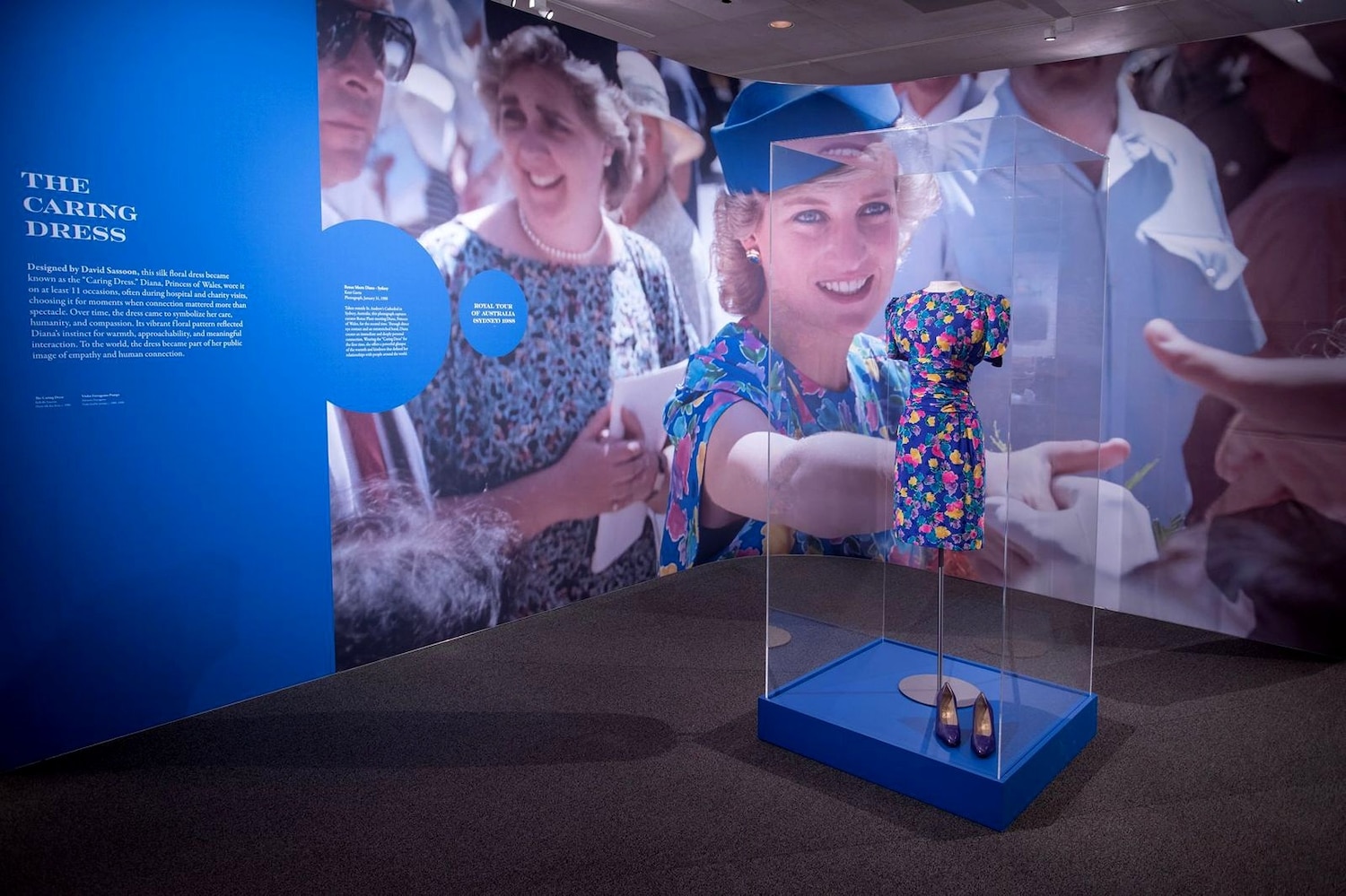
First look inside the US Princess Diana exhibit with a never-seen dress
A collection of more than 700 items belonging to Princess Diana has gone on display for the first time in the United States. The…
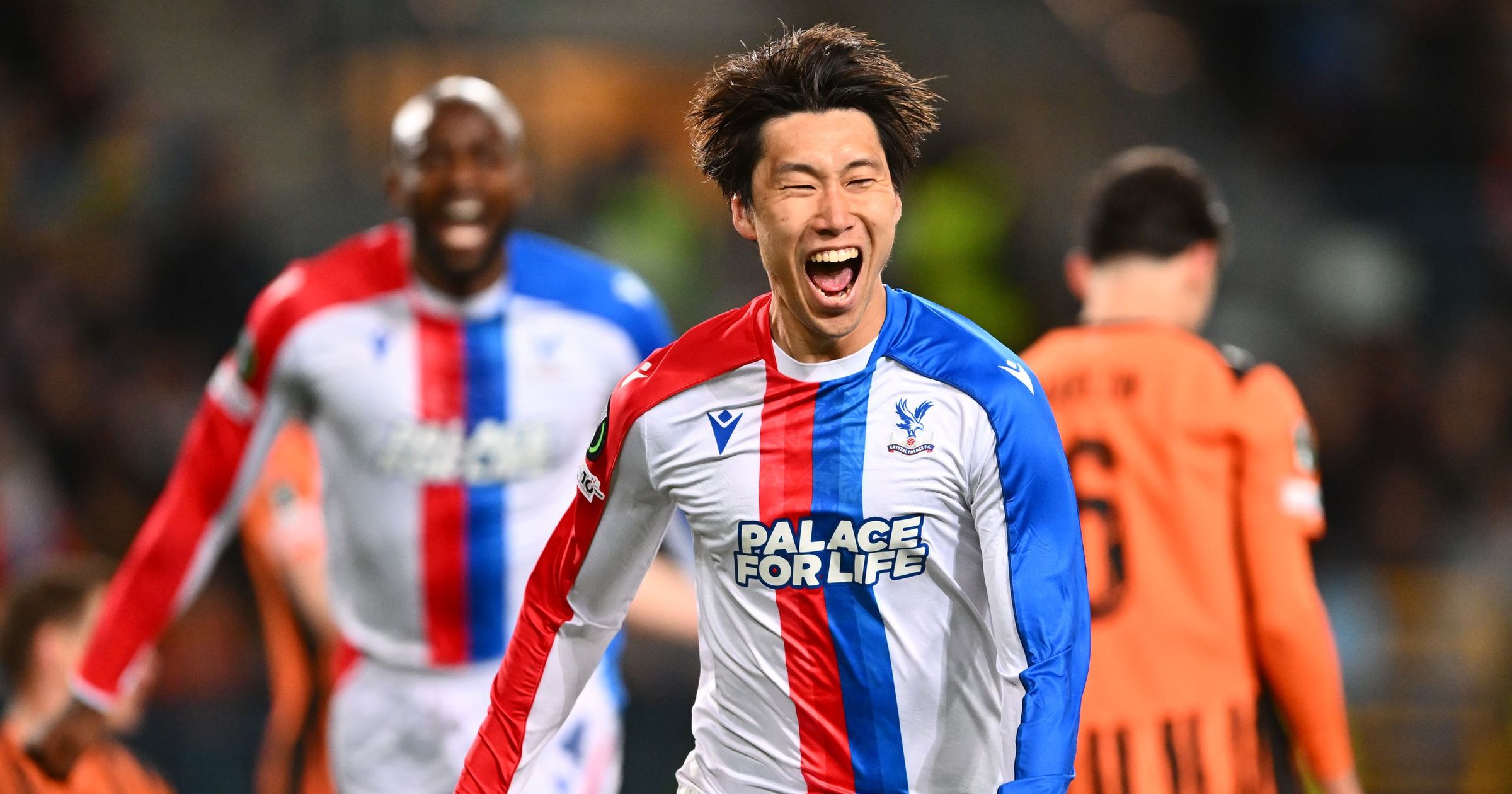
Crystal Palace survive red card and snatch last-gasp Europa League draw
Daichi Kamada scored in stoppage time to earn Crystal Palace a 1-1 draw against Hoffenheim at Selhurst Park, rescuing a point for the 10-man…
Gasly Slams FIA Over Mexico Penalty, Calls for Fair Rules
Pierre Gasly has called on the FIA to use his Mexico City Grand Prix penalty as a baseline for consistent stewarding decisions in the…
Sophie Cunningham Apologizes After Fox News Called Her Out
Fox News pivoted to praising WNBA star Sophie Cunningham following the Republicans' losses on Election Night on Tuesday. As the Democrats took major control…
Chamblee: LIV stars got a harsh reality check as league folds
Brandel Chamblee says LIV Golf stars got a "slap in the face of reality" as the breakaway league shuts down for good. Golf Channel…