Journalist Don Lemon arrested in federal church protest raid
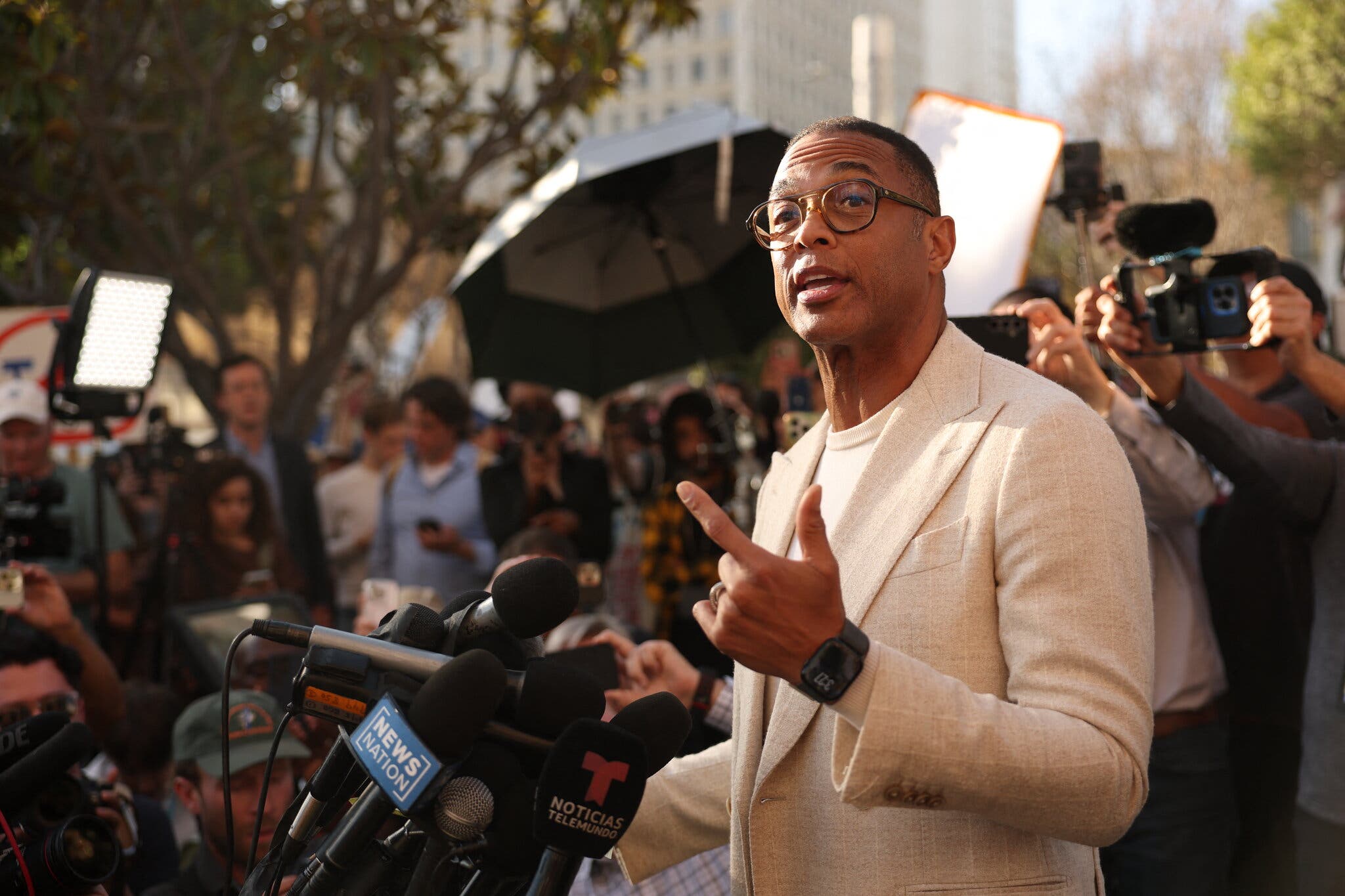
A magistrate had earlier refused to approve a complaint against journalist Don Lemon, but he was still arrested, indicted, and has pleaded not guilty.
Federal agents arrested Lemon at Attorney General Pam Bondi's direction, according to a source close to the situation.
Three other individuals were also taken into custody in connection with the same incident.
The arrests stem from Lemon's livestreamed coverage of an anti-ICE protest inside a St. Paul church on January 18.
The protest was organized by groups opposing Immigration and Customs Enforcement operations.
Lemon was broadcasting the event in real time when federal authorities moved in.
The justice process took an unusual turn early on.
A magistrate reviewed the initial complaint against Lemon and refused to approve it.
That decision typically halts or significantly delays any prosecution.
But in this case, the case moved forward anyway.
The Attorney General's office reportedly directed federal agents to proceed with the arrest despite the magistrate's refusal.
Lemon was subsequently indicted by a grand jury.

He appeared in court and entered a plea of not guilty.
The charges against him remain sealed in part, according to sources familiar with the matter.
Lemon's legal team has not yet filed a motion to dismiss, but sources say that is expected in the coming weeks.
The case raises a fundamental question about the separation of powers within the justice system.
A magistrate is a judicial officer who reviews complaints to determine whether there is probable cause to support an arrest or charge.
When a magistrate refuses to approve a complaint, it means the judge found insufficient legal grounds to proceed.
Prosecutors can still seek a grand jury indictment, which is a separate process.
But the sequence of events here — the magistrate's refusal, followed by a directive from the Attorney General, followed by arrest, followed by indictment — has drawn scrutiny.
Legal experts consulted by sources say the timeline is unusual but not necessarily illegal.
What is unusual is the public nature of the Attorney General's involvement.
Pam Bondi, appointed Attorney General earlier this year, has made immigration enforcement a top priority.
She has publicly stated that her office will pursue all legal avenues against those who obstruct or interfere with ICE operations.

The church protest on January 18 was part of a broader wave of demonstrations against federal immigration policies.
Activists occupied the church sanctuary, declaring it a space of sanctuary for undocumented immigrants.
Lemon was there as a journalist, filming and narrating the scene for his online audience.
Federal agents entered the church during the protest and began making arrests.
Lemon continued filming as agents approached him.
He was taken into custody along with three protesters.
The charge against Lemon is not for his participation in the protest, but for his coverage of it, according to the source.
That distinction has alarmed press freedom advocates.
The Committee to Protect Journalists has not yet issued a statement on the arrest.
But First Amendment lawyers contacted by sources say the case could set a dangerous precedent.
If a journalist can be arrested for livestreaming a protest in a church, the argument goes, then any journalist covering any protest could face the same risk.
The magistrate's refusal to approve the initial complaint adds another layer of concern.

It suggests that at least one judicial officer found no probable cause for the charges.
Yet the prosecution proceeded anyway.
Lemon has been a prominent media figure for decades.
He spent 17 years at CNN as a prime-time anchor before leaving the network in 2023.
Since then, he has built an independent online news operation, streaming regularly to a large audience.
His coverage of the January 18 protest was part of that independent journalism effort.
The arrest has sparked debate on both sides of the political aisle.
Some conservative commentators have defended Bondi's action, arguing that Lemon was not simply reporting but actively participating in the protest.
Lemon's supporters reject that characterization, pointing to his livestream as straightforward news coverage.
The three other individuals arrested alongside Lemon have not been publicly identified.
It is unclear whether they face the same charges or different ones.
Lemon's next court appearance is expected within 30 days.

His legal team is expected to argue that the arrest violated his First Amendment rights.
The central question for observers is this: If a magistrate already refused to approve the complaint, was the indictment of Don Lemon a legitimate prosecution or political retaliation?
That question will likely be tested in court in the months ahead.
For now, Lemon remains free on bail, continuing to stream and post on social media.
He has not commented publicly on the case since his not-guilty plea.
But sources close to him say he is preparing a vigorous legal defense.
The case is being watched closely by journalists, legal scholars, and civil liberties organizations.
If Lemon is convicted, it could have a chilling effect on protest coverage nationwide.
If he is acquitted, it could reaffirm the protections journalists have under the First Amendment.
Either way, the fact that a magistrate refused to approve the initial complaint will be a central part of the defense's argument.
The prosecution will have to explain why they moved forward despite that judicial refusal.
That explanation may come in the form of legal briefs filed in the coming weeks.
Until then, the case remains a flashpoint in the broader debate over press freedom and immigration enforcement.
Lemon's arrest is the first known instance of a journalist being taken into custody at the direction of the Attorney General for covering an anti-ICE protest.
Whether it becomes a landmark case or a footnote depends on how the courts answer the question at its heart.
A question that, for now, has no answer.
Advertisement
You may also like
LIV Golf Shuts Down, PGA Tour Winners Revealed
LIV Golf is done. Its primary financial backer, the Saudi Public Investment Fund, ended its support in April after spending more than $5 billion…
Reds Get Major Update on Elly De La Cruz Trade
The Cincinnati Reds have received a new update on the Elly De La Cruz trade situation. A report from Chris Landers of FanSided outlines…
Charles Barkley’s blunt take on Wemby’s insane game says it all
Charles Barkley's reaction to Victor Wembanyama's unreal performance says everything you need to know. During Wednesday night's NBA game between the Dallas Mavericks and…
Luke Bryan & Megan Moroney to Headline Coastal Country Jam 2027
Coastal Country Jam is returning to Huntington Beach in 2027 with Luke Bryan and Megan Moroney headlining the SoCal beachside country festival. Activated Events,…

Watch Dallas Stars vs Blue Jackets Live Free on TV
NHL.LIVE: Dallas Stars vs Columbus Blue Jackets Live Free NHL Games On TV Channel Nov 6.2026. The Dallas Stars face the Columbus Blue Jackets…
Church Downs picks: Expert predictions for Friday, Nov 6
Churchill Downs Horse Racing Picks and Predictions Today for Friday, November 6. Mr. Ed has returned to his regular twice-a-week VSiN beat after a…