Juan Vazquez Fights Back As Pennsylvania Regulators Grant Appeal Over License Denial
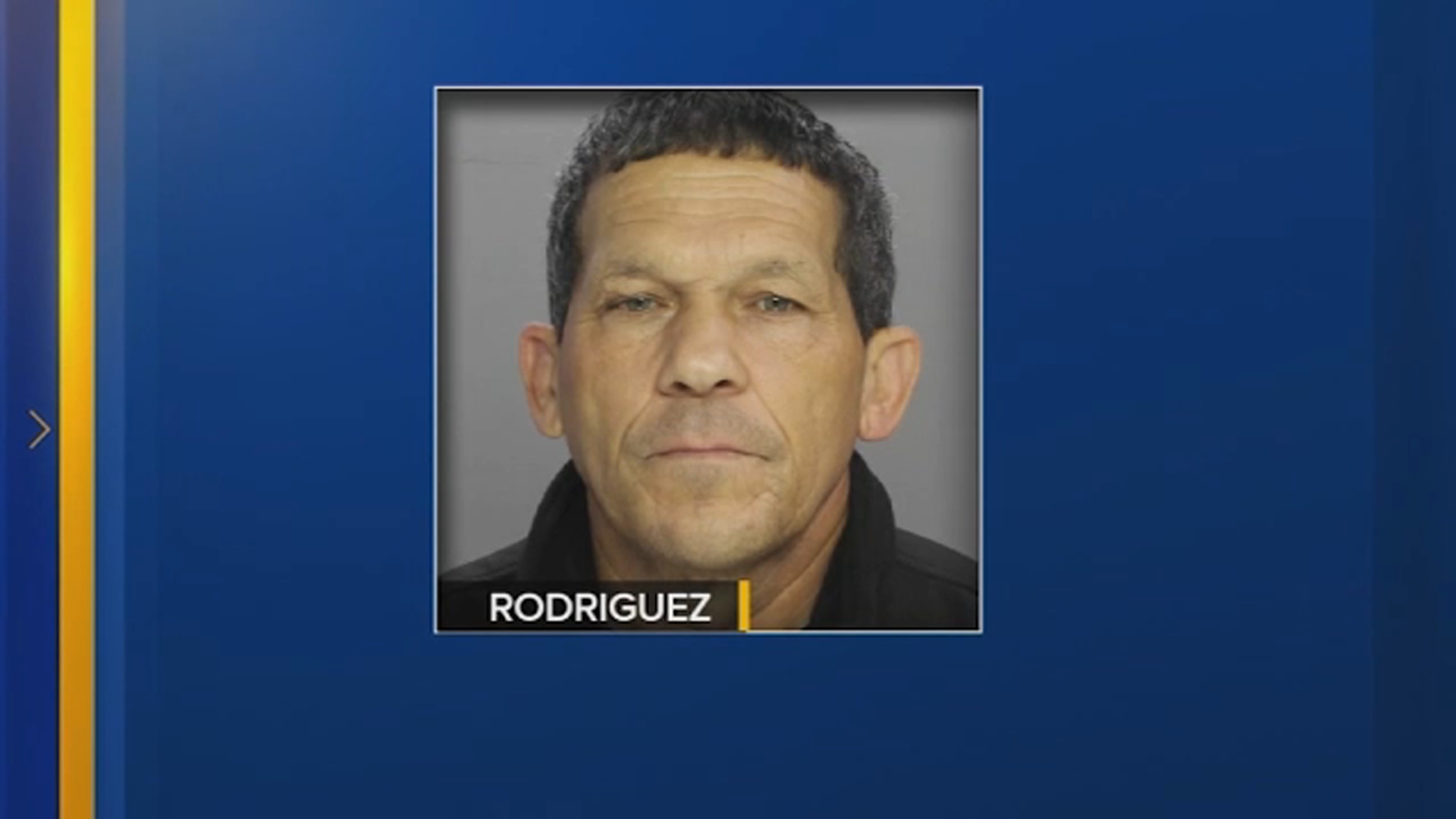
Following the Oct. 23 rejection of his owner's license application, Juan Vazquez filed a timely appeal that was officially granted by Pennsylvania regulators on Oct. 30, 2026.
That decision allows him to challenge the denial but does not itself overturn the commission's findings or grant him an owner's license.
The case centers on a 2022 disciplinary action.
Pennsylvania stewards issued a ruling July 7, 2022, suspending Vazquez's training license through Jan. 26, 2025, and fining him $5,000.
The penalty followed the death of Shining Colors, a mare who was euthanized after being shipped from Belmont Park to Parx Racing while suffering from severe chronic laminitis.
The commission concluded that Vazquez's conduct in caring for the horse was "grossly negligent, cruel, and abusive."
Vazquez's Pennsylvania suspension expired Jan. 26, 2025.
He resumed training at Mountaineer in West Virginia on April 27 of that year.
Equibase records show he has remained active exclusively at Mountaineer as both a trainer and an owner.
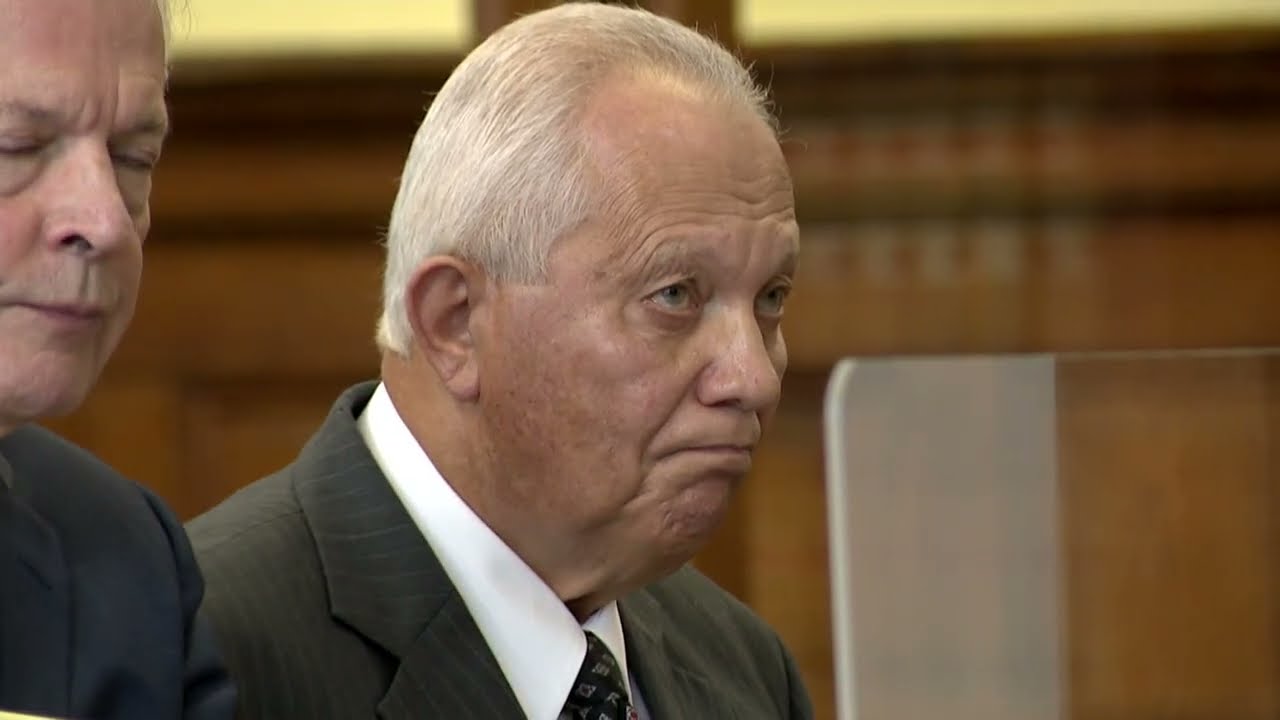
Through the first 10 months of 2026, he recorded 243 starts and 44 wins as a trainer, along with 116 starts and 18 wins as an owner.
Despite that return to racing in West Virginia, Pennsylvania regulators determined that Vazquez's previous conduct continued to disqualify him from obtaining an occupational license in that state.
On Oct. 23, 2026, the Pennsylvania commission denied Vazquez's May 28 application for an owner's license.
The commission cited his history of racing violations in multiple jurisdictions.
Regulators concluded Vazquez "failed to demonstrate by clear and convincing evidence that he is a person of good character, honesty, and integrity, or that his prior activities will not pose a threat to the public interest or the effective regulation and control of horse racing."
The ruling stated: "Mr. Vazquez has presented no supporting information to refute the conclusion that his previous conduct and corrupt actions remain a threat to the public interest, the effective regulation and control of horse racing and to the health, safety and welfare of the racing participant and the racehorse."
It added: "Mr. Vazquez's presence at a licensed racetrack under the jurisdiction of the Commission remains detrimental to the best interest of horse racing and to the integrity of the betting public in the Commonwealth."
Vazquez filed a timely appeal of that denial.
In a separate ruling dated Oct. 30, the commission granted his request for an appeal.

That decision allows him to challenge the denial but does not itself overturn the commission's findings or grant him an owner's license.
Vazquez has a lengthy violation history.
The database ThoroughbredRulings.com shows 135 records relating to violations dating back to 2006.
Some violations generate multiple records in this database if stewards issue subsequent rulings rescinding or modifying previous ones.
Track management at Delaware Park and Laurel Park banned Vazquez from those properties in 2015.
An owner's license in Pennsylvania is an occupational license required to race horses as the owner of record at tracks under the commission's jurisdiction.
The commission evaluates applicants based on character, honesty, integrity, and whether their prior activities pose a threat to the public interest or the effective regulation of racing.
The appeal process allows the applicant to present evidence and arguments before the commission or a hearing officer.
It is not a full retrial but a formal review of the denial decision.

The commission may uphold, reverse, or modify its original ruling after the hearing.
No date has been set for Vazquez's appeal hearing.
Vazquez's case raises questions about how regulators handle applicants with past violations who continue to work in other states.
West Virginia's Mountaineer Casino, Racetrack & Resort has allowed him to train and own horses without apparent restriction.
Pennsylvania's commission took the opposite position, citing ongoing risk.
The difference in approach between the two states highlights the fragmented nature of racing regulation in the United States.
Each state's racing commission operates independently, with its own licensing standards and enforcement mechanisms.
A licensee barred in one state can often work freely in another, as Vazquez has demonstrated.
Do you believe Juan Vazquez has any chance of overturning this denial on appeal?
Advertisement
You may also like

Guy Kinnings Refuses 2027 Exemptions For LIV Golfers, Forcing An Absolute Choice Between Tours
DP World Tour chief Guy Kinnings confirmed that previous exemption deals for LIV players are over, warning that anyone signing up for LIV 2.0…
Isack Hadjar Slams George Russell Over Mexico GP Clash Before Taking Blame For Qualifying
Isack Hadjar plummeted to the back of the grid on Lap 1 of the Mexico City Grand Prix after being spun out by George…
Inside Draymond Green’s Ejection After Tangling With Khaman Maluach And Dillon Brooks
Draymond Green was ejected early in the third quarter after wrapping his arms around Phoenix Suns center Khaman Maluach to pull him down and…

Collin Gosselin Exposes Reality TV Filming and Details Disturbing Abuse Allegations Against Mom Kate
In his memoir In the Shadow of Eight, Collin Gosselin alleged that his reality TV upbringing on Jon & Kate Plus 8 involved forced…
Insiders Reveal Bill Belichick's Family Relieved By Hudson Breakup, But Business Worries Remain Deep
Bill Belichick's family is reportedly relieved that his romantic relationship with Jordon Hudson has ended, but their worries are far from over regarding her…
Jon Rahm Fires Opening 65 In Abu Dhabi As Collapsing LIV Golf Faces Liquidation
Just as LIV Golf's proposed LIV 2.0 relaunch collapsed following the withdrawal of BC Partners, Jon Rahm returned to action by firing a seven-under-par…