Keisha Lance Bottoms Makes History as Georgia’s First Black Governor
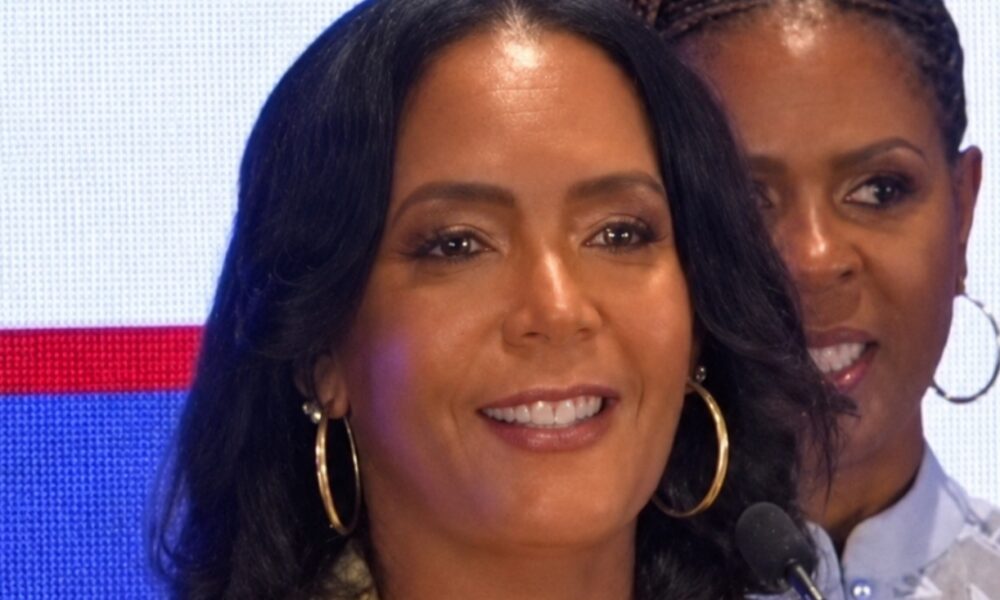
Keisha Lance Bottoms, adoptive mom, wins historic Georgia governor race.
She will become the nation’s first Black female governor.
Bottoms, a Democrat and former Atlanta mayor, captured 54% of the vote Tuesday night, defeating Republican health care industry leader Rick Jackson.
In a rarity among political races, both candidates have a personal relationship to the child welfare system.
Jackson is a former foster youth.
Bottoms is a former guardian ad litem and attorney representing children in juvenile court.
She is also an adoptive parent.
Bottoms adopted all four of her children.
Jackson cycled through five foster homes and a now-shuttered “orphan’s home” beginning at age 13.
The current governor, Republican Brian Kemp, is term-limited.
During her victory speech, Bottoms acknowledged her family’s slavery roots dating back to a Crawfordville plantation.
She said that plantation “produced the Confederacy’s vice president,” but now “your next governor.”
“No matter what community we come from, Georgia is not defined by one moment in time or one person,” Bottoms said during her speech.
“It’s been defined by us all, and I will be a governor for everyone in this state.”
Melissa Carter, director of Emory University’s Barton Child Law and Policy Center, called Bottoms’ victory “historic.”

Carter said “Georgia needs equally consequential change” to repair its child welfare system.
“The state faces serious financial and operational challenges that demand strong, competent leadership, fiscal transparency and an unwavering commitment to better,” Carter said.
As governor, Bottoms will oversee Georgia’s Division of Family and Children Services, which faces financial and operational challenges.
Speaking to supporters at her Cascade Road campaign office Wednesday, Bottoms basked in her victory as Georgia’s governor-elect.
“Y’all. It feels good to be a winner … This win is for all of us. So thank you, thank you, thank you, thank you,” Bottoms said.
Bottoms said working with state lawmakers across the aisle will be crucial in her first 100 days, particularly on broadening access to health care.
“I truly believe that this is an issue we can get bipartisan support with,” Bottoms said.
“I know that there are many Republican leaders who support Medicaid expansion.”
She noted other Republican-led states that have expanded Medicaid and could serve as examples.
“And given that there are even more people expected to drop their coverage under the ACA, we know that the need for access to health care is going to be even greater,” she said.
“So I’m an optimist. I think it will get done.”
Bottoms’ win is historic on several fronts.
She will become Georgia’s first Black governor and first female governor.
She is the first Black woman to serve as governor in the country.
She is also the first Democrat elected Georgia’s governor since 1998.
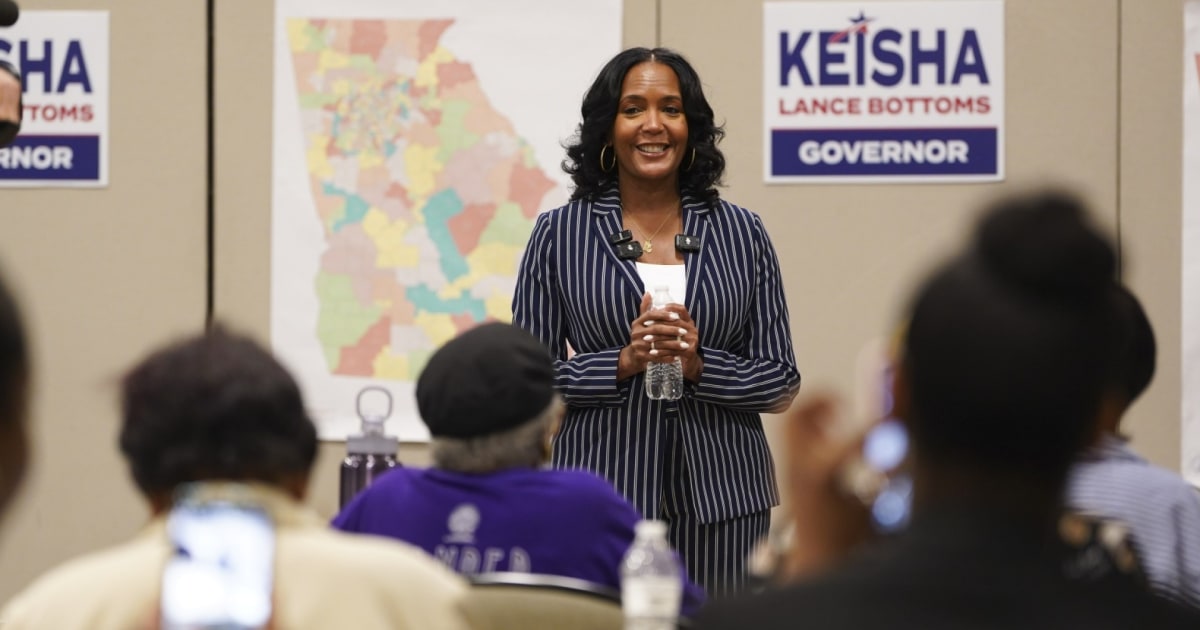
A fifth-generation Georgian, Bottoms previously served as Atlanta’s 60th mayor from 2018 to 2022.
During her administration, she led the city through the COVID-19 pandemic, nationwide protests over racial injustice and a period of significant economic and population growth.
Following her time as mayor, Bottoms served as a senior adviser in President Joe Biden’s administration before returning to Georgia politics to pursue the governorship.
Her campaign focused on expanding access to health care, strengthening public education, increasing wages and addressing the rising cost of living.
She also advocated for expanding Medicaid, raising Georgia’s minimum wage to $15 an hour and increasing compensation for teachers and other public employees.
Bottoms faced Jackson, a wealthy health care executive who invested heavily in his campaign and positioned himself as a political outsider.
The contest drew national attention as Democrats sought to flip a state that has been trending purple in recent election cycles.
Tanisha Cameron worked on Bottoms’ campaign for governor.
“We’re ecstatic, and it’s because Keisha went across the state talking to voters everywhere about her plans to expand Medicaid, to invest in education and to stand up to [President Donald] Trump,” Cameron said.
“And she really didn’t take a single voter for granted.”
Volunteers for Bottoms’ campaign said it was rewarding to see several other Black women win key offices alongside her.
State Rep. Tanya Miller, chair of the House Democratic Caucus, defeated state Sen. Brian Strickland in the race for attorney general.
In another high-profile race, Penny Brown Reynolds, a former Fulton County State Court judge, defeated state Rep. Tim Fleming in the race for secretary of state.
“This time, people were educated about the need to vote from the top to the bottom,” Sue Ross said.
“Don’t stop at Jon Ossoff and Keisha Lance Bottoms. Go all the way through.”
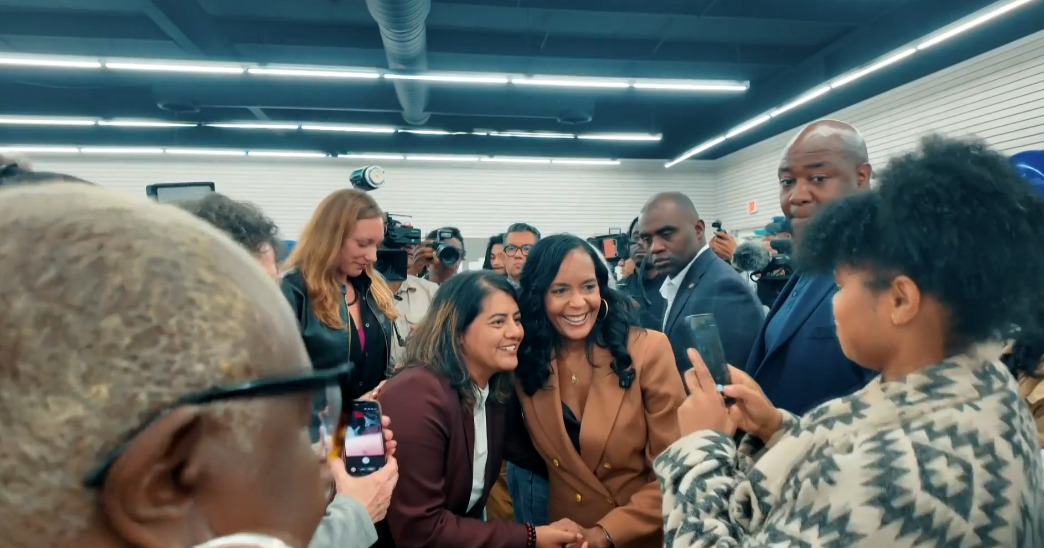
“It’s absolutely, what do they call, ‘just due’ when we worked so hard,” said Lisa Baker, another volunteer for Bottoms’ campaign.
“When we’ve carried so much. When we’ve always come to the aid or to the rescue of other folks, of other situations that we finally get a chance to show everybody why people rely on us so much.”
For generations, Black women have played a critical role in American democracy, organizing communities, leading movements, mobilizing voters and shaping public policy.
Yet despite their contributions, no Black woman had ever been elected governor of a U.S. state.
Until now.
Bottoms’ election also makes her the first woman and first Black person elected governor of Georgia, a state whose political history has been deeply shaped by slavery, segregation, the civil rights movement and the long struggle for equal representation.
Her victory carries particular significance in a state where Black women have been among the most influential forces in voter registration, political organizing and Democratic electoral success.
As governor, Bottoms will take office with a mandate that includes expanding Medicaid, a priority she outlined repeatedly during the campaign.
Medicaid is a joint federal and state program that provides health coverage to low-income adults, children, pregnant women, elderly adults and people with disabilities.
The Affordable Care Act, passed in 2010, allowed states to expand Medicaid eligibility to adults with incomes up to 138% of the federal poverty level.
As of 2026, 40 states and the District of Columbia have adopted Medicaid expansion, according to the Kaiser Family Foundation.
Georgia is one of the remaining states that has not expanded Medicaid under the ACA.
Bottoms has said she believes bipartisan support exists for expansion in Georgia, pointing to Republican-led states that have already done so.
The child welfare system in Georgia has faced chronic underfunding and high caseloads for years.
The state’s Division of Family and Children Services handles investigations of abuse and neglect, foster care placements, adoptions and support services for families.

Bottoms’ personal experience with the system — as a guardian ad litem, an attorney and an adoptive parent — gives her a perspective that few governors have brought to the role.
A guardian ad litem is a person appointed by a court to represent the best interests of a child in legal proceedings, often in cases involving abuse, neglect or custody.
Bottoms’ victory has drawn emotional reactions from civil rights figures.
Andrew Young, the former U.S. ambassador to the United Nations and a close associate of Martin Luther King Jr., broke down in tears discussing Bottoms’ historic win, according to CBS News.
Young served as a congressman from Georgia and as Atlanta’s mayor before becoming a key figure in the civil rights movement.
His emotional response underscored the weight of the moment for many who lived through the era of segregation and fought for voting rights.
The election also inspired calls for rapper Jeezy to remix his 2008 song “My President,” which originally celebrated Barack Obama’s election as the first Black president of the United States.
Jeezy’s song, featuring Nas, became an anthem of hope and change during Obama’s 2008 campaign.
The call for a remix reflects the sense of another barrier broken, this time with a Black woman at the helm of a state government.
Bottoms’ win represents a milestone that political observers say could reshape the political landscape in the South.
Georgia has been a battleground state in recent elections, with Democrats winning presidential contests there in 2020 and 2024.
The state’s growing and diversifying population, particularly in the Atlanta metro area, has shifted its political dynamics.
Bottoms will be sworn in as governor in January 2027.
Her administration will begin with a focus on Medicaid expansion, education funding and economic policy.
The question now is whether she can deliver on the promises that carried her to a historic victory.
For Georgia voters who supported her, the answer will determine whether this election was not just a symbol, but a turning point.
Advertisement
You may also like

Wembanyama’s monster night exposes the Mavericks’ biggest weakness.
Victor Wembanyama may have scored the most fantasy basketball points we'll see all season Wednesday against the Dallas Mavericks. The San Antonio Spurs center…

Korda wins Player of the Year, one point from Hall of Fame entry
Nelly Korda has clinched Rolex Player of the Year honors with three events remaining on the LPGA Tour schedule. The world No. 1 now…

Brad Bankenbush Closes Four Luxury Home Sales in Newport Beach
Brad Bankenbush has closed four recent luxury home sales across Newport Beach, Corona del Mar and Newport Coast. The transactions were led by the…
Fergie and Andrew Still Talk Daily, Rep Confirms
Sarah Ferguson and Andrew Mountbatten-Windsor still speak regularly, a spokesperson has confirmed. This revelation comes amid the ongoing investigation into their alleged ties with…
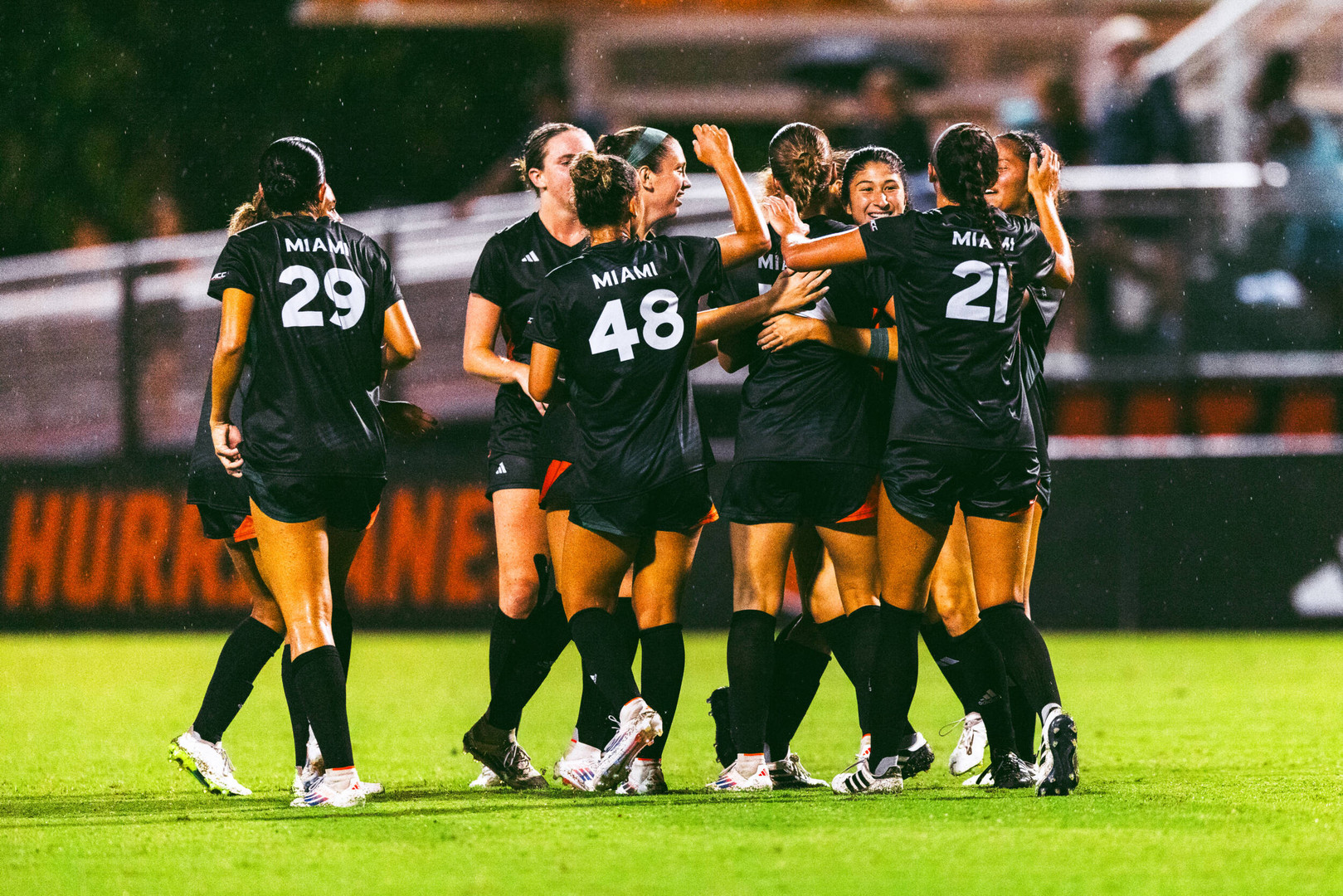
Courage Wins Finale But Misses NWSL Playoffs Again
The North Carolina Courage closed the 2026 NWSL season with a 1-0 victory over the Denver Summit on November 1. But the win was…
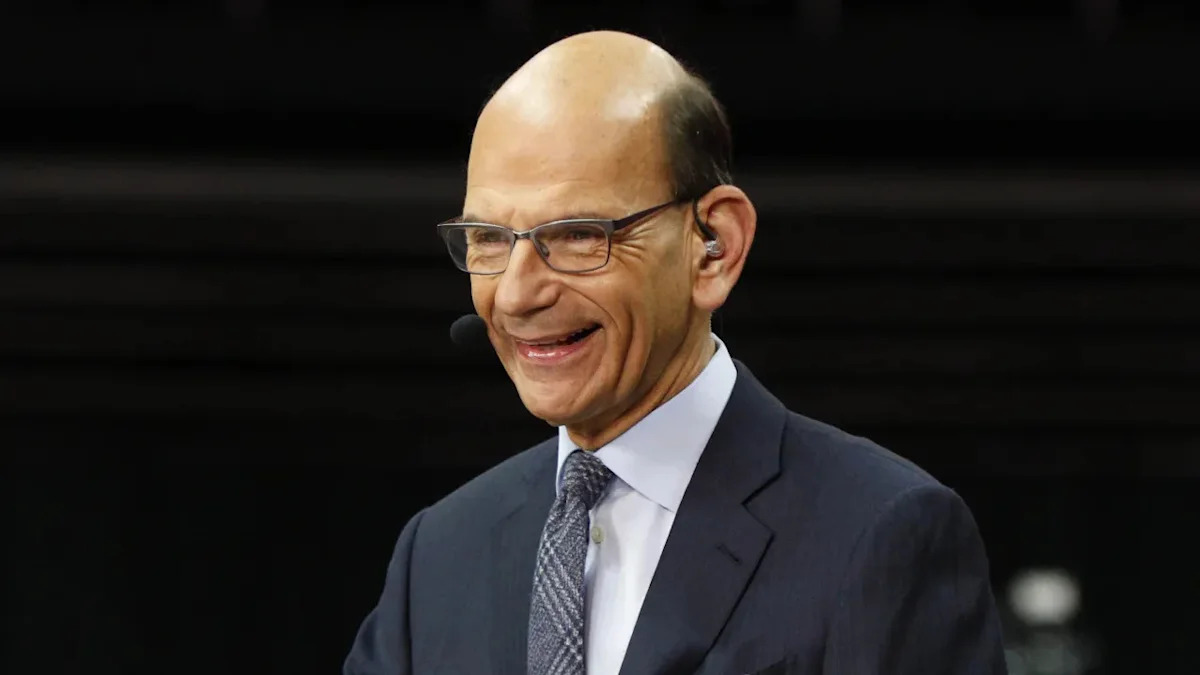
Finebaum rips 'drunk' CFP rankings over Alabama-Tennessee mess.
Paul Finebaum blasts College Football Playoff rankings over Alabama-Tennessee controversy. The ESPN analyst did not hold back during Wednesday's edition of Get Up. Finebaum…