LIV Golf collapses as stars face uncertain futures
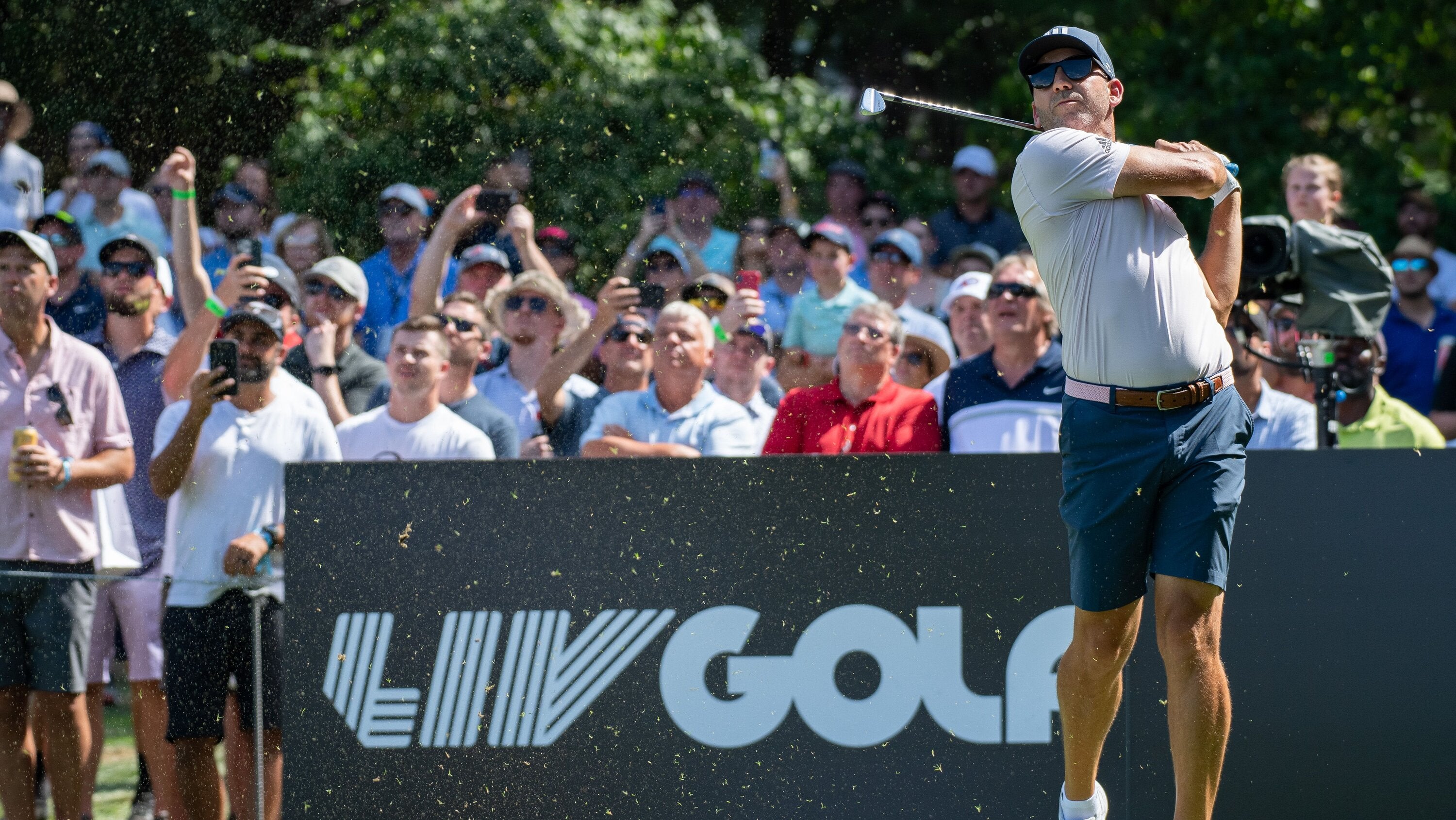
LIV Golf closes its doors: Exploring the disruptor league's legacy, sorting out futures of its stars.
Five years after launching with the promise of massive purses and a plan to punch a hole in professional golf, LIV Golf is shutting down for good.
The Saudi Arabia Public Investment Fund announced earlier this year that it would pull all funding after the 2026 season.
The fund had sunk more than $5 billion into LIV Golf since its launch in 2022.
LIV Golf filed for Chapter 11 bankruptcy protection in September 2026.
The league then attempted to find a path forward by relaunching as LIV 2.0.
That plan failed.
On Wednesday, word broke that BC Partners Credit decided to pull its planned $300 million investment in the relaunch.
BC Partners withdrew after the league failed to secure enough player commitments.
On Thursday, LIV Golf confirmed it would begin a wind-down of its operations at a previously scheduled hearing in New Jersey Bankruptcy Court.
LIV Golf attorney Matthew Williams told the court: "The debtors were ultimately unable to bring the key parties to a fully consensual arrangement that would have supported a financially viable LIV 2.0 league."
The league is expected to file a new Chapter 11 bankruptcy plan on Monday.
A source familiar with the situation told Axios that more than 30 players had signed onto the restructuring support agreement to participate in LIV 2.0.
BC Partners, however, felt it needed additional players to make the league viable.
Holdouts wanted more cash in lieu of equity.

The source suggested that the demand was driven by agents whose fees are only tied to cash earnings.
The restructuring agreement's deadline arrived last week and was briefly extended.
Saudi PIF did not want the deadline to extend indefinitely.
A BC Partners spokesperson said: "BC Partners Credit supported a transaction that aligned the interests of players and investors, offering a credible path toward building a sustainable future for LIV Golf. While there was great support for the league, we are disappointed that mutually acceptable terms could not be reached among the various stakeholders. We commend LIV Golf's management for their tireless efforts and thank the players who supported the future of LIV and engaged constructively throughout. We wish them every success as they continue their careers."
LIV Golf CEO Scott O'Neill said: "Building a global platform designed to bring new, younger, and more diverse fans to the sport of golf has been the round of a lifetime for all of us. LIV Golf was fun, demanding, inspiring, at times challenging — but always rewarding... We thank our partners at the PIF for their collaboration and support, and BC Partners Credit for its engagement throughout this process. We are also deeply grateful to our employees, board, advisors, and fans around the world, whose dedication, resilience, and belief made this remarkable journey possible."
Around half of BC Partners' investment was to come from co-investors.
It is unclear whether those co-investors would have moved forward with the existing roster.
Now, it is a moot point.
WHAT HAPPENS TO THE PLAYERS
The most immediate question is what happens to the stars who left the PGA Tour for LIV Golf's guaranteed riches.
Brooks Koepka defected from LIV Golf ahead of the 2026 season.
He accepted a one-time offer from the PGA Tour to return under penalty.
Koepka's deal included a $5 million charitable donation, ineligibility for the Player Equity Program for five years, and no FedEx Cup payouts in his first year back.
The PGA Tour termed his deal as "not precedent-setting."
The most notable free agents remaining are Jon Rahm and Bryson DeChambeau.
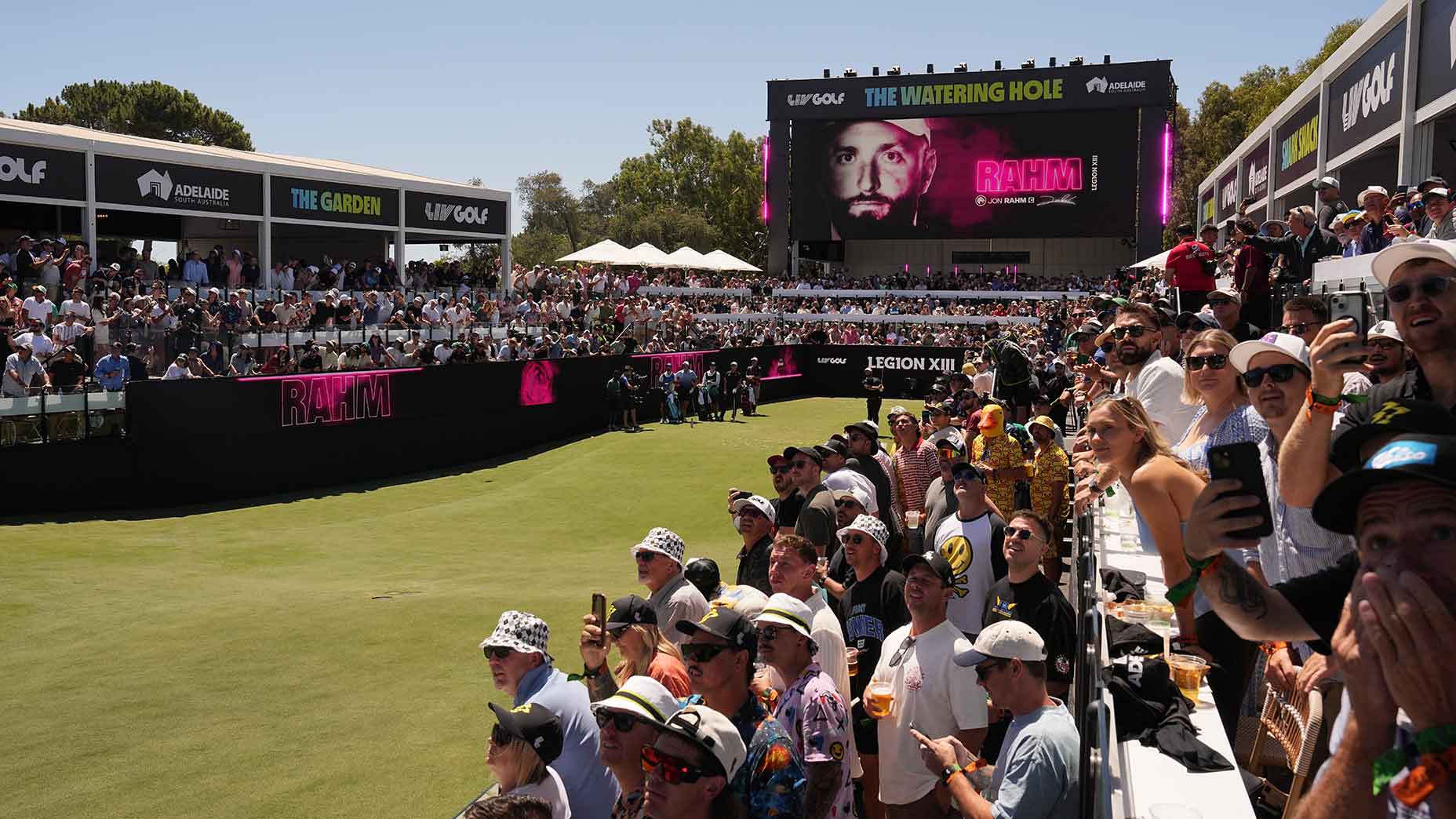
Both turned down the opportunity to leave LIV Golf alongside Koepka.
The PGA Tour has made clear that the same Returning Member Program will not be available to them.
Other notable players include Tyrrell Hatton, Joaquin Niemann, and Tom McKibbin.
Major names including Sergio Garcia and Patrick Reed have also reportedly walked away from the league.
Reed and Koepka had already departed after the expiration of their contracts.
A LIV Golf attorney told the bankruptcy court that the organization could not reach an agreement with key parties to establish a financially sustainable future.
The PGA Tour showed a willingness to work with top stars if they were willing to accept penalties as part of being brought back into the field.
But Rahm and DeChambeau turned down that opportunity.
THE LEGACY OF LIV GOLF
LIV Golf launched in 2022 with a mission to disrupt the professional golf ecosystem.
The league promised massive purses and attempted to poach the biggest names in the sport.
It succeeded in attracting several major champions with guaranteed money.
But the league never achieved financial sustainability.
Saudi Arabia's Public Investment Fund spent more than $5 billion on the venture.
LIV Golf's financial difficulties had been building for several months after Saudi Arabia withdrew its funding in April 2026.

The league's attempts to secure fresh investment and develop a new operating model struggled to gain momentum.
The league leaves behind a complicated legacy.
It forced the PGA Tour to increase prize money and change its structure.
It also fractured the professional golf landscape and created years of legal battles.
The PGA Tour and LIV Golf had been in merger talks that ultimately went nowhere.
WHAT COMES NEXT
LIV Golf is expected to file a new Chapter 11 bankruptcy plan on Monday.
The wind-down process will likely involve selling assets and paying creditors.
The players who remain under contract face uncertain futures.
Some may attempt to return to the PGA Tour.
Others may pursue opportunities on the DP World Tour or other circuits.
The PGA Tour has made clear that returning players will face penalties.
But the tour has also shown it is willing to work with top stars.
The bankruptcy court will oversee the final stages of LIV Golf's dissolution.
For the fans who embraced the league, the end comes as a surprise.
For critics who questioned its financial model, it was only a matter of time.
Either way, professional golf will look different in 2027.
Advertisement
You may also like

Bre Tiesi Slams Chrishell Stause Over G Flip Split
Bre Tiesi has taken aim at Chrishell Stause following her breakup from G Flip, questioning why the Selling Sunset star had been so interested…
Kourtney Kardashian Breaks Silence on Travis Barker Split Rumors
Kourtney Kardashian had an unexpected response to fresh rumors about her marriage to Travis Barker. Instead of rushing to deny claims that they lived…
Miami lands a crucial building block before the Notre Dame showdown.
The Miami Hurricanes got massive news ahead of their showdown with Notre Dame, and it’s a crucial building block for Mario Cristobal. Five-star wide…
Jon Rahm Says Yes to Brooks Koepka’s PGA Tour Return Deal
Jon Rahm once made it clear that Brooks Koepka's decision to return to the PGA Tour would not change his own plans. He was…
Rory McIlroy slapped with 2-stroke penalty at Abu Dhabi
Rory McIlroy incurred a two-shot penalty in the opening round of the Abu Dhabi Championship as his bid for a record-equalling eighth Race to…
Stephen A. Smith fires back at Adam Silver with a smarter NBA fix
Stephen A. Smith is pushing back hard on Adam Silver’s plan to cut NBA games from 48 minutes to 40. Instead, the ESPN star…