LIV Golf on the brink after major backers pull the plug
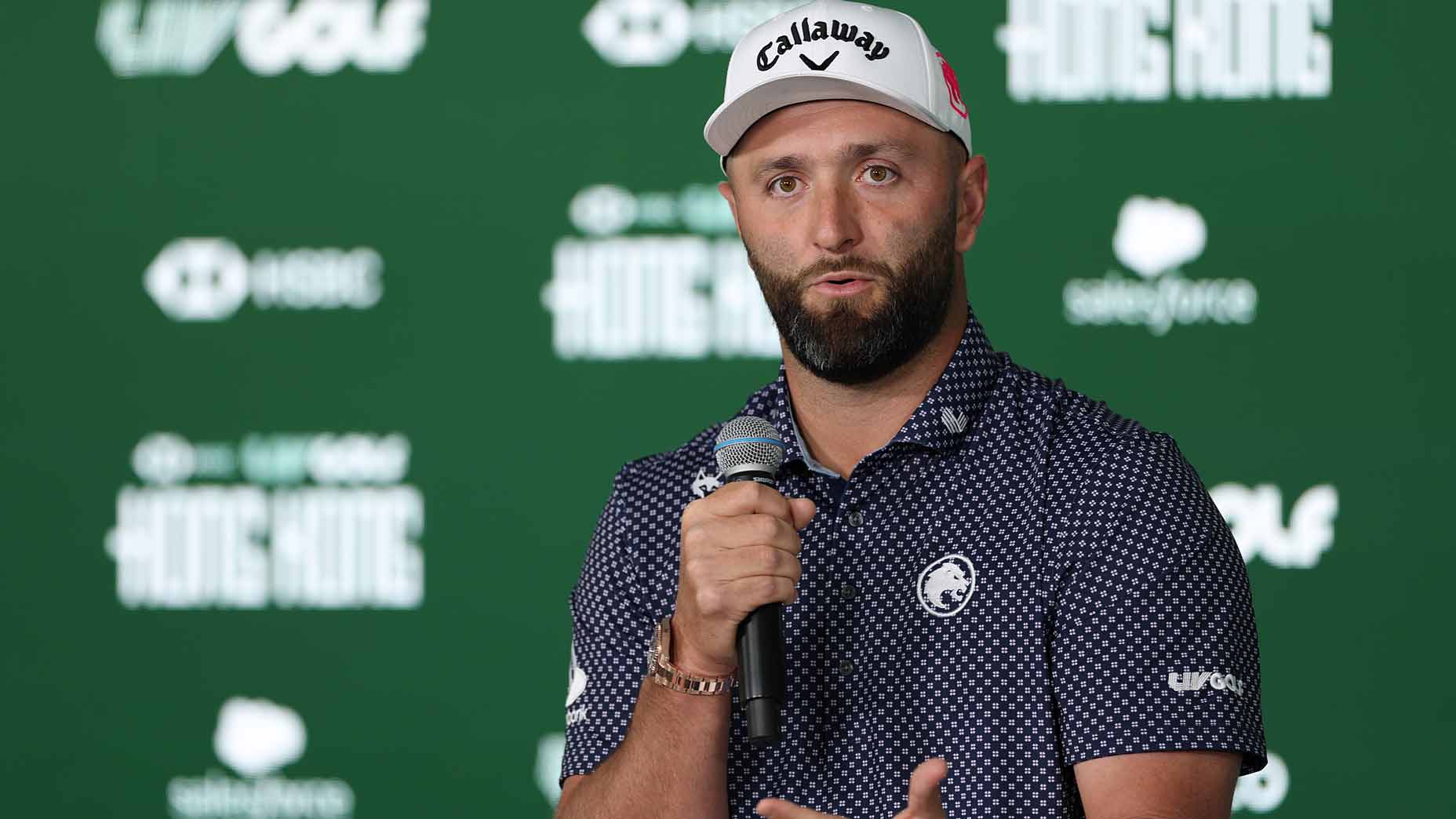
LIV Golf’s future suddenly in jeopardy after major financial setback.
The breakaway golf league announced it will begin winding down its operations after failing to secure the financial backing and player commitments needed to launch its proposed LIV 2.0 model.
An attorney representing LIV Golf told a U.S. Bankruptcy Court judge on Thursday, November 5, 2026, that the organization could not reach an agreement with key parties to establish a financially sustainable future.
“The debtors were ultimately unable to bring the key parties to a fully consensual arrangement that would have supported a financially viable LIV 2.0 league,” said LIV Golf attorney Matthew Williams.
As a result, the league will begin shutting down and is expected to file a new Chapter 11 bankruptcy plan on Monday.
The announcement marks a dramatic end for a league that launched in 2022 with the goal of disrupting professional golf by offering massive purses and poaching top talent from the PGA Tour.
Since its founding, Saudi Arabia’s Public Investment Fund poured more than $5 billion into LIV Golf.
That funding was withdrawn in April 2026, according to reports.
LIV Golf filed for Chapter 11 bankruptcy protection in September 2026.
The league then attempted to find a path forward by developing a new operating model called LIV 2.0.
BC Partners Credit had reached a tentative agreement to provide up to $300 million in funding for the relaunch.
That offer was withdrawn after the league failed to convince enough players to commit to its proposed future.

A spokesperson for BC Partners said in a statement: “BC Partners Credit supported a transaction that aligned the interests of players and investors, offering a credible path toward building a sustainable future for LIV Golf.”
The statement continued: “While there was great support for the league, we are disappointed that mutually acceptable terms could not be reached among the various stakeholders.”
The spokesperson added: “We commend LIV Golf’s management for their tireless efforts and thank the players who supported the future of LIV and engaged constructively throughout.”
According to a source familiar with the situation, more than 30 players had signed onto the restructuring support agreement to participate in LIV 2.0.
BC Partners, however, felt it needed additional players to make the league viable.
Holdouts wanted more cash in lieu of equity, with the source suggesting that demand was driven by agents whose fees are tied only to cash earnings.
Saudi Arabia’s Public Investment Fund did not want the deadline extended indefinitely.
The league has also suffered significant setbacks in its player roster.
Major names including Jon Rahm, Sergio Garcia and Tyrrell Hatton have reportedly walked away from the league.
Patrick Reed and Brooks Koepka had already departed following the expiration of their contracts.
Brooks Koepka defected from LIV Golf ahead of the 2026 season, accepting a one-time offer from the PGA Tour to return under penalty.
Koepka’s deal included a $5 million charitable donation, ineligibility for the Player Equity Program for five years, and no FedEx Cup payouts in his first year back.
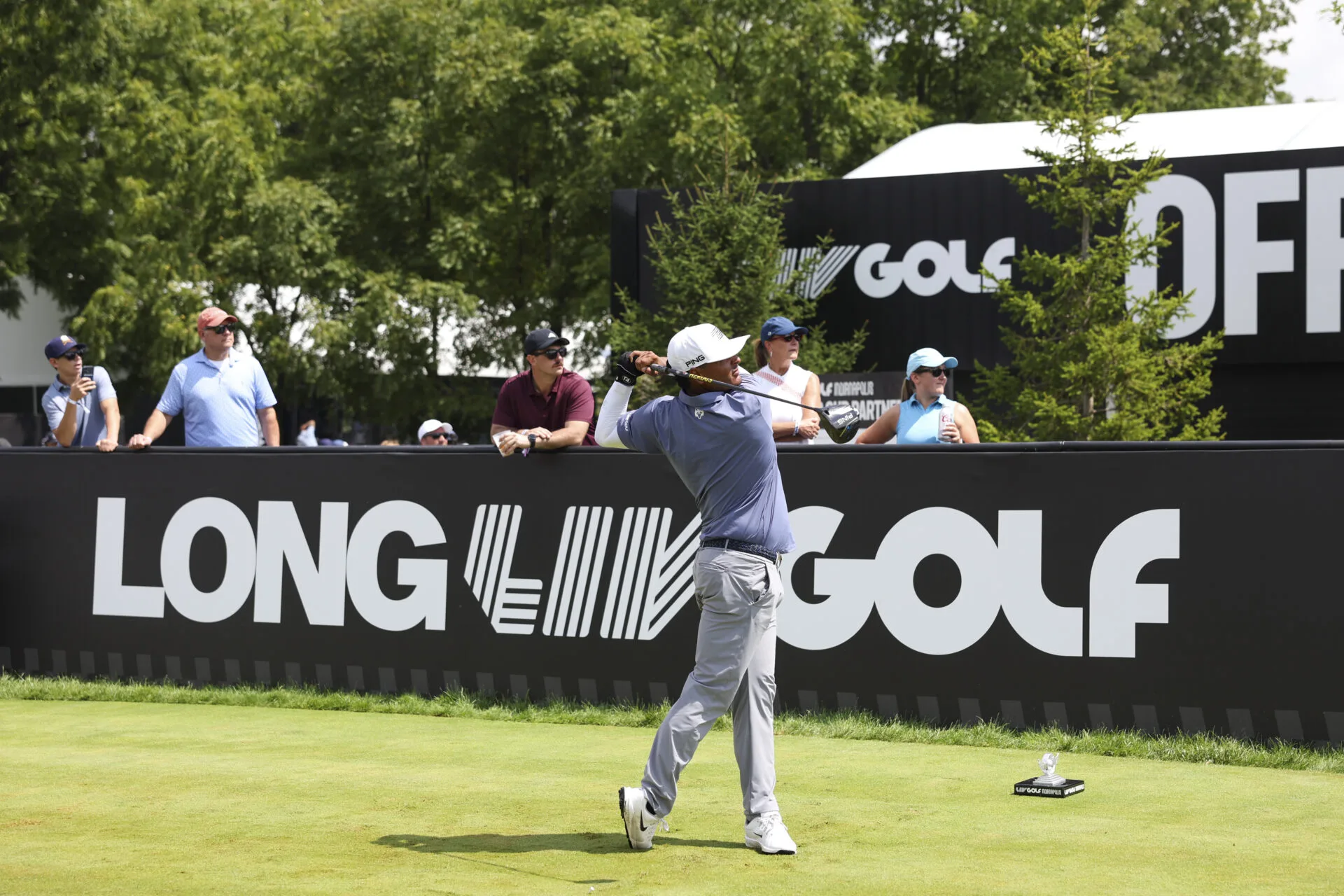
The PGA Tour termed that deal as “not precedent-setting.”
Jon Rahm and Bryson DeChambeau turned down the opportunity to leave LIV Golf alongside Koepka.
The PGA Tour has made clear that the same Returning Member Program will not be available to them.
LIV Golf CEO Scott O’Neill issued a statement on the league’s closure.
“Building a global platform designed to bring new, younger, and more diverse fans to the sport of golf has been the round of a lifetime for all of us,” O’Neill said.
“LIV Golf was fun, demanding, inspiring, at times challenging — but always rewarding,” he added.
O’Neill thanked the PIF for its collaboration and support, and BC Partners Credit for its engagement throughout the process.
He also expressed gratitude to the league’s employees, board, advisors, and fans.
The bankruptcy process will now determine what happens to the league’s remaining assets.
The futures of LIV Golf’s top players remain uncertain.
With Koepka already returned to the PGA Tour, the most notable free agents are Jon Rahm and Bryson DeChambeau.
Others like Tyrrell Hatton, Joaquin Niemann and Tom McKibbin also face uncertain futures.
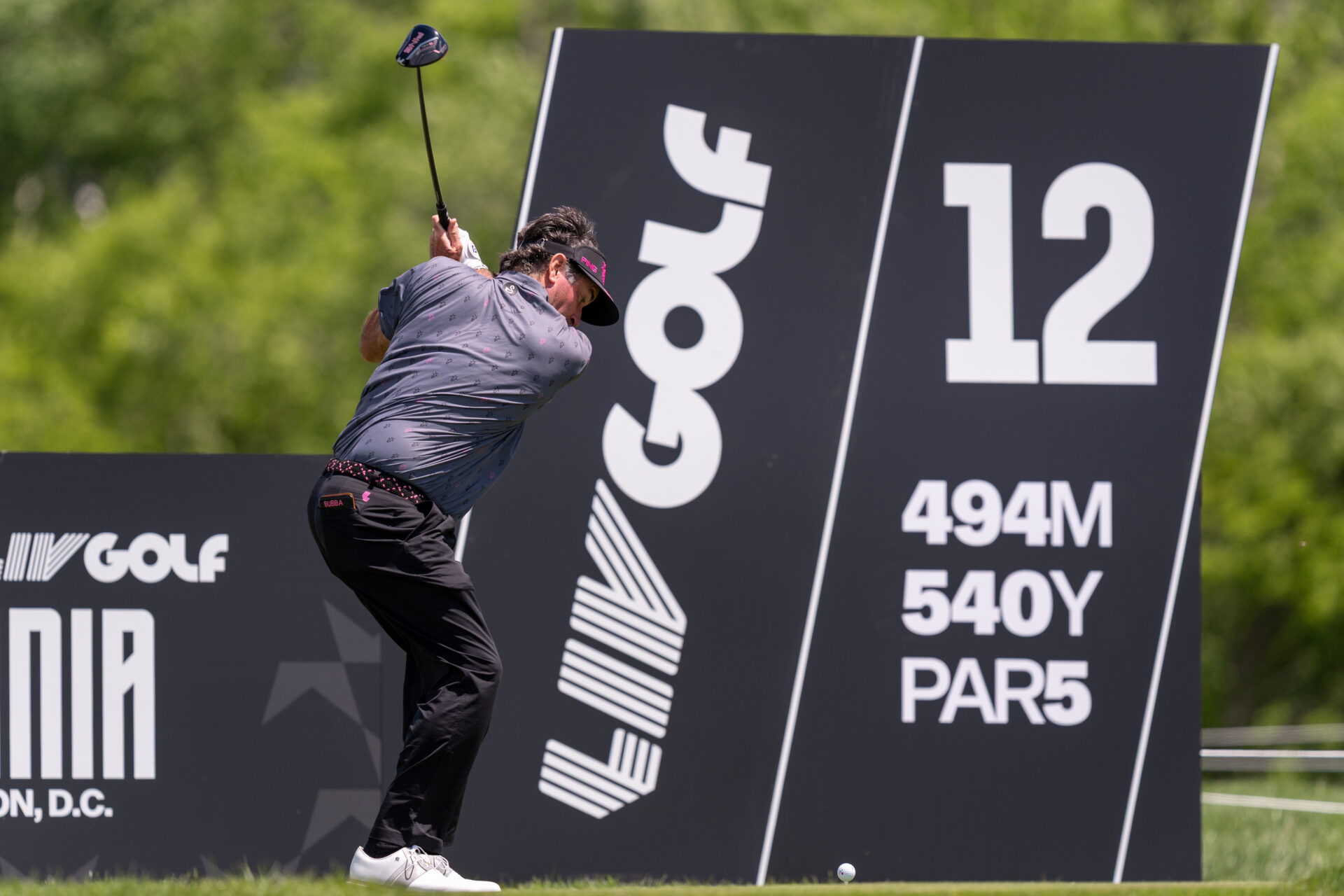
The PGA Tour has shown a willingness to work with top stars if they accept penalties for returning.
Whether Rahm or DeChambeau will seek such a return is unknown.
The collapse of LIV Golf marks the end of a five-year experiment that spent billions trying to reshape professional golf.
The league’s short stint as a disruptive force leaves behind questions about the sport’s future structure.
Around half of BC Partners’ investment was to come from co-investors, according to reports.
It is unclear whether those co-investors would have moved forward with the existing player roster.
Now, those questions are moot.
A hearing in New Jersey Bankruptcy Court on Thursday confirmed the league’s decision to begin winding down.
The league is expected to file a new Chapter 11 bankruptcy plan on Monday.
That plan will outline how the league’s remaining debts and obligations will be handled.
The Financial Times previously reported that approximately 30 players had committed to LIV Golf’s proposed new vision.
That number ultimately proved insufficient to secure the necessary funding.

The league’s attorney said in court that the organization could not reach the necessary agreements to proceed.
LIV Golf launched in 2022 with a promise to bring “golf but louder” to a new generation of fans.
The league offered unprecedented guaranteed contracts to lure stars away from the PGA Tour.
It also introduced a team format and 54-hole events with no cuts.
Despite the innovations and spending, the league struggled to gain mainstream traction and television ratings.
The Saudi Public Investment Fund’s decision to withdraw funding in April 2026 left the league scrambling for survival.
Chapter 11 bankruptcy protection was filed in September 2026.
The proposed LIV 2.0 model was meant to relaunch the league with a more sustainable financial structure.
That model included offering players equity in the league instead of guaranteed cash.
Many players and their agents balked at that structure, according to sources.
The deadline for the restructuring agreement arrived last week and was briefly extended.
When BC Partners withdrew its $300 million offer, the league’s fate was sealed.
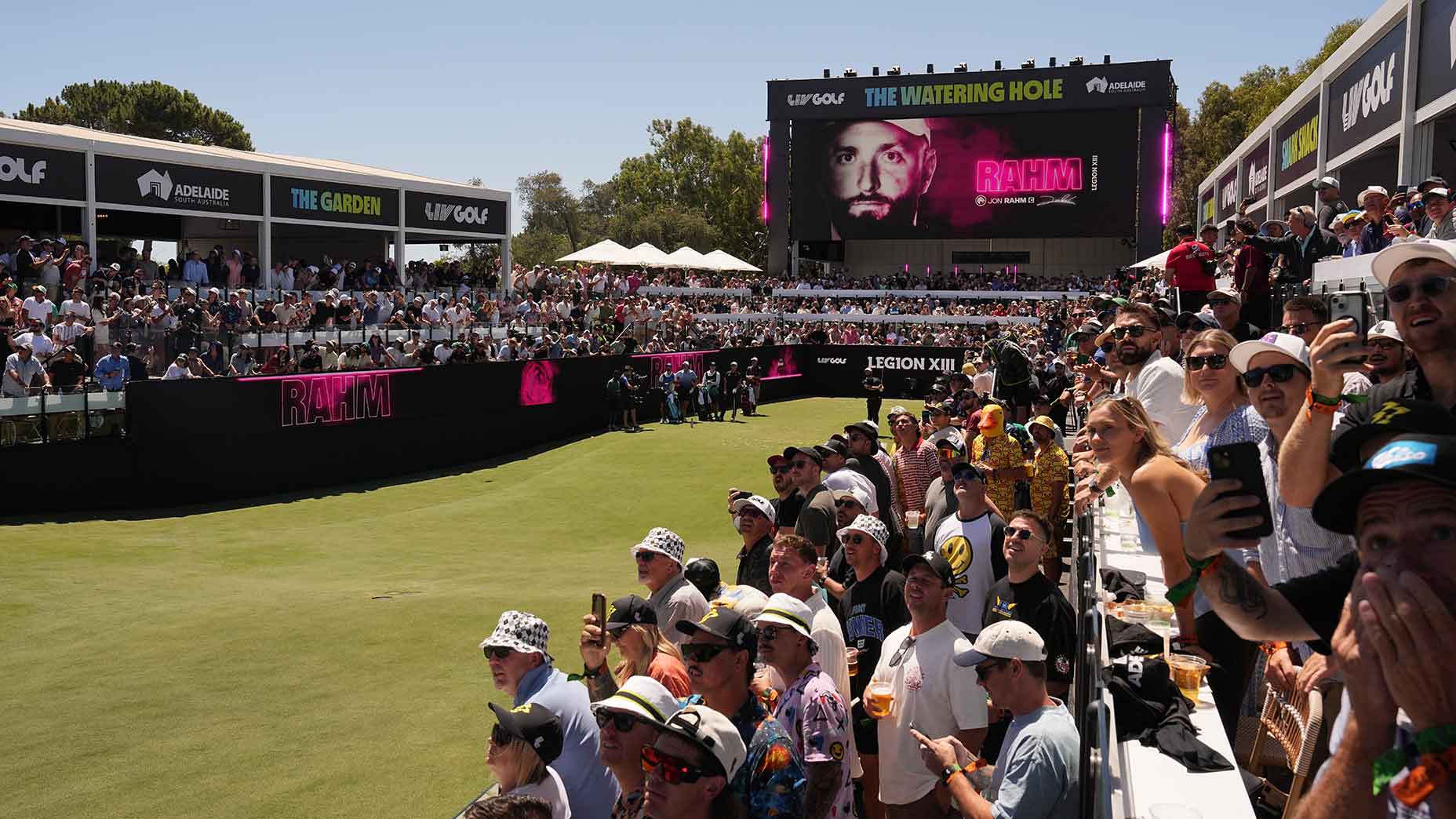
The league’s closure leaves a hole in the professional golf calendar.
Events that were scheduled for 2027 and beyond will not take place.
Sponsors who had signed on with LIV Golf now face uncertain recoveries.
The league’s employees are expected to be laid off as part of the wind-down process.
Rory McIlroy, a longtime critic of LIV Golf, has publicly slammed the breakaway league again in recent days.
McIlroy had previously been one of the PGA Tour’s most vocal defenders during the LIV Golf era.
His comments add to the sense of finality surrounding the league’s collapse.
The full impact of LIV Golf’s closure on the broader golf world remains to be seen.
The PGA Tour will likely absorb many of the league’s top players through its returning member program or other mechanisms.
Some players may pursue opportunities on the DP World Tour or other circuits.
Others may face the end of their professional careers at the highest level.
The Chapter 11 process will provide more details in the coming weeks and months.
For now, the league that promised to change golf forever is closing its doors for good.
Advertisement
You may also like
Love Island USA hunts for Memphis singles in Season 9 casting call
Love Island USA is casting in Memphis for the first time in the show’s history. Producers are looking for singles from the Bluff City…
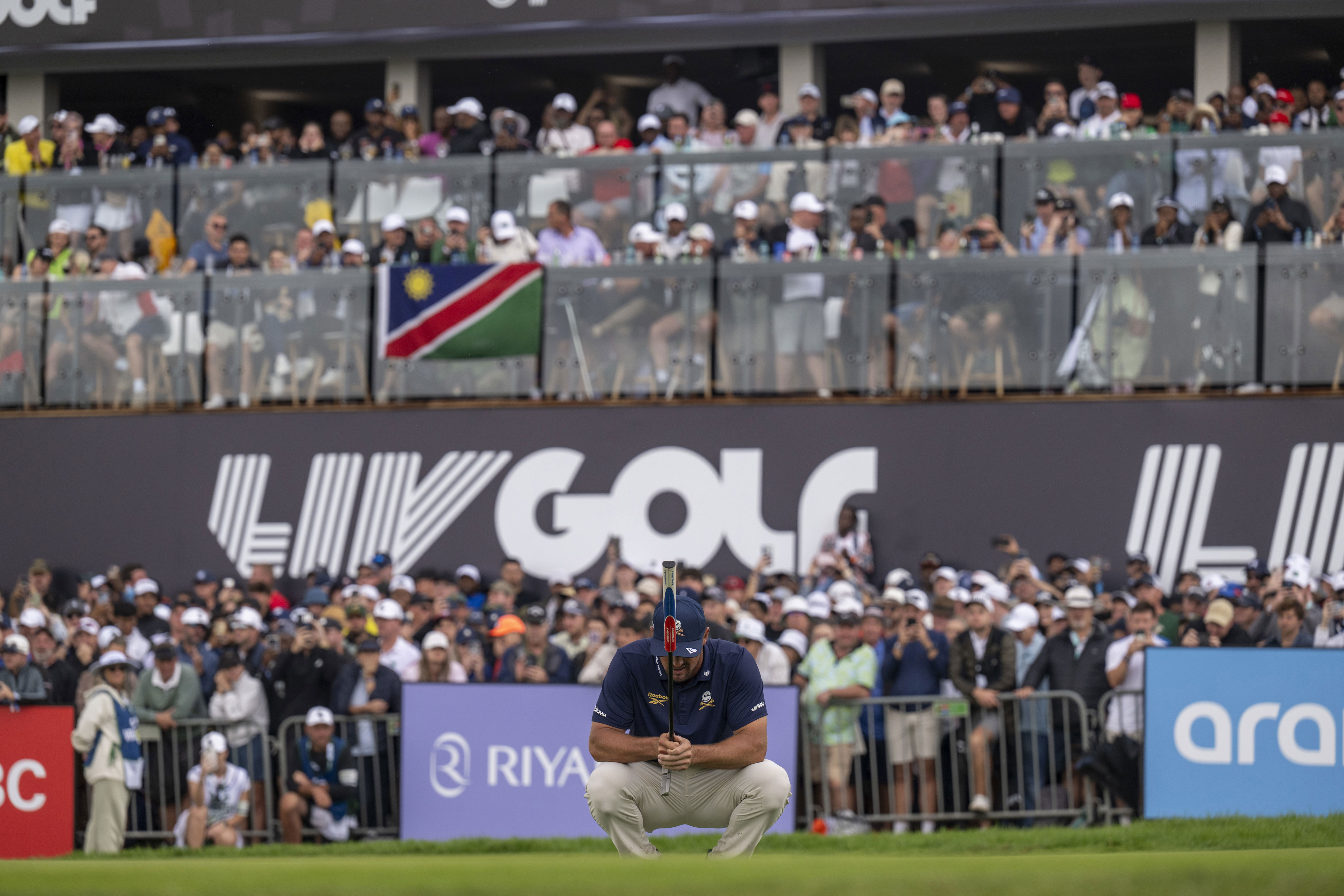
LIV Golf CEO confirms shutdown after failed PGA Tour challenge
LIV Golf is officially shutting down. The professional men’s golf tour, founded in 2021 as a direct competitor to the PGA Tour, announced it…
Luke Bryan and Megan Moroney to Headline 2027 Coastal Country Jam
Coastal Country Jam is returning to its original home. The beachside country music festival will take place on Saturday, May 22, and Sunday, May…
Udonis Haslem reveals LeBron James is surprisingly frugal
Udonis Haslem called LeBron James surprisingly frugal during a recent conversation. The two were teammates for four years on the Miami Heat superteam from…
Oscar Piastri Reacts to Alan Jones’ Death After F1 Legend’s Wife Confirms News
Alan Jones, Australia’s 1980 Formula 1 world champion, has died at the age of 80. His wife, Amanda Butler-Davis, confirmed the news on November…
Chinese AI DeepSeek Calls Mbappé Mao Claim "Fake News
Thibaut Courtois still disappointed for Kylian Mbappé. The Belgian goalkeeper spoke to Canal+ after Real Madrid's 3-2 win over AEK Athens on Wednesday. He…