Martin O'Neill Fiercely Defends Auston Trusty's Leave, Blasting Outside Criticism as Poor Taste
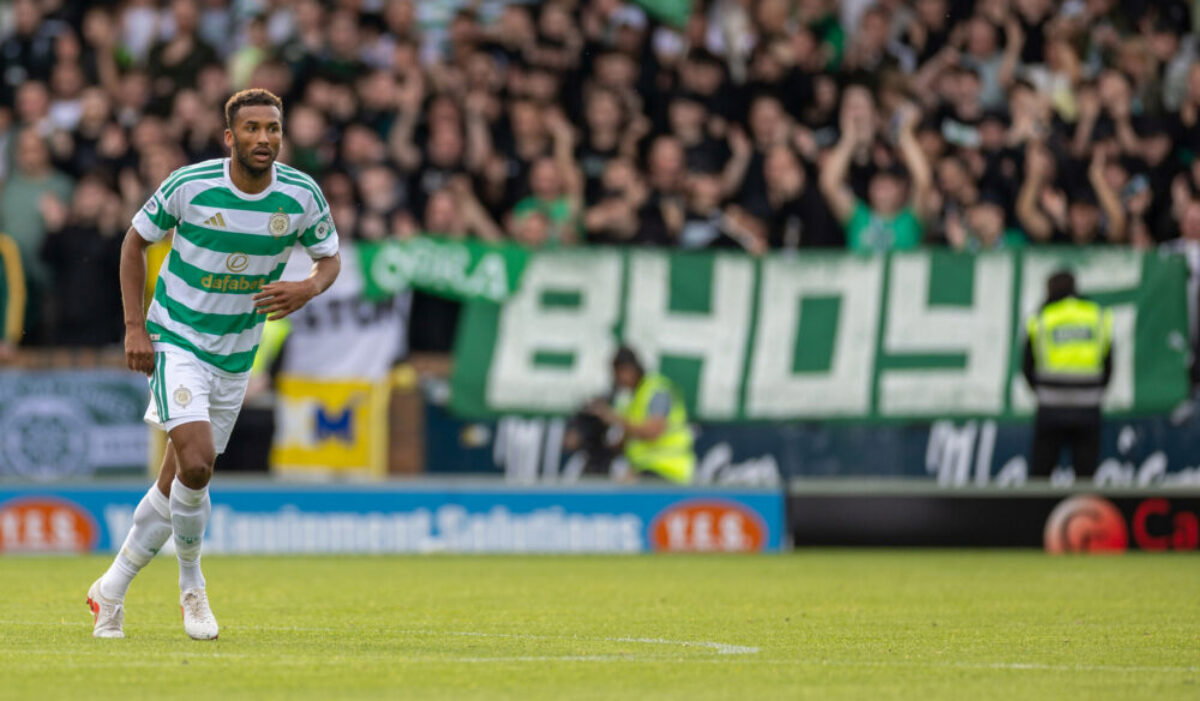
Celtic boss Martin O'Neill condemned former player Frank McAvennie's comments, confirming that USMNT defender Auston Trusty has the full support of the club to take all the time he needs following the death of his father.
The Celtic manager did not hold back when asked about the outside commentary surrounding his central defender.
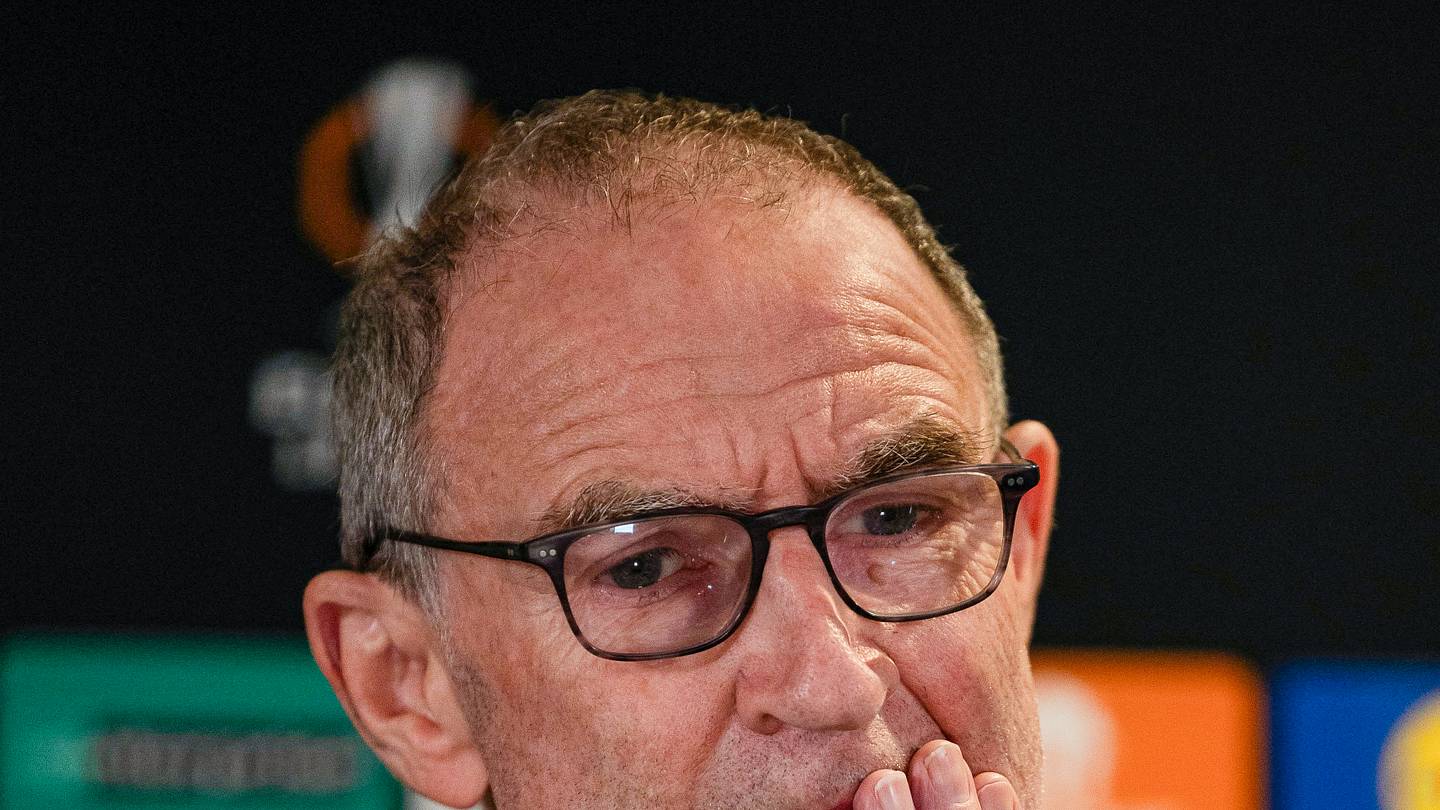
Speaking at his pre-match media conference, O'Neill made his feelings unmistakably clear to everyone in attendance.
He directly addressed the remarks made by McAvennie regarding the American international's compassionate leave.
"That’s really poor taste. That’s really poor."
Those seven words set the tone for an emotional and firm defense of a grieving player.
O'Neill acknowledged that public figures often say things they regret, but insisted personal loss must remain off limits.
"I know I’ve said some things and ended up backtracking but that’s a family bereavement," O'Neill explained.
He stressed that nobody on the outside has the right to dictate how a person handles heartbreak.
"And that’s making someone’s mind up about how long they should be grieving and stuff like this here," the manager stated.
"That’s not on."
AN UNCOMPROMISING STANCE ON GRIEF
Trusty has missed Celtic's recent run of fixtures following the passing of his father.
The defender's father had been dealing with serious medical difficulties prior to his death.
"Trusty asked me for some time," O'Neill revealed when discussing the communication between player and manager.
"Even if it’s a celebration, it doesn’t matter."

O'Neill provided context on the heavy emotional burden the defender carried before the loss occurred.
"The father had been in poor health for quite some considerable time," O'Neill said.
"And I know there was a stage where he thought that he wasn’t going to see it through but I’m with Trusty the whole way there."
To underline his perspective, the veteran manager shared his own personal experience with profound loss.
"Because I wouldn’t want anybody to tell me that I had to grieve over a brother or sister dying," O'Neill admitted.
"And I’ve had that."
He recognized the deep impact the tragedy has had on the young American center-back.
"He’s taken it badly," the manager noted honestly when discussing the player's current frame of mind.
"I’ve afforded him all the time he wants."
O'Neill emphasized that football will naturally wait until the defender is genuinely ready to return.
"At some stage, obviously, he’ll be going to come back," O'Neill continued.
"But at the end of the day, I’ve given that time because I know that we might be talking about different eras or whatever the case may be."
"That’s nothing to do with it."
"This is a family thing."
"And that’s not right."
The manager then delivered a definitive conclusion regarding the club's unified stance.

"Trusty has got the time and he’s got the backing of myself and he’s got the backing of the club."
PODCAST COMMENTS SPARK OUTRAGE
The controversy began following Celtic's recent domestic clash against Falkirk.
Former Celtic striker Frank McAvennie discussed the match on his video podcast, titled Let Me Be Frank.
The show was recorded and subsequently published to YouTube for public viewing.
During the episode, McAvennie offered strong criticism of Celtic's on-pitch display against Falkirk.
The conversation then shifted in an unexpected and sharp direction when Trusty's absence was raised.
Trusty had briefly returned to club training after his father's death before receiving further leave.
O'Neill had granted him additional time off over the weekend so he could travel home to the United States.
The purpose of that journey was to attend a celebration of his father's life with family.
McAvennie openly questioned the arrangement on the broadcast.
He asked on the show how much time off the defender needed to take.
Co-host Simon Houston immediately pushed back against McAvennie's criticism.
Houston tried to defend Trusty by reminding the former forward that every human being processes grief differently.
McAvennie rejected that explanation during the discussion.
He hit back at Houston by dismissing the concept of individual grieving processes as part of the woke generation.
THE BACKLASH AND THE APOLOGY
The reaction across the Celtic fan base was immediate and fiercely negative.
Supporters expressed outrage online that a former player would publicly scrutinize an active squad member's bereavement leave.
As the backlash grew intense across social media and fan forums, McAvennie found himself under immense pressure.
He was forced to issue a public statement to address the fallout from the episode.
His initial statement acknowledged that his remarks on the podcast could be perceived as offensive.
However, supporters widely criticized that first message, viewing it as insufficient and defensive.
The escalating criticism compelled McAvennie to release a second statement the following day.
In his second message, McAvennie acknowledged that his previous attempt was not good enough and offered a formal apology.
COMPASSION VERSUS OUTDATED ATTITUDES
McAvennie had spent 18 months leading the line for Celtic in the late nineteen-eighties.
He played a prominent role in the celebrated squad that captured the Scottish league and cup double during the 1987-88 season.
His subsequent transfer back to English club West Ham United damaged his relationship with the Celtic support.
That fracture between the former forward and sections of the fan base has endured for decades.
While many footballers from that era step away from public life, McAvennie has sought a media career as a podcaster.
In the digital era, sports podcasts frequently rely on contentious takes to generate attention, clicks, and subscriber numbers.
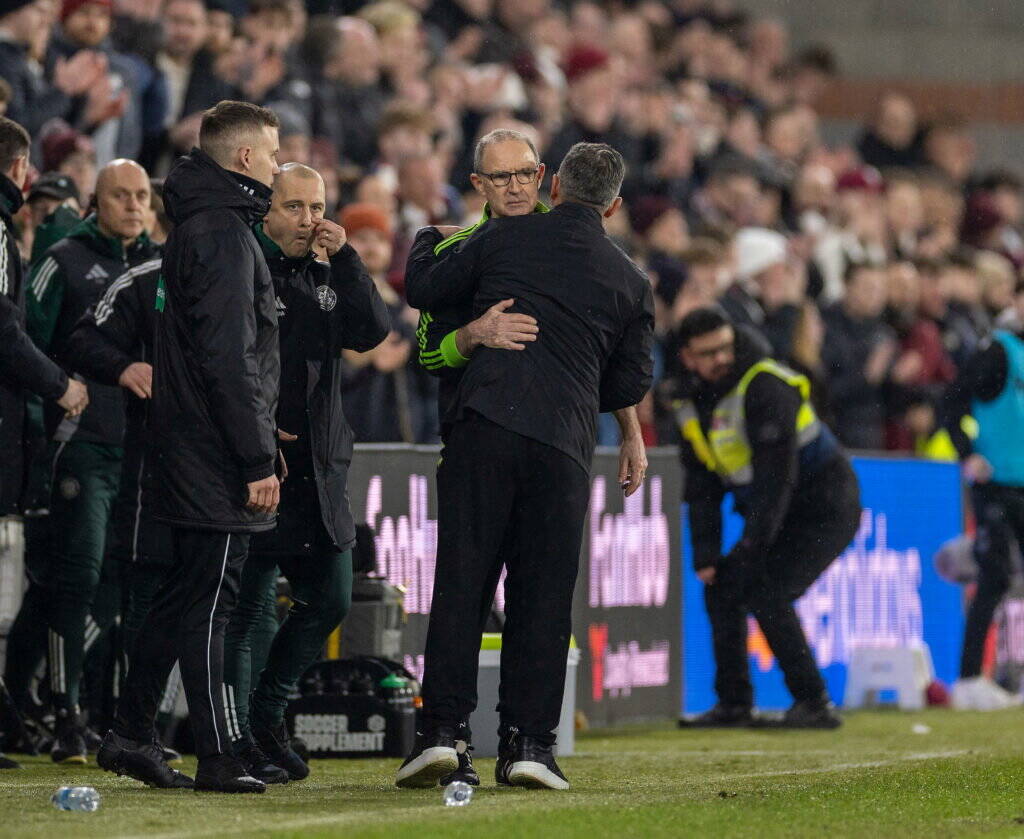
Yet O'Neill's sharp response indicated that this particular podcast commentary crossed an unacceptable line.
Compassionate leave in professional athletics is designed to grant athletes space away from high-stress competition.
Modern sports organizations increasingly recognize that unresolved personal trauma severely hinders an athlete's mental and physical health.
Allowing players to step away for family funerals and celebrations of life has become standard practice throughout global football.
O'Neill's management career has long been noted for its emphasis on understanding the human side of his players.
By rejecting generational comparisons, the manager reaffirmed that empathy must override outdated dressing-room mentalities.
LOOKING AHEAD ON THE PITCH
Celtic must navigate their demanding schedule while their American defender remains with his family.
Trusty was ruled out of the club's Europa League fixture against Turkish side Besiktas.
The manager confirmed Trusty's continued absence the day before that continental match took place.
O'Neill made it clear that competitive results will not influence the timeline of the player's compassionate leave.
No date has been established for when the USMNT defender will rejoin squad training in Glasgow.
The club has granted him indefinite leave to ensure he can properly support his family and process his loss.
Celtic's leadership has closed ranks around Trusty to ensure outside distractions do not intrude on his private grieving.
The overwhelming consensus among supporters remains aligned with the manager's firm, compassionate leadership.
How important is it for managers to publicly stand up for their players' personal well-being the way Martin O'Neill did for Auston Trusty?
Advertisement
You may also like
Perez’s $100M Cadillac Deal Is His F1 Swan Song
Nobody outside TWG, General Motors and a few lawyers can say whether a slice of Cadillac's Formula 1 team is actually being shopped. Nothing…
WrestleMania 9's Most Controversial Title Win Explained
Mark Jindrak credits Vince Russo with giving him the WCW television time that helped him land in WWE. Speaking with Bryan Asbury on Developmentally…
Alcaraz Advances to Paris Quarters After Berrettini Withdraws
Carlos Alcaraz advanced to the Paris Masters quarterfinals on Thursday without hitting a single ball. His third-round opponent, Matteo Berrettini, withdrew just before their…
Radio feud erupts over Lions star Jack Campbell's collapse coverage
Feud Emerges at Lions Flagship Radio Over Jack Campbell Coverage. A heated on-air dispute has broken out between two hosts at 97.1 The Ticket,…
East Boston Latinos Just Made History — Here’s Why They Voted
East Boston Latinos turned out in force on November 3, 2026, driving a historic election that reshaped control of Congress. Nationally, Democrats won both…
Peter Flaherty III Lands Pro Scouting Job with Washington Nationals
Peter Flaherty III, a 28-year-old Belmont native, has joined the Washington Nationals as Northeast Area Supervisor for Amateur Acquisitions. The role puts him in…