Olympic medalist banned through 2028 after dangerous driving charge.
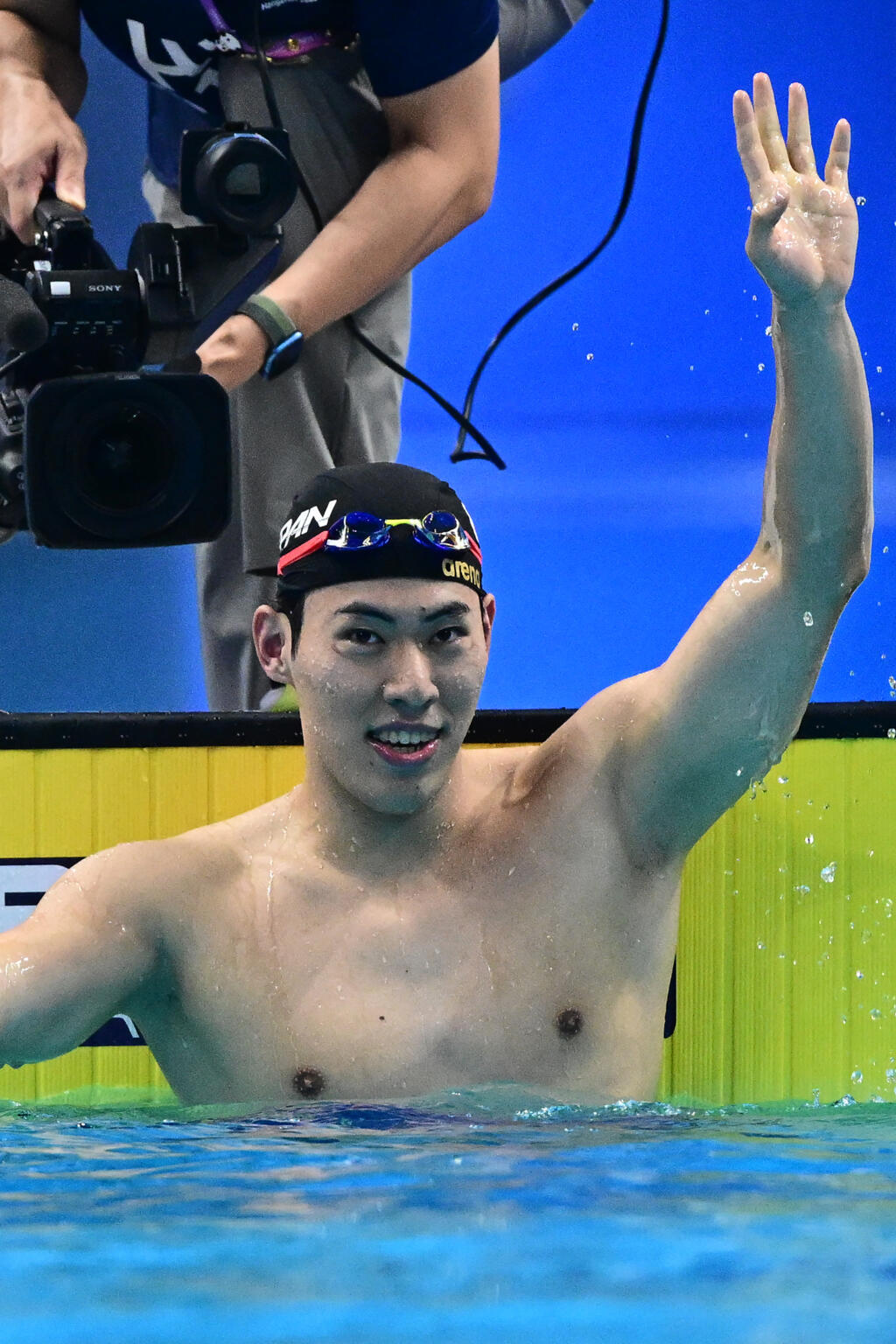
Japan’s Tomoru Honda has been banned from competitive swimming until August 2028.
The 21-month suspension, handed down by the Japan Swimming Federation (JASF) on November 4, 2026, effectively eliminates the Olympic silver medalist from the 2028 Los Angeles Games.
Honda, 24, was involved in a high-speed car crash in Tokyo in November 2025.
According to the indictment, he drove between 88 km/h (55 mph) and 108 km/h (67 mph) in a 30 km/h (18 mph) zone.
He failed to negotiate a curve, swerved into the opposite lane, and collided with an oncoming vehicle.
The driver of the other car suffered injuries in the crash.
The JASF described the incident as “dangerous, reckless and malicious” in its disciplinary proceedings.

Honda received a one-year prison sentence, which was suspended for three years, stemming from the driving offense.
The federation’s Executive Board met on Wednesday, November 4, 2026, to discuss disciplinary action.
They decided to suspend Honda’s registration status for 21 months under Article 4 of the Federation’s Disciplinary Regulations.
The suspension takes effect once the federation confirms Honda has received the official disciplinary notice, which was mailed on Thursday.
Federation officials stated the decision will not be changed.
Honda earned silver in the men’s 200m butterfly at the 2020 Olympic Games, which were postponed to 2021 due to the COVID-19 pandemic.
He is the reigning world record holder in the short course meters (SCM) version of the 200m butterfly.
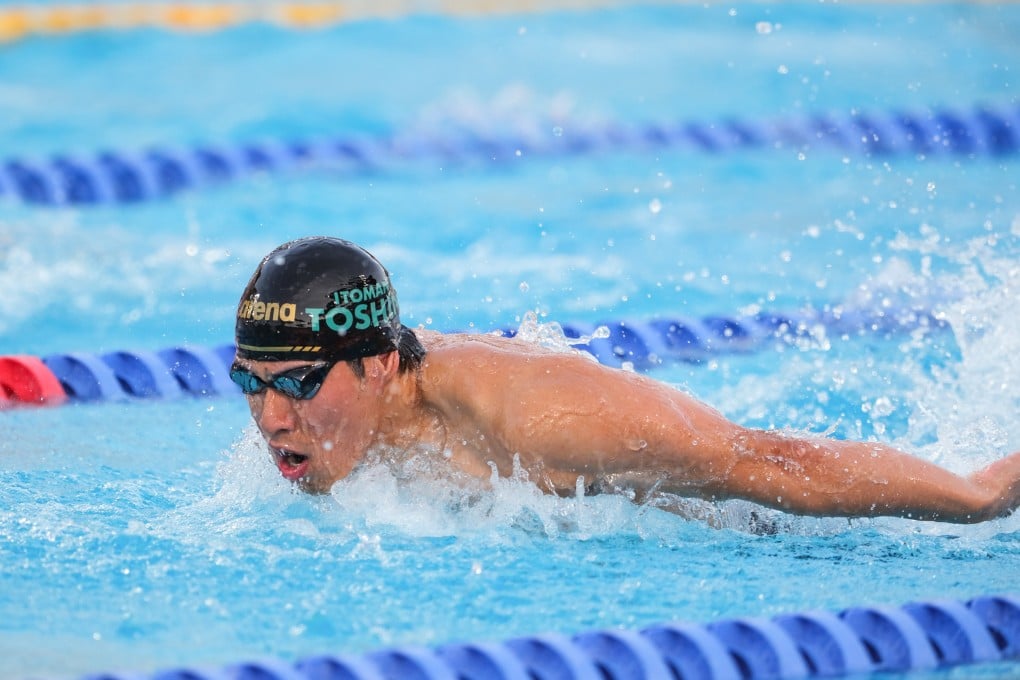
At the 2024 Olympic Games, he finished in a disappointing 22nd place in the same race.
He had won gold at the 2024 World Championships.
The two-week Los Angeles Olympics start on July 14, 2028.
Honda was already removed from the Pan Pacific Championships and Asian Games rosters following the incident.
The JASF issued a statement saying, “The Federation takes this incident very seriously and will continue to thoroughly implement compliance education to prevent recurrence and restore trust.”
Honda’s ban marks one of the most significant disciplinary actions taken by the JASF against a high-profile athlete in recent years.
Swimming federations around the world have varying policies on off-field conduct, but dangerous driving charges have historically led to suspensions in many sports.
In the United States, for example, Olympic athletes have faced bans for similar offenses under the SafeSport framework, though the specific rules differ by governing body.
The 21-month duration of Honda’s ban is notable because it extends beyond the next Olympic Games, a timeline that federation officials explicitly acknowledged.
Honda’s absence from the 2028 Games leaves a gap in Japan’s men’s butterfly program, which had been built around his medal potential.
Japan has a strong tradition in men’s swimming, with athletes like Kosuke Hagino and Daiya Seto earning multiple Olympic medals.
Honda’s 200m butterfly silver in 2020 was part of that legacy, and his world record in the SCM event had marked him as one of the sport’s rising stars.
The crash occurred in Tama, a suburb in western Tokyo, on the morning of November 21, 2025.
Witness accounts and police reports indicated that Honda was driving well above the posted speed limit before losing control.
The suspended prison sentence means Honda will not serve jail time unless he commits another offense within the three-year probation period.
But the JASF’s ban is separate from the criminal penalty and imposes a professional cost that goes beyond the court’s ruling.
Honda has not publicly commented on the ban as of this writing.
The federation’s statement did not include any remarks from the swimmer or his representatives.
It remains unclear whether Honda plans to appeal the decision through legal channels or accept the suspension.
Under JASF rules, a suspension of registration means Honda cannot compete in any federation-sanctioned events, including national championships, international meets, or the Olympics.
He also cannot train with federation-affiliated facilities or receive support from the national team program during the ban.

The 2028 Los Angeles Games will proceed without one of Japan’s most decorated current swimmers.
What happens to Honda’s career after the ban lifts in August 2028 remains an open question.
He will be 26 years old when the suspension ends, still young enough to compete at the 2032 Olympics if he chooses to return.
But the gap in competition and training could affect his performance at the highest level.
The JASF’s emphasis on “compliance education” suggests the federation is trying to send a broader message about athlete conduct.
Dangerous driving incidents involving athletes have drawn increasing scrutiny in Japan, where traffic laws are strictly enforced and public figures face heightened accountability.
Honda’s case is likely to be cited as a precedent in future disciplinary actions by the JASF.
For now, the Olympic medalist’s path to Los Angeles is closed.
The full details of the crash and the federation’s reasoning are laid out in the official disciplinary notice and the court documents from his criminal case.
Advertisement
You may also like
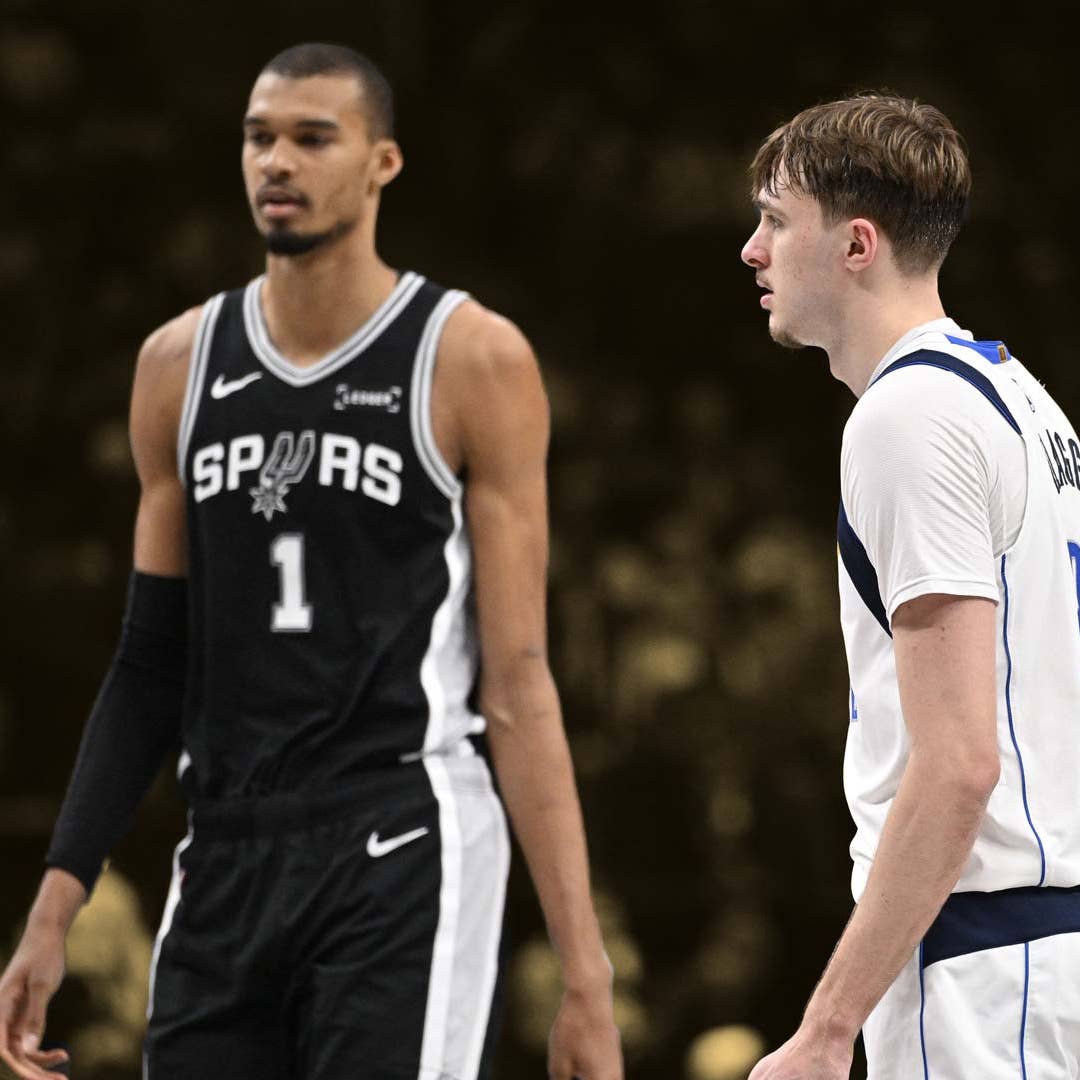
Victor Wembanyama’s 52-point game sparks Wilt Chamberlain comparisons
Victor Wembanyama draws Wilt comparison after 52-point game. On Wednesday night, the San Antonio Spurs center did something no NBA player has done since…
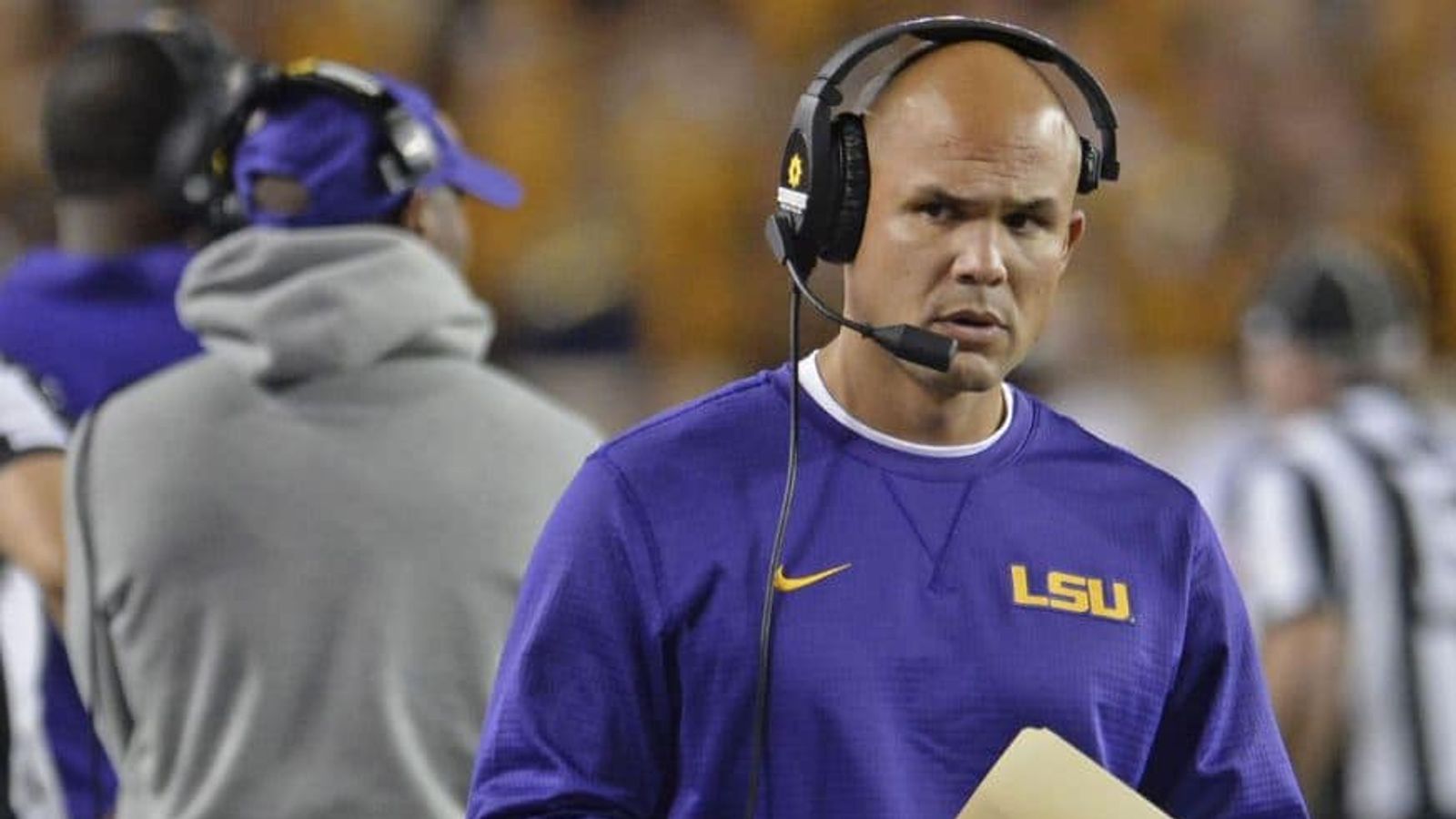
Lane Kiffin reportedly adding a former Baylor head coach to LSU staff.
Former Baylor head coach Dave Aranda is reportedly joining Lane Kiffin's staff at LSU. CBS Sports reported the move on Wednesday, citing sources familiar…
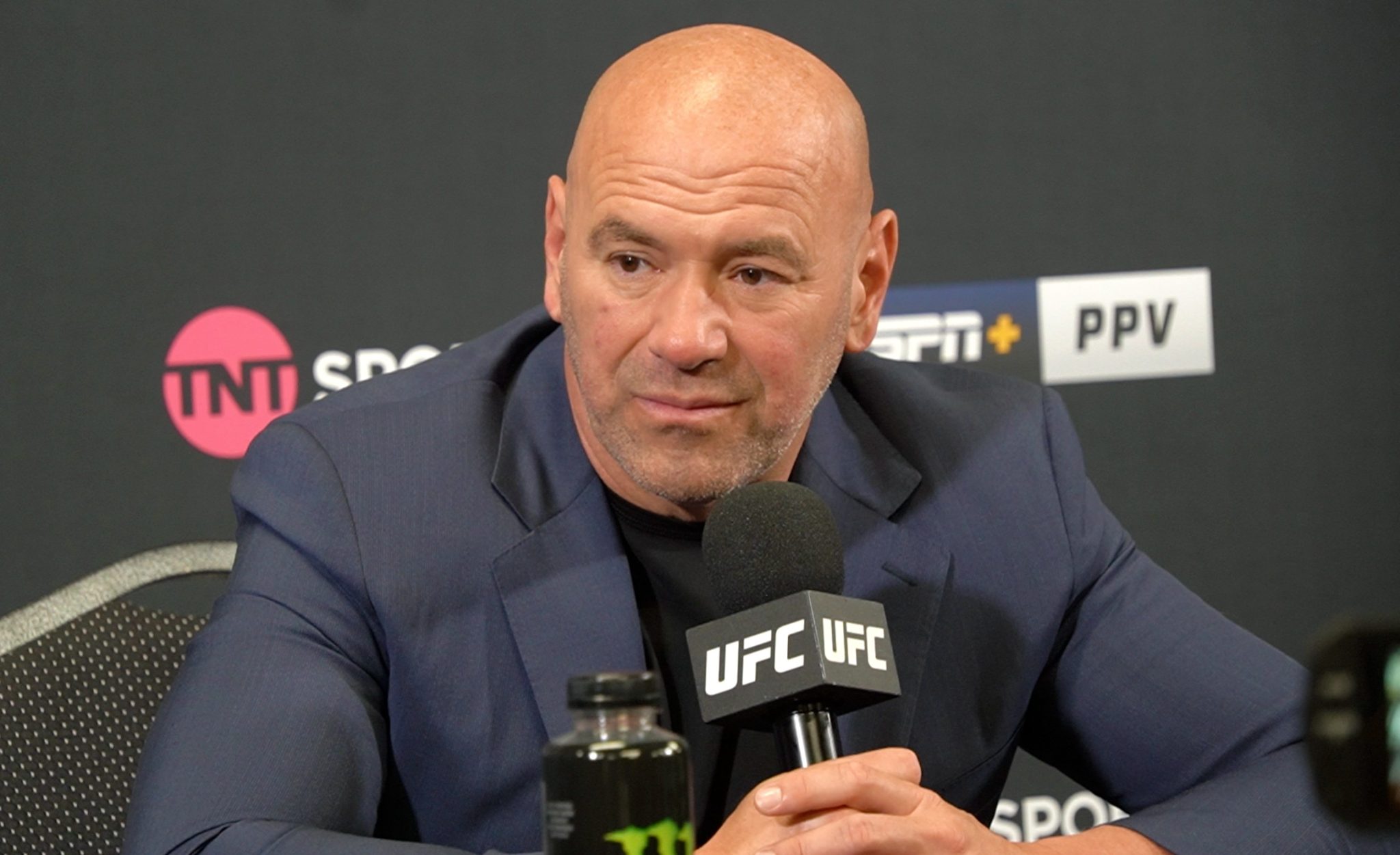
Dana White Reveals Why UFC Stars Fight Only Once a Year
Dana White has given his two cents on why the promotion's biggest stars and champions fight mostly once a year. White, during an interview…

Prince Harry seeks Kate’s help to mend rift with William
Prince Harry is reportedly 'determined' to reconcile with his estranged brother William. For this, he is ready to reach out to his sister-in-law Kate…

Ex-NFL star blasts Justin Herbert as his interceptions outpace his games played
Ex-NFL cornerback Darius Butler didn’t hold back on Thursday. Appearing on ESPN’s “The Pat McAfee Show,” he called out Los Angeles Chargers quarterback Justin…
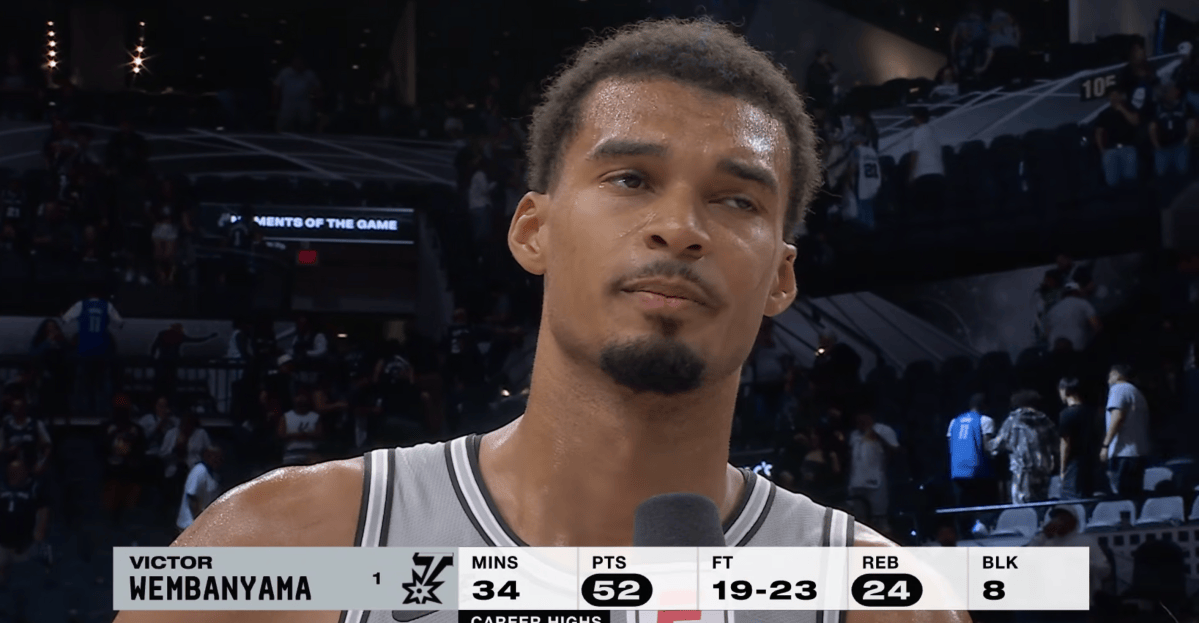
Wembanyama’s monster night exposes the Mavericks’ biggest weakness.
Victor Wembanyama may have scored the most fantasy basketball points we'll see all season Wednesday against the Dallas Mavericks. The San Antonio Spurs center…