Paul Finebaum torches CFP rankings in Alabama-Tennessee firestorm
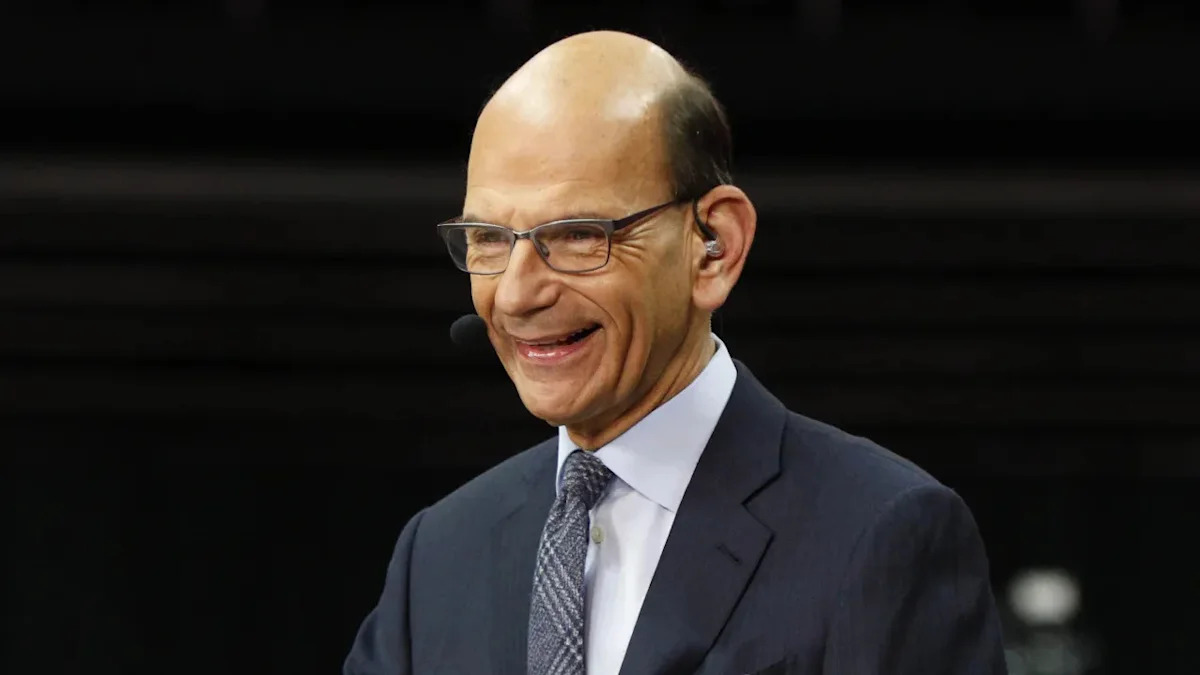
Paul Finebaum blasts College Football Playoff rankings over Alabama-Tennessee controversy.
Paul Finebaum, the longtime ESPN analyst and self-described voice of the SEC, unloaded on the College Football Playoff committee Wednesday morning.
Appearing on ESPN's Get Up, Finebaum called the initial CFP rankings for the 2026 season “about as discombobulated a ranking as I have ever seen.”
He went further, saying he would use words like “the committee was drunk” if that were not inappropriate for such an august group.
His central complaint: Alabama at No. 5 and Tennessee at No. 13, despite the Volunteers beating the Crimson Tide 26-10 just a few weeks ago in Knoxville.
Both teams are 6-2.
Tennessee has the same record and a head-to-head win, yet sits eight spots behind Alabama in the playoff pecking order.
“Alabama has no business being where they are,” Finebaum said on the show.
“That is truly absurd to have Alabama that far ahead of Tennessee, a team that just disemboweled them a couple weeks ago in Neyland Stadium.”
The initial CFP rankings were released Tuesday night, setting the table for the final month of the regular season.
Miami sits at No. 1, followed by Georgia at No. 2, Utah at No. 3 and Indiana at No. 4.

Alabama checks in at No. 5, ahead of Kentucky, Texas, UCLA, BYU, Ole Miss, Notre Dame and Ohio State.
Tennessee is the first team out at No. 13.
Finebaum’s frustration reflects a broader debate about how the committee weighs different factors.
The CFP selection protocol lists several criteria: strength of schedule, results against quality opponents, conference championships won, and head-to-head competition.
A head-to-head victory does not automatically guarantee a higher ranking.
Committee chair Hunter Yurachek has explained that direct comparisons become especially relevant when teams are grouped closely in the evaluation process.
But Alabama and Tennessee are not grouped closely.
They are separated by eight spots, with four other teams between them.
That gap is what Finebaum called incomprehensible.
Alabama’s schedule does include several challenging opponents.
The Tide went on the road and beat then-No.

16 Mississippi State 56-23 earlier this season.
They lost to No. 2 Georgia 20-17 in a game that came down to the final minutes.
They also beat Texas A&M 31-20, though that win has aged poorly — the Aggies started the season ranked No. 8 but are now 4-4 near the bottom of the SEC standings.
Finebaum questioned whether the Mississippi State win should carry as much weight as it appears to, noting that Bulldogs quarterback Kamario Taylor was limited with an injury during that game.
Tennessee, meanwhile, has its own case.
The Volunteers beat Alabama by 16 points on the road.
They also have wins over other ranked opponents, though the committee clearly views their overall résumé as weaker than Alabama’s.
The eight-place separation suggests the committee values Alabama’s strength of schedule and quality losses more than Tennessee’s head-to-head victory.
That is a legitimate philosophical disagreement, and Finebaum made his side clear.
“It really doesn’t make any sense,” he said.
The controversy matters because the CFP rankings determine which 12 teams make the playoff field.

This is the second year of the 12-team format, which expanded from four teams in 2024.
The top four seeds go to conference champions, and the next eight at-large spots go to the highest-ranked remaining teams.
If the season ended today, Alabama would be in the field as a top-five seed.
Tennessee would be the first team out.
That is why Finebaum’s criticism carries weight — the gap is not just about pride, but about playoff access.
Both teams have a chance to change the narrative this weekend.
Alabama travels to face No. 14 LSU on Saturday.
Tennessee meets No. 6 Kentucky.
A strong Alabama win over LSU could reinforce its current position.
A Tennessee win over Kentucky, combined with an Alabama loss, could force the committee to re-evaluate the separation.
But Finebaum’s point was not just about this week.
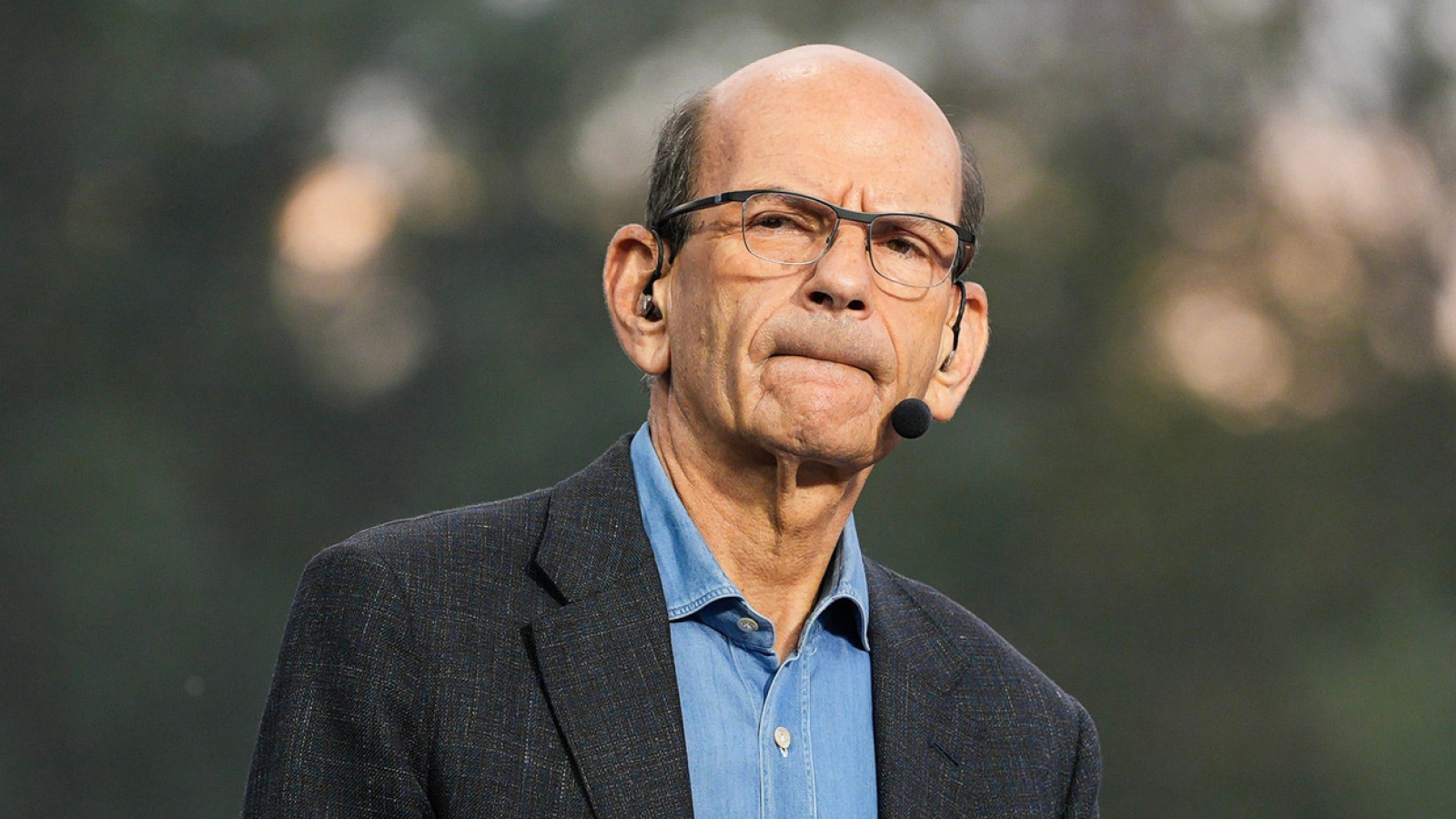
He questioned the entire process, calling the rankings “discombobulated” and suggesting the committee lacked coherence.
His comments echoed a sentiment shared by many fans and analysts on social media after Tuesday night’s reveal.
The debate over head-to-head results versus overall résumé strength is as old as the CFP itself.
In 2014, the committee faced similar criticism when it ranked Ohio State ahead of TCU and Baylor despite the Buckeyes losing to Virginia Tech.
In 2017, Alabama made the playoff at 11-1 without winning its division, ahead of 11-2 Ohio State, which had won the Big Ten.
The committee has consistently defended its holistic approach, arguing that no single factor is determinative.
That approach works well when teams are separated by clear margins.
It becomes controversial when teams with comparable records and direct results are split by multiple spots.
Finebaum made his position unmistakable.
“It is about as discombobulated a ranking as I’ve ever seen,” he repeated.
The CFP will release its next set of rankings on Tuesday, November 10.

By then, both Alabama and Tennessee will have played another game.
If Tennessee beats Kentucky and Alabama loses to LSU, the committee will face renewed pressure to close the gap.
If both teams win, the debate will continue.
If Alabama wins and Tennessee loses, Finebaum’s argument loses its strongest piece of evidence.
Either way, the 2026 CFP rankings have already generated the kind of controversy that defines the sport.
And Paul Finebaum, as usual, was at the center of it.
His rant on Get Up will be replayed and debated until the next rankings drop.
For now, the message is clear: the committee sees Alabama as a top-five team and Tennessee as a bubble team.
Finebaum sees something else entirely.
“It really doesn’t make any sense,” he said.
And for the moment, that is the only point both sides can agree on.
Advertisement
You may also like
Prince William basketball coach charged with sexually assaulting student
A Prince William County high school basketball coach and middle school assistant teacher has been charged with sexually assaulting a 15-year-old student on his…
Love Is Blind’s Only Married Season 11 Couple Files for Divorce
‘Love Is Blind’ stars John Shannon and Sarah Williams are headed for divorce. Sarah Williams filed for divorce from John Shannon in Massachusetts on…

Sydney Sweeney Defies Backlash With Risqué Christmas Look
Sydney Sweeney gives fans exactly what they wanted to see in early Christmas outfit. The Euphoria star shared new images from the holiday collection…
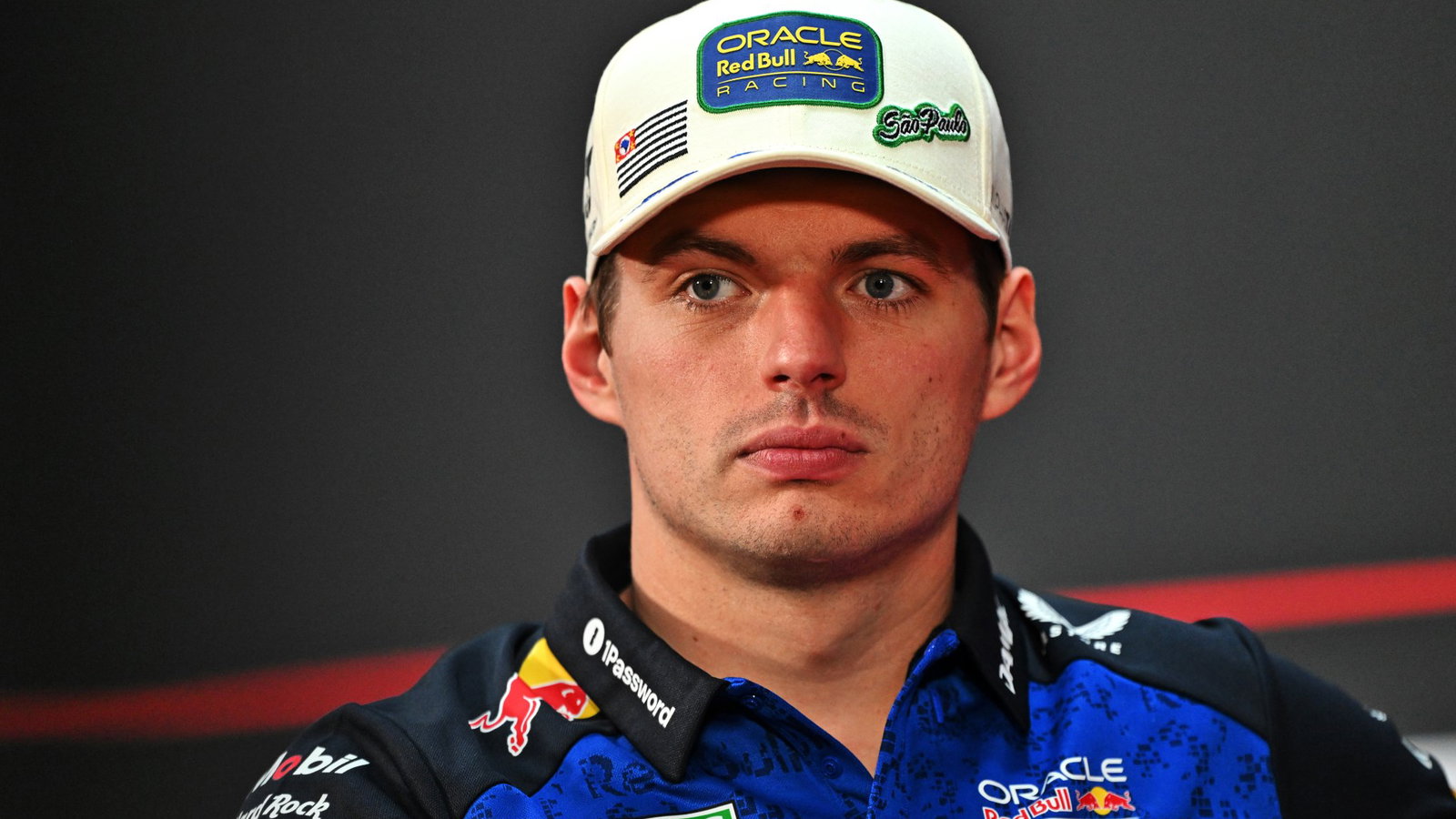
Max Verstappen admits 24-race F1 schedule is too much
Max Verstappen has admitted he wishes there were fewer races on the Formula 1 calendar amid a brutal end to the 2026 season. The…

Big Brother audience tickets are now available
Audience tickets for Big Brother in Brisbane are now available. Free tickets have been released for both Monday and Wednesday shows next week. Monday,…
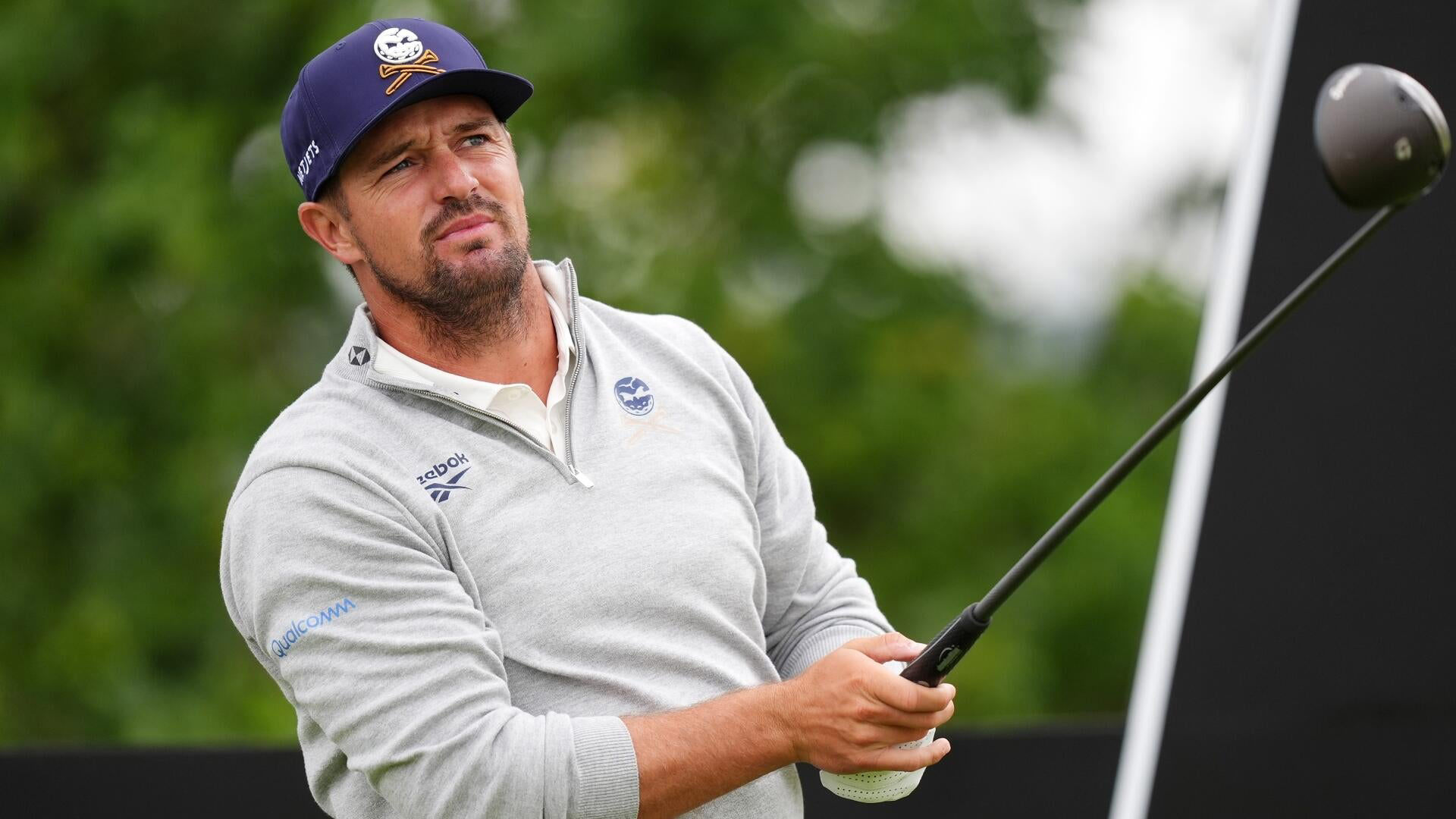
‘Less Serious a Golfer’: DP World Tour Pro Takes Pointed Dig at Bryson DeChambeau Amid LIV 2.0 Demise
Eddie Pepperell, a veteran of the DP World Tour, has publicly questioned whether Bryson DeChambeau still deserves to be taken seriously as a top-level…