Ricky Stenhouse Jr. reveals the shocking $10M cost to run a Cup car.
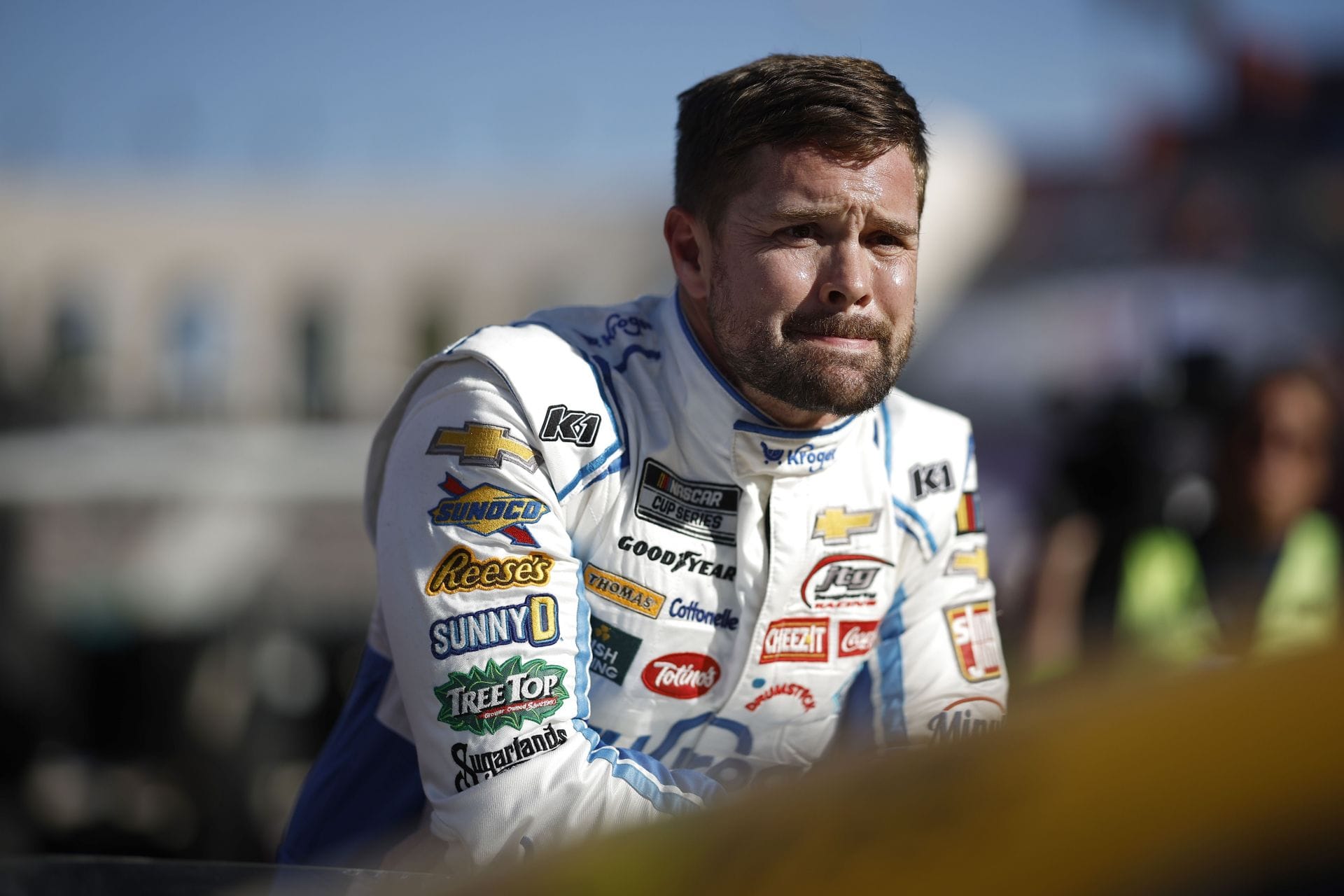
Ricky Stenhouse Jr. laid out the brutal arithmetic behind keeping a NASCAR Cup Series car on track, and the numbers are enough to make anyone flinch.
On an episode of the Bring The Juice podcast, the veteran driver estimated that a team needs roughly $250,000 to $300,000 in sponsorship for every single race.
Over a full season, that adds up to $8 million to $10 million — and that is just to break even.
“You want to be a millionaire in racing and you better start with a billion,” Stenhouse said on the podcast, summing up the financial reality in one memorable line.
The comments come as the sport absorbs a $100,000 fine handed to driver Carson Hocevar, a penalty that Stenhouse himself reacted to with a mix of disbelief and dark humor.
“He might have to sell the tank,” Stenhouse said, referring to Hocevar’s personal vehicle, in a remark that underscores how significant even a five-figure penalty can be in a world where every dollar counts.
Stenhouse’s breakdown of Cup Series economics goes far beyond one fine.
He described how NASCAR money reaches drivers and teams through race winnings from the sanctioning body and charter-related payments, but explained that his own contract groups those earnings together with his share changing according to the finishing position.
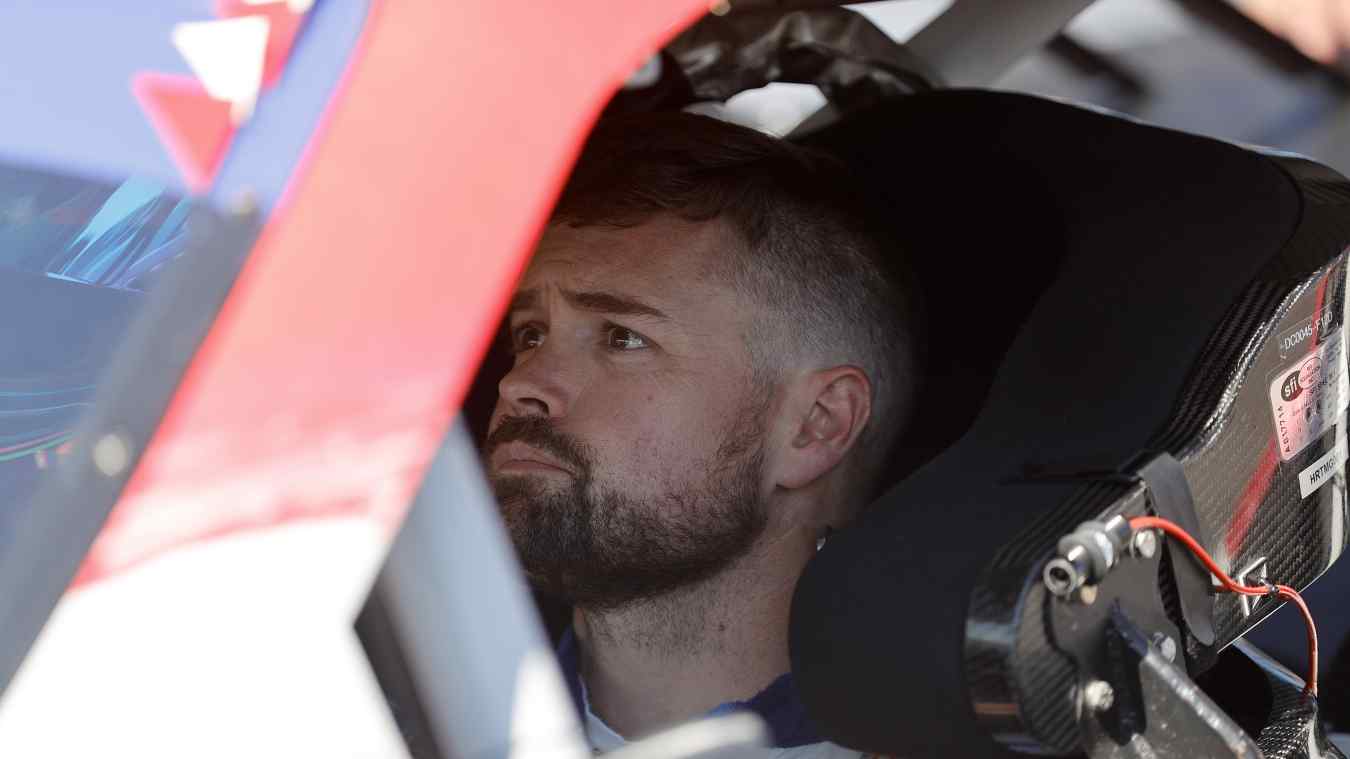
“If we win I get 50%” and “here on back is 20,” he said, describing how the percentage falls for different finishing positions.
He also noted that bonuses can be added for wins and other results, underlining how closely a driver’s compensation is tied to performance.
The figures Stenhouse gave need to be viewed alongside the wider cost of competing in NASCAR.
Frankie Muniz, in resurfaced comments from the Joe Vulpis podcast, outlined the scale of budgets involved across the national series.
Muniz estimated that a Truck Series program can require $3 million to $7 million a year, with an Xfinity operation costing around $6 million to $10 million.
For Cup, his estimate was $20 million to $30 million annually.
Those are Muniz’s estimates for overall program budgets, rather than the same calculation Stenhouse was making when he discussed the $8 million to $10 million needed to break even.
The two figures should not be confused.

Together, however, they show how much money has to move through the sport before a team can compete week after week.
Muniz also traced the changing role of sponsorship to the early 2000s.
He said teams increasingly began looking for drivers who could bring financial backing with them, rather than teams carrying the entire responsibility of finding sponsors themselves.
Wealthy families could use multi-million-dollar sponsorship deals to secure seats for their children, provided those drivers also showed ability.
The cost of reaching that level starts much earlier than the national series.
Muniz said even local racing can demand $10,000 to $15,000 for a weekend, while young drivers need substantial funding to progress through karting, late models and other feeder categories.
In his view, that has helped make professional racing more accessible to families with significant financial resources.
Hailie Deegan’s current situation offers a more immediate example of how sponsorship can shape a driver’s next move.

Deegan has said she would like to return to the Truck Series in 2027, but she cannot confirm a program until the necessary backing is secured.
“I wish I could just do it myself, but I can’t,” she admitted, adding that getting sponsor commitments early enough is one of the hardest parts of the business.
Her results with Bill McAnally have given her something to build on, but performance alone cannot guarantee a seat.
The same pressure is felt by teams further down the ladder.
Alpha Prime Racing co-owner Tommy Joe Martins said sponsorship accounts for at least 40% of his team’s budget, and under its current model it is closer to 60%.
Martins believes sponsorship can account for around 80% at some better-funded teams.
He put the annual budget for his O’Reilly Series operation at roughly $2.5 million to $3 million, while estimating that leading teams in the field spend more than $6 million.
Martins also said sponsors are increasingly choosing to back individual drivers instead of supporting organizations over several seasons, which makes long-term planning harder for smaller teams.

Even established organizations can view staying in the black as a success.
On the Business of Motorsports podcast, Kelley Earnhardt Miller said that JR Motorsports operates on roughly a 1.5% margin and is content with breaking even or making a modest profit, showing how limited the returns can be despite the money moving through racing.
Jordan Anderson’s route into NASCAR shows how personal the financial strain can become.
In 2014, a $40,000 check tied to the team he was driving for bounced, and Anderson was asked to settle it.
He sold almost everything he owned, including his Super Late Model, for around $55,000 to $56,000.
He used the money to clear the debt and keep one last opportunity alive.
He later paid a Truck Series team’s tire bill to secure a race, a step that helped him find further opportunities and eventually build his own organization.
Stenhouse’s warning is not that every driver or team needs a billion dollars.
It is that the cost of getting to the grid, staying there and keeping a competitive program funded can swallow fortunes.
The car is what fans see on Sunday; the work begins months earlier, in sponsor meetings and budget calls.
In NASCAR, speed matters once the race starts.
Finding the money to get there is another race entirely.
Advertisement
You may also like

Dianna Russini’s comeback after the Mike Vrabel controversy
Dianna Russini comeback timeline: What we know from Mike Vrabel controversy to NFL media return originally appeared on The Sporting News. It was a…
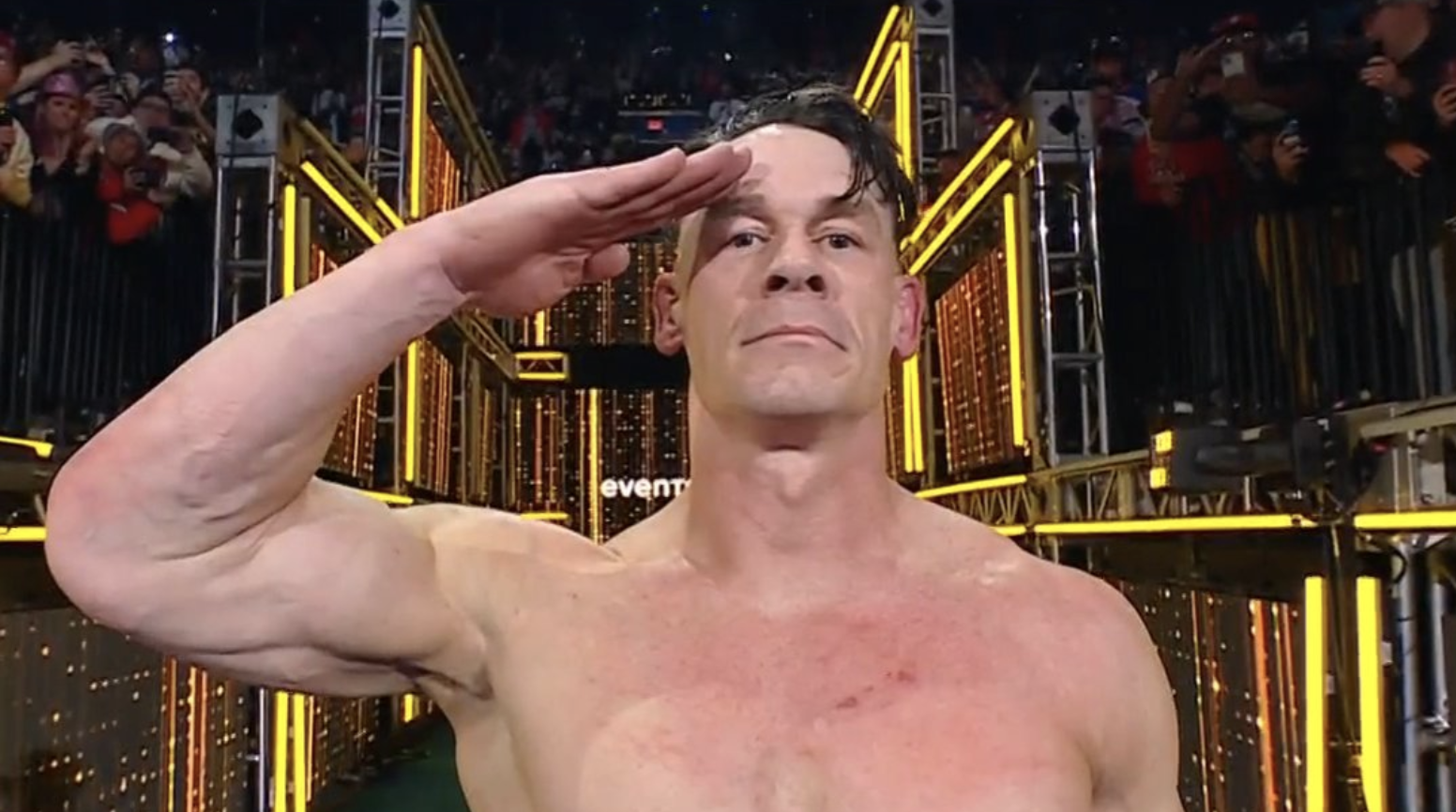
John Cena Salutes Gunther in Subtle NXT Moment
John Cena acknowledged Gunther in a quiet but powerful gesture during his appearance on WWE NXT this week. As Cena made his way to…
Love Island USA wants you to apply for Season 9
‘Love Island USA’ is now casting Georgia singles for Season 9 of the reality show. Savannah, Ga. — “Love Island USA” is now casting…
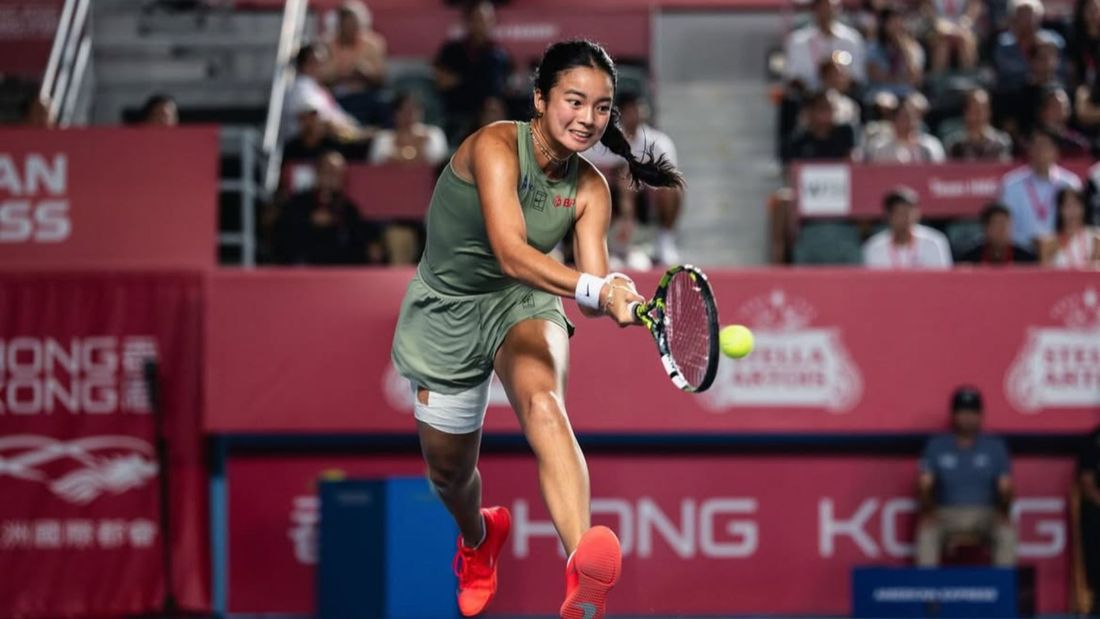
Alex Eala Crushes Valentová to Storm Into Hong Kong Quarters
Alex Eala settled an old score at the 2026 Hong Kong Open on Thursday. She defeated Tereza Valentová 6-4, 7-6(9-7) to reach the WTA…
Olivia Miles Reveals Caitlin Clark’s Most Annoying Skill to Guard
Minnesota Lynx guard Olivia Miles did not hold back when asked what makes Caitlin Clark so difficult to defend. Appearing on The Old Man…

Kim Kardashian’s co-stars call her the greediest woman on set.
Kim Kardashian's All's Fair co-stars brand her the 'greediest woman' they have ever met. Niecy Nash-Betts said it on Good Morning America. Kim eats…