UK deploys King Charles as its secret political weapon
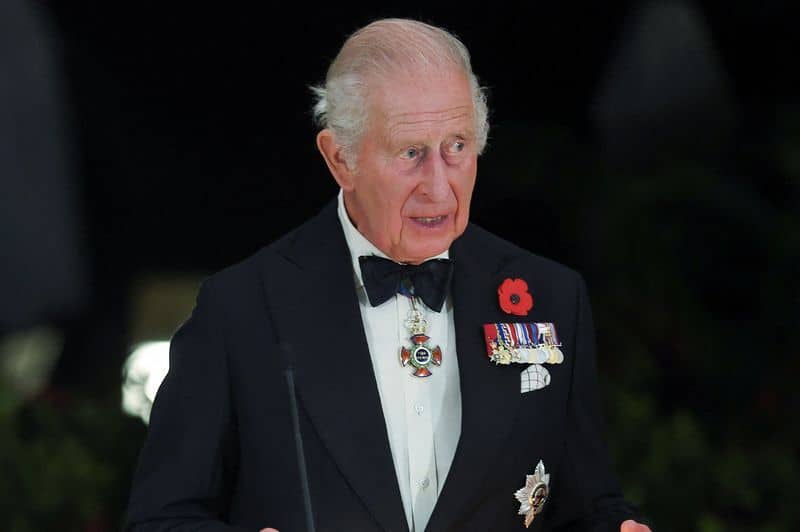
A senior royal aide has described King Charles as "a secret weapon" that the British government is increasingly deploying to handle politically charged diplomatic situations.
The remark came after the monarch completed a nine-day tour of the Caribbean that included a meeting of the Commonwealth of Nations.
The aide spoke on condition of anonymity, which is standard practice for palace briefings about sensitive matters.
"It's a great secret weapon to send the king," the aide told reporters.
The aide added that Charles was "able to reach the parts that, dare I say, politicians probably couldn't quite have reached."
This is a striking admission because the British monarch is constitutionally required to stay out of politics.
King Charles became head of state in September 2022 upon the death of his mother, Queen Elizabeth II.
His constitutional role is largely ceremonial and symbolic.
But in practice, as Britain's global influence has diminished, successive governments have turned to the crown to lead diplomatic efforts.

The Caribbean tour was dominated by one issue above all others: slavery.
Specifically, whether Britain and the king should formally apologize for the transatlantic slave trade and offer to pay reparations.
Charles did neither in his public speeches, following British government policy.
But he did express what he called "profound personal sorrow" about the horrors of slavery.
Speaking at the opening ceremony of the Commonwealth Heads of Government Meeting in Antigua, Charles called the slave trade a "shameful chapter of history" that "fills my heart with horror and my soul with the most profound personal sorrow."
Commonwealth leaders broadly welcomed this as a positive step forward.
The 56-nation Commonwealth includes many countries that were former British colonies.
Many of those nations have been pressing Britain for a formal apology and financial reparations.
The king's careful wording allowed him to acknowledge the pain without crossing the line the government had drawn.

The senior aide described the tour as "complex and challenging."
But the aide said Charles "had demonstrated his statecraft both by word and deed."
The aide also revealed that this is part of a clear pattern.
"We're just in the fifth year of the reign," the aide said.
"I think what we're seeing is a very clear pattern emerging of the government asking the king to head into quite politically charged situations, quite challenging situations."
Dealing with difficult diplomatic tasks is something Charles relishes, according to the aide.
"Refreshing and reinvigorating relationships with nations where there have been some complex political issues at play, that is what he lives and breathes for," the aide said.
This is not the first time Charles has been deployed in this way.
Amid tensions with US President Donald Trump — most recently over the Iran war — the British government enlisted Charles to help smooth relations.
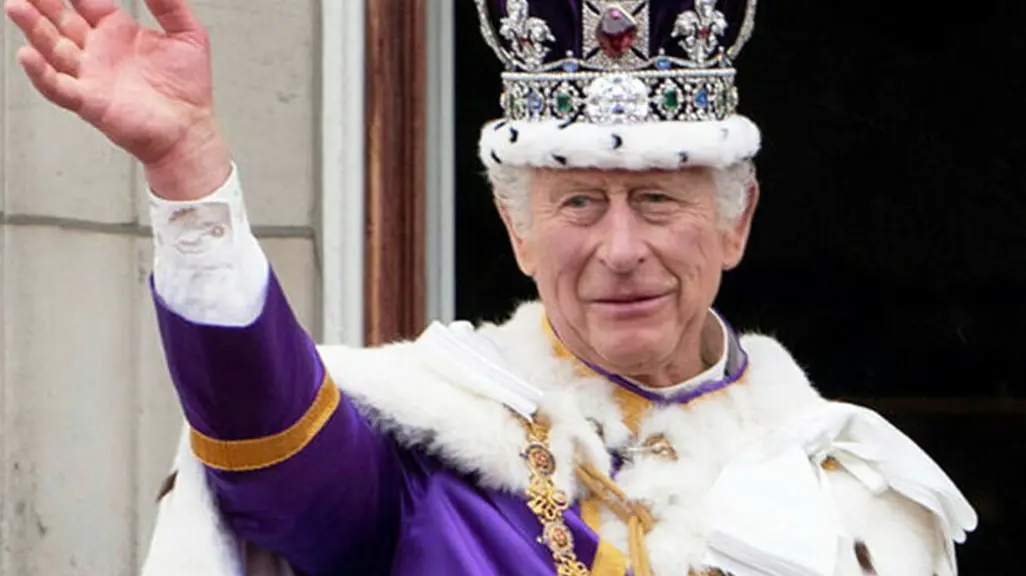
The king hosted Trump on a state visit in the UK.
Charles then paid a reciprocal state visit to the United States.
These are the kinds of high-level diplomatic gestures that heads of government typically handle themselves.
But the British government calculated that Charles could achieve outcomes that Prime Minister Keir Starmer could not.
The Caribbean tour involved around 40 engagements across the Bahamas, Guyana, and Antigua and Barbuda.
Charles is approaching his 78th birthday on November 14.
He continues to undergo cancer treatment, having been diagnosed in early 2024.
Despite this, the aide said the king coped well with the punishing schedule.
During a Junkanoo parade in the Bahamas, Charles spontaneously joined in, shaking cowbells and dancing in nearly 40-degree Celsius heat.

"The King said, 'I think I'm going to get involved,' and off he went and did," the aide recalled.
"At the end of it, they said, 'Could they have the cowbells back?' Because perhaps they might want them as a special souvenir for the next Junkanoo."
The aide used this moment to address questions about Charles's health.
"I think probably the best response to that is a picture of a man about to turn 78 wangling the cowbells as he jives down the street in nearly 40 degree heat," the aide said.
"When the engagement finished, I get in the car next to him and say: 'Crikey, I'm hot.' He says, 'Oh, never mind.' So no, he copes. I mean, frankly, he copes better with it than I do, and I'm younger than him."
The aide added: "This is literally what he was born to do, he's very good at it, and he enjoys the reaction he gets from people in the doing of it."
The tour marks a high point in what has been another difficult year for the monarchy.
A biography of Charles's first wife, Princess Diana, written by her brother, was released and featured criticisms of Charles.
But the Caribbean tour demonstrated that the king remains a valuable asset for the British government.
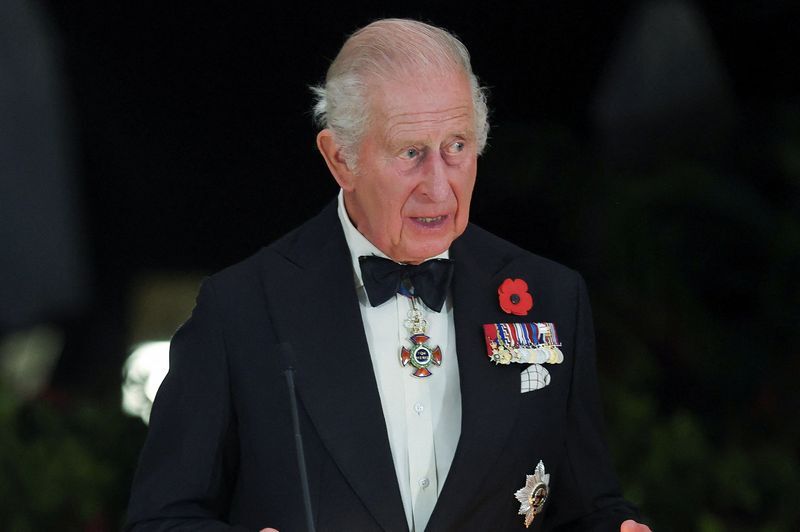
The constitutional convention that the monarch stays out of politics is being quietly set aside.
Not formally, and not publicly — but through the steady pattern of deployments described by the aide.
Charles did not apologize for slavery on behalf of Britain.
But he did something arguably more useful from the government's perspective: he absorbed the emotional force of the issue without committing the state to anything.
"Statecraft by word and deed" was how the aide described it.
The question now is where this pattern leads.
If the government is already using Charles to handle the slavery reparations debate, the Trump relationship, and Commonwealth diplomacy, what comes next?
The monarch cannot be sent everywhere.
He is one person, approaching 78, managing a cancer diagnosis.
But the aide's language suggests the government sees Charles as an asset to be used, not a figurehead to be protected.
"A great secret weapon" is the phrase that will linger.
It reveals a government that views the monarchy not as a ceremonial relic but as an active tool of foreign policy.
And a king who, according to his own staff, lives and breathes for exactly this kind of work.
Advertisement
You may also like

Watch Dallas Stars vs Blue Jackets Live Free on TV
NHL.LIVE: Dallas Stars vs Columbus Blue Jackets Live Free NHL Games On TV Channel Nov 6.2026. The Dallas Stars face the Columbus Blue Jackets…
Church Downs picks: Expert predictions for Friday, Nov 6
Churchill Downs Horse Racing Picks and Predictions Today for Friday, November 6. Mr. Ed has returned to his regular twice-a-week VSiN beat after a…
Garcia Exposes LIV Golf’s ‘Good, Bad and Ugly’ After Quitting
The PGA Tour and DP World Tour now have an obvious decision to make with the likes of Sergio Garcia and Lee Westwood. Garcia,…
Tom Brady Names His Top 4 NFL MVP Picks for 2024
Tom Brady earned three NFL Most Valuable Player awards during his career with the New England Patriots. That gives him more than enough authority…
TMZ Roasted for Creepy Article About Ella Langley’s Bikini Photo
Country singer Ella Langley Highlights Bikini Body In Stunning Selfies. But a recent post from TMZ has turned that into a controversy. The celebrity…
Reds Trade Bombshell Drops on Elly De La Cruz
The Cincinnati Reds closed out a forgettable 2026 campaign with little to show for it beyond the continued rise of Elly De La Cruz.…