140 kids inside as Hezbollah-inspired attacker rams Michigan synagogue
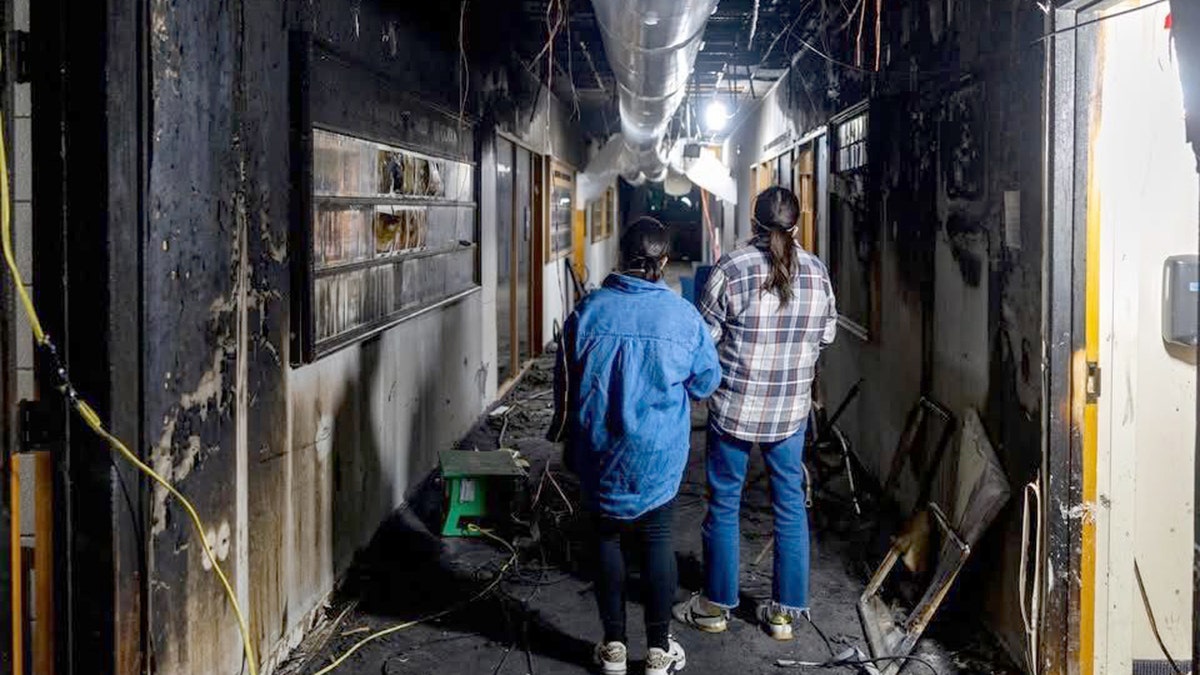
The FBI has declared the attack on Temple Israel in West Bloomfield, Michigan a Hezbollah-inspired act of terrorism.
The attacker, identified as Ayman Ghazali, 41, died by suicide after the assault, according to a source close to the situation.
Ghazali rammed a pickup truck loaded with fireworks and flammable liquid through the synagogue's doors.
Approximately 140 children were inside the building at the time of the attack.
The attacker then opened fire with an AR-style rifle.
A security guard was injured during the incident.
About 50 law enforcement officers were treated for smoke inhalation after the truck's cargo ignited.
The FBI's designation of the attack as Hezbollah-inspired marks a significant shift in how the agency is categorizing the threat.
Hezbollah is a Lebanon-based militant group and political party designated as a foreign terrorist organization by the U.S. State Department since 1997.
The group's ideology blends Shia Islamism with anti-Israel and anti-Western sentiment, and it has been linked to attacks on American targets abroad.

Domestic attacks inspired by Hezbollah's ideology are rare in the United States, making this case stand out to counterterrorism analysts.
The FBI's Joint Terrorism Task Force is now leading the investigation, per sources.
Federal investigators are examining Ghazali's digital footprint, travel history, and any known associates to determine how he became radicalized.
The attack occurred at Temple Israel, a Reform Jewish congregation in West Bloomfield, a suburb of Detroit with a significant Jewish population.
Michigan has seen a rise in antisemitic incidents in recent years, according to data from the Anti-Defamation League.
The state recorded 339 antisemitic incidents in 2024, up from 210 in 2023, per ADL reports.
Local law enforcement had increased patrols around houses of worship after the October 7, 2023 Hamas attack on Israel, but the Temple Israel assault still broke through.
The attacker's choice of a vehicle-borne improvised explosive device — using fireworks and flammable liquid — mirrors tactics seen in Hezbollah's overseas operations, a person familiar with the matter said.
The FBI has not yet released a full profile of Ghazali or a definitive motive beyond the Hezbollah-inspired classification.
Questions remain about whether the attacker acted alone or was part of a broader network.

Federal prosecutors are expected to release more details as the investigation progresses.
The attack has reignited debate about security funding for houses of worship in the United States.
The Nonprofit Security Grant Program, which provides federal funds for physical security upgrades at faith-based institutions, received $305 million in fiscal year 2025.
Advocacy groups are calling for that amount to be increased in the next budget cycle.
Synagogues, mosques, churches and other religious centers have been targets of both domestic extremists and foreign-inspired attackers in recent years.
The 2018 Tree of Life synagogue shooting in Pittsburgh, which killed 11 worshippers, remains the deadliest antisemitic attack in U.S. history.
In 2019, a shooter targeting a synagogue in Poway, California killed one person and injured three.
Both of those attackers were motivated by white supremacist ideology, not foreign terrorist groups.
The Temple Israel attack introduces a different threat profile — one that blends foreign terrorist inspiration with domestic execution.
Counterterrorism officials are now reviewing whether current threat assessment protocols adequately capture the risk of Hezbollah-inspired lone actors.
The FBI has urged the public to report suspicious activity but has not raised the national threat level.
Does the FBI's designation of this as a Hezbollah-inspired act of terrorism change how you think about protecting houses of worship in the US?
Advertisement
You may also like

NBA champion Steve Kerr trolls Donald Trump with a savage jab
Golden State Warriors head coach Steve Kerr took a sharp, humorous jab at President Donald Trump during his Wednesday media availability, referencing a campaign…

John Cena’s subtle salute to Gunther after his return
John Cena made a surprise appearance on the Oct. 30, 2026 edition of WWE NXT. As he walked to the ring, he stopped in…

Braden Smith Makes NBA Debut With the Pacers
Purdue basketball alum Braden Smith makes NBA debut with the Pacers. Braden Smith, the former Purdue Boilermakers guard, stepped onto an NBA floor for…

Red Wings vs. Golden Knights Live Score and Game Updates
NHL.LIVE: Detroit Red Wings vs Vegas Golden Knights LIVE STREA.MS NHL Game On TV Coverage 6 Nov 2026. Puck drop is set for 7…

Business leaders face a tough choice with workplace monitoring.
Big Brother 2026 has officially crowned a winner. Rochelle took the title on the live final, hosted by AJ Odudu and Will Best on…

WWE Plans Huge 30th Anniversary Celebration for The Rock
WWE is planning to celebrate 30 years of The Rock this month. Plans include a commemorative championship belt. Special merchandise releases are also in…