Brandel Chamblee Reacts to LIV Golf’s Imminent Liquidation
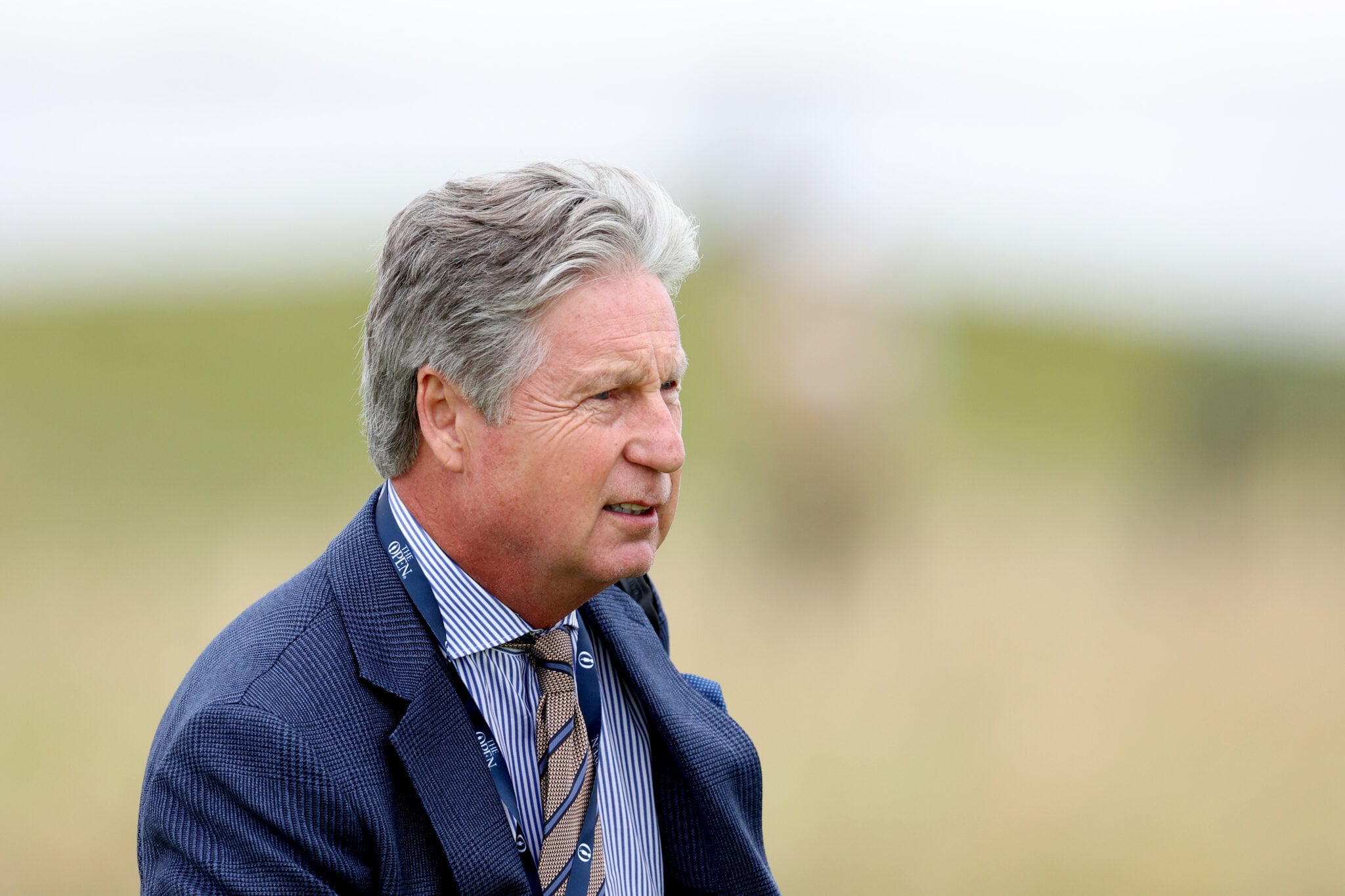
Brandel Chamblee has suggested that the players who were open to staying with LIV Golf eventually realized that they could not save the league, following the news that it will be liquidated.
It appears that LIV Golf will soon be no more.
After weeks of speculation concerning BC Partners and their push to invest in the league, it was reported on Wednesday that the company was ready to pull the plug on their bid to take over.
While there were some reports on Thursday that suggested that there may still be hope for LIV, it has now been confirmed that the league is shutting down.
It is quite hard to believe that there will no longer be a LIV Golf league on the golfing landscape in 2027.
While many have written off the tour on several occasions in the past, it always felt as though LIV would somehow find a way to live another day.
However, LIV is indeed set to now disappear.
And speaking on Golf Channel, Brandel Chamblee offered his initial verdict on the announcement.
“You can point the finger at a lot of places here, but in order for it to have gone forward, you needed some cooperation from whatever players were going to make up this LIV 2.0,” Chamblee said.
“The players and player representatives, from what I’ve read, were making financial demands that could not be met,” he added.
“When you think about what the Saudis were paying these players, in essence I’d call it hazard pay, because they knew that they were going to take on reputational damage.”

“They knew it was going to be disrupted.”
“They probably also knew that it was going to be disruptive for their careers, so when you start to look at the players starting to want to take debt for equity, speculative ownership, they were going to have 52.5 per cent, from what I’ve read, ownership going forward.”
“And the fact that they were unwilling to take on that ownership tells you that they did not even have any belief that they, as a group of players, could make this work.”
“They all thought that they were beachfront property in Malibu, and the market was telling them, no, you’re timeshares in Toledo.”
“And maybe, finally, they’ve got a slap in the face of reality.”
As things stand, LIV will leave an incredibly complex legacy.
Starting with the positives, the league did force the PGA Tour to abandon its complacency.
Those at Ponte Vedra certainly took the loyalty of their members for granted.
The appointment of Brian Rolapp was a big step in the right direction.
And it is probably fair to say that LIV forced the PGA Tour to get its act together.
However, the league highlighted the greed within the game.

Many players who were already incredibly wealthy were prepared to turn a blind eye to the problems associated with where LIV’s funding was coming from.
It is likely that the PGA Tour and DP World Tour will endure some difficult times as they handle the consequences of the game’s civil war over the last five years.
It is going to be some time before it becomes fully apparent just what a mess LIV made.
The collapse of LIV Golf marks the end of a turbulent chapter in professional golf.
The Saudi-backed league launched in 2022 with enormous fanfare, offering contracts worth hundreds of millions of dollars to lure stars like Phil Mickelson, Dustin Johnson, Bryson DeChambeau, and Brooks Koepka away from the PGA Tour.
At its peak, LIV held events around the world with a team format, 54-hole tournaments, and shotgun starts designed to challenge the traditional tour structure.
But the league faced persistent criticism over its funding source, the Saudi Arabian Public Investment Fund, with opponents accusing it of sportswashing human rights abuses.
The PGA Tour responded by suspending players who joined LIV, leading to a bitter legal battle and a proposed framework agreement between the tours in June 2023.
That agreement, which aimed to create a unified commercial entity, has yet to be finalized.
BC Partners, a private equity firm, entered negotiations to invest in LIV earlier this year, raising hopes that the league might restructure and survive.
But those talks collapsed when the players’ financial demands proved too high.

Chamblee’s comments highlight a central irony: the players who had been paid enormous sums to take the risk of joining LIV were unwilling to accept equity ownership in the league’s future.
Their refusal, in his view, demonstrated a lack of confidence in the product they themselves were supposed to build.
For the PGA Tour, the end of LIV removes a direct competitor but leaves behind a fractured player base.
Some LIV players have already applied for reinstatement to the PGA Tour, while others face uncertain career paths.
The DP World Tour, which lost several top players to LIV, will also need to rebuild.
Golf fans are left wondering what comes next.
Will the top LIV stars return to the PGA Tour without penalty?
Will the team format survive in some other form?
And how will the sport heal the divisions that the civil war created?
Chamblee’s final line — about a “slap in the face of reality” — may prove prophetic.
For now, the league that promised to revolutionize golf is preparing to shut its doors for good.
Advertisement
You may also like

NBA champion Steve Kerr trolls Donald Trump with a savage jab
Golden State Warriors head coach Steve Kerr took a sharp, humorous jab at President Donald Trump during his Wednesday media availability, referencing a campaign…

John Cena’s subtle salute to Gunther after his return
John Cena made a surprise appearance on the Oct. 30, 2026 edition of WWE NXT. As he walked to the ring, he stopped in…

Braden Smith Makes NBA Debut With the Pacers
Purdue basketball alum Braden Smith makes NBA debut with the Pacers. Braden Smith, the former Purdue Boilermakers guard, stepped onto an NBA floor for…

Red Wings vs. Golden Knights Live Score and Game Updates
NHL.LIVE: Detroit Red Wings vs Vegas Golden Knights LIVE STREA.MS NHL Game On TV Coverage 6 Nov 2026. Puck drop is set for 7…

Business leaders face a tough choice with workplace monitoring.
Big Brother 2026 has officially crowned a winner. Rochelle took the title on the live final, hosted by AJ Odudu and Will Best on…

WWE Plans Huge 30th Anniversary Celebration for The Rock
WWE is planning to celebrate 30 years of The Rock this month. Plans include a commemorative championship belt. Special merchandise releases are also in…