Brandel Chamblee Slams LIV Golfers as League Heads to Liquidation
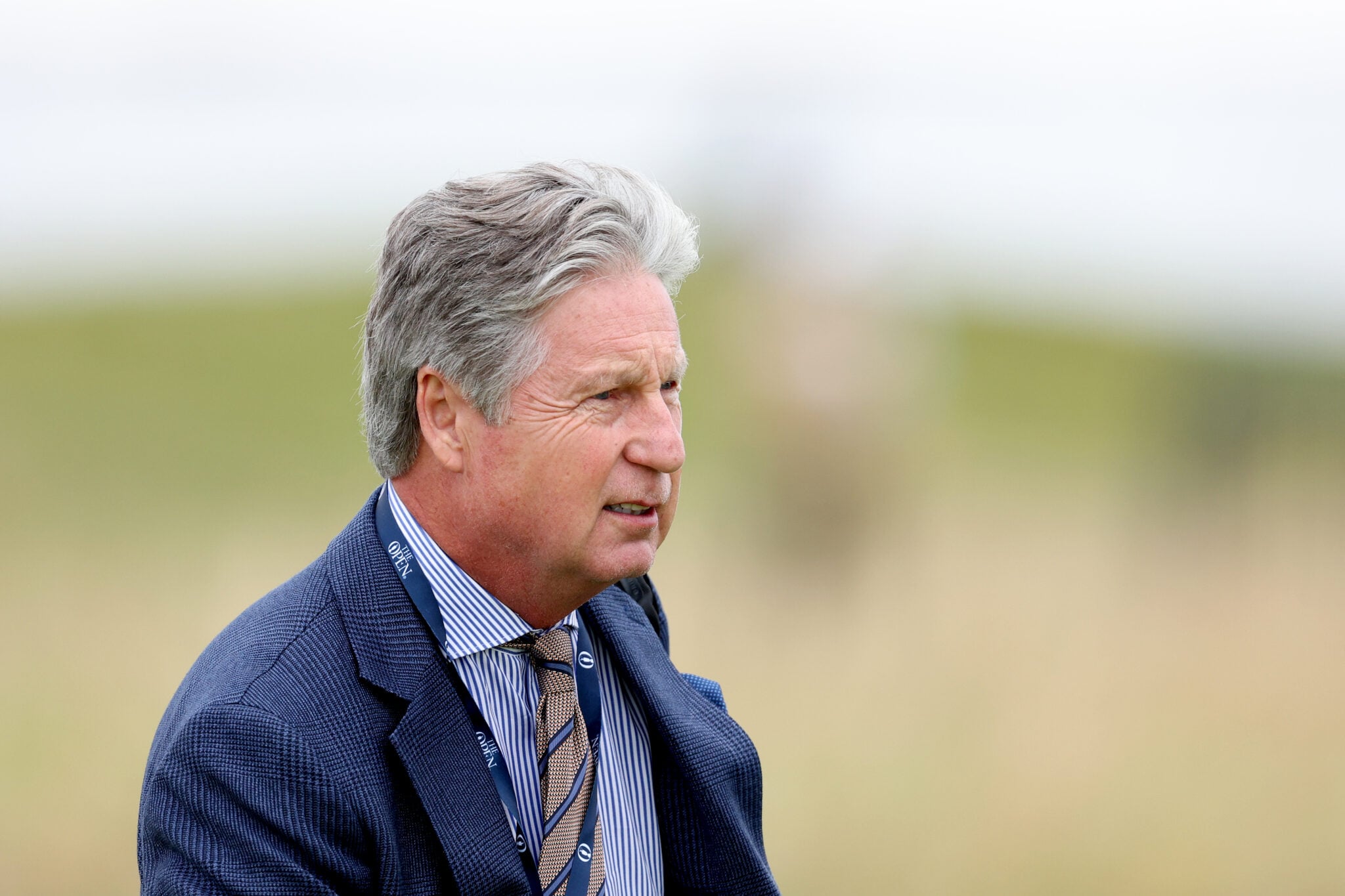
Brandel Chamblee gives his reaction as LIV Golf prepares to enter into liquidation.
LIV Golf is shutting down.
After weeks of speculation about BC Partners’ bid to take over the league, the private equity firm has pulled the plug.
LIV Golf will not return for the 2027 season.
The league’s collapse follows the Saudi Arabian Public Investment Fund (PIF) withdrawing its financial support at the end of the 2026 season.
CEO Scott O’Neil had worked for months to find new investors.
BC Partners agreed to relaunch LIV with a 17-tournament schedule and keep the team format.
But the deal fell apart over player demands.

Brandel Chamblee, a Golf Channel analyst and longtime critic of LIV Golf, offered his verdict on the announcement.
“You can point the finger at a lot of places here, but in order for it to have gone forward, you needed some cooperation from whatever players were going to make up this LIV 2.0,” Chamblee said.
“The players and player representatives, from what I’ve read, were making financial demands that could not be met.”
Chamblee did not name specific players.
He described the money the Saudis originally paid as “hazard pay.”
“When you think about what the Saudis were paying these players, in essence I’d call it hazard pay, because they knew that they were going to take on reputational damage,” he said.
“They knew it was going to be disruptive. They probably also knew that it was going to be disruptive for their careers.”
Chamblee then revealed the ownership structure LIV 2.0 offered the players.
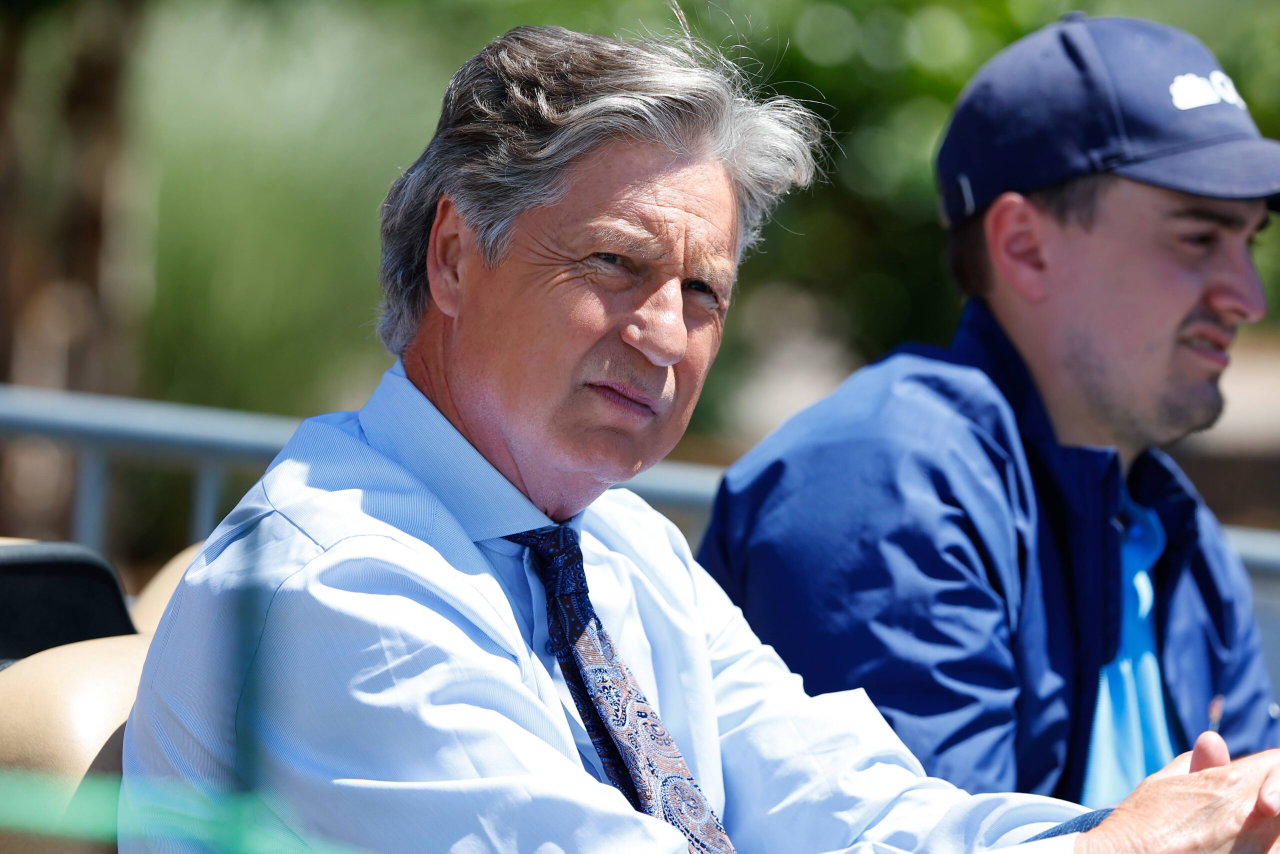
“So when you start to look at the players starting to want to take debt for equity, speculative ownership, they were going to have 52.5 per cent, from what I’ve read, ownership going forward,” he said.
“And the fact that they were unwilling to take on that ownership tells you that they did not even have any belief that they, as a group of players, could make this work.”
He delivered his sharpest line about the players’ sense of their own value.
“They all thought that they were beachfront property in Malibu, and the market was telling them, no, you’re timeshares in Toledo,” Chamblee said.
“And maybe, finally, they’ve got a slap in the face of reality.”
The phrase captured the gap between what LIV players believed they were worth and what investors were willing to pay.
LIV Golf launched in 2022 with massive contracts backed by the Saudi PIF.
Stars like Phil Mickelson, Dustin Johnson, Bryson DeChambeau and Brooks Koepka signed deals worth tens of millions of dollars each.

The league offered 54-hole tournaments, a team format and guaranteed money that the PGA Tour could not match.
It split professional golf and triggered lawsuits, defections and bitter rivalries.
Many players who joined LIV forfeited their PGA Tour membership and faced criticism for taking Saudi money.
Chamblee has been among the most vocal critics of the league and the players who left.
He has repeatedly argued that the players damaged their reputations for money.
Now, with LIV gone, the question is what happens to those players.
Some may try to return to the PGA Tour.
Others may pursue legal action to recover lost earnings.

The PGA Tour has not announced any formal reinstatement process.
Chamblee’s comments suggest the players bear significant responsibility for the league’s failure.
He pointed to their unwillingness to accept ownership as evidence they lacked confidence in LIV’s future.
“The fact that they were unwilling to take on that ownership tells you that they did not even have any belief that they, as a group of players, could make this work,” he said again.
The liquidation process is expected to begin in the coming weeks.
LIV Golf’s assets, including its production equipment and intellectual property, may be sold off.
Contracts with players are void.
The team format that distinguished LIV from traditional golf will disappear.

For the PGA Tour, the end of LIV removes the most serious competitive threat it has faced in decades.
The Tour responded to LIV by increasing prize money and creating new events.
Commissioner Jay Monahan had called LIV a threat to the game’s ecosystem.
Now, with LIV gone, the Tour faces its own challenges — including how to reintegrate players who left.
Chamblee’s reaction reflects a broader sentiment among golf insiders that the LIV experiment failed because it was built on money, not sustainability.
“They all thought that they were beachfront property in Malibu,” he said, “and the market was telling them, no, you’re timeshares in Toledo.”
The legacy of LIV Golf will be debated for years.
It forced the PGA Tour to improve its product.
It paid players more than they had ever earned.
It also fractured the sport and left a messy legal and financial aftermath.
Chamblee made clear he believes the players made a bad bet.
And now, with the league entering liquidation, the bill has come due.
Advertisement
You may also like
Elon Musk Fires Back After Democrats Sweep the Midterms
A political cartoon published by Automotive News captures the moment in a single image: Elon Musk, the world's richest man, standing alone as a…
Mahesh Bhupathi and Sania Mirza just took over Indian tennis.
Mahesh Bhupathi and Sania Mirza are set to become the two Sportspersons of Outstanding Merit (SOM) in the 15-member All India Tennis Association Executive…
WWE Raw Star Crashes SmackDown To Spark WarGames Chaos
A RAW Superstar invaded SmackDown this week. The attack happened during a WWE Women’s Tag Team Championship match. Michin and B-Fab were defending the…

Billy Loughnane Lands Godolphin Dream Job Alongside Buick
Horses can't talk. That's what trainer Yoshito Yahagi said after Forever Young's deflating defeat in the Breeders' Cup Classic — that the horse couldn't…
Yankees’ Silver Slugger snub proves their 2026 collapse runs deeper than Judge
The New York Yankees were not named a team Silver Slugger finalist for 2026. A year ago, they won the award outright. This is…
Jason Kelce Shuts Down Jeff Stoutland Rumor in Fiery Rant
Ex-Eagles star Jason Kelce went off on a rumor that players wanted offensive line coach Jeff Stoutland out of Philadelphia. Kelce called the report…