Bryce Harper Sparks Alarm By Implying 2027 MLB Season Could Be Canceled Over Labor Lockout

Responding to a TikTok commenter who remarked that March through October feels like the offseason, Philadelphia Phillies superstar Bryce Harper wrote that it will be this year.
Those six words immediately ignited panic across the baseball world.
March through October constitutes the entire Major League Baseball regular season.
By suggesting that window will serve as an extended vacation, Harper planted a terrifying thought in the minds of fans.
His offhand remark implied that the sport could face a total shutdown in 2027.
Baseball enthusiasts quickly began dissecting what the two-time National League Most Valuable Player knew about the upcoming labor fight.
The alarm comes at an extraordinarily tense juncture for professional baseball.
A SHOCKWAVE ON SOCIAL MEDIA
Harper has long used TikTok as an informal outlet away from the diamond.
During past winters, the Phillies slugger has shared everything from cooking tutorials to glimpses of his younger self.
He has even detailed his unusual morning routine, which famously involves putting toothpaste directly into his mouth before brushing.
His latest upload was simple enough on the surface.
Harper posted a video demonstrating how he prepares a matcha latte.
Yet the comments section beneath the video rapidly eclipsed the beverage tutorial itself.
A user posting under the handle snugglebear0808 brought up the baseball calendar.
The commenter posted that it feels like March through October is the offseason.
Harper saw the observation and replied with his blunt prediction.
"It will be this year," Harper wrote.
Within minutes, screenshots of the exchange circulated across social media platforms.

Fans questioned whether the star first baseman was merely joking or sending a calculated warning shot.
A SECOND COMMENT FANS THE FLAMES
The matcha video contained more than one eyebrow-raising interaction.
Another commenter, identified as Cody, added a humorous jab at the superstar.
Cody remarked that Harper appears to like the offseason more than the regular season at this point.
Harper did not hesitate to confirm the sentiment.
"This is true," Harper replied.
That admission drew swift criticism from segments of the fan base.
Some supporters questioned how a franchise player earning hundreds of millions of dollars could openly prefer time off over playing.
Yet defenders quickly stepped in to offer crucial perspective.
Harper is a father of four young children at home.
Major League Baseball demands relentless travel across multiple time zones for seven consecutive months.
Ballplayers spend hours at the stadium every single day from spring training through autumn.
Expecting any parent not to cherish being at home with four small kids ignores basic human reality.
Harper is also only weeks removed from a grueling campaign that ended in bitter postseason heartbreak for Philadelphia.
THE APPROACHING LABOR DEADLINE
Behind Harper's comments lies an undeniable institutional reality.
Major League Baseball has officially opened its winter free agency period.
Unlike standard offseasons, front offices and agents are operating with unprecedented urgency.
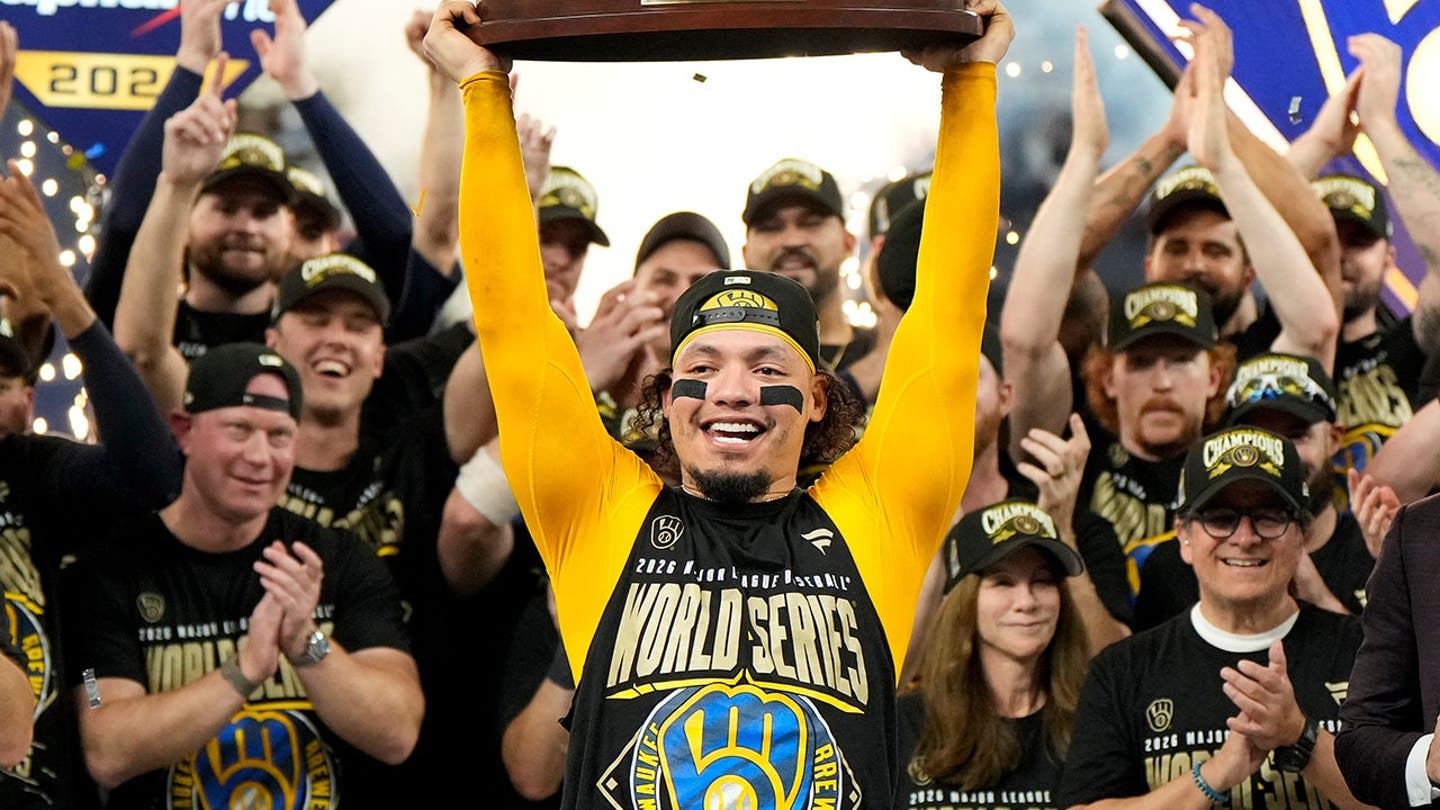
A looming labor cliff is driving that frantic pace.
The current Collective Bargaining Agreement between the owners and the union is set to expire on December 1.
Once that clock runs out, an immediate owner lockout is widely regarded as a foregone conclusion.
Recent dueling statements from the league and the players' union have all but erased any hope for an easy transition.
The league office issued remarks that critics argue disregard the economic realities of the modern game.
In response, the Major League Baseball Players Association reaffirmed its unyielding opposition to ownership demands.
Both sides have entrenched their positions well ahead of formal negotiations.
THE FIGHT OVER A SALARY CAP
The central battleground of this impending labor war is a potential salary cap.
Major League Baseball remains the only major North American team sport without a hard cap on player payrolls.
The union has fiercely protected that open-market principle for more than half a century.
Player representatives view a salary cap as an artificial mechanism designed solely to suppress wages.
Owners, conversely, continue to push the narrative that a cap is essential to establish competitive balance across the league.
Pessimists argue that owners simply want rules enshrined to protect low-spending franchises from ever having to invest heavily in talent.
Such restrictions would guarantee expanded profit margins and drive up franchise valuations without fixing underlying disparities.
The players have shown zero willingness to entertain any system that restricts their hard-fought free-market access.
Because neither side appears ready to compromise on that core principle, a protracted standoff seems inevitable.
LOCKOUT VERSUS STRIKE
Baseball fans must understand the fundamental mechanical distinction between the types of work stoppages.

A strike is an action initiated by the workforce.
In a strike, the players collectively refuse to report to work in order to force management to negotiate.
A lockout is entirely an employer-driven measure.
When the clock strikes midnight on December 1, team owners are the ones who will vote to shut the doors.
A lockout prohibits players from utilizing team facilities, speaking with team personnel, or signing contracts.
Ownership implements lockouts as leverage to pressure players before spring training games are scheduled to begin.
If the 2027 season is delayed or lost, the initial shutdown will have come from the league itself.
OPTIMISTS SEE ROOM FOR A DEAL
Despite the fiery rhetoric, some within the industry remain confident that catastrophe will be avoided.
Optimists point out that Major League Baseball currently enjoys significant commercial momentum.
League-wide attendance has steadily climbed in recent seasons.
Television viewership and general fan engagement have followed a similar upward trajectory.
Both owners and players stand to lose billions of dollars if games are wiped off the calendar.
New York Yankees president Randy Levine publicly voiced optimism regarding the labor landscape.
Levine said he is confident MLB will avoid a lockout despite the intense fight over a salary cap.
From a financial standpoint, the incentives for compromise remain extraordinarily powerful.
Baseball experienced modest television ratings when two small-market clubs squared off in the most recent World Series.
Those numbers trailed the massive audiences drawn in 2024 and 2025 when marquee brands like the Los Angeles Dodgers, New York Yankees, and Toronto Blue Jays commanded the stage.
Throwing away an entire championship season would halt the sport's hard-won cultural resurgence.

HARPER'S FIERCE UNION ALLEGIANCE
Harper's comments take on added weight when viewed through his extensive track record of union solidarity.
The Phillies star is widely regarded as one of the most outspoken player advocates in the sport.
He has consistently demonstrated that he is willing to confront authority directly.
During a tense 2025 meeting, Harper famously told MLB commissioner Rob Manfred to leave the clubhouse in profane terms.
He ordered the commissioner to get the expletive out of their clubhouse.
That fiery confrontation revealed exactly where Harper stands on union matters.
When Harper suggests that the regular season might be wiped out, he is not speaking as a passive observer.
He is delivering an unsubtle message about the union's collective resolve.
By declaring that March through October will be the offseason, Harper signaled that the players will not crack under financial pressure.
His message implies that the locker room is entirely prepared to sacrifice an entire year of paychecks to kill any salary cap proposal.
WHAT HAPPENS NEXT
The baseball world now faces a prolonged period of profound uncertainty.
Free-agent signings and blockbuster trades are expected to accelerate rapidly prior to the December 1 expiration.
Front offices understand that the transaction freeze could freeze their rosters for months once the deadline passes.
Once the lockout is officially enacted, formal bargaining sessions will dictate the fate of the sport.
Whether the two sides can construct common ground before spring training remains the billion-dollar question.
Harper has already drawn his line in the sand, even if he did so from the comments section of a latte recipe.
Fans can only hope that ownership takes note of the players' apparent willingness to sit out the entire year.
Do you believe Harper's comment shows players are genuinely prepared to miss the entire 2027 season over a salary cap dispute?
Advertisement
You may also like
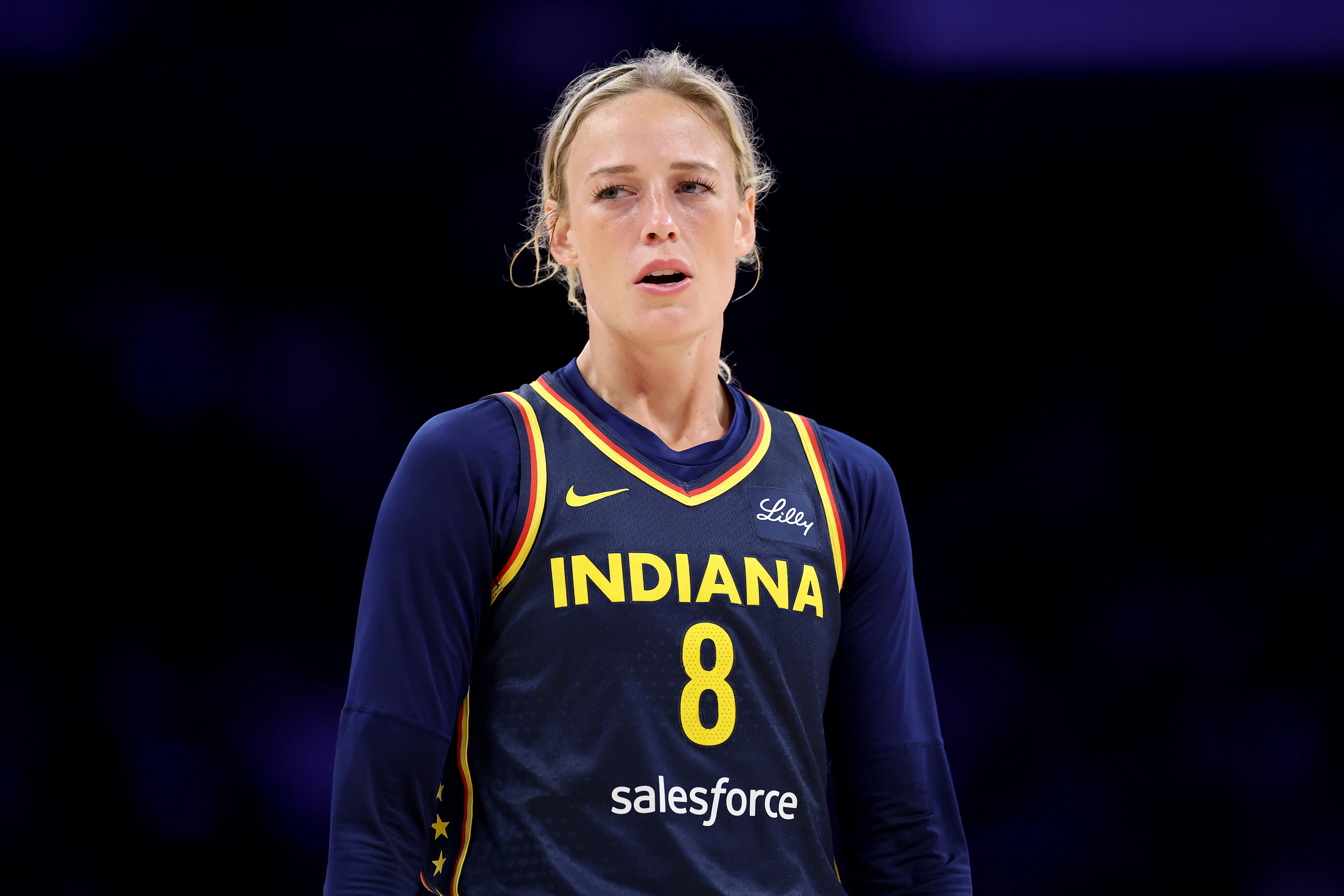
Sophie Cunningham Sparks Controversy After Publicly Questioning Why WNBA Players Miss Open Layups
Impending free agent Sophie Cunningham has sparked debate after publicly discussing missed open layups on her podcast, a topic critics frequently use to dismiss…

DP World Tour Rule Change Means Qualifying Players Must Officially Terminate Their LIV Careers
Under an updated DP World Tour policy, players can no longer compete across both circuits, meaning any LIV golfer who earns status at Q…
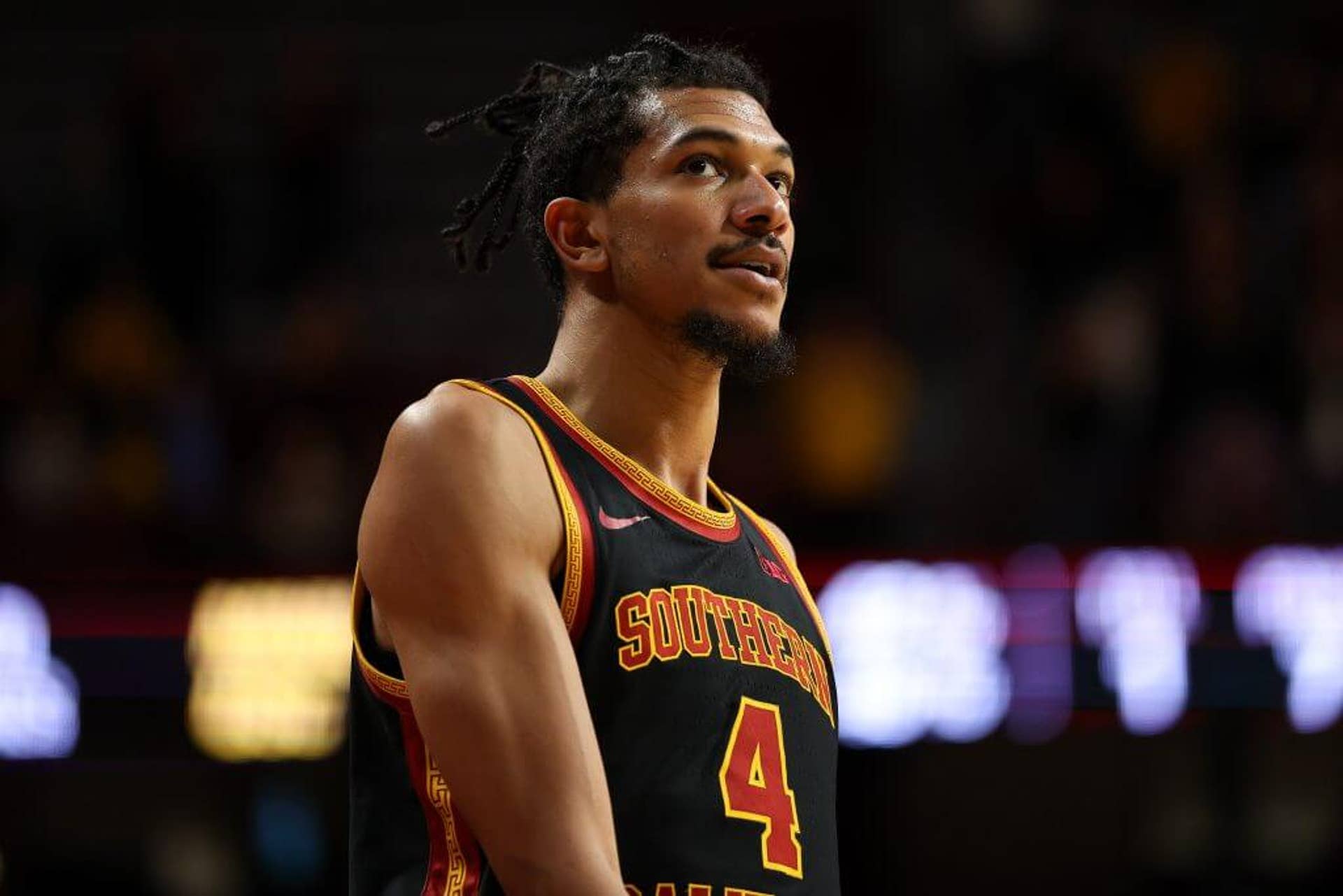
USC Settles Lawsuit After NIL Collective Used Morals Clause To Cut Chad Baker-Mazara’s Pay
USC's NIL collective cited a morals clause to terminate Chad Baker-Mazara's contract without providing an explanation before ultimately reaching a legal settlement. The resolution…

Anna Leigh Waters Expands Global Platform In Manila To Champion Active Living And Nutrition
Beyond holding the world No. 1 ranking across all three pickleball divisions, Anna Leigh Waters is taking center stage in Manila to represent an…

As Jon Rahm Accepts Fines To Move On, Bryson DeChambeau Faces A Brutal Tour Dilemma
While Jon Rahm accepted DP World Tour fines and stipulations to secure his competitive future, Bryson DeChambeau's last-minute vocal support for LIV 2.0 leaves…

Jen Affleck Files for Divorce from Zac After Seven Turbulent Years of Marriage
Jennifer Affleck filed for divorce from Zac Affleck in Utah after seven years of marriage, following years of relationship struggles that played out across…