Bryce Harper Stirs Labor Concerns After Implying The 2027 MLB Season Could Be Canceled
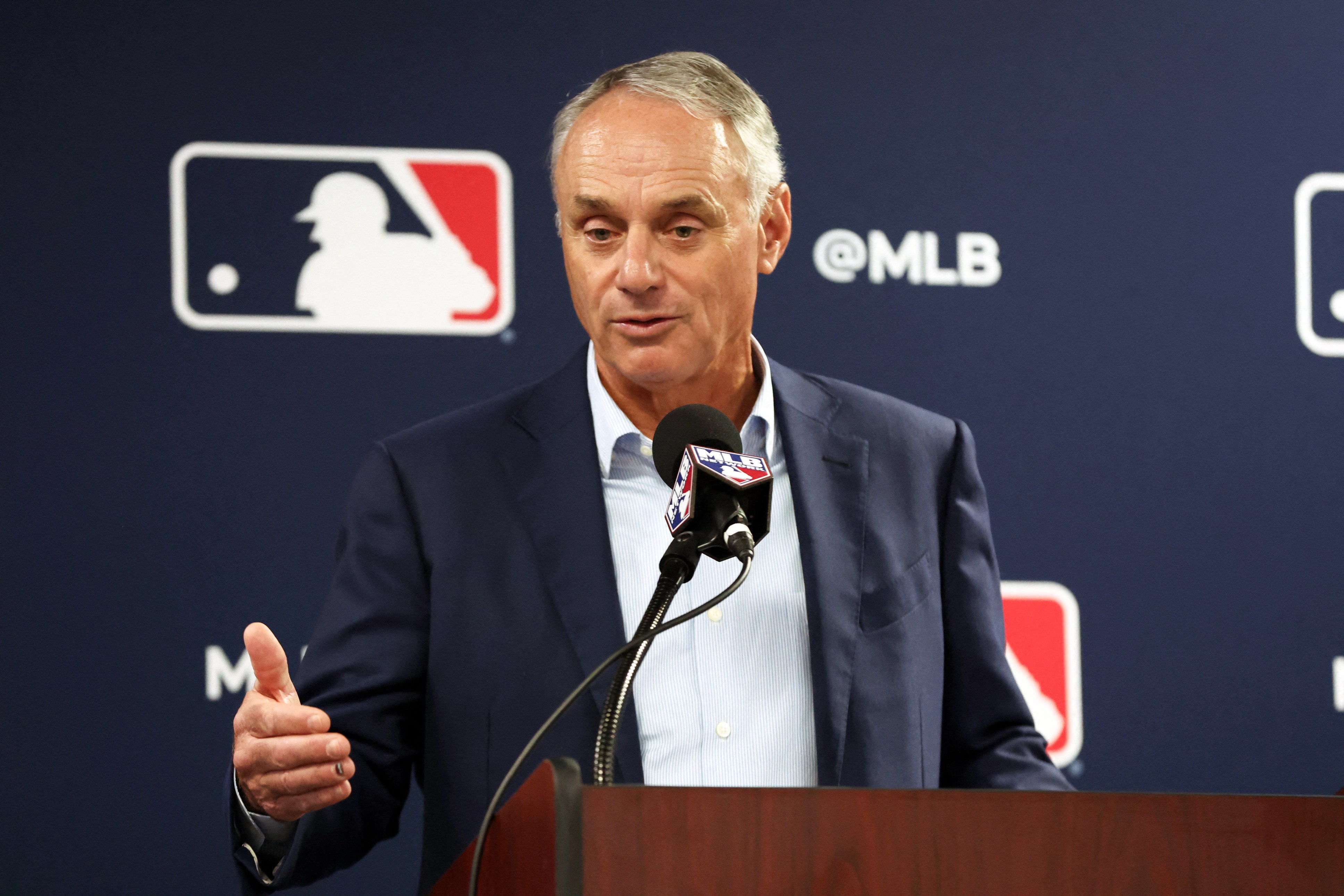
Bryce Harper openly addressed Major League Baseball's labor state, suggesting that there might not be a 2027 season and admitting he enjoys the offseason more than playing.
The candid remarks from the superstar immediately reverberated across the sports world.
Few players carry as much weight in the modern game as Harper.
When an athlete of his stature speaks plainly about labor strife, people throughout the industry take notice.
His suggestion that an entire season could vanish highlights the growing friction behind closed doors.
Baseball fans are all too familiar with the threat of work stoppages.
Yet, hearing a premier player casually forecast a canceled campaign brings that reality uncomfortably close to home.
At the same time, Harper surprised many by acknowledging how much he appreciates his time away from the diamond.
Balancing the grueling demands of a 162-game schedule is known to take an immense physical and mental toll on athletes.
Even so, hearing an active marquee talent admit that he favors the offseason over the grind of playing caught many observers off guard.
Those personal reflections arrived alongside his warning about the precarious state of the league's labor negotiations.
A SHADOW OVER THE 2027 SEASON
The focus on the 2027 campaign centers on the expiration of the current Collective Bargaining Agreement.
Major League Baseball and the players' union operate under negotiated labor deals that dictate every economic rule in the sport.
When a collective bargaining agreement expires without a replacement, the sport enters dangerous territory.
The current agreement runs through the end of the 2026 season.
That timeline makes 2027 the critical checkpoint where labor peace must either be renewed or lost.
If the league and the players cannot agree on terms, a lockout or strike becomes an immediate threat.
Harper's comments reflect genuine concern that the divide between the two sides may prove too wide to bridge in time.
Canceling games is always considered a nuclear option in professional sports.
A completely canceled season would represent an unprecedented modern catastrophe for Major League Baseball.
The last time labor strife erased a significant portion of baseball was during the 1994-95 strike.
That dispute famously resulted in the cancellation of the 1994 World Series and damaged the sport's relationship with its fanbase for years.
More recently, the league endured a 99-day lockout during the winter of 2021 and 2022.
While that dispute delayed spring training, an agreement was reached just in time to preserve a full 162-game regular season.
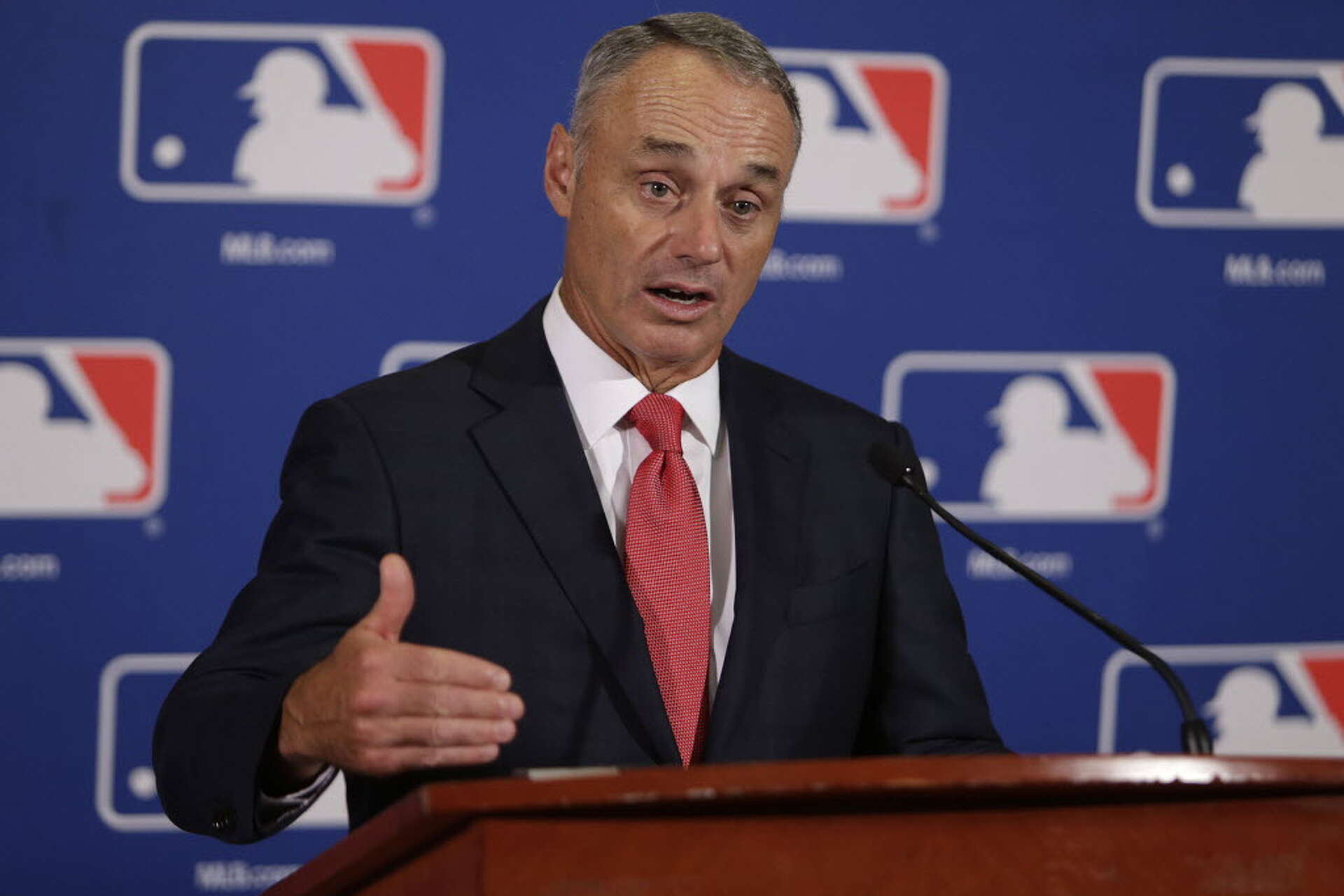
Harper's recent comments suggest that the upcoming negotiations could be far more contentious than the last round.
THE SALARY CAP AND FLOOR BATTLE
At the heart of the brewing storm is the debate over the economic structure of baseball.
Reports indicate that Major League Baseball has floated proposals involving a salary cap paired with a salary floor.
A salary cap sets a strict upper limit on total team spending to prevent wealthy franchises from vastly outspending their rivals.
Conversely, a salary floor sets a mandatory minimum amount that every club must spend on player payroll each year.
The Major League Baseball Players Association has historically fought fiercely against any hard limit on player earnings.
For decades, the union has viewed a salary cap as an unacceptable restriction on a free and open market.
Union leadership has routinely maintained that suppressing individual market value undermines player leverage across the board.
Team owners, on the other hand, frequently argue that a cap is essential to establish competitive balance.
The tension between large-market spending power and small-market budget limits remains an ongoing issue for baseball.
While some smaller clubs struggle to match payrolls with perennial big spenders, the union insists that revenue sharing already provides sufficient tools for competition.
With both sides deeply entrenched in their positions, any push for a salary cap is guaranteed to trigger massive pushback.
To navigate that impasse, reports indicate the league has discussed delaying the proposed salary cap implementation until 2028.
Pushing the start date back could buy time, but it does not resolve the philosophical disagreement.
Players remain inherently skeptical of any framework that introduces a hard spending ceiling.
COMMISSIONER DECISIONS AND FAN BACKLASH
These tense economic discussions arrive during an already delicate period for Major League Baseball.
The commissioner's office has faced intense fan backlash over recent controversial decisions.
Public pressure recently forced the league to reverse course and rethink major operational moves.
Baseball enthusiasts have become increasingly protective of the traditions and accessibility of their sport.
When governing bodies attempt sweeping changes, supporters often mobilize to voice their disapproval.
Navigating public discontent while simultaneously confronting hostile labor talks places league leaders in a vulnerable position.
Fans who already feel alienated by organizational missteps are unlikely to tolerate an owner-imposed lockout or a player strike.
The threat of lost games risks driving away the very consumers who purchase tickets, merchandise, and broadcast packages.
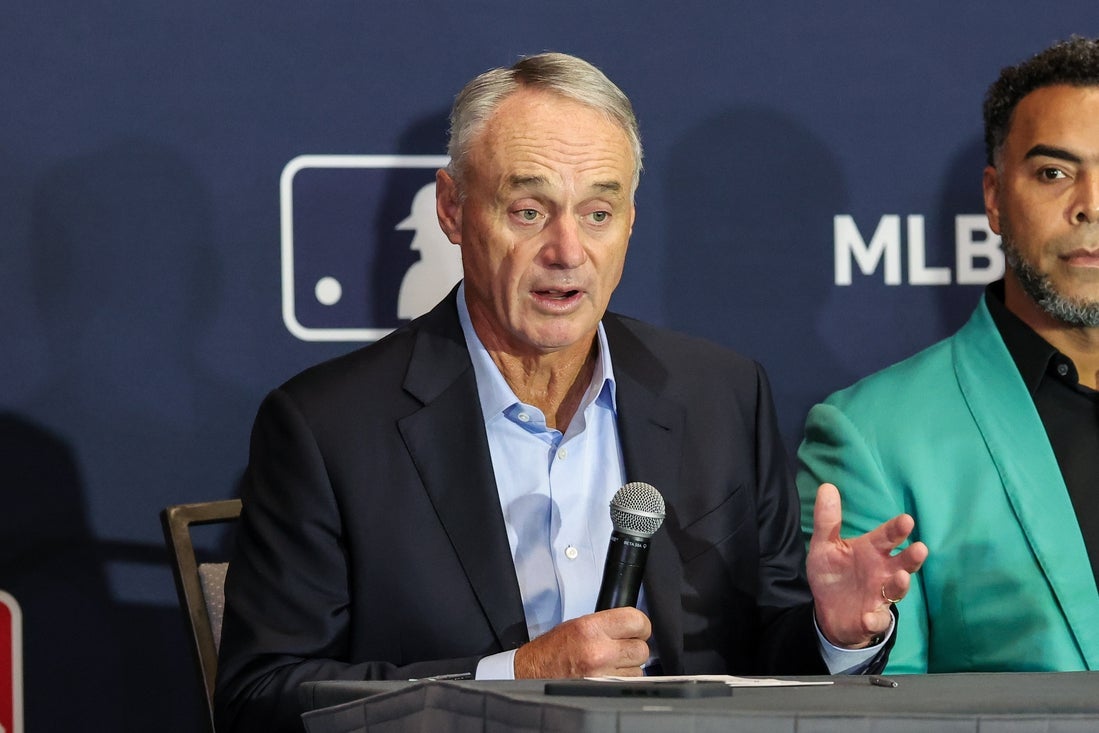
A protracted labor war alienates casual fans and frustrates dedicated season-ticket holders alike.
Every time economic disputes enter the public sphere, the integrity and reputation of the sport face renewed scrutiny.
THE GRIND OF BASEBALL AND HARPER'S ADMISSION
Beyond the business aspects of the game, Harper's remarks offer a rare window into the mindset of modern superstars.
Admitting a preference for the offseason over active play is an unusually honest admission for an athlete in his prime.
Major League players endure months of daily travel, relentless conditioning, and unforgiving public evaluation.
The regular season runs from late March through early October, with postseason contenders playing deep into autumn.
That unrelenting calendar leaves players with very little time for family life or physical recovery.
The winter months offer a brief sanctuary where athletes can rest aching joints and step away from the pressure cooker.
Harper has played under the intense glare of the national spotlight since he was a teenager.
Carrying franchise-altering expectations for over a decade can undoubtedly make the peace of the offseason appealing.
However, pairing that admission with labor skepticism paints a picture of a player acutely aware of life outside the lines.
If veteran leaders are already weary of the grind, their patience for difficult labor negotiations may be equally thin.
Players who value their autonomy and family time are unlikely to yield easily when economic restrictions are proposed.
WHAT LIES AHEAD BEFORE 2027
Despite the alarming predictions, the 2027 season remains several years away on the calendar.
There is still substantial time for both sides to engage in substantive discussions before the current CBA concludes.
Informal talks, committee meetings, and internal strategy sessions will take place long before expiration day.
Both the owners and the union will monitor economic trends, regional sports network revenues, and overall league growth.
Yet, the early posturing shows that battle lines are already being drawn.
Discussions regarding salary caps, floors, and implementation timelines indicate that neither party is waiting until the eleventh hour to plan their stances.
Small-market clubs will continue to push for structural parity, while the union will guard its hard-won financial rights.
Whether Harper's dark forecast comes to fruition will depend on the willingness of both sides to compromise.
Until a new agreement is signed, the specter of a canceled 2027 season will continue to hang over Major League Baseball.
How do you feel about Bryce Harper openly suggesting that the 2027 season might not happen?
Advertisement
You may also like

Barred In Pennsylvania Over Cruelty, Juan Vazquez Racks Up 44 Wins Across State Lines
Despite being turned away by Pennsylvania, Vazquez has logged 243 starts and 44 wins as a trainer at Mountaineer through the first 10 months…
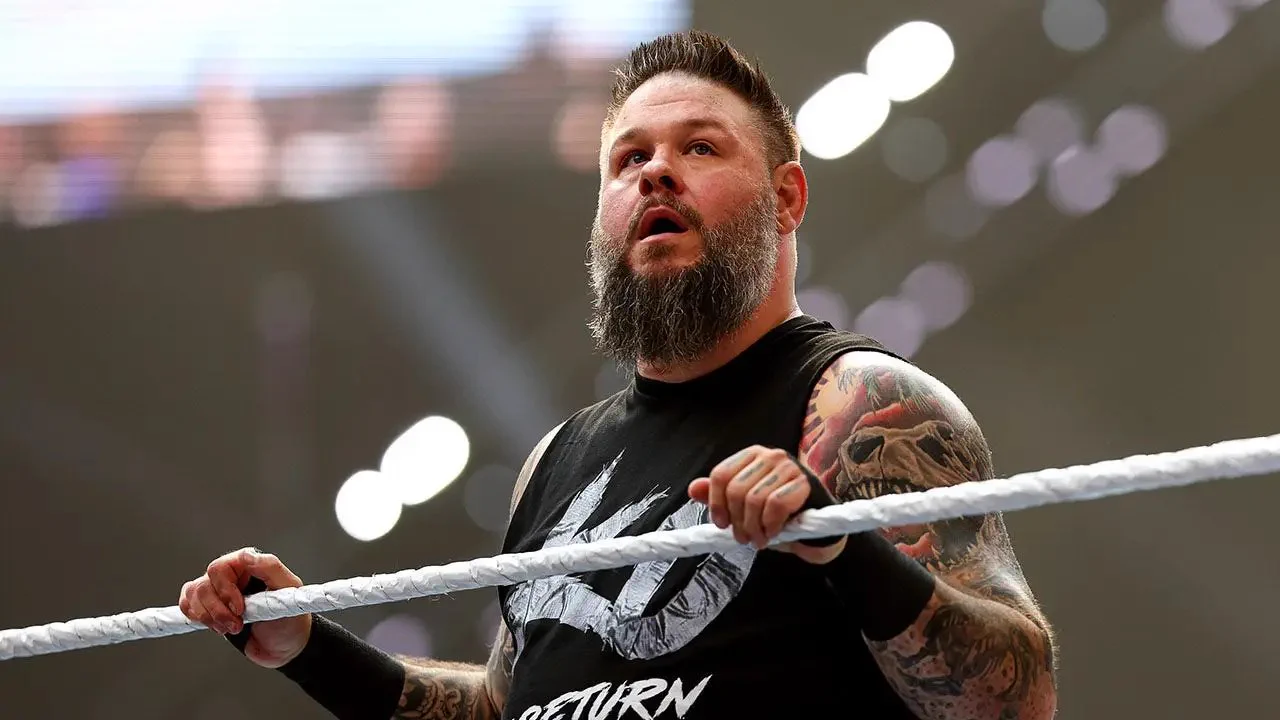
Kevin Owens Interferes In NXT Title Match As Grayson Waller Pins CM Punk To Retain
Kevin Owens Interferes In NXT Title Match, Grayson Waller Pins CM Punk To Retain. That dramatic sequence brought a chaotic end to the main…
Jaylen Carey Missed Both October Exhibitions Before Dennis Gates Confirmed Tigers Center's Indefinite Suspension
Jaylen Carey took part in Missouri's pro day on October 11, but was held out of both exhibition games in late October before Dennis…
Paul Bissonnette Unloads on the Blackhawks on TNT, Calling Chicago a Soft Team
During TNT's broadcast coverage, analyst Paul Bissonnette unloaded on the Chicago Blackhawks, calling them a soft team with no clear identity alongside harsh labels…
Dan Lanning Addresses Messiah Hampton's Uncertain Oregon Status Ahead Of Ohio State Showdown
Oregon head coach Dan Lanning addressed Messiah Hampton's status during his weekly press conference ahead of the Ducks' upcoming matchup with No. 11 Ohio…
Shelley Duncan Earns Major League Promotion With Red Sox Following A Decade-Long Coaching Climb
Since his playing career ended in 2014, Shelley Duncan has climbed through Low-A, High-A, Double-A, and Triple-A alongside multiple MLB staff roles before earning…