Cadillac reveals cause of Bottas’ terrifying 200mph crash
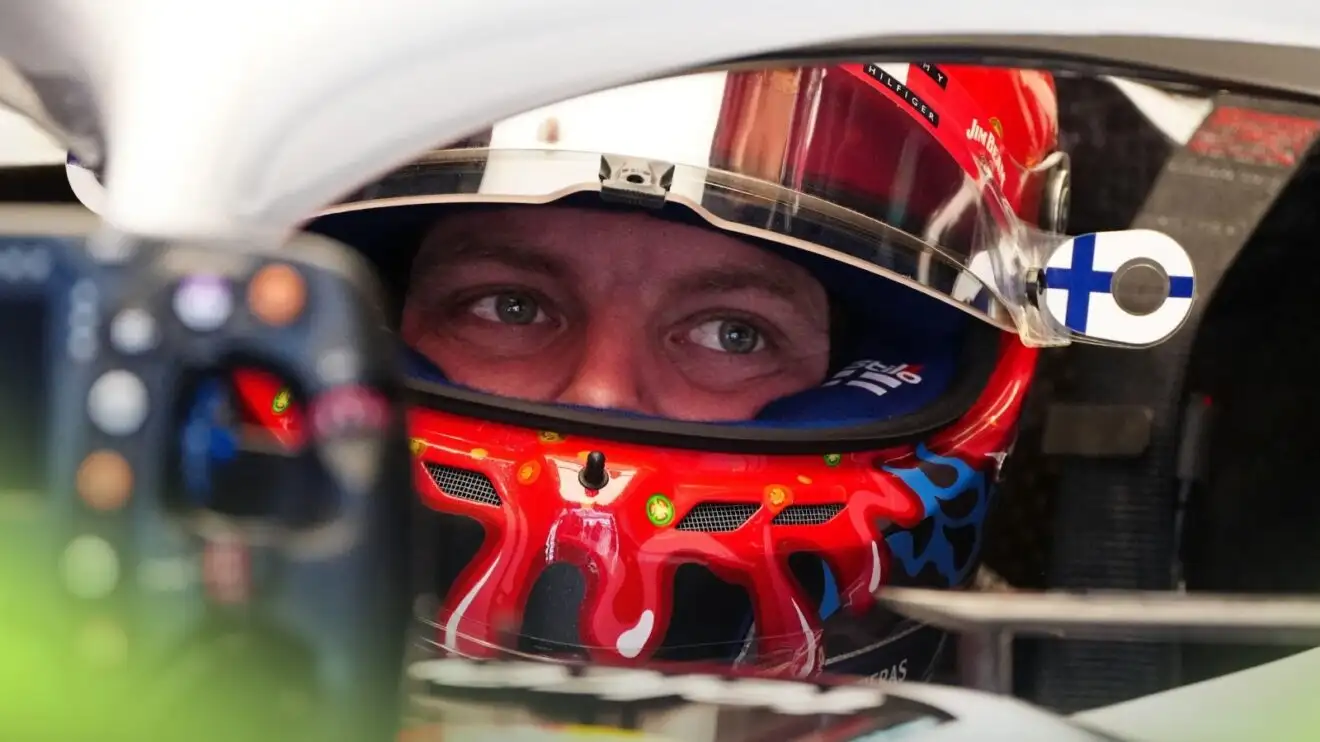
Cadillac has confirmed the findings of its investigation into Valtteri Bottas' frightening crash at the Mexico City Grand Prix, revealing a suspension failure as the cause.
The incident occurred on lap 41 of Sunday's race as Bottas approached Turn 1 at speeds of around 200mph.
The front-left suspension of his MAC-26 buckled and shattered under heavy braking.
Bottas was sent into a spin, becoming a helpless passenger as the car careened into the TecPro barriers.
The impact was severe enough to require a red flag period for barrier repairs.
Bottas remained in the car for some time before extricating himself unaided.
He was taken to the medical center, where he was given the all-clear.
The crash left the Finn visibly shaken.

In an unbroadcast radio exchange with race engineer John Howard, Bottas expressed his fury in strong words.
“It was a big impact in turn 1, but fortunately I am fine,” Bottas said afterward.
“It is essential that we thoroughly analyze what has happened and learn from it. We had a good start to the race and it is disappointing not to have finished,” he added.
Cadillac team boss Marcin Budkowski confirmed the investigation findings.
“Following our post-race investigations, Valtteri suffered a suspension failure, and we have implemented mitigations going forward,” Budkowski said.
The failure is extremely rare in modern Formula 1.
But this marks the second such suspension failure for Cadillac in its maiden campaign.
The previous occasion came at the Canadian Grand Prix, where the front-right corner of Sergio Perez's car failed as he entered the pit lane.
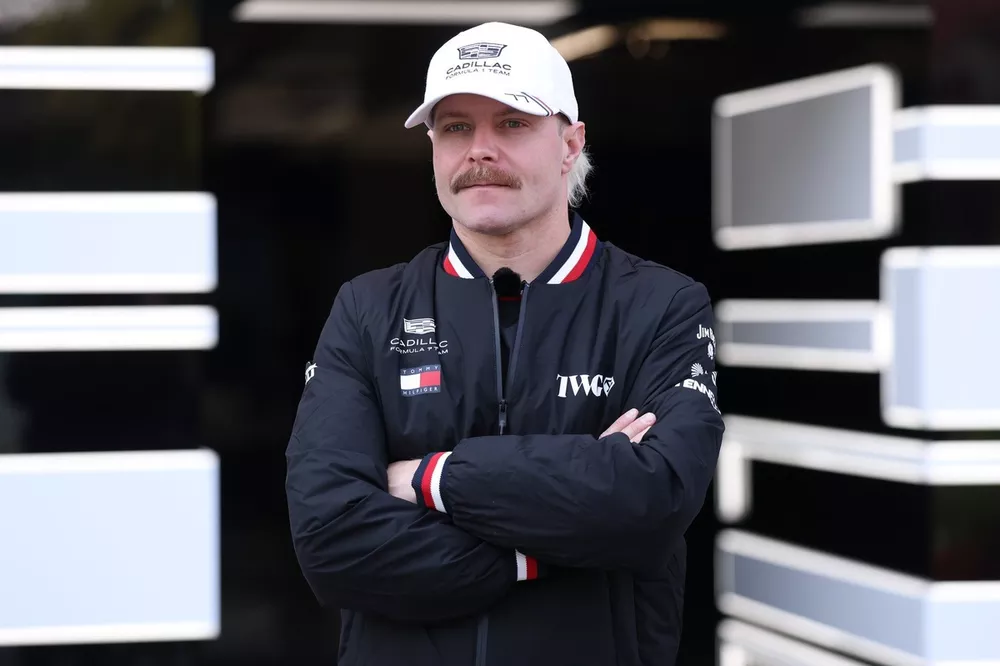
Unlike Bottas' example, that failure happened under minimal braking load.
Despite the failure in Mexico, Cadillac allowed Perez to complete the race in the sister car following the red flag period.
The weekend had been Cadillac's most competitive of the season.
Budkowski noted that both drivers had been fighting in the leading group.
“We are coming off our most competitive race of the season in Mexico City, where our pace relative to our direct competitors showed encouraging progress,” Budkowski said.
He also congratulated Perez on his 300th Grand Prix, calling it a memorable week for him and the entire team.
Perez had advanced to thirteenth position in the early moments of the race before a long pit stop and a penalty for speeding in the pit zone undermined his performance.
For Bottas, the crash capped off a miserable weekend that began with a viral infection.
The veteran driver also faced frequent questioning about ongoing speculation regarding his future with the American Silverstone-based squad.
Looking ahead, Bottas said he is focused on the next race at Interlagos.
“It's a great circuit to drive, with the elevation changes and a mix of corners that really reward getting into a good rhythm,” Bottas said.
“The weather can make things interesting here, so we'll need to be ready to adapt and take any opportunities that come our way. It's been a busy triple-header for everyone, and we're focused on putting together a clean weekend and finishing this run of races on a positive note,” he added.
Budkowski emphasized that the team has now introduced “mitigations” to prevent a repeat of the failure.
The exact nature of those mitigations has not been disclosed.
Suspension failures in Formula 1 are investigated thoroughly by both teams and the FIA, the sport's governing body.
The FIA sets strict safety standards for all teams, and any structural failure is treated with high priority.
Cadillac entered Formula 1 at the start of the 2026 season, becoming the sport's newest constructor.
The team is based in Silverstone, England, with American ownership and branding.
Bottas joined Cadillac after a successful career with Mercedes and Williams, bringing experience from multiple championship-winning campaigns.
Perez, a Mexican driver, joined his home team after a long tenure with Red Bull Racing.
The Mexico City Grand Prix is held at the Autódromo Hermanos Rodríguez, a high-altitude circuit known for its long straight and heavy braking zones.
Turn 1 at the circuit is one of the most demanding braking points on the Formula 1 calendar.
Cars reach top speeds on the start-finish straight before shedding speed rapidly for the right-hand corner.
The run-off area and barriers at Turn 1 are designed to dissipate energy in high-speed incidents.
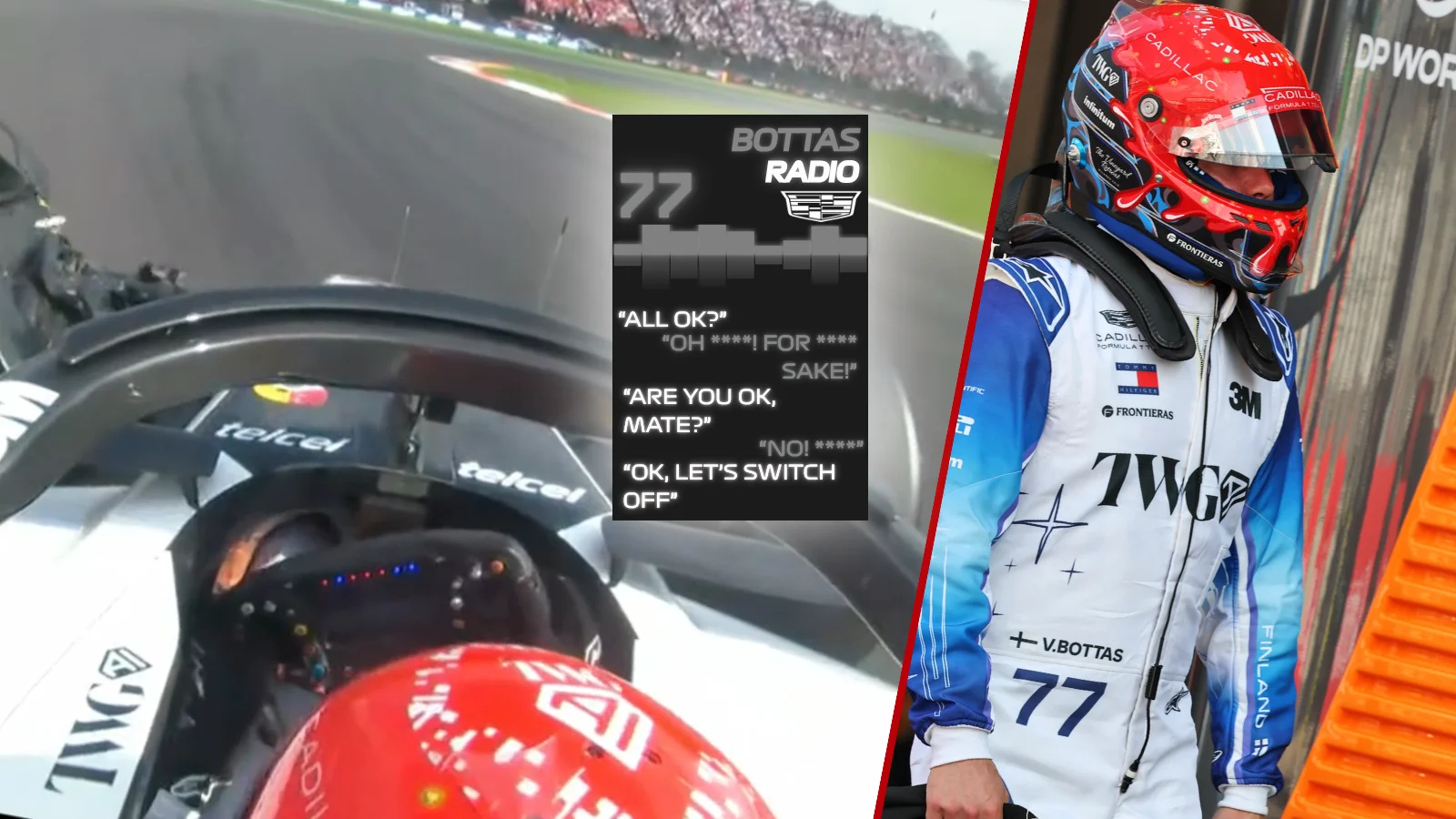
Bottas' crash tested those safety systems, and they performed as intended.
The FIA will review the incident as part of its ongoing safety monitoring.
Cadillac's investigation focused on the failed suspension component, examining manufacturing, assembly, and operational factors.
The team has not released detailed technical findings publicly.
Budkowski's confirmation that mitigations have been implemented suggests the root cause has been identified.
The team will face further scrutiny at the upcoming Brazilian Grand Prix.
Interlagos, the circuit in São Paulo, features its own high-speed sections and challenging braking zones.
Bottas will return to the cockpit with the confidence that the issue has been addressed.
The incident serves as a reminder of the risks inherent in Formula 1, even with modern safety standards.
Cadillac will aim to build on its competitive performance in Mexico while ensuring reliability for the remainder of the season.
The championship continues with the Brazilian Grand Prix, followed by races in Qatar and Abu Dhabi to close out 2026.
Advertisement
You may also like

NBA champion Steve Kerr trolls Donald Trump with a savage jab
Golden State Warriors head coach Steve Kerr took a sharp, humorous jab at President Donald Trump during his Wednesday media availability, referencing a campaign…

John Cena’s subtle salute to Gunther after his return
John Cena made a surprise appearance on the Oct. 30, 2026 edition of WWE NXT. As he walked to the ring, he stopped in…

Braden Smith Makes NBA Debut With the Pacers
Purdue basketball alum Braden Smith makes NBA debut with the Pacers. Braden Smith, the former Purdue Boilermakers guard, stepped onto an NBA floor for…

Red Wings vs. Golden Knights Live Score and Game Updates
NHL.LIVE: Detroit Red Wings vs Vegas Golden Knights LIVE STREA.MS NHL Game On TV Coverage 6 Nov 2026. Puck drop is set for 7…

Business leaders face a tough choice with workplace monitoring.
Big Brother 2026 has officially crowned a winner. Rochelle took the title on the live final, hosted by AJ Odudu and Will Best on…

WWE Plans Huge 30th Anniversary Celebration for The Rock
WWE is planning to celebrate 30 years of The Rock this month. Plans include a commemorative championship belt. Special merchandise releases are also in…