FBI Reveals Terror Motive in Austin Bar Massacre
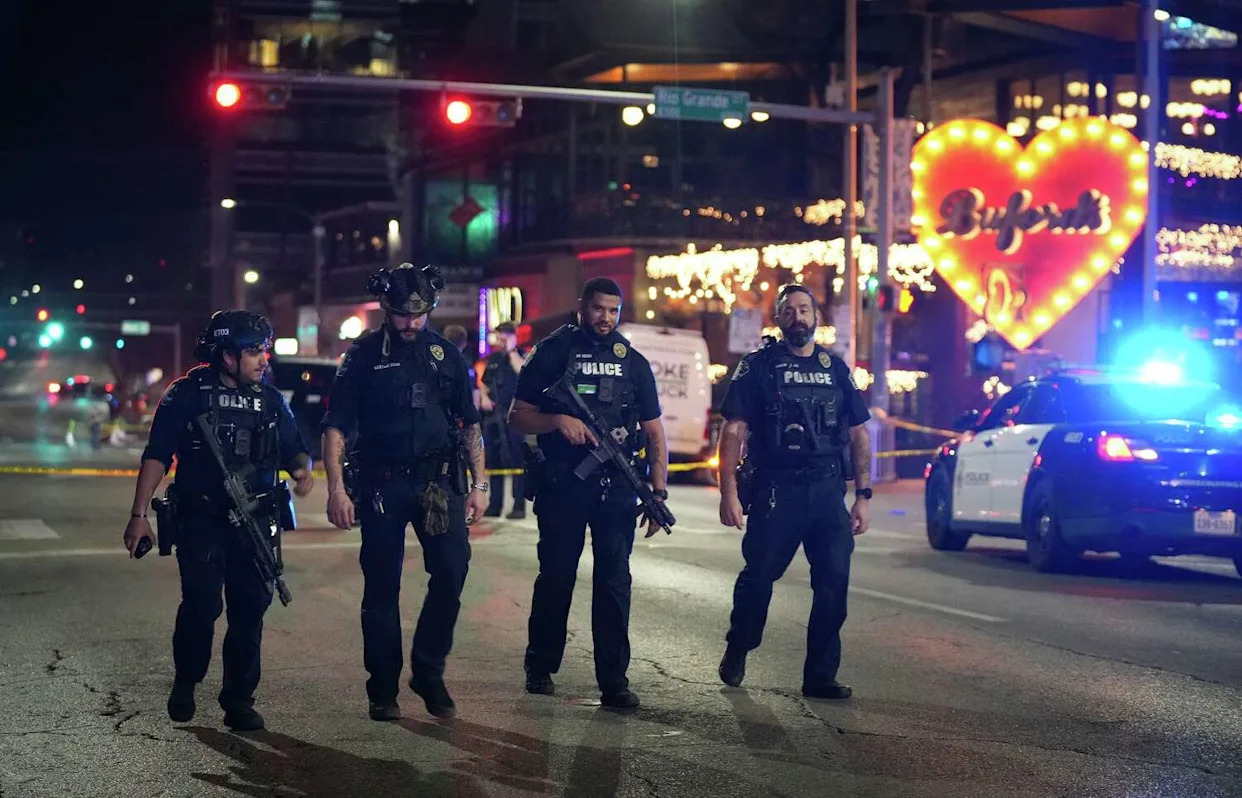
The FBI concluded the Austin Sixth Street shooter acted alone and was motivated by US and Israeli strikes on Iran.
Ndiaga Diagne, 53, fired a pistol and then an AR-15-style rifle into a beer garden and surrounding crowds on West Sixth Street.
The attack killed three people and wounded 15 others.
Police shot Diagne dead at the scene.
According to a source close to the situation, the FBI’s investigation found no evidence of co-conspirators or a broader network.
“The FBI concluded he acted alone, motivated by US and Israeli strikes on Iran,” a person familiar with the matter said.
The finding marks the first official determination of a motive in the case.
Diagne reportedly carried out the attack using two weapons: a pistol and an AR-15-style rifle.
He opened fire into a crowded beer garden before turning his weapon on the surrounding crowds.
Law enforcement responded swiftly, engaging and killing the shooter on West Sixth Street.
The investigation involved multiple federal and local agencies.
The FBI led the probe into the shooter’s background, communications, and digital footprint.
Sources say the bureau found no evidence of foreign direction or material support.
Diagne appears to have been radicalized independently, driven by anger over the US and Israeli military campaign against Iran.
The motive raises new questions about lone-actor attacks tied to international events.
Austin’s Sixth Street entertainment district is one of the busiest nightlife corridors in Texas.
On weekends, the area draws thousands of people to its bars, clubs, and outdoor patios.
The shooting occurred during a peak evening period.
Witnesses described scenes of chaos as gunfire erupted in the packed outdoor space.
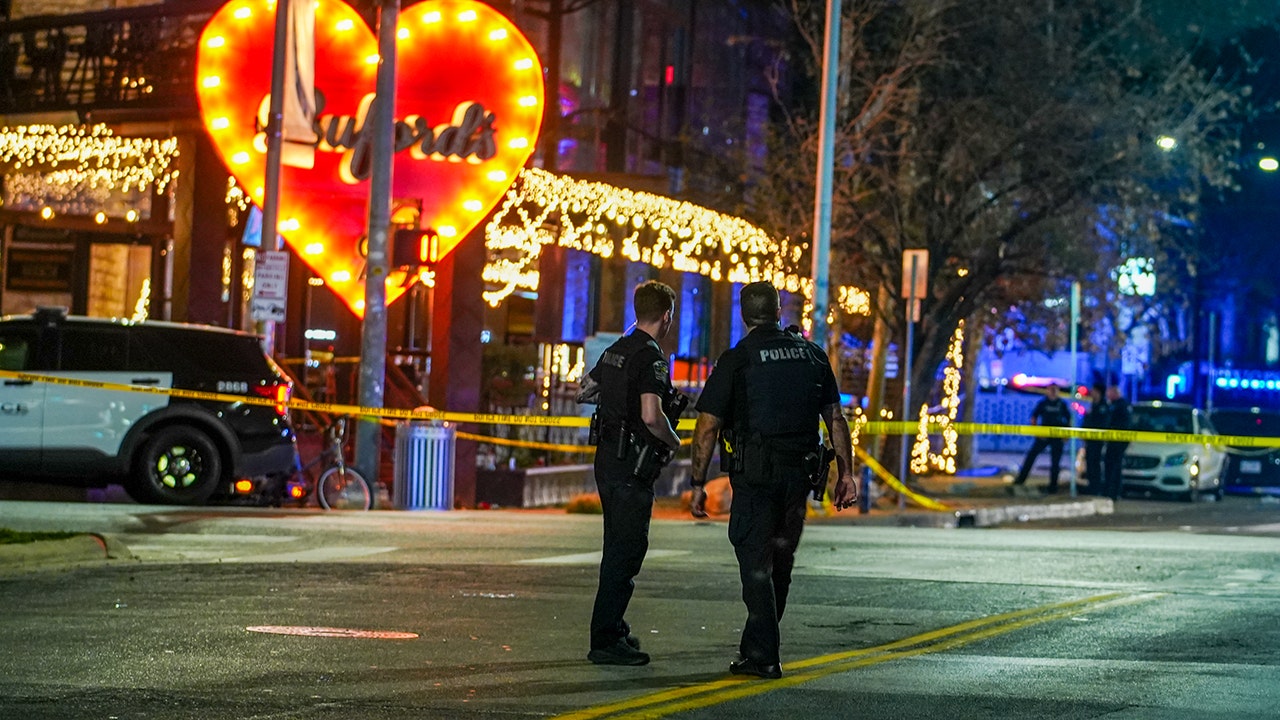
Three victims died at the scene or shortly after at area hospitals.
Fifteen others were treated for gunshot wounds, some in critical condition.
Diagne’s prior history remains under review by investigators.
Authorities have not released a detailed timeline of his movements before the attack.
The FBI’s conclusion shifts the public understanding of the event from random violence to targeted political violence.
Federal officials have classified the shooting as an act of domestic terrorism inspired by foreign developments.
This classification carries specific legal and investigative implications.
Domestic terrorism statutes allow broader surveillance and evidence-gathering powers.
But because Diagne is deceased, no criminal charges will be filed.
The case is closed from a prosecution standpoint.
Still, the FBI’s findings will inform ongoing assessments of threat environments in entertainment districts.
Law enforcement agencies across the country are likely to review their protocols in light of the motive.
Lone-actor attacks are notoriously difficult to prevent.
They often leave no warning signs detectable by traditional intelligence methods.
Diagne’s case fits that pattern, according to sources.
He reportedly left no manifesto, no direct threats, and no known contact with extremist groups.
The only link to a broader cause is the stated motive: anger over US and Israeli strikes on Iran.
Those strikes, conducted earlier this year, targeted Iranian military infrastructure.
The US and Israel described the operations as responses to Iranian aggression.

Iran condemned the strikes and warned of retaliation.
Diagne’s attack appears to have been his personal response to that geopolitical event.
The FBI’s conclusion does not indicate any connection between Diagne and Iranian state actors.
There is no evidence he received orders, funding, or training from any foreign entity.
He acted on his own conviction, investigators believe.
This type of grievance-based violence is increasingly common in the US threat landscape.
Federal law enforcement has warned for years about the rise of lone-actor terrorism.
Motivations range across the ideological spectrum.
Some attackers are driven by white supremacist beliefs.
Others are inspired by Islamist ideology.
Still others, like Diagne according to the FBI, act in response to US foreign policy.
The common thread is the absence of formal organizational ties.
The Austin shooting adds to a growing list of mass casualty events in public spaces.
Nightlife districts present unique security challenges.
They are open, crowded, and often lack the physical barriers of government buildings or stadiums.
Security experts have long called for better protection of these areas.
But implementing measures like vehicle barriers, bag checks, and armed security is expensive and logistically complex.
The FBI’s finding may reignite debate over how to balance safety with the open character of entertainment zones.
Austin city officials have not yet announced specific policy changes in response to the shooting.

Mayor Kirk Watson previously expressed condolences and promised a thorough review.
The Austin Police Department has increased patrols in the Sixth Street area since the attack.
Business owners along the corridor have reported a drop in foot traffic.
Some are calling for permanent security upgrades funded by the city.
Others worry that heavy security will change the character of the district.
The FBI’s motive announcement adds a political dimension to the local debate.
For the families of the victims, the finding provides some closure on the question of why.
But it also raises uncomfortable questions about whether the attack could have been foreseen.
Diagne had no criminal record that would have flagged him to authorities.
He was not on any federal watchlist.
His neighbors described him as quiet and unremarkable.
There were no public statements or social media posts suggesting violent intent.
In hindsight, investigators found no actionable intelligence.
The case is a textbook example of the lone-actor problem.
Prevention depends on tips from the community, behavioral indicators, or sheer luck.
None of those factors intervened in Austin.
The FBI’s conclusion is final from an investigative standpoint.
But the broader implications will be debated for months.
Does the FBI’s finding that this was retaliation for the Iran strikes change how you think about security for large nightlife crowds in US cities?
Advertisement
You may also like

NBA champion Steve Kerr trolls Donald Trump with a savage jab
Golden State Warriors head coach Steve Kerr took a sharp, humorous jab at President Donald Trump during his Wednesday media availability, referencing a campaign…

John Cena’s subtle salute to Gunther after his return
John Cena made a surprise appearance on the Oct. 30, 2026 edition of WWE NXT. As he walked to the ring, he stopped in…

Braden Smith Makes NBA Debut With the Pacers
Purdue basketball alum Braden Smith makes NBA debut with the Pacers. Braden Smith, the former Purdue Boilermakers guard, stepped onto an NBA floor for…

Red Wings vs. Golden Knights Live Score and Game Updates
NHL.LIVE: Detroit Red Wings vs Vegas Golden Knights LIVE STREA.MS NHL Game On TV Coverage 6 Nov 2026. Puck drop is set for 7…

Business leaders face a tough choice with workplace monitoring.
Big Brother 2026 has officially crowned a winner. Rochelle took the title on the live final, hosted by AJ Odudu and Will Best on…

WWE Plans Huge 30th Anniversary Celebration for The Rock
WWE is planning to celebrate 30 years of The Rock this month. Plans include a commemorative championship belt. Special merchandise releases are also in…