Frank McAvennie Apologizes After Backlash Over Calling Auston Trusty's Bereavement Leave 'Woke'
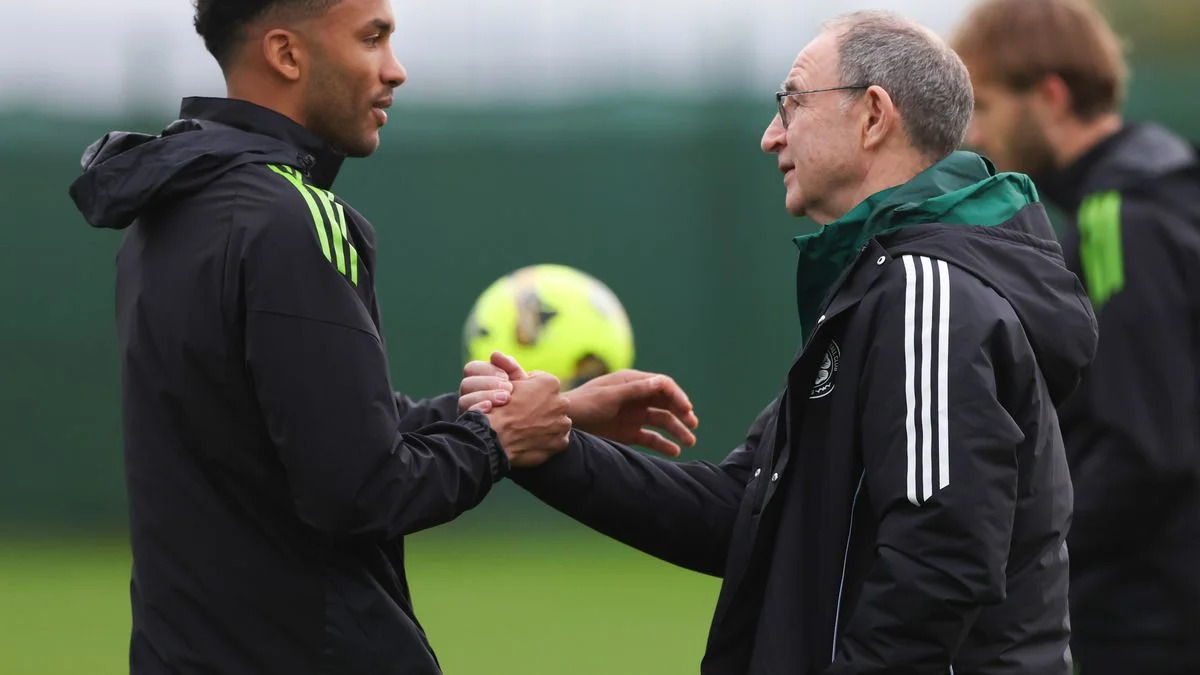
Former Celtic player Frank McAvennie released an apology after triggering intense backlash for questioning Auston Trusty's time off on his podcast and branding modern grieving responses as 'woke'.
The controversy began after the former striker made critical remarks regarding the United States men's national team defender on his show.
Trusty had recently stepped away from team duties following the death of his father.
The central defender had missed several matches for the Scottish side while dealing with the family tragedy.
After returning briefly to training, Trusty was granted additional leave by manager Martin O'Neill to fly home to the United States.
That trip was arranged so the defender could attend a celebration of his late father's life.
However, McAvennie took issue with the player's absence during a broadcast of his podcast.
PODCAST REMARKS SPARK FURY
The conversation unfolded on the show Let's Be Frank, also referred to as Let Me Be Frank, which is published on YouTube.
McAvennie had initially been offering sharp criticism of Celtic's recent performance against Falkirk.
The discussion took an unexpected turn when co-host Simon Houston brought up the defensive setup and Trusty's current status.
Trusty was set to miss Celtic's Europa League fixture against Turkish club Besiktas.
McAvennie openly questioned the duration of the American player's compassionate leave.
During the exchange, the former forward questioned: "how much time do you want off?"
Houston immediately pushed back against his co-host's critique.
The presenter attempted to justify the player's leave and reminded McAvennie that everyone processes grief in their own way.
McAvennie refused to back down from his stance during the recording.
Instead, the former player dismissed the idea that people grieve differently by labeling it a "woke" concept.
He also made reference to what he viewed as the "woke generation" during the broadcast.
The episode was subsequently uploaded to YouTube, where supporters quickly seized upon the comments.
BACKLASH AND TWO STATEMENTS
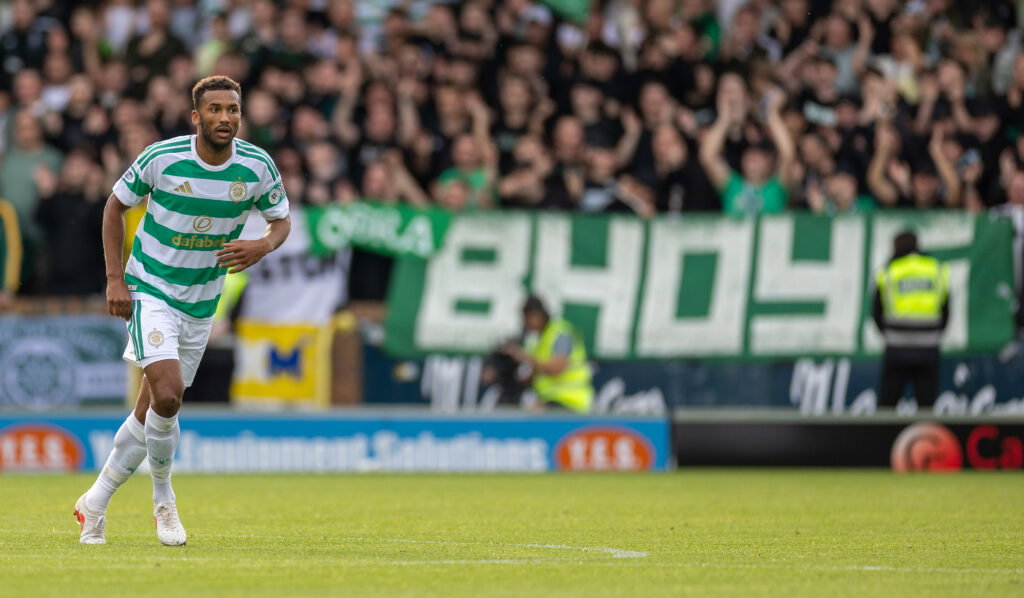
The reaction across social media and the Celtic fan base was swift and largely condemnatory.
Supporters expressed outrage that a former player would publicly question an athlete mourning the loss of a parent.
The mounting public anger quickly forced McAvennie to address his broadcast comments in writing.
His initial response proved insufficient in calming the negative reaction.
In that first statement, McAvennie merely acknowledged that his remarks could have been perceived as offensive.
Fans and commentators immediately criticized the response, with several outlets viewing it as a non-apology.
As the backlash intensified over the following twenty-four hours, McAvennie released a second, more direct statement.
In this follow-up message, he recognized that his initial statement had not gone far enough to resolve the matter.
McAvennie held his hands up and officially expressed his apologies to Trusty for the comments.
MARTIN O'NEILL STEPS IN
The controversy reached Celtic's official media duties ahead of their continental fixture.
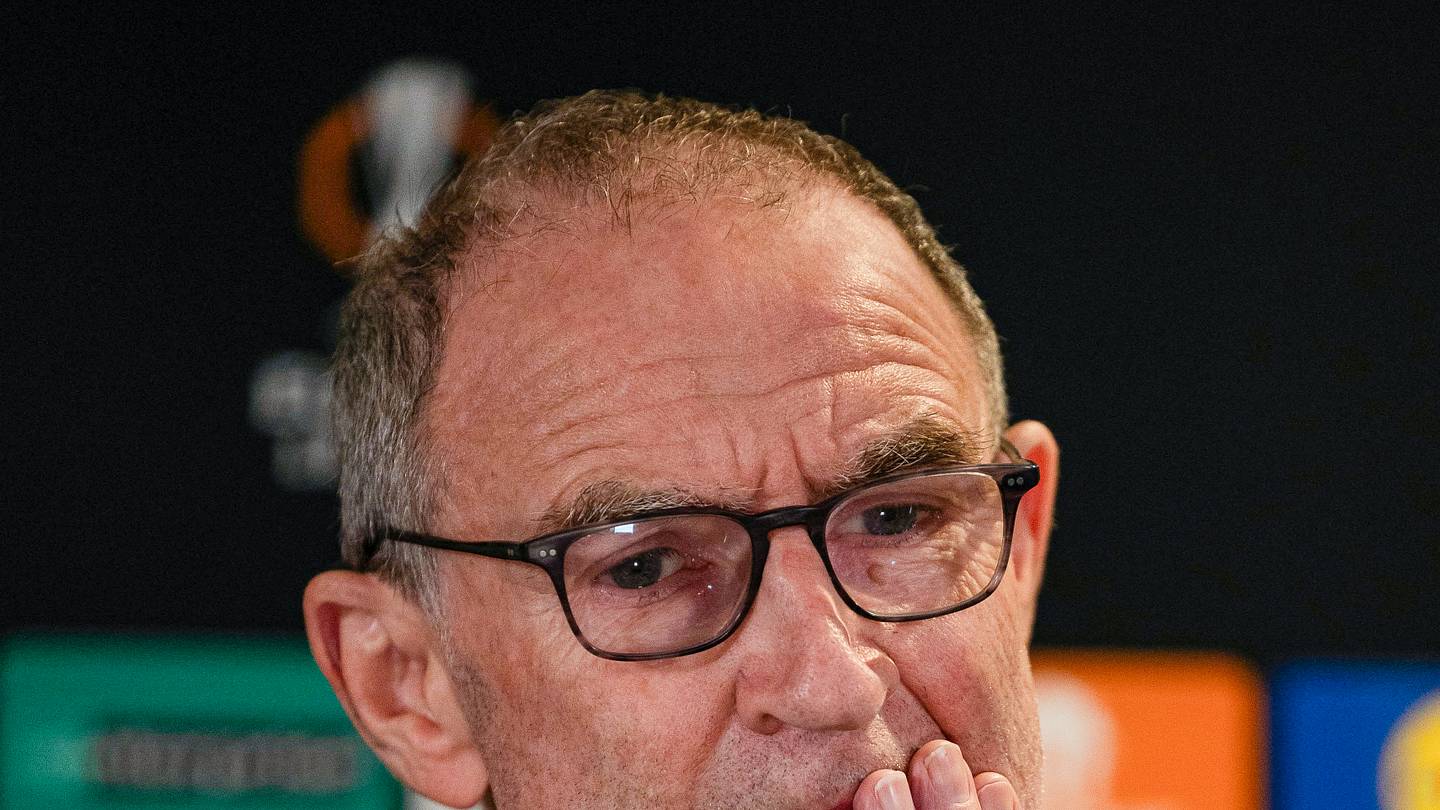
Manager Martin O'Neill was asked directly about McAvennie's podcast remarks during a pre-match press conference.
O'Neill offered an emphatic defense of his defender and delivered a stinging rebuke to the former striker.
The manager did not hide his anger at the nature of the commentary.
"That's really poor taste," O'Neill said when asked about the situation.
"That's really poor," the manager added during the media briefing.
O'Neill noted that while many people in the game make mistakes and backtrack, family matters require a clear line of respect.
"I know I've said some things and ended up backtracking," O'Neill explained.
"But that's a family bereavement," the manager emphasized.

"And that's making someone's mind up about how long they should be grieving and stuff like this here," he said.
"That's not on," the manager told reporters.
COMPASSIONATE LEAVE GRANTED
O'Neill took time during the press conference to explain the circumstances surrounding Trusty's absence.
He revealed that Trusty's father had been suffering from deteriorating health for an extended period.
"Trusty asked me for some time," O'Neill said.
"Even if it's a celebration, it doesn't matter," the Celtic manager continued.
"The father's been in poor health for quite some considerable time," O'Neill revealed.
"And I know there was a stage where he thought that he wasn't going to see it through," the manager said.
O'Neill then drew from his own life experiences to explain why he felt so strongly about protecting his player.
"But I'm with Trusty the whole way there," the manager said.
"Because I wouldn't want anybody to tell me that I had to grieve over a brother or sister dying," O'Neill stated.
"And I've had that," the veteran boss added.
O'Neill confirmed that he has granted Trusty all the compassionate leave he requires to navigate the loss.
"He's taken it badly," O'Neill said of the American defender.
"Honestly, I've afforded him all the time he wants," the manager confirmed.
"At some stage, obviously, he'll be coming back," O'Neill noted.
"But at the end of the day, I've given that time because I know that we might be talking about different eras or whatever the case may be," he said.
"That's nothing to do with it," the manager insisted.
"This is a family thing," O'Neill stated firmly.
"And that's not right," the manager said in reference to the public criticism.
"So, Trusty has got the time and he's got the backing of myself and he's got the backing of the club," O'Neill concluded.
HISTORICAL CONTEXT AND MEDIA CULTURE
The episode has highlighted the contrasting approaches between modern football management and digital media punditry.
O'Neill has long earned praise throughout his managerial career for his man-management skills and player welfare standards.
Providing indefinite compassionate leave to an overseas player aligns with standard compassionate employment practices.
Trusty joined Celtic to compete across domestic competitions and the Europa League campaign.
Absences for family emergencies are standard across professional sports leagues worldwide.
McAvennie, meanwhile, represents an earlier generation of Scottish football.
The former striker spent eighteen months playing for Celtic during the late 1980s.
He played a prominent role on the pitch when Celtic secured the league and cup double in the 1987-88 season.
However, McAvennie's subsequent transfer back to West Ham United damaged his standing among sections of the Celtic support.
That move created a strained relationship between the player and fans that has lingered for decades.
In recent years, many former footballers from that era have moved away from the public eye.
McAvennie has instead pursued a career as a digital content creator and podcast host.
The search for views, subscribers, and online engagement has become central to the modern football media landscape.
Yet observers have warned that chasing attention through controversial claims risks overstepping boundaries into personal tragedies.
In this instance, McAvennie's comments regarding Trusty's bereavement pushed well past the boundary of acceptable debate.
While the former player has now put out a fresh apology, the incident has left a lingering mark on his relationship with the support.
Trusty continues to hold the complete support of his manager, teammates, and club while he mourns in the United States.
Do you think former players turned podcasters are crossing the line simply chasing clicks and attention?
Advertisement
You may also like

NBA champion Steve Kerr trolls Donald Trump with a savage jab
Golden State Warriors head coach Steve Kerr took a sharp, humorous jab at President Donald Trump during his Wednesday media availability, referencing a campaign…

John Cena’s subtle salute to Gunther after his return
John Cena made a surprise appearance on the Oct. 30, 2026 edition of WWE NXT. As he walked to the ring, he stopped in…

Braden Smith Makes NBA Debut With the Pacers
Purdue basketball alum Braden Smith makes NBA debut with the Pacers. Braden Smith, the former Purdue Boilermakers guard, stepped onto an NBA floor for…

Red Wings vs. Golden Knights Live Score and Game Updates
NHL.LIVE: Detroit Red Wings vs Vegas Golden Knights LIVE STREA.MS NHL Game On TV Coverage 6 Nov 2026. Puck drop is set for 7…

Business leaders face a tough choice with workplace monitoring.
Big Brother 2026 has officially crowned a winner. Rochelle took the title on the live final, hosted by AJ Odudu and Will Best on…

WWE Plans Huge 30th Anniversary Celebration for The Rock
WWE is planning to celebrate 30 years of The Rock this month. Plans include a commemorative championship belt. Special merchandise releases are also in…