Good Good Lost Callaway, Retail Shelf Space, And Top Executives Over One Controversial Ad
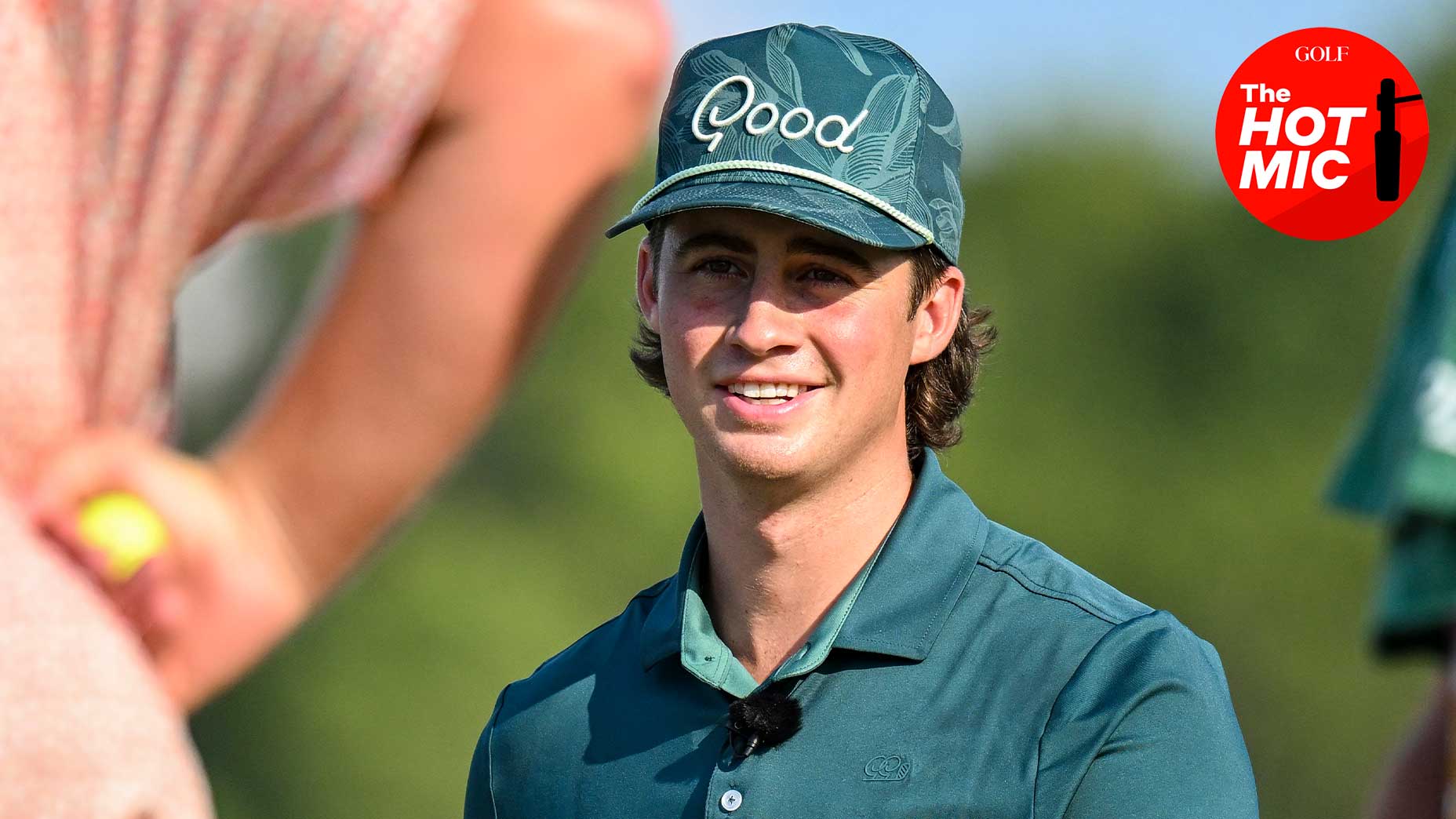
Beyond the new legal action, the controversial driver ad caused Callaway to cut ties with Good Good, prompted retailers Dick's Sporting Goods and Target to pull merchandise, and led to the departures of CEO Matt Kendrick and president Joe Flannery.
A single social media promotional clip dismantled years of brand building in just a matter of days.
Good Good Golf had spent years establishing itself as one of the most successful digital collectives in modern sports entertainment.
That rapid ascent came to a sudden halt following an August marketing campaign that alienated both audiences and commercial partners.
The commercial was produced to showcase a co-branded driver manufactured alongside major golf brand Callaway.
Instead of driving sales, the video provoked intense backlash across multiple social media platforms.
CRACKING A LUCRATIVE COLLABORATION
Callaway had stood as the centerpiece of Good Good’s commercial credibility within the golf industry.
The partnership bridged the gap between traditional golf equipment manufacturing and the emerging world of online creator entertainment.
That foundation fractured when the promotional campaign went live across social channels.
The advertisement had been designed to spoof the supernatural horror movie "Obsession."
Its intended premise centered on a player developing an irrational and addictive obsession with a new golf club.
The execution of the concept, however, triggered immediate condemnation from viewers and consumers.

In the video, Good Good co-founder Garrett Clark was depicted sprinting toward Alexis Miestowski.
Clark aggressively pushed Miestowski to the ground during the sequence.
He then stood over her in a menacing manner to deliver a scripted line.
"Do not touch my new driver," Clark stated in the promotional clip.
Miestowski was not merely an extra, but an established professional golfer who previously competed on the Epson Tour.
She is also a prominent personality featured on the collective's female-oriented channel, Good Good Girls.
Critics immediately pointed out that the physical sequence appeared to make light of casual violence against women.
Others noted that the aggressive depiction bore uncomfortable similarities to domestic violence.
THE RETAIL COLLAPSE
The public backlash moved rapidly from online comment sections into boardroom discussions.
Major national brick-and-mortar retailers took swift action to distance themselves from the collective.
Dick’s Sporting Goods and Target both decided to remove Good Good merchandise from their retail store shelves.
Those placements had represented crucial retail real estate for the collective’s expanding apparel and equipment business.
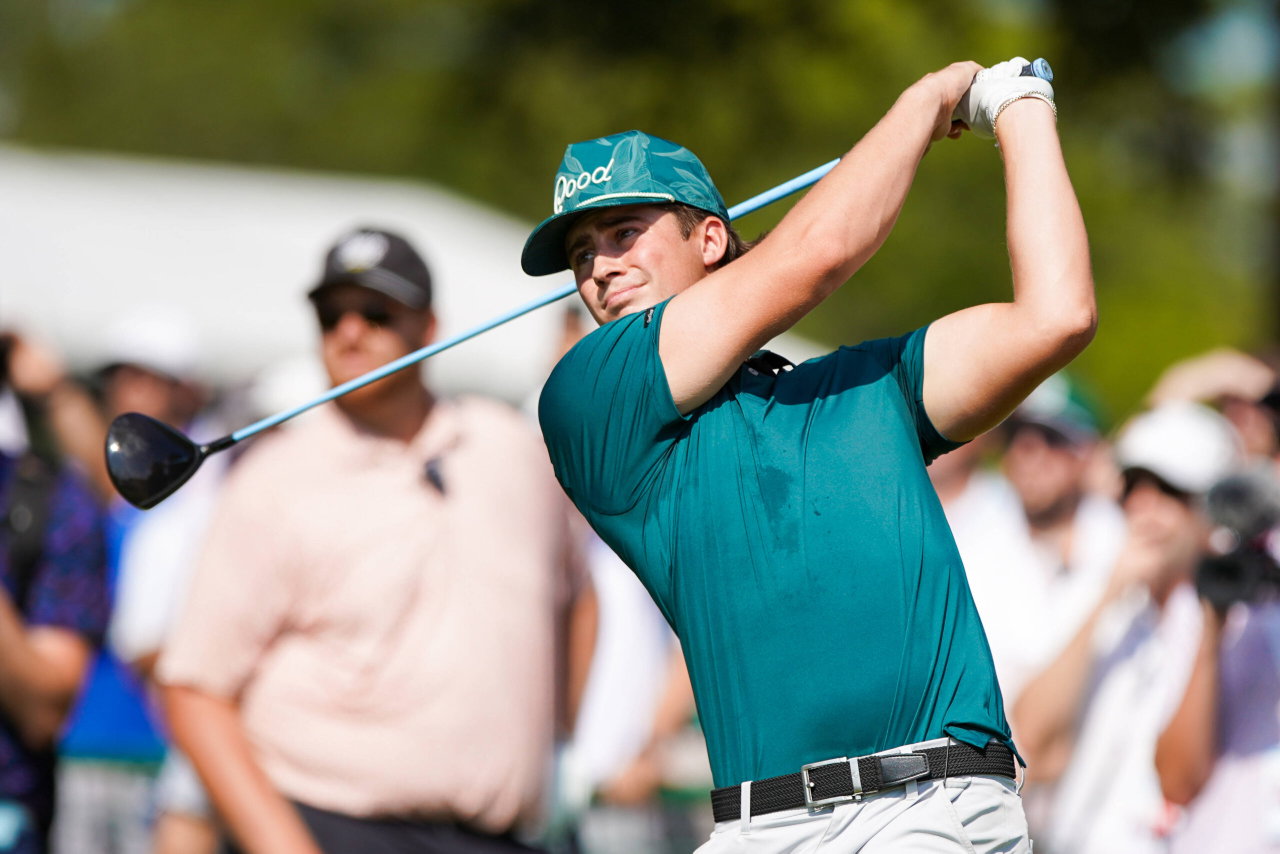
Losing direct access to traditional retail consumers struck a heavy blow against the group’s mainstream merchandising ambitions.
Media partnerships and corporate sponsorships across the organization quickly felt the secondary effects of the decision.
Both Good Good and Callaway initially attempted to contain the crisis through public apologies.
The video was promptly taken down from official channels.
Callaway chief executive officer Chip Brewer acknowledged that his company had reviewed and approved the video prior to its release.
Brewer conceded that the equipment giant’s internal review procedures had completely failed.
He confirmed that Callaway would review its screening protocols to ensure similar content never slipped through again.
Both brands issued formal statements clarifying that the content depicted was entirely inconsistent with their corporate values.
Despite the apologies, Callaway decided to sever its business relationship with Good Good entirely.
EXECUTIVE SHAKE-UP AND TERMINATIONS
The crisis swiftly reached the highest administrative tiers of the Good Good organization.
Chief executive officer and chairman Matt Kendrick initially attempted to shoulder the blame himself.
Kendrick held an internal company meeting where he explicitly told staff, "I own it."
He publicly acknowledged that the business was fully responsible for the material it published, regardless of artistic intention.
That accountability, however, could not halt the organizational fallout.
Kendrick soon exited his position as chief executive officer and chairman of the company.
Good Good president Joe Flannery also left the company in the turbulent wake of the ad release.
The departures represented a total wipeout of Good Good's top executive tier within weeks.
Lower-level corporate restructuring followed immediately behind the leadership departures.
On Aug. 26, the company officially terminated the employment of Jeffrey Lefkovits.
Lefkovits had been serving as the company’s vice president of brand and marketing.
Kendrick subsequently told Front Office Sports that the marketing department had approved the advertisement.
He publicly asserted that Good Good had removed the personnel responsible for allowing the video to be published.
A MULTIMILLION-DOLLAR LEGAL BATTLE
The dispute has now moved out of corporate offices and into the Texas legal system.
On Oct. 29, Lefkovits filed a formal civil defamation lawsuit in the District Court of Dallas County, Texas.
The suit names both Good Good Golf and Kendrick personally as defendants.
Lefkovits is seeking more than $1 million in monetary damages.
According to court filings obtained by The Athletic, Lefkovits argues that he was wrongfully scapegoated for decisions made on set.
The complaint states that content creator Sam Stamey originally authored a lighthearted parody script a month before filming.
Lefkovits approved that initial concept, which reportedly ended with a comedic twist.
The lawsuit emphasizes that Lefkovits was out of the office on the specific day the commercial was filmed.
According to the court filing, the violent altercation scene was conceived of and approved entirely on set without Lefkovits’s knowledge or input.
Lefkovits asserts that the finished cut was later embraced by Good Good's performers and co-owners.
He further claims that Callaway granted formal written approval for the commercial before it was released to the public.
The lawsuit argues that Kendrick radically altered his public narrative once Callaway pulled the plug on the contract.
By publicly blaming the marketing department for the debacle, the suit alleges, Kendrick and Good Good inflicted severe damage on Lefkovits’s career.
The filing claims that the resulting public scapegoating has left the former marketing executive unable to find new professional employment.
Neither Good Good nor Kendrick has filed a formal legal response in court.
A company spokesperson declined to comment on the active litigation.
"Our focus remains on creating a positive environment for our players, partners, and fans, and the future of Good Good Golf," the company maintained in addressing its operational priorities.
Kendrick did not immediately respond to media inquiries regarding the civil claims.
AN UNCERTAIN HORIZON
The sudden unraveling highlights the delicate tightrope walked by modern digital entertainment collectives.
Good Good had long been hailed as an undisputed success story within the wider creator economy.
The group built a massive following on YouTube by producing energetic, accessible, and personality-driven golf content.
Their digital reach successfully translated into substantial institutional backing.
Just last year, the company completed a massive $45 million investment round to accelerate its commercial footprint.
That investment helped secure the high-profile retail presence at Target and Dick's Sporting Goods.
It also cemented the premier equipment manufacturing ties that most digital creators can only dream of securing.
Yet a single lapse in editorial judgment threatened to unravel that entire commercial infrastructure.
The collective now faces the daunting task of navigating high-stakes civil litigation while trying to reassure remaining sponsors.
Re-establishing trust with mainstream equipment manufacturers and national retail buyers often takes years of sustained effort.
The company must also steady its internal leadership while producing the regular stream of content its core audience expects.
Whether the brand's immense social media following can insulate it from catastrophic corporate partner losses remains to be seen.
Can Good Good successfully rebuild its corporate partnerships and mainstream reputation after losing major retail and equipment deals?
Advertisement
You may also like

NBA champion Steve Kerr trolls Donald Trump with a savage jab
Golden State Warriors head coach Steve Kerr took a sharp, humorous jab at President Donald Trump during his Wednesday media availability, referencing a campaign…

John Cena’s subtle salute to Gunther after his return
John Cena made a surprise appearance on the Oct. 30, 2026 edition of WWE NXT. As he walked to the ring, he stopped in…

Braden Smith Makes NBA Debut With the Pacers
Purdue basketball alum Braden Smith makes NBA debut with the Pacers. Braden Smith, the former Purdue Boilermakers guard, stepped onto an NBA floor for…

Red Wings vs. Golden Knights Live Score and Game Updates
NHL.LIVE: Detroit Red Wings vs Vegas Golden Knights LIVE STREA.MS NHL Game On TV Coverage 6 Nov 2026. Puck drop is set for 7…

Business leaders face a tough choice with workplace monitoring.
Big Brother 2026 has officially crowned a winner. Rochelle took the title on the live final, hosted by AJ Odudu and Will Best on…

WWE Plans Huge 30th Anniversary Celebration for The Rock
WWE is planning to celebrate 30 years of The Rock this month. Plans include a commemorative championship belt. Special merchandise releases are also in…