Indian Tennis Legends Bhupathi and Sania Take Leadership Roles
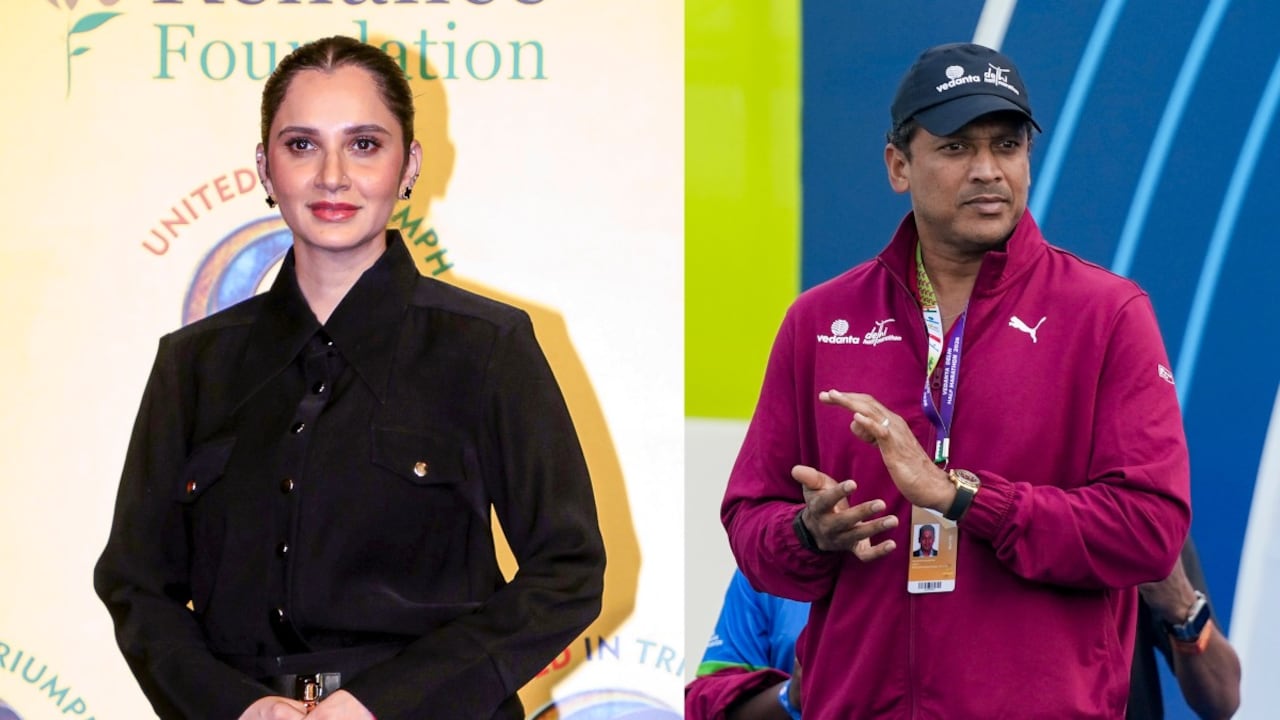
Mahesh Bhupathi and Sania Mirza are set to be the two Sportspersons of Outstanding Merit in the 15-member All India Tennis Association Executive Committee.
The committee will be formed later this year after fresh elections.
The two were chosen from a roster of 40 players on Thursday.
They are also among four SOMs elected to the AITA General Body.
Current Davis Cup coach Ashutosh Singh and former Billie Jean King Cup captain Shalini Thakur Chawla are the other two former players in the General Body.
The AITA Constitution was amended in line with the National Sports Governance Act back in July.
That amendment provides for four SOM representatives in the General Body — two male and two female.
It also provides for two SOM representatives in the AITA Executive Committee — one male and one female.
With Bhupathi and Sania set to take their places in the EC, they will not be able to contest the polls for other office-bearer posts such as president, general secretary and treasurer.
This is part of a broader push to give former athletes a greater voice in how Indian tennis is run.
Bhupathi polled 23 votes in the Executive Committee election — the highest among all candidates.
Mirza received 18 votes.
Earlier, they were elected to the General Body with 19 and 18 votes respectively.
Bhupathi brings 12 Grand Slam titles to the table.
Mirza, a former world No. 1 in doubles, has six Grand Slam victories.
Their combined international experience is unparalleled in Indian tennis history.
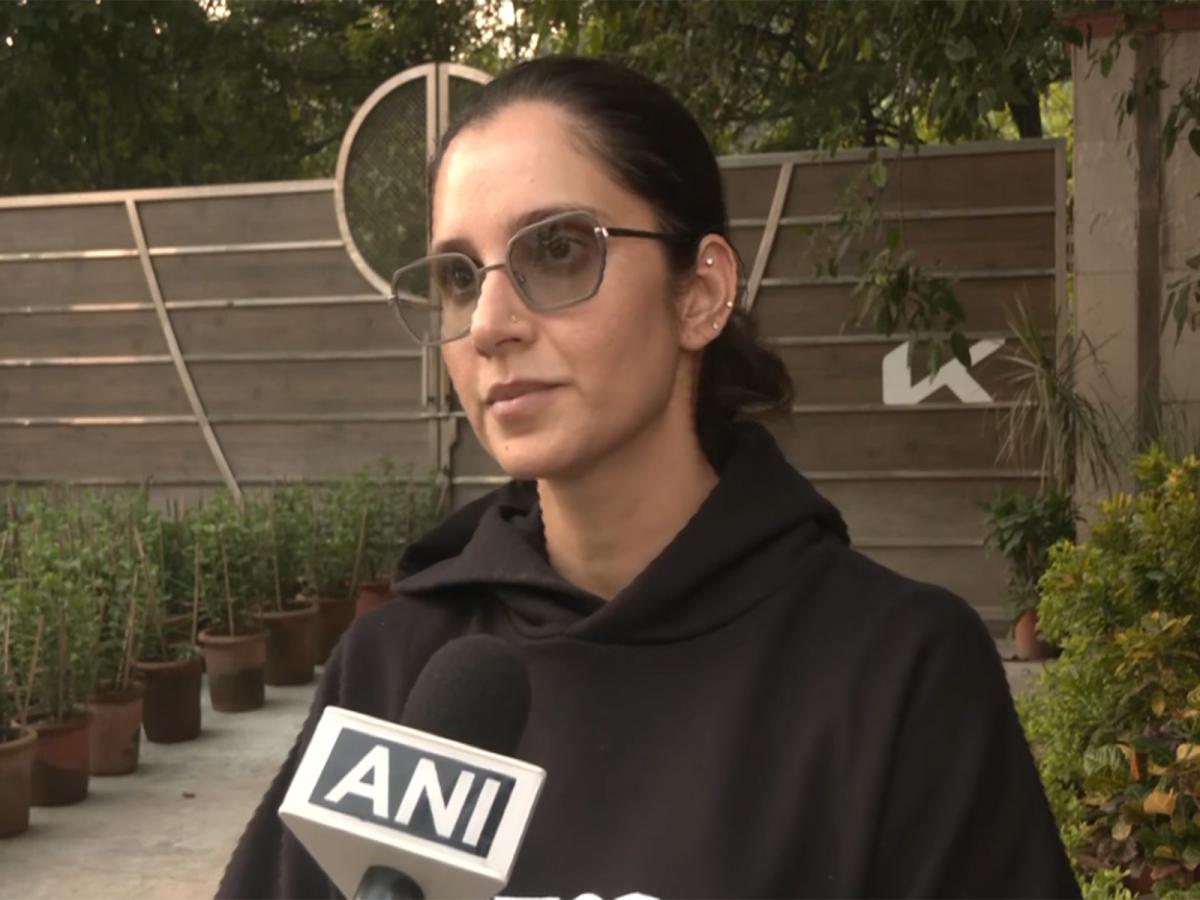
Speaking after her election, Mirza said the objective is to use their experience as professional athletes to understand what players need.
"I think that we are just trying to use our experience to try and understand what the players need more," Mirza told ANI.
"I think that it's too early to answer the question exactly what, because there are still a lot of things to be put into place with the president, vice president, EC."
"There are many things still to be done," she added.
"Our vision and our goal are one, which is to try and make Indian tennis better."
"And I think all of us come together here with that vision," she said.
Mirza also emphasized the need for a comprehensive support system for young players.
She mentioned quality coaching, strategic guidance on tournaments, and robust fitness support.
"There are many things that go into making of a tennis player," she noted.
Bhupathi expressed a similar commitment to improving the sport at the grassroots level.

Both players have been vocal about the need for structural reforms in Indian tennis.
The AITA has faced criticism in recent years for governance issues and lack of transparency.
A court-appointed administrator, Justice (retd.)
Gita Mittal, has been overseeing reforms.
However, it remains to be seen in which direction proceedings in the Delhi High Court go.
The High Court is scheduled to hear on Friday Justice Mittal's request to implead the AITA Trust and the Delhi Lawn Tennis Association for corruption.
The court will also hear a contempt petition filed against AITA's interim office-bearers.
The petition alleges "active obstruction and suppression of information" from the administrator.
This legal backdrop adds uncertainty to the reforms that Bhupathi and Mirza are joining.
The National Sports Governance Act, passed in 2022, requires national sports federations to include former athletes in their decision-making bodies.
The AITA's amended constitution is a direct response to that law.
Sportspersons of Outstanding Merit are defined as athletes who have represented India at the highest level.
The SOM category is designed to bring practical, on-ground experience into administration.

Bhupathi and Mirza are among the most decorated tennis players India has ever produced.
Bhupathi won Grand Slam titles in men's doubles and mixed doubles between 1997 and 2012.
Mirza won her first Grand Slam title in 2009 and her last in 2016.
She was ranked world No. 1 in doubles in 2015.
Both have also served as mentors and coaches after retirement.
Their election marks a shift toward athlete-driven governance in Indian sports.
Other federations, including the Indian Olympic Association, have also been pushed to include former athletes.
The AITA General Body election saw 40 candidates vying for four SOM positions.
Bhupathi and Mirza were the clear frontrunners in both the General Body and Executive Committee votes.
Ashutosh Singh and Shalini Thakur Chawla were elected to the General Body but not to the Executive Committee.
This means the EC will have two former players with direct voting power on policy decisions.
The EC oversees key decisions including tournament scheduling, funding allocation, and coaching appointments.
Bhupathi and Mirza will have a seat at that table.

Their influence will depend on how the EC functions amid the ongoing legal challenges.
The Delhi High Court case could potentially delay or alter the formation of the new EC.
Justice Mittal's report on corruption allegations could also impact the federation's leadership.
For now, Bhupathi and Mirza are focused on the task ahead.
They have both said they want to create a pipeline for young talent.
India has struggled to produce top-ranked singles players in recent years.
The country's last Grand Slam singles champion was Leander Paes in 1996.
Mirza herself was the last Indian woman to win a WTA singles title, in 2008.
A 14-year drought in WTA achievements was broken only recently by Maaya Rajeshwaran Revathi.
The hope is that Bhupathi and Mirza can help change that trajectory.
Their administrative roles come at a critical time for Indian tennis.
The sport is competing for attention with cricket, badminton, and football.
Funding and infrastructure remain major challenges.

Both players have spoken about the need for better facilities and coaching at the grassroots level.
Mirza has also highlighted the importance of mental health and fitness support for young athletes.
Bhupathi has advocated for more international tournaments in India.
The country currently hosts only a handful of ATP and WTA events each year.
Their election is seen as a positive step by many in the tennis community.
But the real test will be in the implementation of their ideas.
The AITA has a history of bureaucratic inertia and internal disputes.
Bhupathi himself has had public disagreements with the federation in the past.
In 2018, he criticized the AITA's handling of Davis Cup scheduling and player selection.
Now he is on the inside, with the power to influence those decisions directly.
Mirza has also been outspoken about the need for transparency in Indian sports administration.
Her appointment is seen as a signal that the federation is willing to listen to former players.
The legal proceedings in the Delhi High Court will determine how much freedom the new EC has to operate.
If the court orders significant changes to the AITA constitution, the EC's structure could shift.
For now, Bhupathi and Mirza are preparing to take their seats.
The tennis world will be watching to see what they do next.
Advertisement
You may also like
Richard Hardy Barrows Jr.’s Shocking Final Act Revealed
Richard Hardy Barrows Jr. died on November 1, 2026. His obituary, published by The Bradenton Times, describes a life built around family, faith, friendships,…
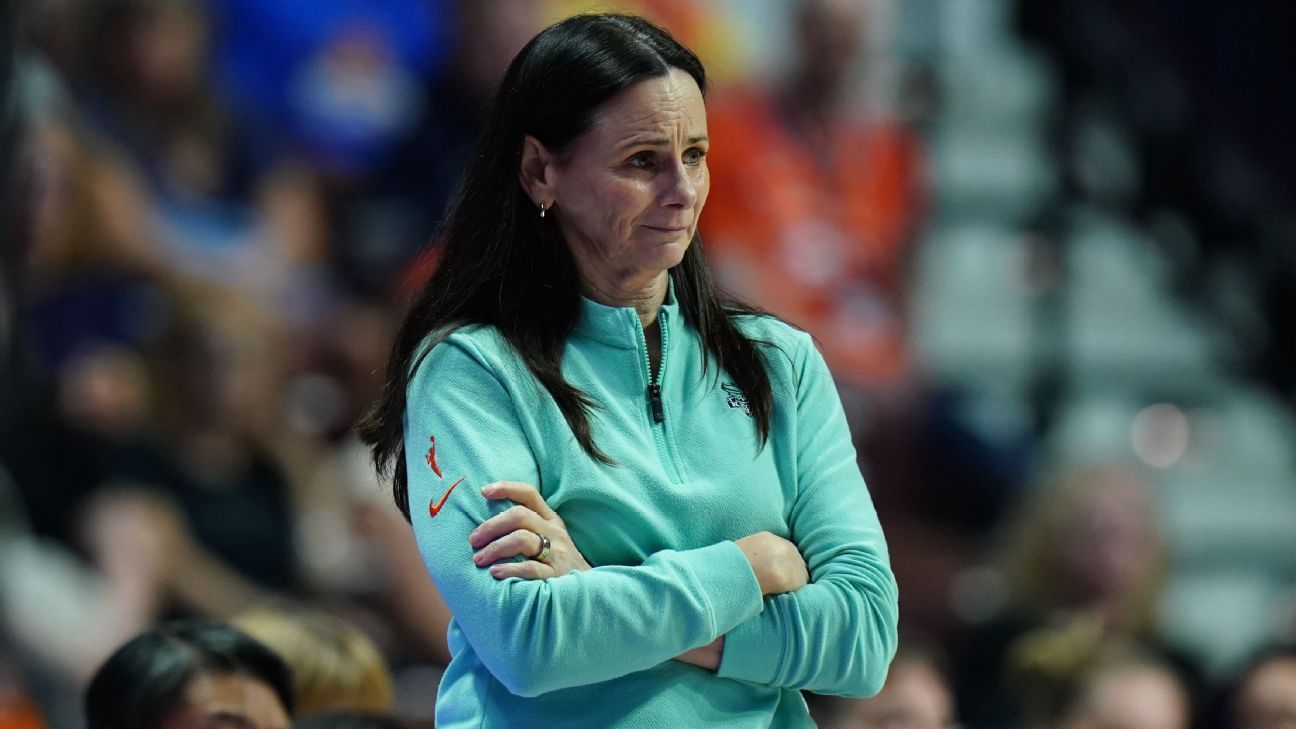
ESPN Legend Calls Liberty's Brondello Firing a Huge Mistake
An ESPN legend has called the New York Liberty’s decision to fire head coach Sandy Brondello a “big, big, big mistake.” The criticism comes…
Prince William and Prince George Fly Commercial to Spain
Prince William and Prince George were spotted on a commercial flight to Barcelona, Spain, during the 13-year-old’s half-term break from Eton College. The Prince…
Draymond Green Unleashes Brutal Verbal Attack on Kendrick Perkins
Draymond Green blasts Kendrick Perkins in brutal rant after latest ejection. It started with a loss of composure on the court and ended with…
Valkyries mock Angel Reese with pacifier taunt at parade
The Golden State Valkyries made sure Angel Reese's Game 3 taunt didn't get forgotten. During the team's WNBA championship parade Wednesday in San Francisco,…
Hamilton Refuses to Apologize as Lawson Drops a Bombshell Admission
Lewis Hamilton has refused to back down after his explosive criticism of Ferrari teammate Charles Leclerc, while Liam Lawson has made a major admission…