Indian tennis legends join AITA panel to revive the sport
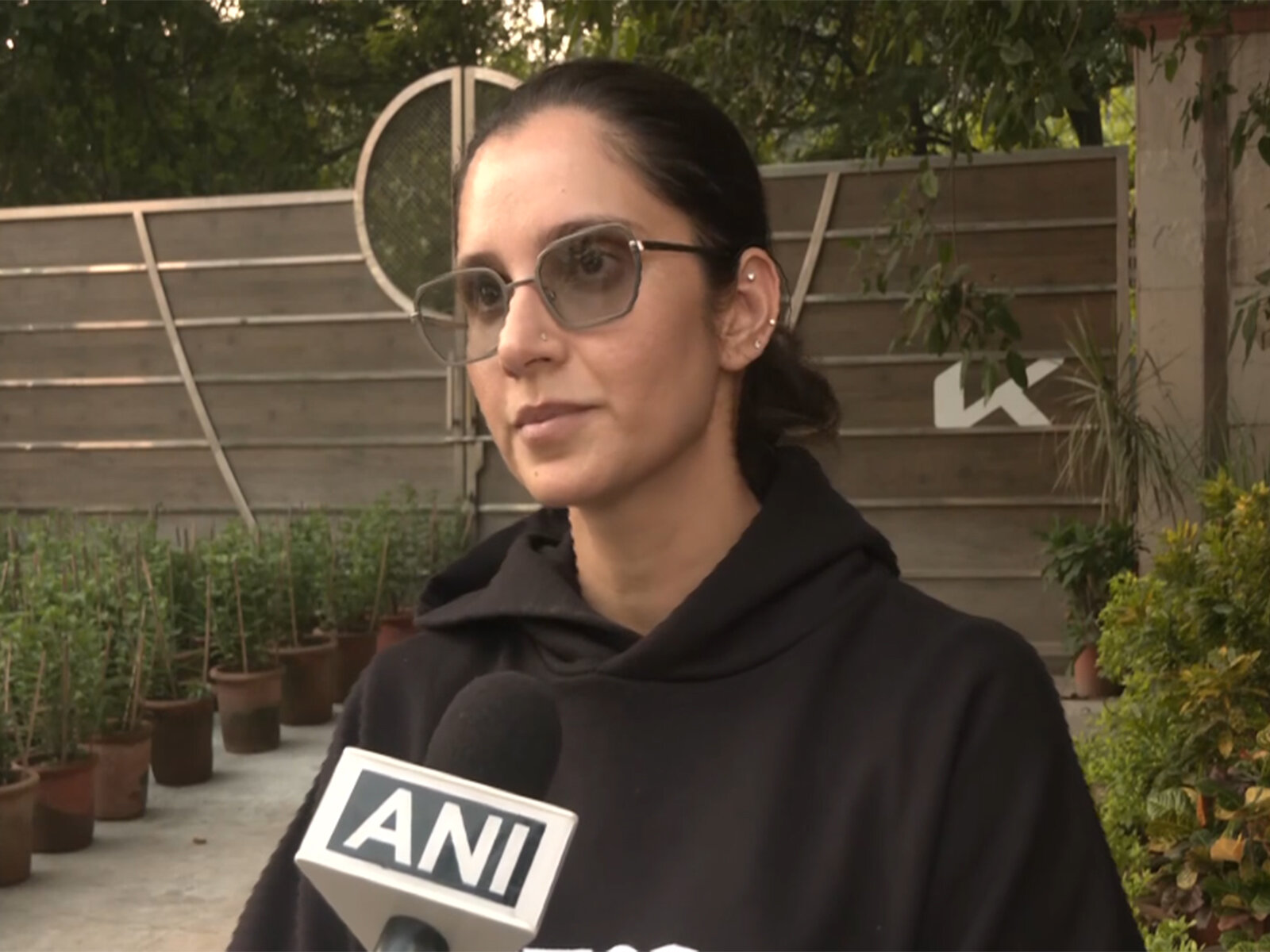
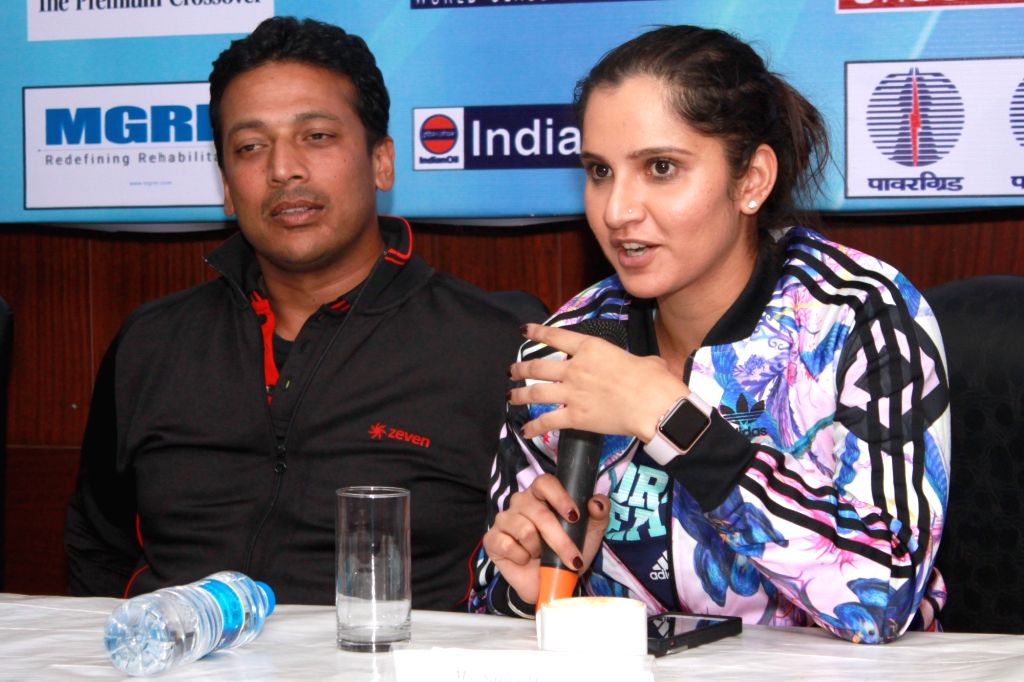
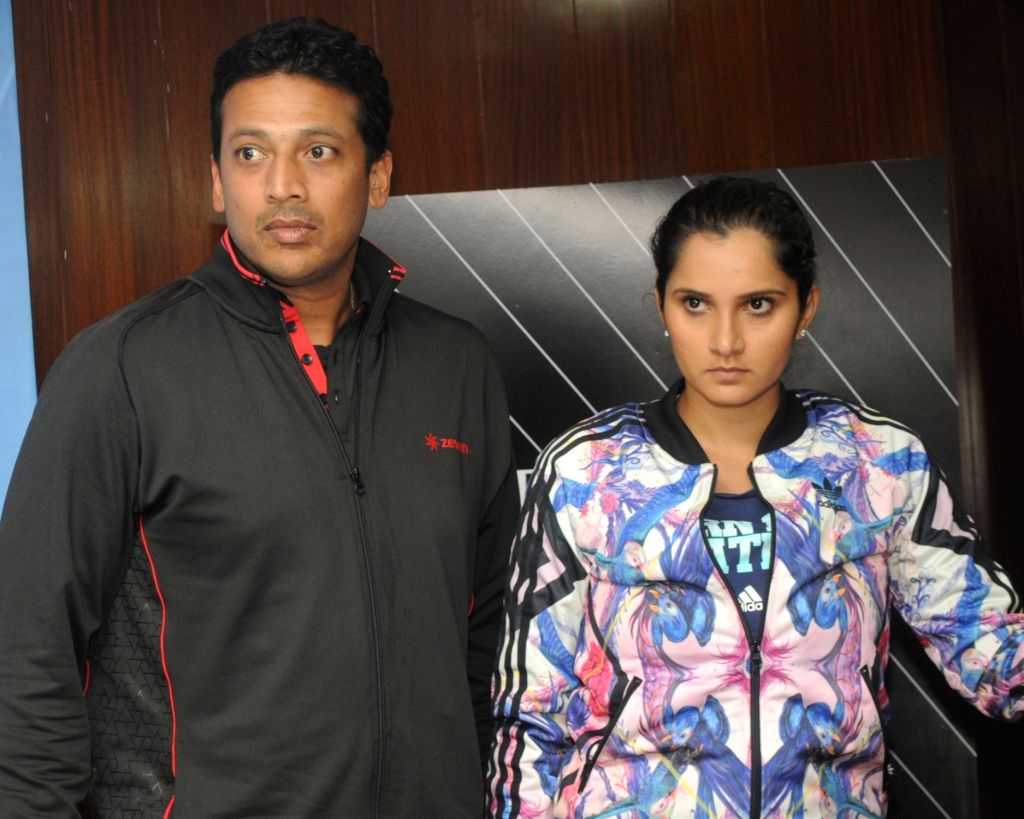
Sania Mirza and Mahesh Bhupathi have been elected to the All India Tennis Association (AITA) Executive Committee.
Both are Sportspersons of Outstanding Merit (SOM) representatives.
Their election marks the first time two of India’s most decorated tennis players have taken direct administrative roles in the national federation.
Bhupathi received 23 votes in the Executive Committee election — the highest of any candidate.
Mirza received 18 votes.
Janaki Krishnamoorthy and Vishal Uppal received 13 and 7 votes respectively.
Before joining the Executive Committee, both were first elected to the AITA General Body as SOM representatives.

In that election, Bhupathi received 19 votes and Mirza received 18 votes.
Ashutosh Singh received 17 votes and Shalini Thakur Chawla received 16 votes in the same General Body election.
The AITA Constitution was amended in July 2026 to align with the National Sports Governance Act.
That amendment created four SOM positions in the General Body — two male and two female.
It also created two SOM positions in the Executive Committee — one male and one female.
Bhupathi and Mirza now fill both EC spots.
Because they are SOM members of the Executive Committee, they cannot run for other office-bearer posts like president, general secretary, or treasurer.
The AITA office-bearer elections are scheduled for November 27, 2026.
Mirza addressed the media after the election results.
“I think that we are just trying to use our experience to try and understand what the players need more,” she said.
“I think that it’s too early to answer the question exactly what, because there are still a lot of things to be put into place with the president, vice president, EC.”
“There are many things still to be done.”
“But we’re very happy to be elected in the general body, and I think our vision and our goal are one, which is to try and make Indian tennis better.”
“And I think all of us come together here with that vision.”
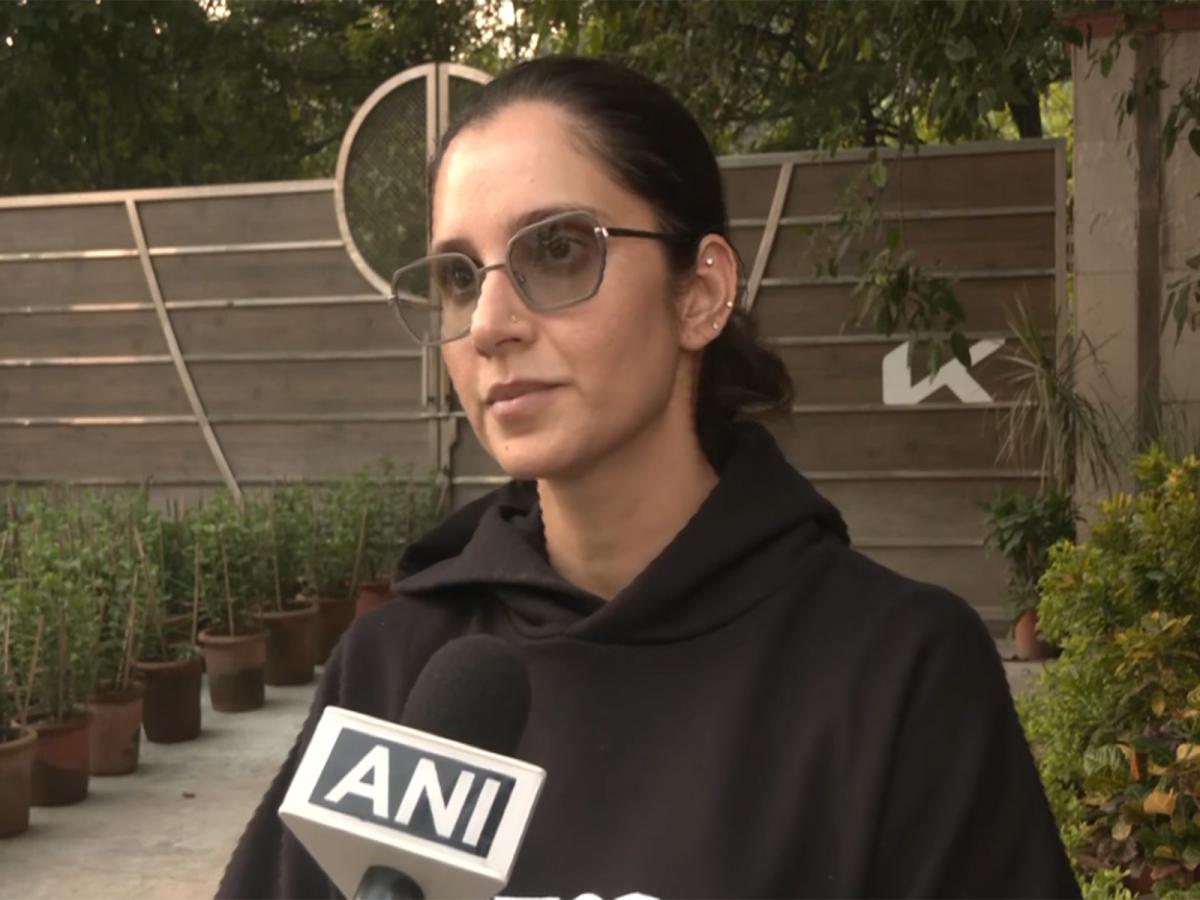
Mirza also outlined the specific areas she believes need attention.
“I think there are multiple things, whether it’s development programs, whether it is the right kind of coaching that you need, whether it’s the right kind of guidance you need on what tournaments you need to play, whether it’s the right kind of support you need, physios, trainers.”
“I mean, there are so many things that go into making of a tennis player.”
“And then you still need luck.”
“So at the end of the day, I feel like there are many things that need to come together.”
“So, what we are trying to do is use our experience, our knowledge to the best of our abilities as tennis players, as professional athletes who have been there and done whatever we have done to be able to help that next generation make the next steps.”
Bhupathi has 12 Grand Slam titles across men’s doubles and mixed doubles.

Mirza is a former world No. 1 in women’s doubles and has six Grand Slam titles.
Their international success gives them credibility that few Indian tennis administrators have ever brought to the table.
The timing of their election coincides with ongoing legal proceedings involving AITA.
The Delhi High Court is scheduled to hear a request from administrator Justice (retd.)
Gita Mittal on November 6, 2026.
Justice Mittal has asked to implead the AITA Trust and the Delhi Lawn Tennis Association (DLTA) in a corruption case.
She has also filed a contempt petition against AITA’s interim office-bearers for what she describes as “active obstruction and suppression of information.”
The court’s decision could affect how the new Executive Committee operates.
Mirza and Bhupathi now sit on a 15-member Executive Committee.
The full committee will be formed after the November 27 office-bearer elections.
For now, both players are focused on using their platform to push for change.
Mirza emphasized that the work is just beginning.
“I think that we are just trying to use our experience to try and understand what the players need more,” she repeated.
“Our vision and our goal are one, which is to try and make Indian tennis better.”
The question now is whether their presence inside the federation can translate into real change — or whether the system resists them.
The court case adds another layer of uncertainty.
But for the first time in years, Indian tennis has two legends sitting at the table where decisions are made.
Advertisement
You may also like

NBA champion Steve Kerr trolls Donald Trump with a savage jab
Golden State Warriors head coach Steve Kerr took a sharp, humorous jab at President Donald Trump during his Wednesday media availability, referencing a campaign…

John Cena’s subtle salute to Gunther after his return
John Cena made a surprise appearance on the Oct. 30, 2026 edition of WWE NXT. As he walked to the ring, he stopped in…

Braden Smith Makes NBA Debut With the Pacers
Purdue basketball alum Braden Smith makes NBA debut with the Pacers. Braden Smith, the former Purdue Boilermakers guard, stepped onto an NBA floor for…

Red Wings vs. Golden Knights Live Score and Game Updates
NHL.LIVE: Detroit Red Wings vs Vegas Golden Knights LIVE STREA.MS NHL Game On TV Coverage 6 Nov 2026. Puck drop is set for 7…

Business leaders face a tough choice with workplace monitoring.
Big Brother 2026 has officially crowned a winner. Rochelle took the title on the live final, hosted by AJ Odudu and Will Best on…

WWE Plans Huge 30th Anniversary Celebration for The Rock
WWE is planning to celebrate 30 years of The Rock this month. Plans include a commemorative championship belt. Special merchandise releases are also in…