Judge rebuke fuels lawsuit merger against Matt Wright’s camp.
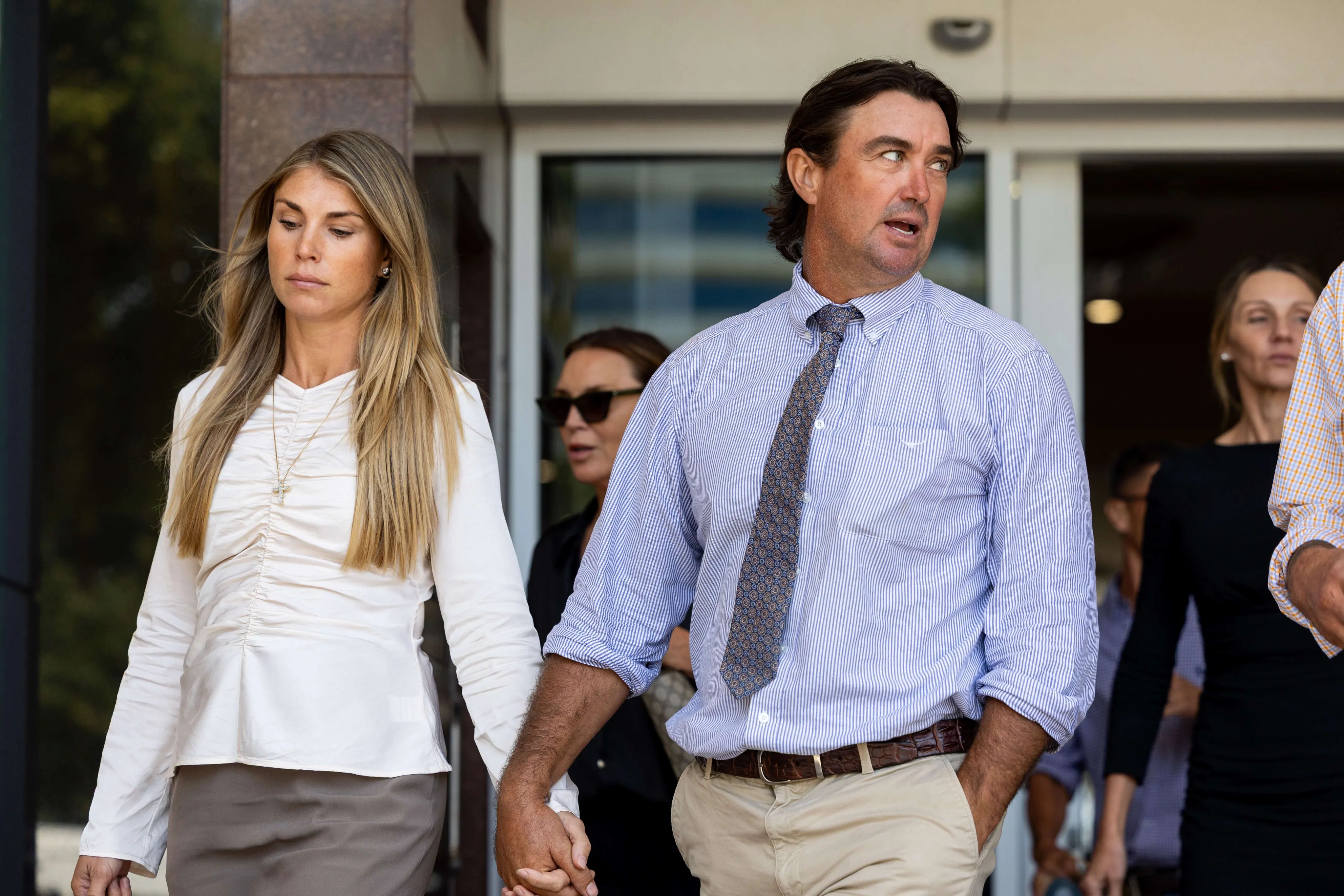
A federal judge’s scathing rebuke has sparked a push to combine three separate lawsuits over a horror airboat crash at Outback Wrangler Matt Wright’s tourism venture.
Justice Michael Lee of the Federal Court of Australia demanded to know why victims of the same 2023 accident were fighting in three different courts rather than pursuing a class action.
“There’s a whole series of people affected by this accident. Why it’s not in a class action is beyond me,” he declared during a hearing.
“Why should three superior courts be dealing with similar matters?”
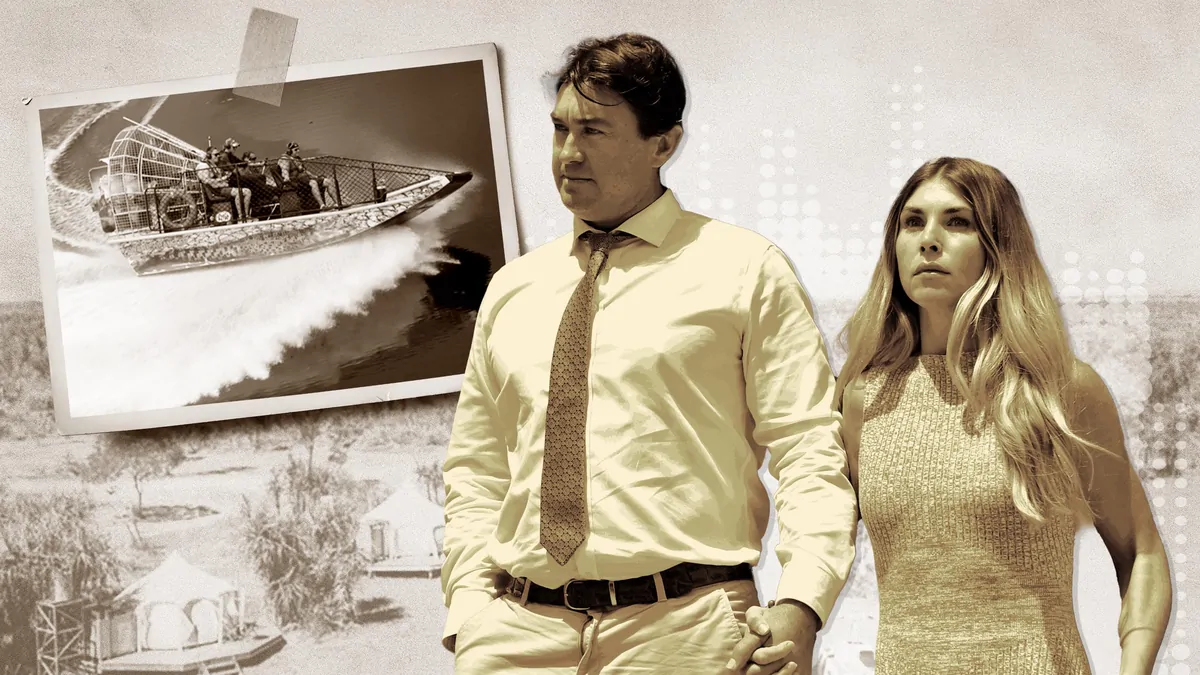
The civil cases stem from an airboat tour that ended in disaster when a vessel carrying 13 tourists slammed into a tree in crocodile-infested waters south-west of Darwin.
Passengers were left seriously injured and traumatised.
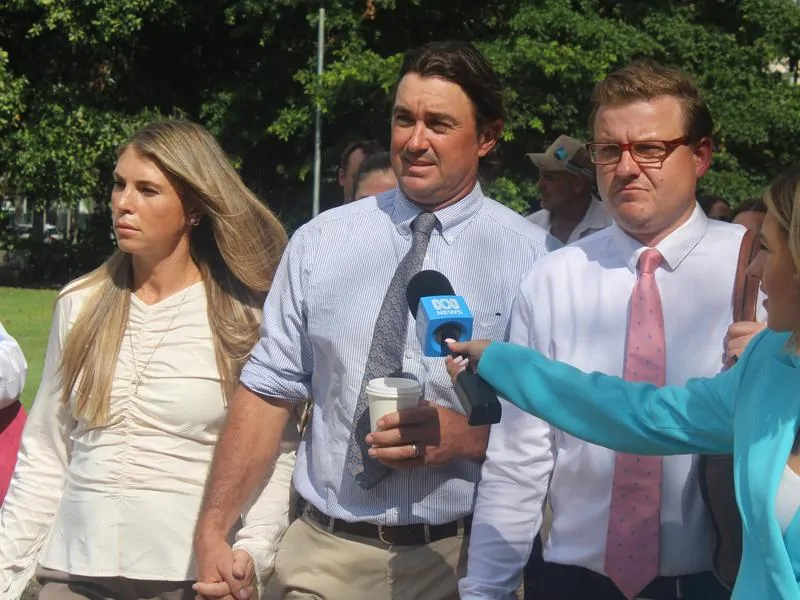
At the last hearing in September, Justice Lee first raised the issue.
On Thursday, he immediately returned to it, asking lawyers what steps had been taken to “rationalise” litigation spread across the Federal Court and the Supreme Courts of Victoria and the Northern Territory.
Barrister Timothy Smartt, representing eight applicants in the Federal Court, revealed that an application had already been made to transfer the Victorian proceedings.
“One of the applicants in the other superior court has filed a cross-vesting application, and I understand that the respondents in this application will consent to it,” Smartt said.
“So that will come to here.”
Smartt said lawyers had also spoken to applicants in the NT Supreme Court.
“They’re seriously considering it. I can’t predict what they’ll do, but I think they’ll come,” he said.
Amanda Bond, appearing for Wright, his wife Kaia and Top End Safari Camp, confirmed a summons had been filed in the Victorian Supreme Court proceedings and anticipated it would be heard within three weeks.
The developments follow mediation last Friday that failed to resolve the dispute over the crash.
In the Federal Court, the applicants include Ryan and Philippa Payne and their two children, and Scott and Bianca McFarland.
The cases involve claims against Wright, his wife Kaia, and their Top End Safari Camp business.
Justice Lee’s intervention reflects a broader legal principle: class actions are designed to handle mass tort cases efficiently, avoiding inconsistent rulings and reducing court costs.

In Australia, the Federal Court has specific rules for class actions, requiring common issues of law or fact among group members.
A cross-vesting application, like the one filed in Victoria, allows a case to be transferred from one superior court to another when it is in the interests of justice.
The judge’s push for consolidation suggests he sees the airboat crash as a single event that should be dealt with under one proceeding.
Wright is best known as the star of the reality TV series “Outback Wrangler,” which follows his work as a crocodile wrangler and tour operator in Australia’s Northern Territory.
His Top End Safari Camp offers adventure tours including airboat rides through crocodile habitat.
The 2023 crash raised questions about safety protocols at the camp.

No criminal charges have been filed in connection with the incident.
The civil lawsuits seek damages for injuries and trauma suffered by the passengers.
If the cases are consolidated into a class action, it could significantly increase the financial exposure for Wright and his business.
Class actions allow many plaintiffs to pool resources and share legal costs, making it easier to pursue claims against well-funded defendants.
They also create the risk of a single, large damages award rather than multiple smaller settlements.
Justice Lee’s language — calling the fragmented litigation “beyond me” — signals his frustration with the current approach.

His remarks have effectively forced the parties to move toward consolidation.
The next hearing will likely determine whether all cases end up in the Federal Court.
For now, the victims remain in separate proceedings, but the judge’s push is accelerating change.
Mediation failed to resolve the dispute, meaning the cases are headed for trial unless a last-minute settlement is reached.
The consolidation push could reshape the legal landscape for Wright and his camp.
What remains unclear is whether the judge’s intervention will lead to a single trial or whether some plaintiffs will resist the move.
But the momentum is clearly toward a unified case.
Justice Lee’s rebuke has done what months of separate litigation could not: force the parties to consider a single, coordinated legal fight.
Advertisement
You may also like

NBA champion Steve Kerr trolls Donald Trump with a savage jab
Golden State Warriors head coach Steve Kerr took a sharp, humorous jab at President Donald Trump during his Wednesday media availability, referencing a campaign…

John Cena’s subtle salute to Gunther after his return
John Cena made a surprise appearance on the Oct. 30, 2026 edition of WWE NXT. As he walked to the ring, he stopped in…

Braden Smith Makes NBA Debut With the Pacers
Purdue basketball alum Braden Smith makes NBA debut with the Pacers. Braden Smith, the former Purdue Boilermakers guard, stepped onto an NBA floor for…

Red Wings vs. Golden Knights Live Score and Game Updates
NHL.LIVE: Detroit Red Wings vs Vegas Golden Knights LIVE STREA.MS NHL Game On TV Coverage 6 Nov 2026. Puck drop is set for 7…

Business leaders face a tough choice with workplace monitoring.
Big Brother 2026 has officially crowned a winner. Rochelle took the title on the live final, hosted by AJ Odudu and Will Best on…

WWE Plans Huge 30th Anniversary Celebration for The Rock
WWE is planning to celebrate 30 years of The Rock this month. Plans include a commemorative championship belt. Special merchandise releases are also in…