Liberty Media Ends Super-Voting Shares, Diluting Founder’s Power
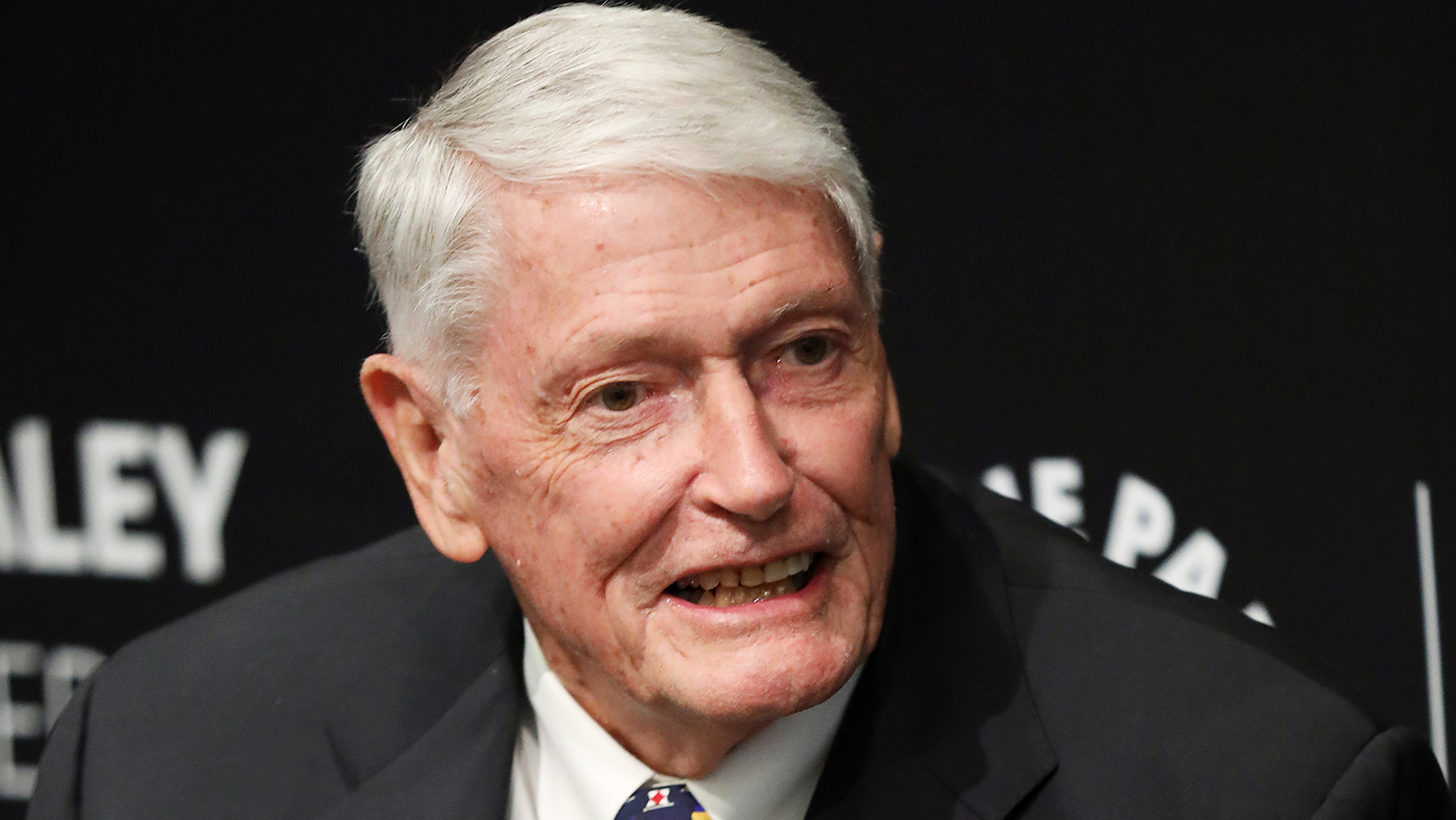
Liberty Media has acquired all shares of super-voting Series B common stock held by founder John Malone.
The swap came after Malone received a number of unsolicited offers from third parties for his stake.
Liberty Media said that at that point, “Dr. Malone and Liberty Media began discussing a transaction in which Liberty Media would instead acquire such shares.”
The move knocks the financier’s voting power in Liberty down from 48% to 3%.
No holder of Liberty Media common stock now holds more than 9% of voting power.
Malone, who founded the company in 1999, will step down as chairman emeritus but remain a senior advisor.
Liberty’s investments have shifted over the years, with Formula 1 and Moto GP its main assets currently.
The deal better aligns “John’s voting power with his economic ownership of Liberty Media while avoiding the potential transfer of a significant voting position in Liberty Media to a third party in a transaction in which other Liberty Media shareholders would not participate,” said Chase Carey, chair of a Special Committee Liberty convened to explore the transaction.
Liberty CEO Derek Chang declined to give any details around the offers when asked on a call with analysts after the company’s quarterly earnings.
“I continue to have great confidence in Liberty Media’s management team and fully support them and Liberty Media’s strategy,” said Malone in a statement.
“The Transaction allows me to increase my economic ownership of Liberty Media while distributing voting power more broadly among Liberty Media’s other shareholders.”
Board chair Robert Bennett said it simplifies Liberty’s capital structure “and will give us flexibility as we enter our next chapter … We look forward to continuing to benefit from John’s counsel for years to come.”
In specifically laying out the transaction benefits, Liberty said it will “reduce the ability of the Malone Holders or successors thereof to exercise significant influence over matters submitted to Liberty Media’s shareholders for a vote.”
It will also “eliminate the risk that the Malone Holders’ significant voting power could be transferred to a third party in a transaction in which other Liberty Media shareholders do not participate.”
And it will “potentially broaden the institutional investor base in Liberty Media’s shares.”
For good measure, Liberty also authorized a rights plan through November of 2027 to “promote stability” after the transaction.
The move makes it harder for any person or group to acquire a significant voting position or obtain control in the company without board involvement.
Liberty Media Corporation - Liberty Formula One Series C (NASDAQ:FWONK) hit a new 52-week high during trading on Thursday.
The company traded as high as $108.35 and last traded at $105.6310, with a volume of 1,240,893 shares traded.

The stock had previously closed at $98.93.
Analysts have a Moderate Buy consensus, with six Buy and four Hold ratings and an average price target of $115.50.
Recent recommendations ranged from upgrades to a Hold downgrade.
The latest reported quarter fell short of expectations: EPS was $0.02 versus a $0.24 consensus, while revenue of $934 million missed estimates of $952.78 million.
A number of brokerages recently issued reports on FWONK.
Zacks Research lowered Liberty Media Corporation - Liberty Formula One Series C from a "strong-buy" rating to a "hold" rating in a report on Thursday, October 29th.
Weiss Ratings reaffirmed a "hold (c)" rating on shares of Liberty Media Corporation - Liberty Formula One Series C in a research report on Wednesday, July 29th.
Sanford C. Bernstein upped their target price on Liberty Media Corporation - Liberty Formula One Series C from $115.00 to $119.00 and gave the stock an "outperform" rating in a report on Tuesday, July 28th.
UBS Group increased their price target on Liberty Media Corporation - Liberty Formula One Series C from $104.00 to $110.00 and gave the stock a "neutral" rating in a research report on Friday, August 7th.
Wells Fargo & Company cut their price target on Liberty Media Corporation - Liberty Formula One Series C from $105.00 to $96.00 and set an "equal weight" rating on the stock in a research note on Tuesday, September 29th.
The stock's fifty day moving average is $94.40 and its 200-day moving average is $92.01.
The stock has a market capitalization of $23.77 billion, a PE ratio of 155.28 and a beta of 0.46.
Liberty Media Corporation - Liberty Formula One Series C last issued its quarterly earnings results on Thursday, August 6th.
The company reported $0.02 EPS for the quarter, missing the consensus estimate of $0.24 by $0.22.
The company had revenue of $934.00 million during the quarter, compared to analysts' expectations of $952.78 million.
On average, analysts forecast that Liberty Media Corporation - Liberty Formula One Series C will post $2.00 EPS for the current year.
Institutional investors have recently bought and sold shares of the business.
Resona Asset Management Co. Ltd. grew its stake in shares of Liberty Media Corporation - Liberty Formula One Series C by 21.8% during the first quarter.
Resona Asset Management Co. Ltd. now owns 97,236 shares of the company's stock valued at $8,248,000 after purchasing an additional 17,405 shares during the last quarter.

Braun Stacey Associates Inc. lifted its holdings in Liberty Media Corporation - Liberty Formula One Series C by 13.5% during the 2nd quarter.
Super-voting shares are a class of stock that gives certain shareholders, typically founders, disproportionate voting power relative to their economic stake.
In a standard public company, one share equals one vote.
Super-voting structures allow a founder to control corporate decisions — such as board elections, mergers, or strategic pivots — while owning a small percentage of the company's total equity.
Liberty Media was founded by John Malone in 1999 as a tracking stock for Liberty Media Group, which was spun off from AT&T.
Over time, the company evolved into a media and entertainment conglomerate with holdings in the Atlanta Braves, SiriusXM, and Live Nation.
In recent years, Liberty Media has pivoted heavily into motorsports.
It acquired Formula 1 in 2017 for approximately $4.6 billion.
In 2024, Liberty Media completed its acquisition of Moto GP, the premier motorcycle racing championship, for an enterprise value of approximately $4.5 billion.
These two assets now form the core of Liberty Media's portfolio.
The rights plan, also known as a "poison pill," is a defensive mechanism that dilutes the value of any stake acquired by a person or group without board approval.
It is designed to prevent hostile takeovers or the accumulation of controlling influence by a single shareholder.
The plan authorized by Liberty runs through November 2027.
The transaction effectively ends the era of Malone's outsized control over Liberty Media.
For investors, the move could signal a more conventional governance structure going forward.
Whether that translates into broader institutional interest remains to be seen.
The company's stock hit a new 52-week high on the same day the deal was announced.
But the missed earnings and mixed analyst ratings suggest the market is still weighing the long-term implications.
What happens next will depend on how Liberty Media executes its strategy with Formula 1 and Moto GP — and whether the new governance model attracts the kind of investors the company is hoping for.
Advertisement
You may also like
Sophie Cunningham calls out coaches who are too soft on players
Indiana Fever guard Sophie Cunningham used her podcast this week to call out a trend she sees spreading through every level of sports: coaches…
Diana Taurasi and Sandy Brondello lead 2027 Hall of Fame class
Diana Taurasi and Sandy Brondello headline the 2027 Women's Basketball Hall of Fame class. The announcement was made Thursday, November 5, 2026. The induction…
Tim McGraw Adds 5 New Vegas Shows in 2027
Tim McGraw Announces 2027 Las Vegas Shows. The country superstar has added five new performances at The Colosseum at Caesars Palace in May 2027.…
LIV Golf is shutting down after rescue deal falls apart
LIV Golf's future suddenly in jeopardy after major financial setback. An attorney representing the breakaway league told a U.S. Bankruptcy Court judge on Thursday,…
Prince Harry’s first UK trip after Thomas Markle’s abuse allegations
Prince Harry makes first UK appearance since Thomas Markle child abuse allegations. Prince Harry surfaced in the UK yesterday evening for the first time…
Cristiano Ronaldo Retires From Portugal National Team for Good
Cristiano Ronaldo, one of the greatest footballers in history, has announced his retirement from the Portugal national team. The 41-year-old forward made the announcement…