Liberty Media Slashes John Malone’s Voting Power to 3%
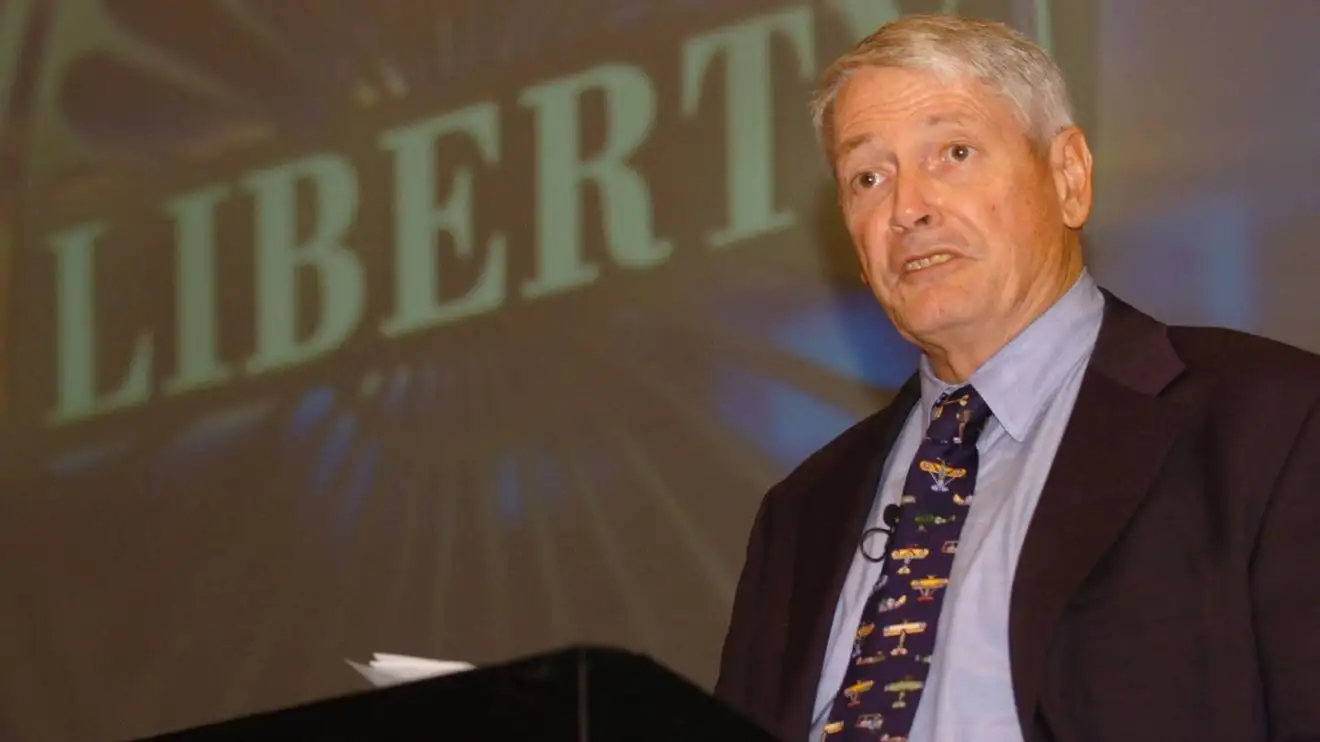
Liberty Media Acquires John Malone's Super Voting Stock After Founder Received Outside Offers
Liberty Media has acquired all shares of super voting Series B common stock held by founder John Malone in exchange for low and no-vote shares.
The swap came after Malone received a number of unsolicited offers from third parties for his stake, the company said.
At that point, according to Liberty Media, Dr. Malone and the company began discussing a transaction in which Liberty Media would instead acquire such shares.
The move knocks the financier's voting power in Liberty down from 48% to 3%.
No holder of Liberty Media common stock now holds more than 9% of voting power.
Malone, who founded the company in 1999, will step down as chairman emeritus but remain a senior advisor.
Liberty's investments have shifted over the years, with Formula 1 and MotoGP its main assets currently.
The deal better aligns John's voting power with his economic ownership of Liberty Media, the company said.
It also avoids the potential transfer of a significant voting position in Liberty Media to a third party in a transaction in which other Liberty Media shareholders would not participate.
Chase Carey, chair of a Special Committee Liberty convened to explore the transaction, said that in a statement.
Liberty CEO Derek Chang declined to give any details around the offers when asked on a call with analysts after the company's quarterly earnings.
I continue to have great confidence in Liberty Media's management team and fully support them and Liberty Media's strategy, Malone said in a statement.
The Transaction allows me to increase my economic ownership of Liberty Media while distributing voting power more broadly among Liberty Media's other shareholders, Malone said.
Board chair Robert Bennett said it simplifies Liberty's capital structure and will give us flexibility as we enter our next chapter.

We look forward to continuing to benefit from John's counsel for years to come, Bennett said.
In specifically laying out the transaction benefits, Liberty said it will reduce the ability of the Malone Holders or successors thereof to exercise significant influence over matters submitted to Liberty Media's shareholders for a vote.
It will also eliminate the risk that the Malone Holders' significant voting power could be transferred to a third party in a transaction in which other Liberty Media shareholders do not participate.
And it will potentially broaden the institutional investor base in Liberty Media's shares, the company said.
For good measure, Liberty also authorized a rights plan through November of 2027 to promote stability after the transaction.
The move makes it harder for any outsider to quietly build a big voting stake without the board getting a chance to weigh in.
Cravath, Swaine & Moore served as legal advisor to Liberty Media on the transaction.
Skadden and Paul Weiss also provided guidance, according to Bloomberg Law News.
The company said it bought all of the high-vote Series B shares held by the Malone Holders, about 2.3 million shares, roughly 97% of that class.
Those shares were exchanged for low-vote Series A and non-voting Series C stock.
The stock popped 9% on the news, according to Finimize.
When one person has outsized voting power without owning a similar share of the company's economics, investors often mark the stock down for governance risk.
Key decisions can be dominated by a controller, and that control can change hands suddenly if the high-vote block is sold.
By converting the Malone Holders' Series B stake into lower-vote and non-voting shares, Liberty reduced both entrenchment risk and the chance of a surprise control transfer.
Capping any one holder at under 9% of the vote can shrink the valuation haircut investors apply and lower the return they demand to hold the stock.

That helps explain the 9% jump.
Malone founded Liberty Media in 1999, building it into a holding company with stakes in media, telecommunications, and entertainment assets.
Over the years, Liberty's portfolio has evolved significantly.
The company acquired Formula 1 in 2017 for approximately $4.6 billion.
In 2024, Liberty completed its acquisition of MotoGP, adding the motorcycle racing circuit to its sports portfolio.
Formula 1 and MotoGP are now Liberty Media's main assets.
Dual-class share structures, like the one Liberty just unwound, are common in media and technology companies.
They allow founders or early investors to retain voting control even after selling most of their economic stake to public shareholders.
Critics argue such structures entrench management and create governance risks.
Proponents say they protect long-term strategy from short-term market pressure.
Liberty's move to eliminate its dual-class structure and cap voting power at 9% per holder is a significant governance reform.
The company said it simplifies Liberty's capital structure.
The transaction was structured to avoid a taxable event for Malone.
Malone, often called the Cable Cowboy, is one of the most influential figures in media and telecommunications.
He built Liberty Media through a series of spin-offs, acquisitions, and tracking stocks that became a template for media holding companies.

His reduced voting role marks the end of an era for Liberty Media.
But Malone will remain a senior advisor, and the company said it will continue to benefit from his counsel.
The rights plan adopted through November 2027 is a standard poison pill mechanism.
It triggers when any shareholder acquires more than a certain percentage of stock without board approval.
This gives the board time to evaluate the acquirer and seek alternatives.
Liberty said the plan is meant to promote stability after the transaction.
The special committee that explored the transaction was formed to ensure independent oversight.
Chase Carey, who chaired the committee, is a former executive at 21st Century Fox and served as Formula 1's chairman and CEO.
The transaction closed after Liberty's Q3 2026 earnings report.
Liberty Media Corp reported Q3 2026 EPS of $0.54 and revenue of $1.1 billion.
The company's Series C stock, traded under the ticker FWONK on Nasdaq, set a new 12-month high following the announcement.
The question that remains open is whether other companies with dual-class structures will follow Liberty's lead.
Regulatory pressure on such structures has been increasing in recent years.
Index providers like S&P Dow Jones and FTSE Russell have tightened rules on including companies with multiple share classes.
Liberty's move could be seen as proactive governance reform ahead of potential regulatory changes.
For now, the company has eliminated its super-voting shares, capped any single holder's voting power, and added a rights plan.
John Malone's voting power has been cut from 48% to 3%.
And the stock market has responded with a 9% gain.
Advertisement
You may also like
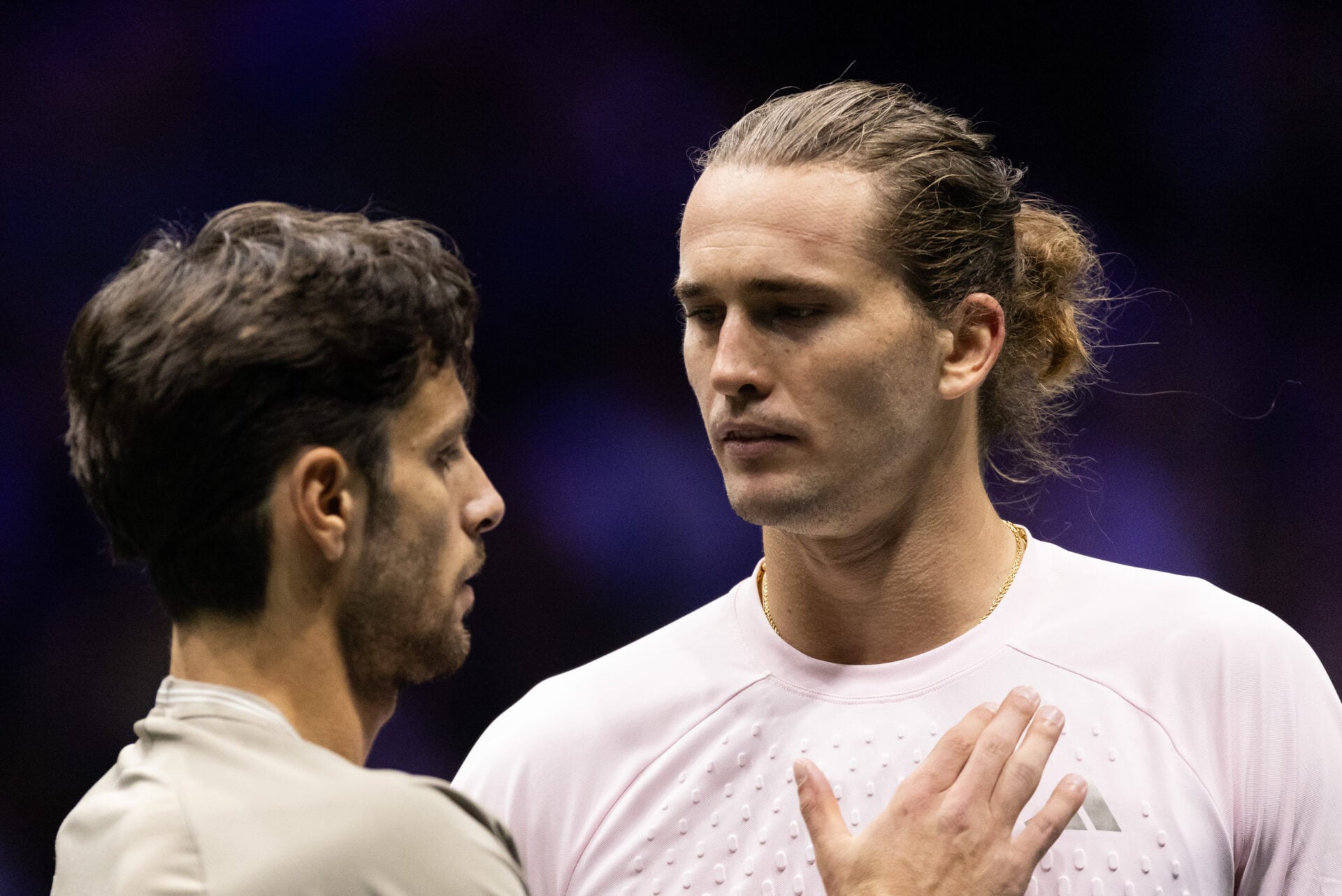
Alexander Zverev joins Pete Sampras on an unfortunate list after Paris loss.
Alexander Zverev has joined Pete Sampras on an unfortunate list. The German lost to Lorenzo Musetti in the second round of the Paris Masters.…
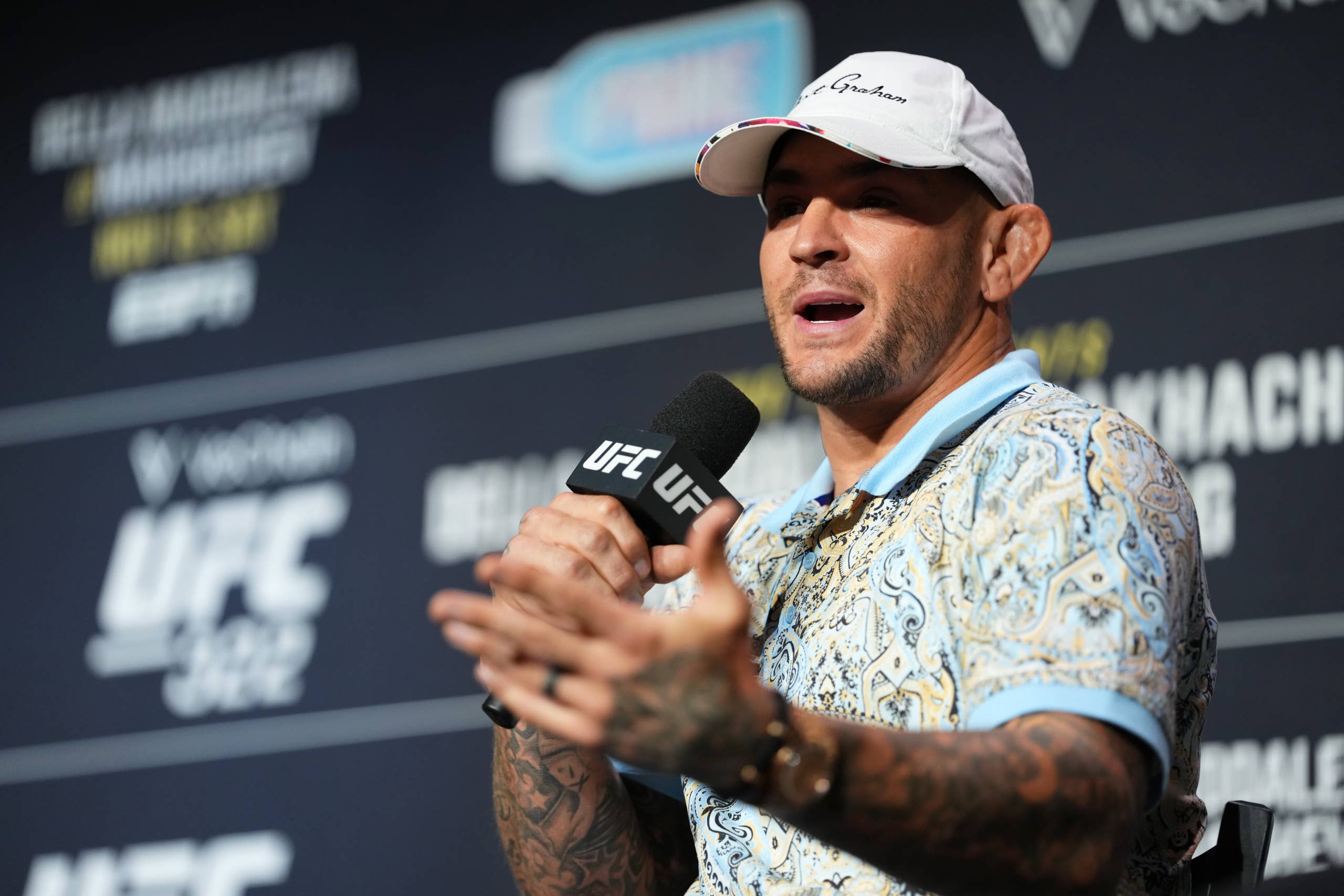
Buckley Threatens Poirier Over Racial Slur Feud
Joaquin Buckley has threatened Dustin Poirier over the former UFC champion's use of a racial slur during a public intoxication arrest at an Atlanta…

Country Stars Ella Langley and Miranda Lambert Set to Rock CMA Awards
ABC and the Country Music Association have announced the first round of performers for the 60th annual CMA Awards. The ceremony airs live from…
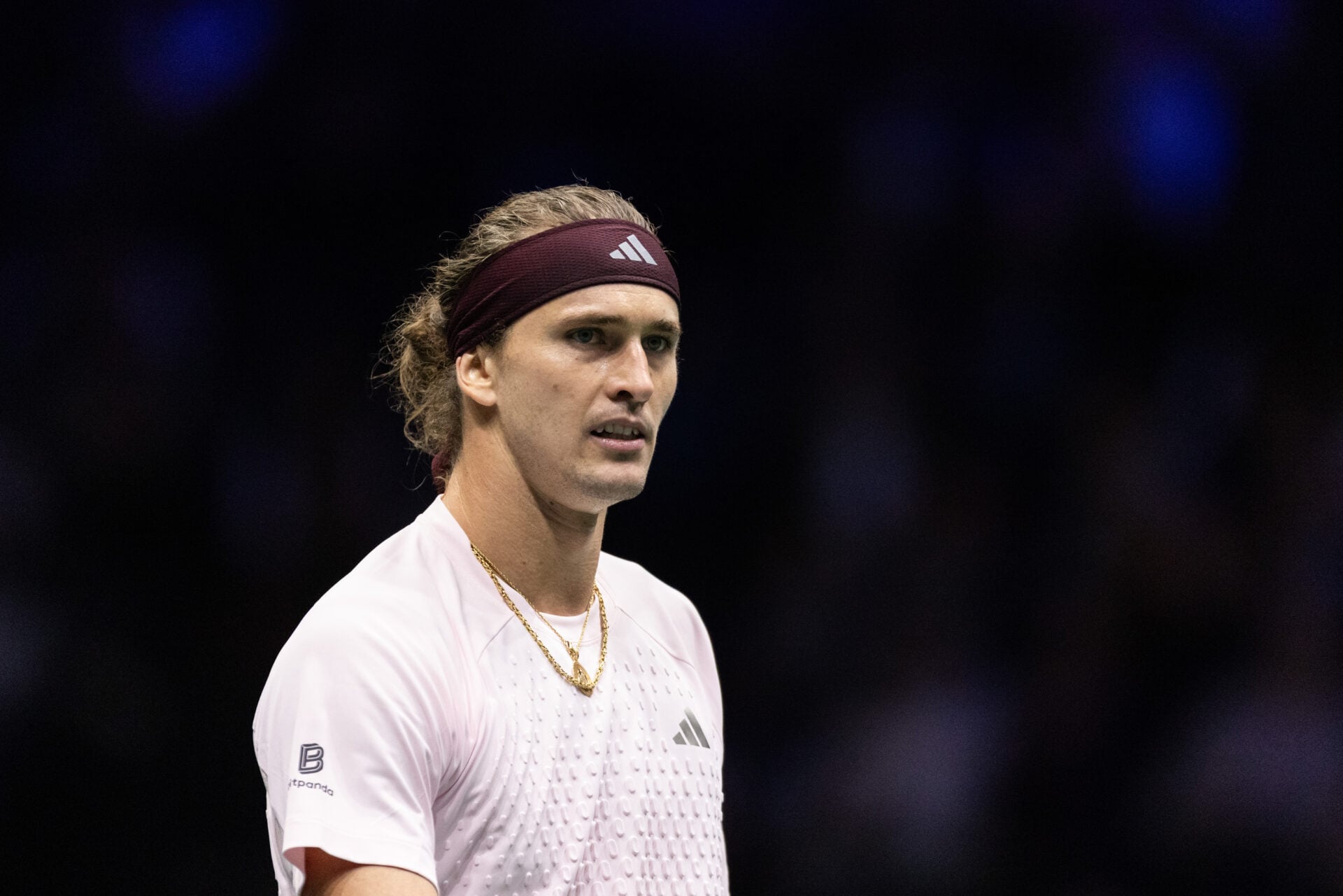
Zverev snubs Serena Williams in women’s GOAT debate
Alexander Zverev has overlooked Serena Williams when naming the greatest women's tennis player of all time. The 29-year-old German instead picked his compatriot Steffi…
Bill Self warns Kansas Jayhawks over free-throw disaster
Bill Self Sounds the Alarm on Kansas Jayhawks Free-Throw Shooting. Kansas opened its regular season with a 95-65 blowout win over Fordham on Nov.…

Tim McGraw Adds 5 Vegas Shows After Fan Demand
Tim McGraw Concert Setlists: What to Expect at 2026 Tour & Vegas Shows Tim McGraw has added five new performances at The Colosseum at…