LIV Golf collapses after bankruptcy court bombshell
LIV Golf is officially dead.
Lawyers for the rebel golf league told a New Jersey bankruptcy court Thursday that the company will liquidate its assets and wind down operations instead of proceeding with a planned restructuring.
“The debtors are not currently proceeding with the LIV 2.0 plan,” attorney Matthew Williams of Gibson Dunn said during a 13-minute hearing in Newark.
“Instead, the debtors are toggling to a value-maximizing wind-down in their business.”
The announcement ended any remaining hope that the Saudi-backed venture could survive after five turbulent seasons and roughly $5 billion in spending.
LIV Golf filed for Chapter 11 bankruptcy protection on September 8, 2026.
At the time, the league believed it had secured a lifeline from BC Partners Credit, which had pledged $300 million to help fund a restructured version of the tour called LIV 2.0.
That deal collapsed when BC Partners pulled its commitment.
“BC Partners Credit supported a transaction that aligned the interests of players and investors, offering a credible path toward building a sustainable future for LIV Golf,” the firm said in a statement.

“While there was great support for the league, we are disappointed that mutually acceptable terms could not be reached among the various stakeholders.”
The root cause of the collapse traces back to Saudi Arabia’s Public Investment Fund, or PIF, which had bankrolled the league since its launch in 2022.
PIF decided earlier this year to stop funding LIV after the 2026 season.
The fund had spent more than $5 billion — some reports put the figure closer to $7 billion — to create and sustain a tour that lured top players away from the PGA Tour with enormous guaranteed contracts.
Once PIF cut off the cash flow, the league had roughly seven months to find a replacement investor or a path to survival.
It found neither.
In those seven months, several marquee players announced plans to leave.
Jon Rahm and Sergio Garcia were among the first to signal their exits.
Rahm agreed to forfeit all claims against LIV — claims reportedly worth approximately $100 million — to get out of his contract.
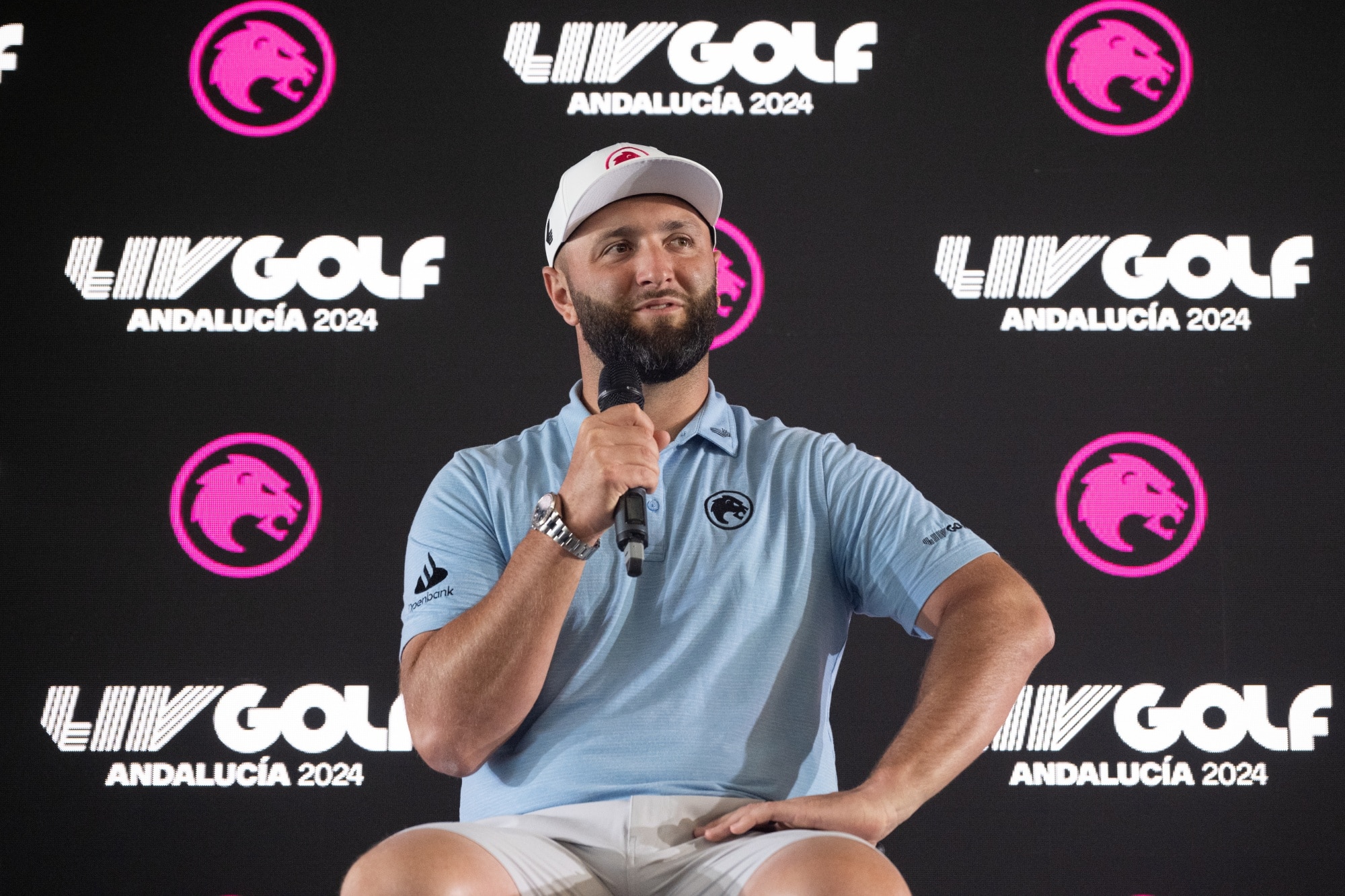
He has returned to playing on the European tour, with hopes that a path back to the PGA Tour will eventually open.
The PGA Tour currently maintains a 12-month ban on players from their last LIV appearance before they can reapply for membership.
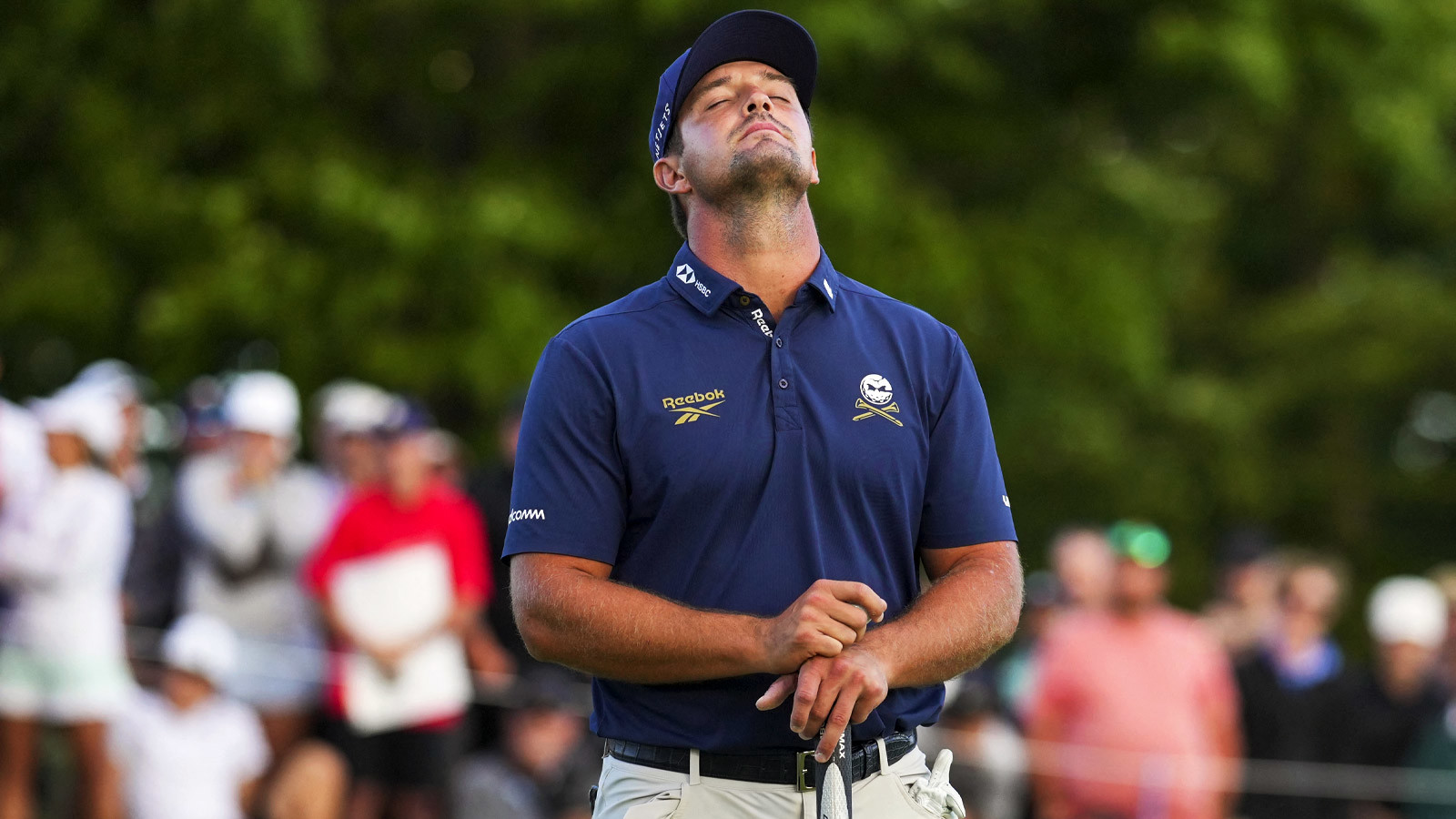
Bryson DeChambeau had become the face of the proposed LIV 2.0.
The league had reportedly secured commitments from 30 players for the next season, with another 10 considering joining.
Those 10 players had not made their decisions by an October 25 deadline.
Even after reports emerged Wednesday that LIV was on life support, some players tried to return to the negotiating table with BC Partners.
They were turned down.
Brooks Koepka, another major name who had signed with LIV, opted to return to the PGA Tour before the bankruptcy filing.
Tyrrell Hatton and Louis Oosthuizen also chose not to stay with the league.

Talks about a potential merger between LIV, the PGA Tour and the DP World Tour — negotiations in which President Donald Trump participated — ultimately yielded no results.
The Asian Tour, which had received financial support from LIV for an International Series, decided in July to renew an alliance with the PGA Tour and the DP World Tour instead.
European tour CEO Guy Kinnings said last month that anyone signing up for LIV 2.0 would not be welcomed back to the European tour without significant penalties.
Now, instead of planning a new season for 2027, LIV enters a liquidation phase.
The league will sell off its assets to pay creditors.
One issue that has drawn scrutiny is the money LIV paid to its own executives after the funding cutoff.
Between the time PIF stopped funding and the bankruptcy filing, LIV Golf paid $15.6 million to retain seven of its executives.
That includes $6.375 million paid to CEO Scott O’Neil.
Those retention payments are not unusual for a company trying to emerge from bankruptcy.

The legal question now is whether those payments can be voided since LIV is not going forward with a restructuring.
Creditors may challenge the payments as improper transfers made while the company was insolvent.
For the players who remain under contract, the path forward is unclear.
Jon Rahm and Tyrrell Hatton retain their DP World Tour membership and can compete in all its events.
Bryson DeChambeau is eligible to apply for DP World Tour membership as a major winner by November 16.
The 2027 season will be his last opportunity to use that rule.
Cameron Smith and Dustin Johnson can no longer claim membership under the major-winner rule.
They may receive invitations to individual DP World Tour tournaments, but nothing is guaranteed.
The PGA Tour has not announced any plans to lift its 12-month ban on LIV players.

That means some athletes may choose the DP World Tour as a route back to regular competition.
The DP World Tour expects that a number of LIV golfers may join its tournaments next year.
LIV Golf launched in 2022 with the stated mission of growing the game of golf globally.
It offered guaranteed contracts worth tens of millions of dollars, 54-hole no-cut events, and team competition.
The league attracted stars like Phil Mickelson, Dustin Johnson, Bryson DeChambeau, Brooks Koepka, Jon Rahm and Cameron Smith.
It also drew fierce criticism from golf traditionalists and from the PGA Tour, which suspended players who joined the rival league.
Rory McIlroy, one of the most vocal critics of LIV, had repeatedly called the league a distraction and questioned its financial model.
He slammed the breakaway league again in recent weeks as the collapse became apparent.
The bankruptcy hearing lasted 13 minutes.
There was no drama, no last-minute deal, no surprise investor.
Just a lawyer telling a judge that the experiment was over.
The league that spent $5 billion to change professional golf is now worth whatever its remaining assets fetch at auction.
Advertisement
You may also like
NBA champion Steve Kerr trolls Donald Trump with a savage jab
Golden State Warriors head coach Steve Kerr took a sharp, humorous jab at President Donald Trump during his Wednesday media availability, referencing a campaign…
John Cena’s subtle salute to Gunther after his return
John Cena made a surprise appearance on the Oct. 30, 2026 edition of WWE NXT. As he walked to the ring, he stopped in…
Braden Smith Makes NBA Debut With the Pacers
Purdue basketball alum Braden Smith makes NBA debut with the Pacers. Braden Smith, the former Purdue Boilermakers guard, stepped onto an NBA floor for…
Red Wings vs. Golden Knights Live Score and Game Updates
NHL.LIVE: Detroit Red Wings vs Vegas Golden Knights LIVE STREA.MS NHL Game On TV Coverage 6 Nov 2026. Puck drop is set for 7…
Business leaders face a tough choice with workplace monitoring.
Big Brother 2026 has officially crowned a winner. Rochelle took the title on the live final, hosted by AJ Odudu and Will Best on…
WWE Plans Huge 30th Anniversary Celebration for The Rock
WWE is planning to celebrate 30 years of The Rock this month. Plans include a commemorative championship belt. Special merchandise releases are also in…