LIV Golf Collapses After Losing Star Players and Funding

LIV Golf is shutting down.
The breakaway league announced it will liquidate and begin an orderly wind-down of operations.
The decision follows a failed restructuring effort that was supposed to keep the tour alive.
A New Jersey bankruptcy court approved the move after LIV abandoned plans for a "LIV 2.0" season.
The league lost critical financial backing and key star players before the court date.
Saudi Arabia's Public Investment Fund, or PIF, had poured over $5 billion into LIV Golf since its 2022 launch.
PIF withdrew its financial support after the 2026 season ended.
Gene Davis and Jon Zinman, who sit on the LIV Golf board special committee, confirmed the decision in an official release.
"In light of the current circumstances, we believe shifting toward an orderly wind-down is the most responsible path forward for the League at this time," they said.
Private equity firm BC Partners had proposed a $300 million financing package to fund the 2027 season.
That deal fell apart.

BC Partners released a statement explaining what happened.
"BC Partners Credit supported a transaction that aligned the interests of players and investors, offering a credible path toward building a sustainable future for LIV Golf," the firm said.
"While there was great support for the league, we are disappointed that mutually acceptable terms could not be reached among the various stakeholders," a BC Partners spokesperson added.
The collapse ends a four-year run that fundamentally changed professional golf.
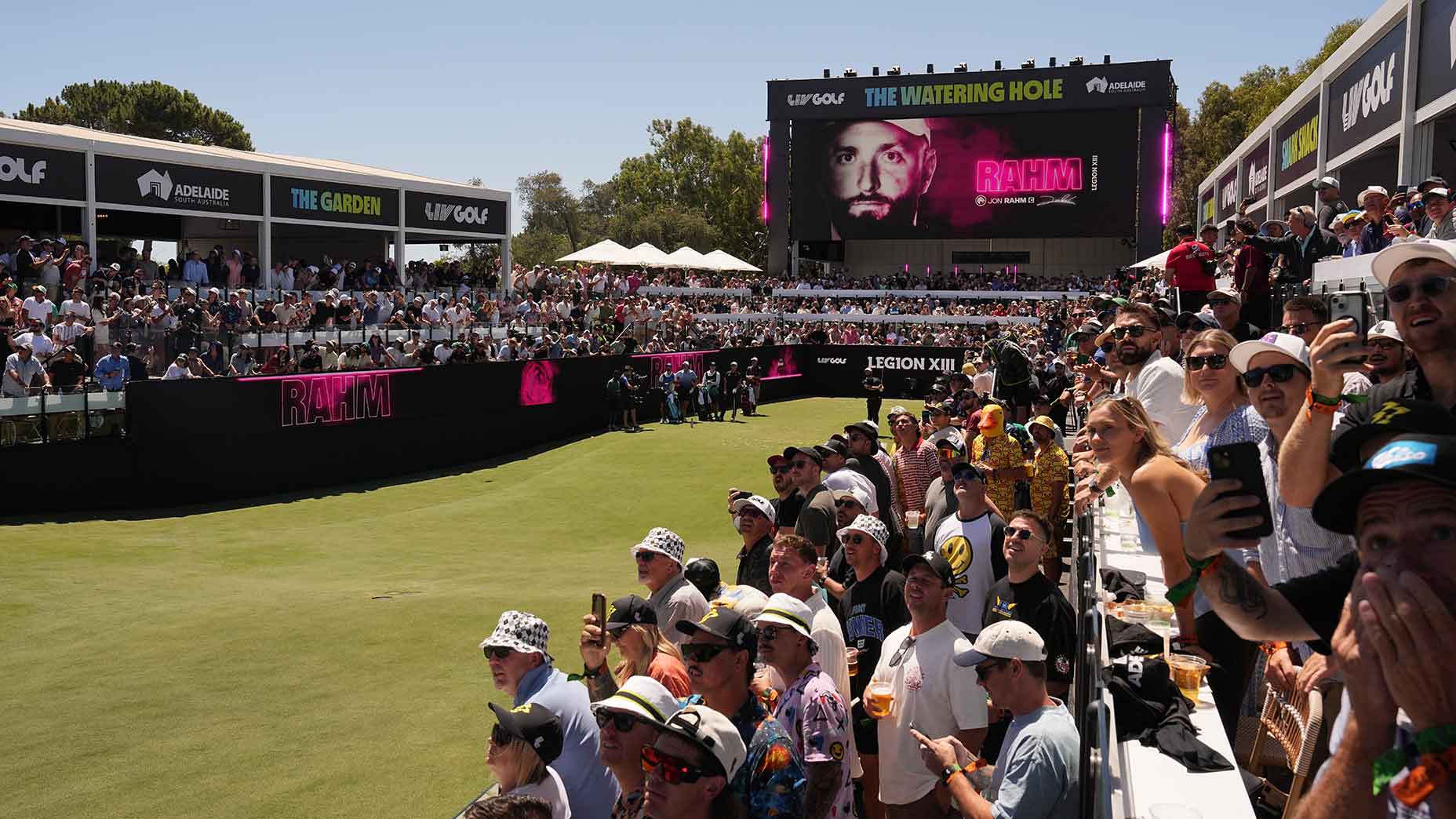
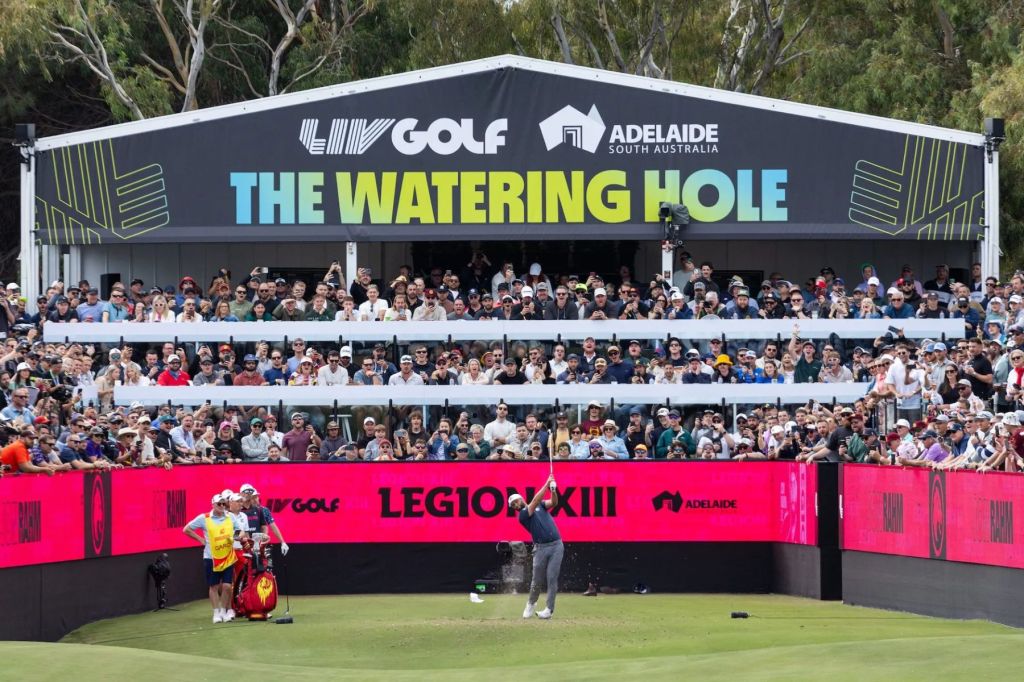
LIV Golf launched in 2022 with a radically different format: 54-hole events, no cuts, shotgun starts, and team competition.
The league signed some of the biggest names in the sport, including Phil Mickelson, Dustin Johnson, Brooks Koepka, Bryson DeChambeau, and Jon Rahm.
Contracts were often worth hundreds of millions of dollars.
LIV Golf CEO Scott O'Neil reflected on the league's impact in a statement.
"Building a global platform designed to bring new, younger, and more diverse fans to the sport of golf has been the round of a lifetime for all of us," O'Neil said.
"LIV Golf was fun, demanding, inspiring, at times challenging — but always rewarding," he added.
Peter Malnati, a PGA Tour player director and current Tour player, reacted to the news in an interview with Golf Channel.

Malnati did not mince words.
"I'm not an economics major, I'm not even business savvy … but it didn't take too much to see that that wasn't a viable economic model," Malnati said.
He questioned the league's original intentions.
"If their goal was truly to be additive to the golf space, they went about it in a strange way," Malnati said.
"If their goal was to be disruptive, they did a heck of a job," he added.
The PGA Tour and LIV Golf had been locked in a bitter rivalry since the breakaway league's inception.
LIV Golf lured players with guaranteed contracts that the PGA Tour could not match, since the Tour operates as a non-profit for its members.
The PGA Tour responded by suspending players who joined LIV Golf, barring them from Tour events.
Several high-profile players left the Tour for LIV, including major champions and fan favorites.
The rivalry sparked antitrust lawsuits, congressional hearings, and a proposed merger framework between the PGA Tour, DP World Tour, and PIF.
That framework, announced in June 2023, was supposed to unify professional golf under a single commercial entity.
But the deal never closed.
Negotiations dragged on for years without a final agreement.
Meanwhile, LIV Golf struggled to generate the revenue needed to sustain its operations.
Television ratings were lower than the PGA Tour's.
Sponsorship deals were harder to secure.
And the league never secured a U.S. broadcast rights deal with a major network.
The league's financial troubles became public in late 2025 when reports surfaced that PIF was reconsidering its commitment.
By mid-2026, several star players had either opted out of their contracts or negotiated releases.
The departure of high-profile names accelerated the collapse.
Without its biggest draws, LIV Golf could not attract the investment needed to continue.
The BC Partners deal was seen as the last hope for a 2027 season.
When that deal fell through, liquidation became the only option.
LIV Golf's assets will now be sold off to pay creditors.
It is unclear what will happen to the remaining players under contract.
Some may return to the PGA Tour, though the terms of such a return are not yet settled.
The PGA Tour has not publicly stated whether it will re-admit former LIV players without penalties.
DP World Tour players have indicated they will not hold LIV defections against potential returnees, according to earlier reports.
But the path back is not automatic for everyone.
The liquidation also raises questions about the future of team golf.
LIV Golf's team format was central to its identity, with franchises like the Crushers, 4Aces, and Smash GC.
Whether those teams survive in some form is unknown.
The PGA Tour has launched its own team events, including the Zurich Classic and a proposed team league, but nothing on LIV's scale.
For now, the professional golf landscape returns to a single dominant tour.
But the scars of the LIV era remain.
The league spent over $5 billion to enter the sport.
It succeeded in forcing the PGA Tour to increase prize money, change its schedule, and adopt some innovations like no-cut events.
It also fractured the golf community, divided fans, and created lasting bitterness between players who left and those who stayed.
Malnati's reaction captured the sentiment of many Tour loyalists.
He saw the model as unsustainable from the start.
And now the numbers have proven him right.
The full financial details of the liquidation will emerge in bankruptcy court in the coming months.
Creditors will file claims.
Players may sue for unpaid contract guarantees.
And the golf world will watch to see who gets paid and who walks away empty-handed.
One thing is certain: the LIV Golf experiment is over.
It lasted four seasons.
It burned through billions of dollars.
And it changed professional golf forever — even if it could not survive itself.
Advertisement
You may also like

NBA champion Steve Kerr trolls Donald Trump with a savage jab
Golden State Warriors head coach Steve Kerr took a sharp, humorous jab at President Donald Trump during his Wednesday media availability, referencing a campaign…

John Cena’s subtle salute to Gunther after his return
John Cena made a surprise appearance on the Oct. 30, 2026 edition of WWE NXT. As he walked to the ring, he stopped in…

Braden Smith Makes NBA Debut With the Pacers
Purdue basketball alum Braden Smith makes NBA debut with the Pacers. Braden Smith, the former Purdue Boilermakers guard, stepped onto an NBA floor for…

Red Wings vs. Golden Knights Live Score and Game Updates
NHL.LIVE: Detroit Red Wings vs Vegas Golden Knights LIVE STREA.MS NHL Game On TV Coverage 6 Nov 2026. Puck drop is set for 7…

Business leaders face a tough choice with workplace monitoring.
Big Brother 2026 has officially crowned a winner. Rochelle took the title on the live final, hosted by AJ Odudu and Will Best on…

WWE Plans Huge 30th Anniversary Celebration for The Rock
WWE is planning to celebrate 30 years of The Rock this month. Plans include a commemorative championship belt. Special merchandise releases are also in…