LIV Golf officially shuts down after $7 billion collapse.
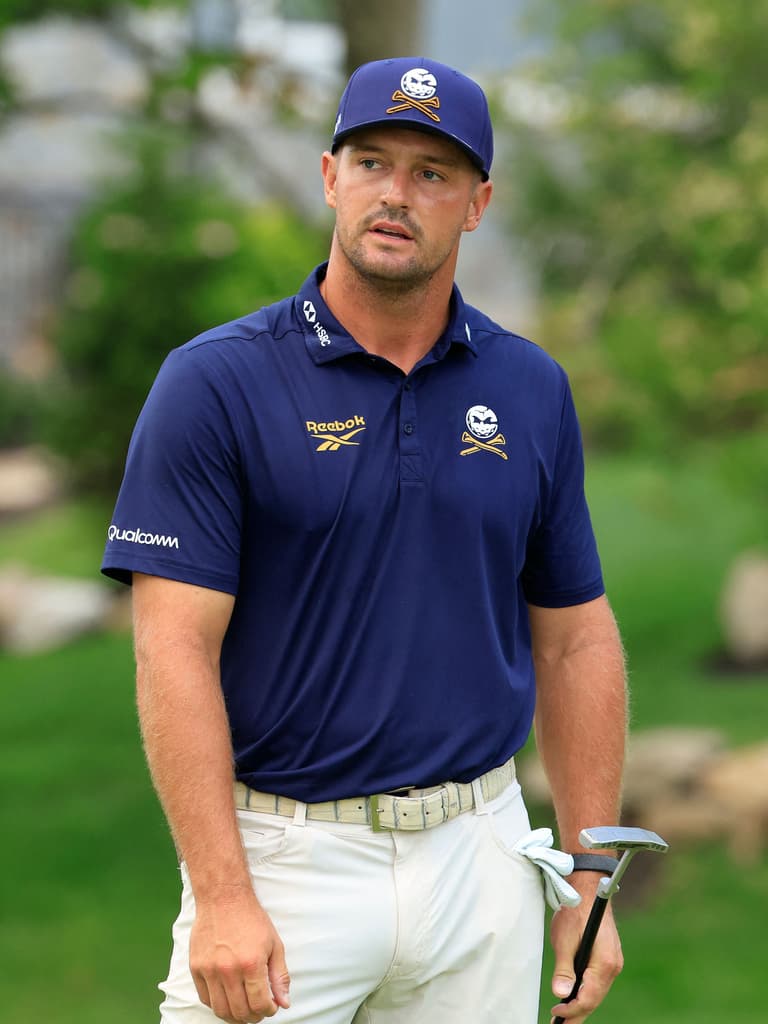
OFFICIAL: LIV Golf finished after funding hammer blow completes shocking $7b collapse.
LIV Golf, the Saudi-backed rebel league that spent five years and $5 billion trying to break professional golf, confirmed Thursday that it is shutting down.
The announcement came in a 13-minute hearing in bankruptcy court in New Jersey, where LIV attorney Matthew Williams of Gibson Dunn told the judge the league would not proceed with its planned reorganization.
Instead of launching a new version — called “LIV 2.0” — the league will begin liquidating its remaining assets on Monday, November 9, 2026.
“The debtors are not currently proceeding with the LIV 2.0 plan,” Williams said during the hearing.
“Instead, the debtors are toggling to a value-maximising wind-down in their business.”
LIV Golf filed for Chapter 11 bankruptcy protection on September 8, 2026, after Saudi Arabia’s Public Investment Fund (PIF) abruptly pulled its funding earlier this year.
PIF had poured an estimated $5 billion into the league since its launch in June 2022, according to statements in court and reports from CBS Sports and Fox Sports.
That figure converts to roughly $7 billion in total spending, when including operational costs and player contracts.
After PIF withdrew, LIV officials vowed to relaunch as a leaner version called LIV 2.0, with a shorter schedule and reduced prize money.
The league secured a lifeline from BC Partners Credit, which pledged an initial funding commitment of up to $300 million.
But that deal fell apart when BC Partners could not convince enough star players to commit to the new format.

“BC Partners Credit supported a transaction that aligned the interests of players and investors, offering a credible path toward building a sustainable future for LIV Golf,” BC Partners said in a statement.
“While there was great support for the league, we are disappointed that mutually acceptable terms could not be reached among the various stakeholders.”
In a separate statement, LIV Golf said only that attempts to implement its Restructuring Support Agreement with BC Partners had foundered.
“Despite extensive discussions, the relevant parties were ultimately unable to reach a consensual resolution of certain outstanding terms of the Transaction contemplated by the RSA,” LIV Golf said.
“In light of the current circumstances, we believe shifting toward an orderly wind-down is the most responsible path forward for the League at this time.”
Multiple high-profile players publicly announced they would not return for LIV 2.0.
Jon Rahm — who had signed a contract reportedly worth north of $300 million in 2023 — agreed to forfeit all claims against LIV, said to be worth some $100 million, to get out of his deal.
Rahm has returned to the European Tour, with hopes of eventually finding a path back to the PGA Tour.
Sergio Garcia, Tyrrell Hatton, and Louis Oosthuizen also declined to commit to the new league.
Brooks Koepka, another major name who had signed with LIV, opted to return to the PGA Tour.
Even Bryson DeChambeau — arguably LIV’s biggest remaining star, who continued to publicly back the tour — did not commit to returning.
DeChambeau has been offered a free path back to professional golf through the DP World Tour, according to reports.
The league’s collapse follows a series of setbacks that began before and continued after its bankruptcy filing.
In July 2026, the Asian Tour — which had received financial support from LIV for its International Series — decided to renew an alliance with the PGA Tour and the DP World Tour.
Then, in September 2026, European Tour CEO Guy Kinnings said anyone signing up for LIV 2.0 would face consequences.
LIV Golf paid $15.6 million to retain seven of its executives in the months between PIF’s withdrawal and the bankruptcy filing.
That total included $6.375 million paid to chief executive Scott O’Neil.
Court documents described those payments as not unusual for a company trying to emerge from bankruptcy.
But with the league now liquidating rather than reorganizing, questions remain about whether those payments can be voided.
LIV Golf launched in June 2022, founded by Australian Greg Norman, with the explicit goal of challenging the PGA Tour’s dominance.
The league offered nine-figure signing bonuses to lure top names away from traditional tours.
It held events in the United States, Europe, Asia, and Australia — including four tournaments in Adelaide, South Australia.
A fifth Australian event was scheduled for March 2027 at Kooyonga Golf Club, but that will now not take place.
The league operated for five full seasons, from 2022 through 2026.
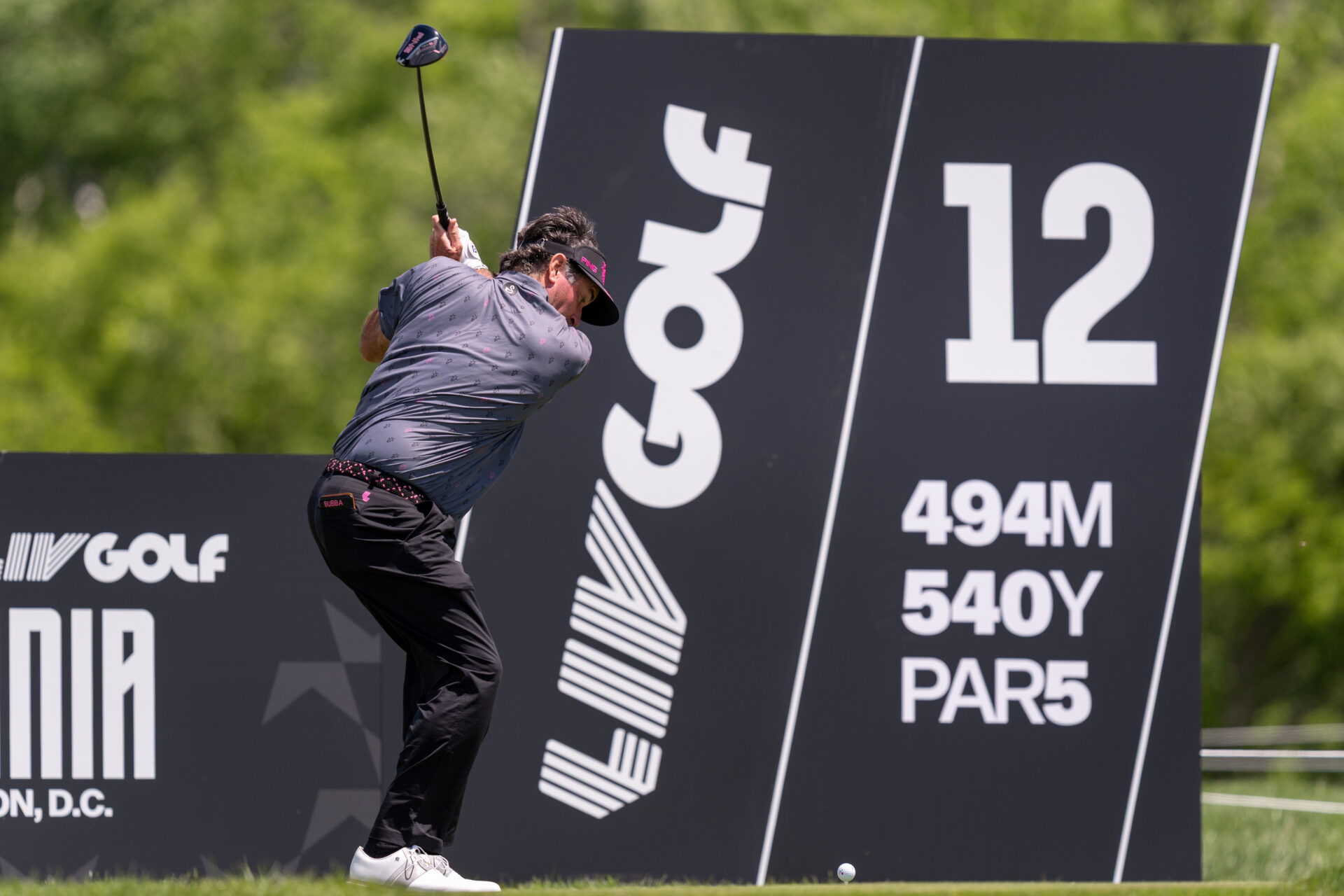
Throughout its existence, LIV faced criticism for its Saudi Arabian funding, with human rights groups and some players raising concerns about sportswashing.
PGA Tour officials initially banned players who joined LIV, leading to a protracted legal battle that was eventually settled.
In June 2023, the PGA Tour and PIF announced a framework agreement to merge commercial operations, but that deal was never finalized.
With LIV now in liquidation, the remaining assets — including broadcast rights, equipment, and intellectual property — will be sold to satisfy creditors.
The bankruptcy court will oversee the process, with a hearing expected to approve the liquidation plan in the coming weeks.
For the players who defected to LIV, the path back to the PGA Tour remains uncertain.
The PGA Tour currently has a one-year ban in place for players dating back to their last LIV appearance.
Whether that ban will be lifted, or whether players will face additional penalties, has not been announced.
The question now is what happens to the remaining LIV players, the unpaid contracts, and the broader realignment of professional golf.
No date has been set for the next court hearing.
LIV Golf’s official website and social media channels have not been updated since the announcement.
The league’s statement said only that the wind-down is “the most responsible path forward.”
Advertisement
You may also like
Ryan Day drops concerning Julian Sayin injury update before Oregon game
Latest Julian Sayin injury update raises significant concerns for Ohio State. Ryan Day provided the update on his radio show Thursday. Day said Sayin…
Brady Tkachuk Finally Responds to Blackhawks Rookie’s Challenge
Brady Tkachuk and the Blackhawks rookie who called him out. Florida beat Chicago 5-3 on Wednesday night at Amerant Bank Arena in Sunrise, Florida.…
Oprah’s studio became McDonald’s global HQ 28 years later
In 1990, Oprah Winfrey opened Harpo Studios in Chicago. Twenty-eight years later, McDonald’s opened its global headquarters on the same site. The 480,000-square-foot building…
Curt Cignetti destroys ESPN for SEC bias with one undeniable fact.
Curt Cignetti did not come to the microphone to complain. He came with a spreadsheet. The Indiana head coach used his weekly radio show…
Marta the Soccer Queen Gets Her Own Movie Trailer
Open & Shut: Marta al Mare; Oohhs & Aahhs; Silver Queen Cafe Baltimore's restaurant scene saw a shakeup this week with a high-profile opening,…
Reed Fires Back at DP World Tour While Eyeing PGA Return
Patrick Reed has made his position clear on the potential return of Jon Rahm to the PGA Tour. The 2018 Masters champion believes that…