Mark Walter Draws Seven Interested Parties For Cadillac F1 Despite Zero Championship Points
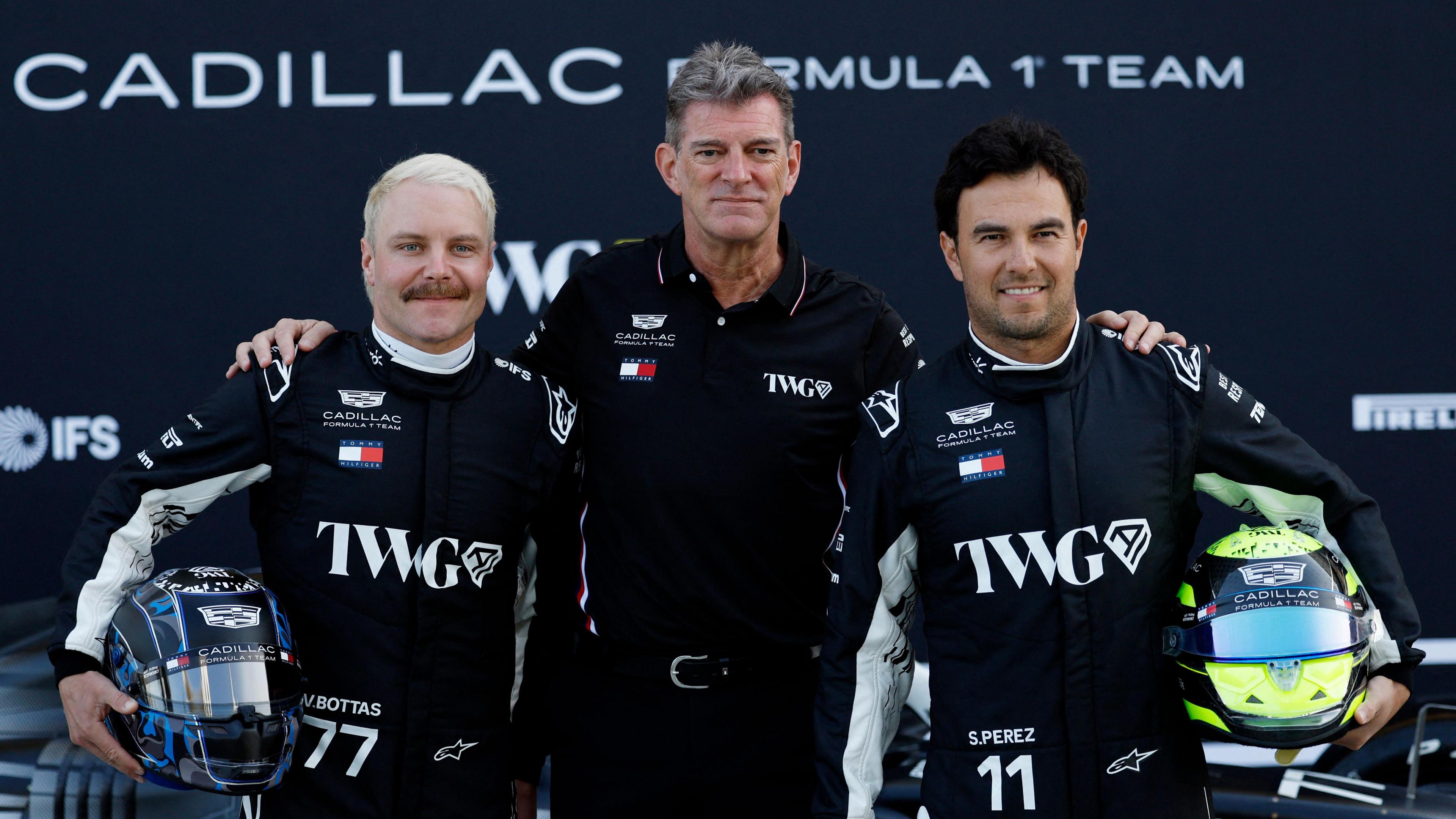
Mark Walter is shopping the Cadillac Formula 1 team with an asking price of at least $3 billion, attracting at least seven interested parties even though the team sits at the bottom of the constructors' championship without a single point.
"Mark Walter is shopping his Cadillac F1 team with an asking price of at least $3 billion, according to three people familiar with the process."
"There are at least seven parties interested in the team, which is wrapping up its Formula 1 season."
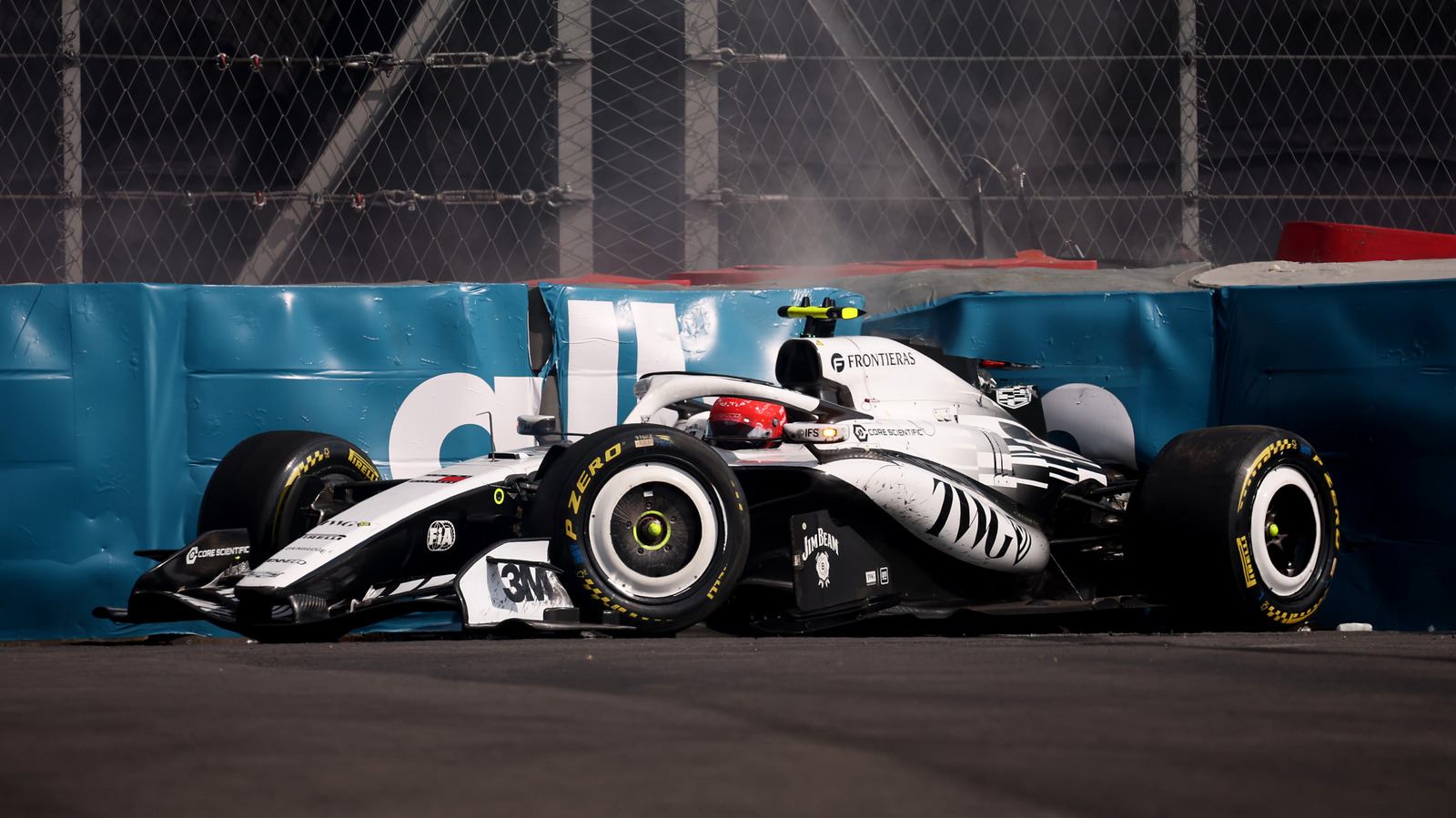
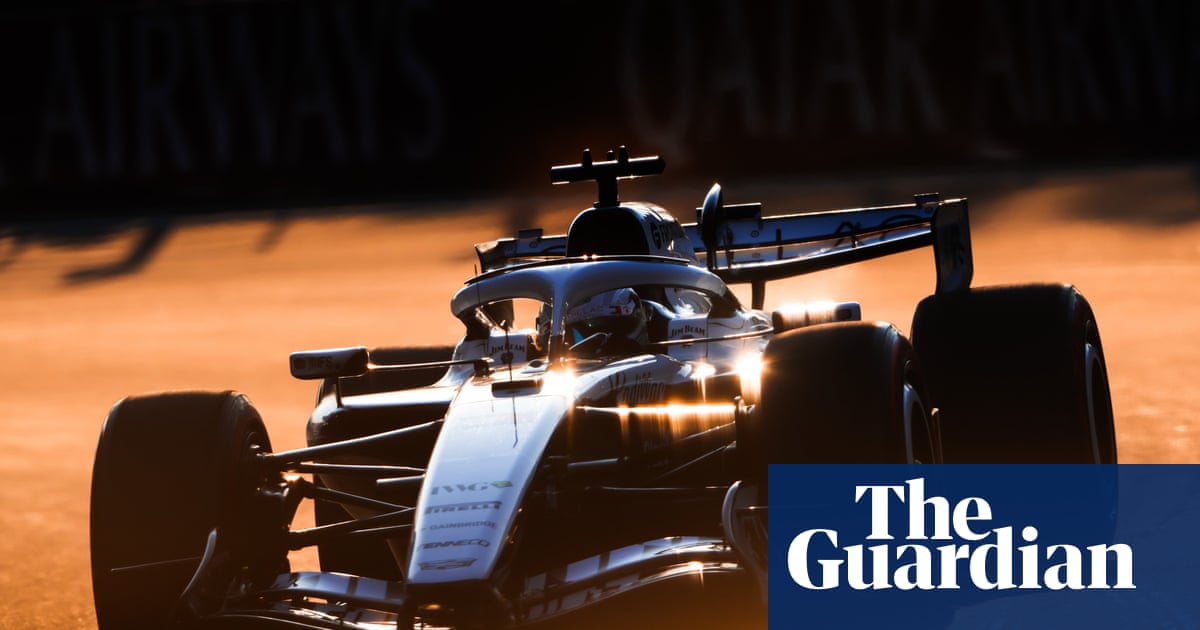
On the race track, the American outfit has endured a brutal introduction to Grand Prix racing.
The team made its official debut at the Australian Grand Prix earlier this year.
Cadillac has failed to score a single point throughout its entire maiden campaign.
The outfit remains locked at the very bottom of the constructors' standings as the season concludes.
Yet off the track, the financial appetite for the operation has reached historic heights.
Investors appear entirely unfazed by the squad's lack of on-track silverware.
Instead, the massive multi-billion-dollar valuation reflects the extreme exclusivity of modern Formula 1 grid slots.
A ZERO-POINT VALUATION
A valuation of $3 billion would place the fledgling outfit among the most valuable racing franchises in motorsport history.
Sportico previously reported that Walter valued his shareholding in the Cadillac operation at roughly £2.24 billion.
That translates directly to the staggering $3 billion benchmark now being floated to prospective buyers.
Under normal circumstances, sports teams anchored to the bottom of a table struggle to attract top-tier capital.
Formula 1 operating economics, however, follow a vastly different commercial model.
Ever since Liberty Media acquired the series in 2017, global interest in Grand Prix racing has surged.
Annual revenue for Formula 1 has more than doubled under Liberty Media, reaching $4 billion.
Lucrative broadcast rights agreements have continued to rise in value across international territories.
The American market in particular has exploded in both viewership and corporate sponsorship.
With only a finite number of positions available on the starting grid, entry barriers are notoriously steep.
TWG Global spent over $1 billion establishing the Cadillac F1 operation before turning a competitive wheel.
Nearly half of that upfront total went toward paying the mandatory anti-dilution fee required by the championship.
Because new entries face rigorous approval hurdles, purchasing an established slot has become the preferred route for outside investors.
FSG LEADS A CROWDED FIELD
Among the seven groups monitoring the situation, one high-profile sports conglomerate has emerged at the front of the queue.
Fenway Sports Group has held talks about buying a majority stake in the Cadillac Formula 1 team.
The proposed transaction would be worth more than £2 billion.
FSG boasts an extensive portfolio across major international sports leagues.
The Boston-based group owns Major League Baseball's Boston Red Sox.
It also controls the Pittsburgh Penguins of the National Hockey League.
FSG has existing roots in top-tier motorsport through a 50 percent stake in RFK Racing in the NASCAR Cup Series.
Crucially, FSG recently unlocked substantial liquidity from its global portfolio.
The group sold a 38 percent stake in Liverpool Football Club this past summer.
That minority share was purchased by an investment consortium featuring Amazon founder Jeff Bezos and Facebook co-founder Eduardo Saverin.
FSG originally purchased the English Premier League club for £300 million in 2010.
Liverpool is now valued at £5.5 billion following that summer transaction.
The agreement with Bezos and Saverin also includes an option to complete a full takeover of the club before August 2027.
With fresh capital in hand, FSG is targeting new sporting ventures.
A move into Formula 1 would grant the American ownership group a marquee presence on the world stage.
THE GENERAL MOTORS PARTNERSHIP
Any potential sale of the racing team involves complex corporate dynamics behind the scenes.
The Cadillac squad is jointly owned by Walter and American automotive giant General Motors.
The exact ownership percentages held by TWG Global and General Motors have never been made public.
General Motors provides crucial automotive backing and identity to the entire program.
While a sudden sale could theoretically open the door for a rival car manufacturer, GM's ownership stake creates an enormous obstacle for competitors.
Industry observers consider FSG a natural fit because an independent sports group would preserve the existing General Motors partnership.
TWG originally entered Grand Prix racing in 2024 by acquiring Andretti Global and its associated bid.
The operation was rebranded under the Cadillac banner to establish a prominent American factory team.
Losing Walter so quickly represents a major shift for a project that took years to assemble.
FEDERAL SCRUTINY MOUNTS
The sudden push to sell Cadillac F1 comes amid intense legal pressure surrounding Walter's financial holdings.
The 66-year-old financier is facing parallel investigations by federal authorities.
The U.S. Department of Justice and the Securities and Exchange Commission are scrutinizing transactions within Walter's business network.
Investigators are looking into whether TWG-owned insurance firms improperly funneled capital to Walter's other commercial enterprises.
Those insurance entities include Delaware Life, Clear Spring, and EquiTrust.
Motorsport spectators frequently see branding for Delaware Life and Gainbridge across Andretti racing cars.
According to The Wall Street Journal, an internal review revealed that $20 billion in loans were never disclosed to financial regulators.
Walter reportedly faces a deadline to repay that estimated $20 billion by the end of the calendar year.
TWG has maintained a firm public defense against the allegations.
The firm has stated on the record that "there has been no fraud."
Nevertheless, the looming repayment obligations appear to have accelerated asset sales across Walter's sports portfolio.
A RAPID PORTFOLIO CONTRACTION
The disposal of major sports properties began abruptly toward the end of summer.
In August, Walter sold his stake in the Los Angeles Lakers to Josh Kushner's Thrive Capital for $12.5 billion.
That landmark NBA transaction was negotiated over the span of a single weekend.
Walter had only acquired his stake in the Lakers one year earlier at a $10 billion valuation.
Walter has also parted ways with his ownership stake in Premier League club Chelsea.
Reports indicate he is currently exploring a potential sale of the WNBA's Los Angeles Sparks.
Following the Lakers transaction in August, TWG publicly attempted to calm speculation surrounding the racing team.
TWG Global released a statement firmly dismissing the possibility of selling its stake in Cadillac F1 or "any other part of TWG Motorsports."
The company also insisted at the time that a sale was not imminent.
The subsequent emergence of seven interested parties marks a complete reversal from those late-summer denials.
QUESTIONS OVER THE DODGERS
Despite offloading premier basketball and soccer assets, Walter has drawn a clear line around his baseball team.
Walter serves as the controlling owner of the Los Angeles Dodgers.
His investment group, Guggenheim Partners, purchased the storied baseball franchise in 2012 for $2.15 billion.
Walter personally holds a 27 percent stake in the Dodgers organization.
Under his ownership tenure, the Dodgers have captured three World Series championships.
To build those title-winning rosters, the club committed to over $1 billion in deferred payroll obligations.
Walter broke his silence in late October to reassure fans about the baseball franchise.
He insisted that despite the federal investigations, he has no intention of selling the Dodgers.
Dodgers leadership continues to maintain that operations remain business as usual.
TWG previously stated that the Dodgers were "not being sold, and no sale process has been initiated."
Still, the offloading of Formula 1 assets demonstrates how quickly Walter's ownership plans can evolve under federal pressure.
WHAT COMES NEXT FOR CADILLAC
The immediate focus for the racing team remains the conclusion of its maiden Formula 1 championship.
Engineers and drivers are attempting to extract performance from a car that has spent the year chasing the midfield.
Scoring a maiden championship point before the season concludes would provide a massive moral boost to factory staff.
Yet the boardroom drama in Indianapolis, Detroit, and London overshadows the racing itself.
General Motors must approve any ownership structure that replaces Walter's investment capital.
Formula 1 leadership and series owner Liberty Media will also monitor who takes control of the American entry.
Prospective buyers are lining up to acquire a turnkey operation on motorsport's biggest stage.
Whether Fenway Sports Group or one of the six other contenders seals the deal, a transaction appears increasingly likely.
The sheer volume of interest proves that scarcity and global exposure outweigh immediate race results in today's Formula 1 economy.
Is a brand-new Formula 1 team that hasn't scored a single point really worth an asking price of at least $3 billion?
Advertisement
You may also like

NBA champion Steve Kerr trolls Donald Trump with a savage jab
Golden State Warriors head coach Steve Kerr took a sharp, humorous jab at President Donald Trump during his Wednesday media availability, referencing a campaign…

John Cena’s subtle salute to Gunther after his return
John Cena made a surprise appearance on the Oct. 30, 2026 edition of WWE NXT. As he walked to the ring, he stopped in…

Braden Smith Makes NBA Debut With the Pacers
Purdue basketball alum Braden Smith makes NBA debut with the Pacers. Braden Smith, the former Purdue Boilermakers guard, stepped onto an NBA floor for…

Red Wings vs. Golden Knights Live Score and Game Updates
NHL.LIVE: Detroit Red Wings vs Vegas Golden Knights LIVE STREA.MS NHL Game On TV Coverage 6 Nov 2026. Puck drop is set for 7…

Business leaders face a tough choice with workplace monitoring.
Big Brother 2026 has officially crowned a winner. Rochelle took the title on the live final, hosted by AJ Odudu and Will Best on…

WWE Plans Huge 30th Anniversary Celebration for The Rock
WWE is planning to celebrate 30 years of The Rock this month. Plans include a commemorative championship belt. Special merchandise releases are also in…