Martin O'Neill Fires Back At Frank McAvennie Over Auston Trusty Bereavement Leave
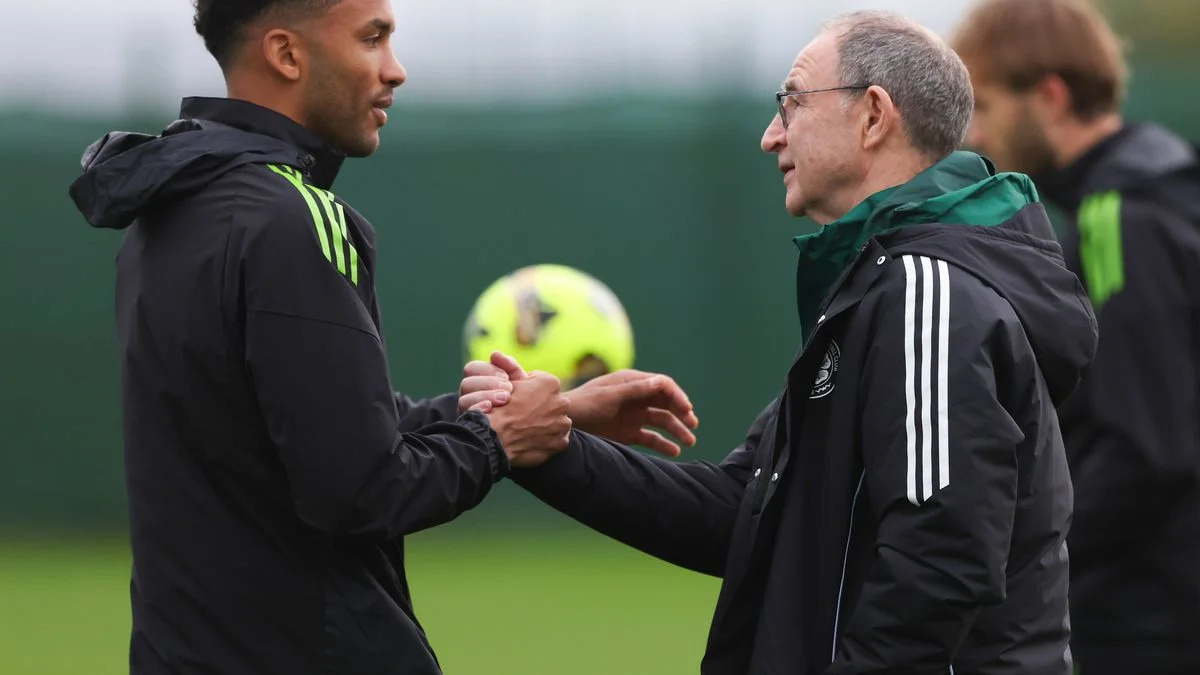
Celtic boss Martin O'Neill slammed former player Frank McAvennie's podcast comments regarding Auston Trusty as being in really poor taste, confirming the American defender will receive all the time off he needs.
The United States men's national team defender was recently granted compassionate leave following the death of his father.
While the Celtic squad and supporters rallied around the center-back, controversial remarks made on an online broadcast ignited a major storm across Scottish football.
Former Celtic striker Frank McAvennie openly questioned the validity and duration of Trusty's time away from the team.
Those comments triggered severe backlash from supporters who viewed the criticism as completely unnecessary and insensitive.
O'Neill used his media platform to confront the issue head-on and deliver an uncompromising defense of his grieving player.
CONTROVERSY ERUPTS ON PODCAST
The dispute began during an episode of the Let's Be Frank podcast, co-hosted by McAvennie and presenter Simon Houston.
During the broadcast, McAvennie took aim at Trusty's leave of absence following the tragic family bereavement.
The former forward questioned how much time off a professional footballer should realistically receive after such a loss.

Houston quickly challenged that line of thinking during the recording.
The host reminded McAvennie that grief is a deeply individualized experience and that everyone processes tragedy in their own way.
McAvennie rejected that defense and dismissed the idea of individualized mourning as woke.
The remarks spread rapidly across social media, where Celtic fans voiced immense frustration and outrage.
Supporters and commentators united to condemn what they considered an out-of-line attack on a player dealing with profound personal heartache.
O'NEILL CONDEMNS POOR TASTE
Facing reporters at his scheduled press conference, O'Neill did not hesitate to address the situation directly.
The experienced manager expressed deep disappointment with McAvennie's public assessment of Trusty's leave.
"That's really poor taste. That's really poor. I know I've said some things and ended up backtracking. But that's a family bereavement."
O'Neill made it clear that no external pundit has the right to place a timer on personal grief.

"And that's making someone's mind up about how long they should be grieving and stuff like this here. That's not on."
The Celtic manager then provided clarity regarding how the leave was requested and handled internally.
"Trusty asked me for some time off. Even if it's a celebration or whatever, it doesn't matter."
O'Neill explained that the Trusty family had already endured a lengthy, emotionally draining ordeal leading up to the bereavement.
"The father's been in poor health for quite some considerable time. I know there was a stage where he thought that he wasn't going to see it through."
A SHARED UNDERSTANDING OF LOSS
To underline his perspective, O'Neill shared his own painful experiences with devastating family loss.
The manager drew directly from personal history to explain why compassion must take precedence over football fixtures.
"But I'm with Trusty the whole way there. Because I wouldn't want anybody to tell me that I had to grieve over a brother or sister dying. And I've had that."
O'Neill noted the emotional toll the loss has taken on the young defender.

"He's taken it badly. He has taken it badly. Honestly. I've afforded him all the time he wants."
He directly challenged the argument that footballers from older generations were treated with less empathy.
"At some stage, obviously, he'll be going to come back. But at the end of the day, I've given that time because I know that we might be talking about different eras or whatever the case may be. That's nothing to do with it."
For O'Neill, basic human decency transcends football culture and generational divides.
"This is a family thing. And that's not right."
He concluded his defense with a clear, unconditional statement of loyalty toward his defender.
"So, Trusty has got the time and he's got the backing of myself and he's got the backing of the club."
THE TIMELINE OF TRUSTY'S LEAVE
Trusty's compassionate leave has been handled through carefully planned stages designed around the needs of his family.
The defender was initially granted leave immediately following his father's passing so he could be with family members.

After that initial period, the center-back briefly returned to Glasgow to resume training with the squad.
However, the formal celebration of life service was scheduled to take place back in the United States shortly after.
Recognizing the importance of that milestone for the grieving family, O'Neill granted Trusty another weekend off to travel home.
The club subsequently confirmed that Trusty has been granted indefinite compassionate leave to work through his loss.
Traveling across the Atlantic presents distinct logistical challenges for international players dealing with domestic emergencies.
Celtic ensured that travel arrangements and scheduling did not interfere with the player's primary duty to his family.
BACKTRACKING AND APOLOGY STATEMENTS
The immense backlash from supporters and the wider football community left McAvennie facing heavy scrutiny.
As criticism mounted, the former Celtic striker attempted to clarify his position through a public response.
His initial statement acknowledged that his comments could be interpreted as offensive by listeners.
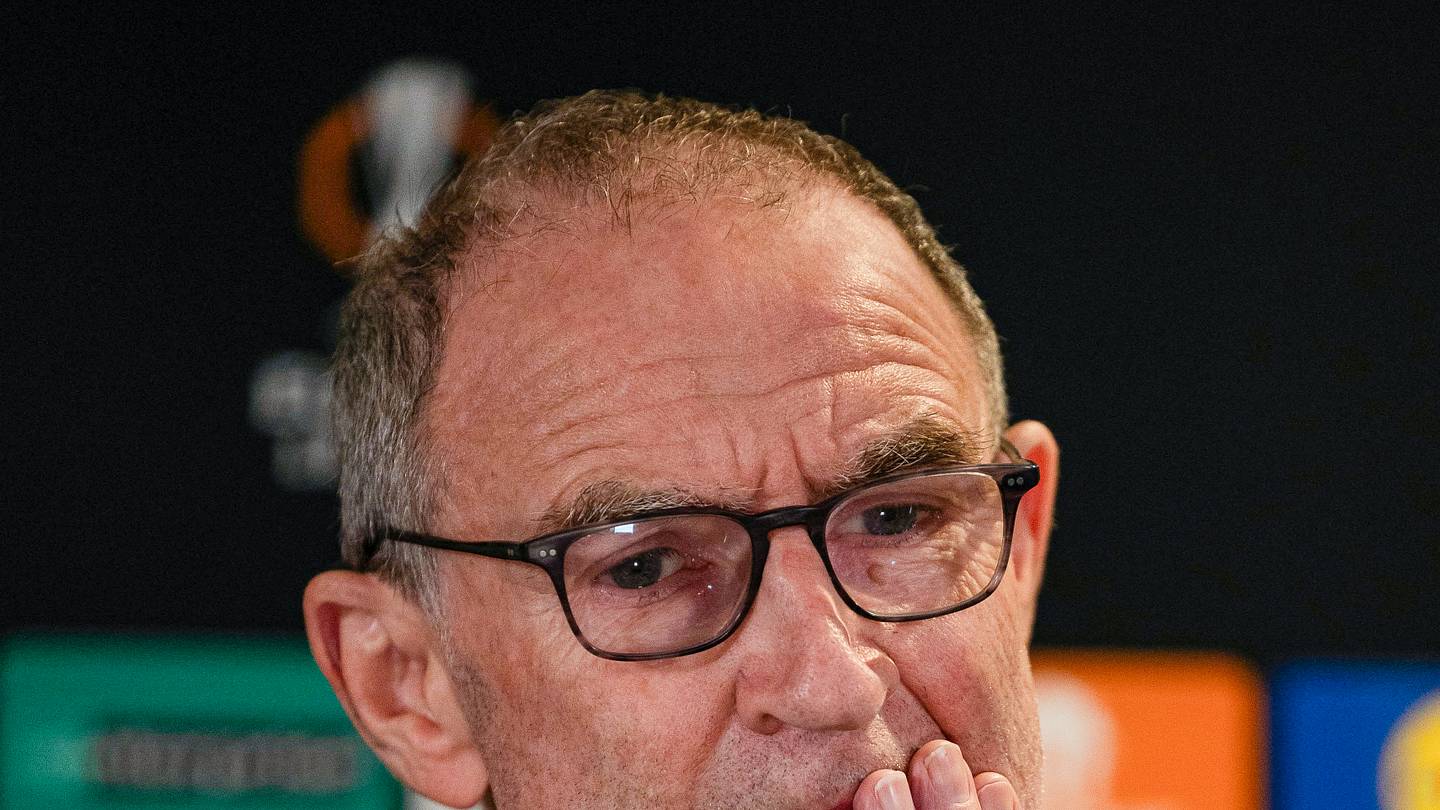
However, supporters viewed that initial message as an insincere non-apology that failed to acknowledge the hurt caused.
The controversy refused to die down, prompting McAvennie to issue a follow-up statement the next day.
In his second public message, the pundit conceded that his original response was inadequate and offered an unreserved apology to Trusty.
McAvennie fully backtracked on his remarks after recognizing the severity of the anger directed toward him.
THE POWER OF EMPATHETIC LEADERSHIP
O'Neill's staunch defense of Trusty has been hailed by observers as a masterclass in modern man-management.
Throughout his managerial career, O'Neill has built a reputation on forging deep, trusting bonds with his players.
Elite sports environments are increasingly recognizing that on-field performance is deeply tied to emotional and mental well-being.
By shielding Trusty from external criticism, O'Neill reinforced a supportive culture inside the Celtic dressing room.
The club has made it clear that competitive schedules must take a back seat whenever personal tragedy strikes.
Trusty is expected to return to the squad only when he feels fully prepared mentally and emotionally.
Until that moment arrives, the American defender retains the complete, unwavering support of his manager, his teammates, and his club.
How vital is Martin O'Neill's empathetic approach to man-management when players face severe personal losses?
Advertisement
You may also like

NBA champion Steve Kerr trolls Donald Trump with a savage jab
Golden State Warriors head coach Steve Kerr took a sharp, humorous jab at President Donald Trump during his Wednesday media availability, referencing a campaign…

John Cena’s subtle salute to Gunther after his return
John Cena made a surprise appearance on the Oct. 30, 2026 edition of WWE NXT. As he walked to the ring, he stopped in…

Braden Smith Makes NBA Debut With the Pacers
Purdue basketball alum Braden Smith makes NBA debut with the Pacers. Braden Smith, the former Purdue Boilermakers guard, stepped onto an NBA floor for…

Red Wings vs. Golden Knights Live Score and Game Updates
NHL.LIVE: Detroit Red Wings vs Vegas Golden Knights LIVE STREA.MS NHL Game On TV Coverage 6 Nov 2026. Puck drop is set for 7…

Business leaders face a tough choice with workplace monitoring.
Big Brother 2026 has officially crowned a winner. Rochelle took the title on the live final, hosted by AJ Odudu and Will Best on…

WWE Plans Huge 30th Anniversary Celebration for The Rock
WWE is planning to celebrate 30 years of The Rock this month. Plans include a commemorative championship belt. Special merchandise releases are also in…