Missouri Braced Weeks for CJ Gunn Ruling, Accepting SEC Deadline With No Appeal
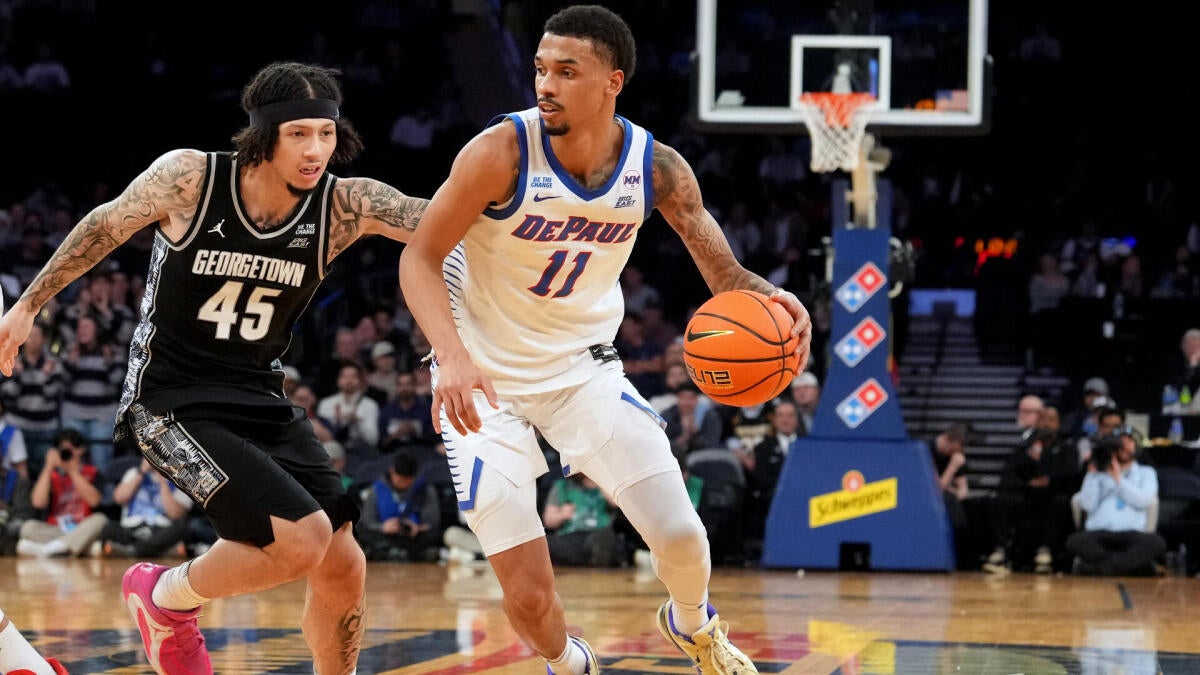
Missouri's basketball staff had been preparing for CJ Gunn to be ruled ineligible for weeks, ensuring the SEC's final ruling ahead of the formal roster deadline came as no shock to the team.
The Southeastern Conference officially delivered its decision less than two days before the Tigers were scheduled to open their season.
Missouri head coach Dennis Gates confirmed the ruling to CBS Sports on Monday as the program prepared for its opening matchup against Cleveland State.
The formal resolution concluded weeks of dispute regarding Gunn's amateur status and his ability to compete in the conference.
Rather than launching a protracted fight with conference leadership, Missouri chose to accept the ruling as its roster deadline arrived.
"No appeal is on the table."
That finality closed the door on Gunn's collegiate season before the Tigers even tipped off their opening game.
THE SUMMER GAMES IN CANADA
The issue behind Gunn's eligibility stemmed from his participation in a summer basketball league outside the United States.
During the off-season, Gunn traveled north to compete in the Canadian Elite Basketball League in May.
He appeared in three total games in the CEBL before returning to the United States to join the Tigers.
For those three appearances, Gunn received $524.
While the compensation was relatively modest, the financial receipt triggered immediate compliance concerns under league bylaws.
Gunn took steps to rectify the situation after realizing the issue.
According to Gates, Gunn received less than $600 for his participation and subsequently paid the money back.
Repaying the sum, however, was not enough to satisfy conference regulations.
Under the strict letter of the SEC rule, taking that money created an insurmountable eligibility barrier.
THE NEW POST-ENROLLMENT RULE
The SEC implemented a new policy over the summer regarding student-athlete professional activity.
The rule specifically prevents any basketball or football players from returning to the SEC if they sign a professional contract after enrolling in college.
Because Gunn signed a contract and accepted money from the Canadian league, the conference deemed him in violation of this statute.
Gunn is an experienced collegiate player who arrived in Columbia with four years of collegiate experience.
He spent his previous two collegiate seasons playing at DePaul before transferring to Missouri.
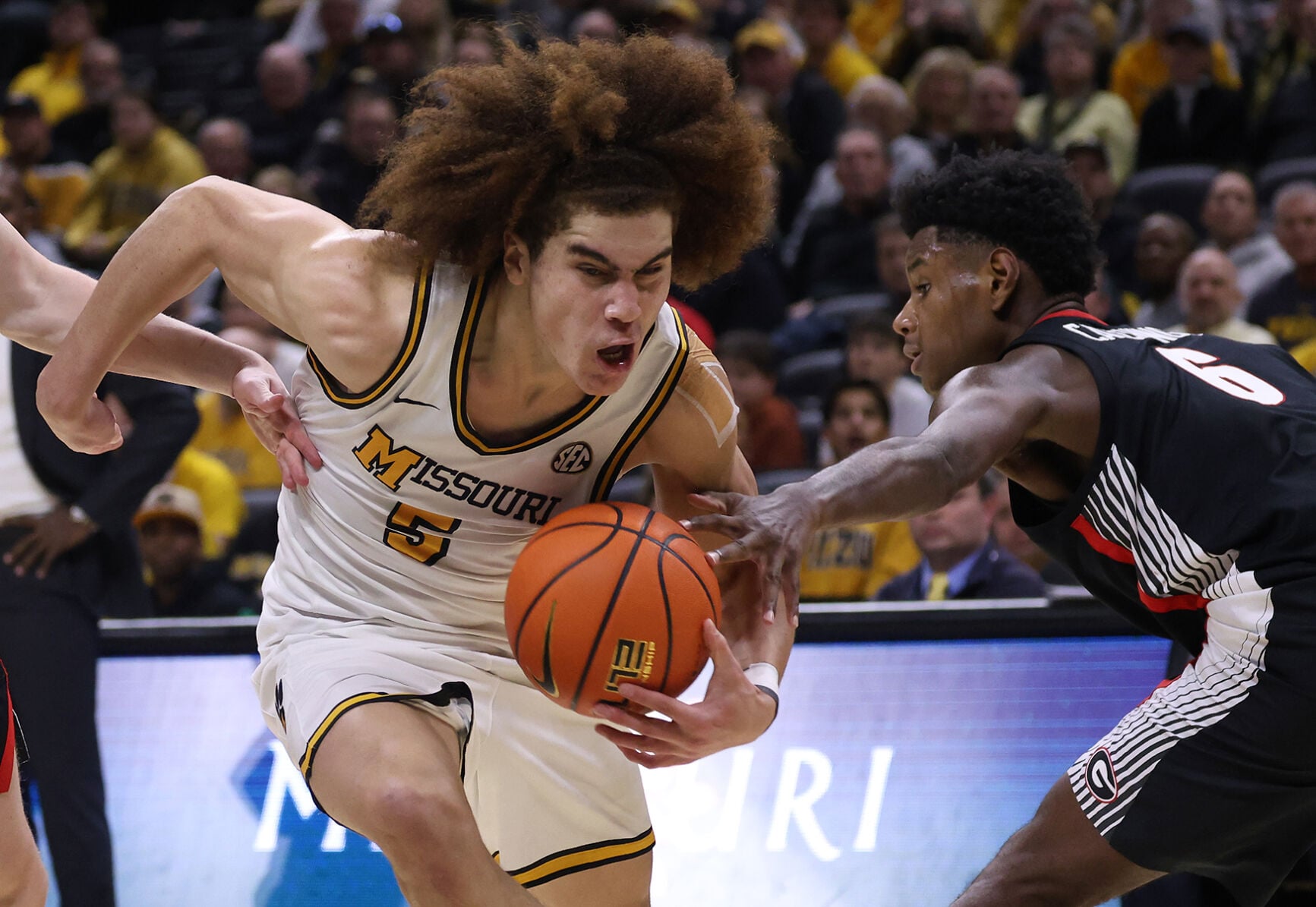
His signing of the CEBL contract took place long after his original college enrollment had started.
That specific timeline sealed his fate under the SEC's updated guidelines.
NO APPEAL AND A ROSTER DEADLINE
The dispute had been lingering behind the scenes for weeks as the regular season rapidly approached.
Missouri faced a strict deadline to formally present and submit its official roster to the SEC by Monday evening.
With that roster cutoff looming, a decision had to be reached immediately.
School officials knew the conference was holding firm on its interpretation of the professional contract policy.
"Mizzou had been preparing for this decision for some time, so it isn’t a complete shock to the staff."
Rather than challenging the league office in court or trying to prolong the process, the Tigers accepted the ruling without appeal.
The timing of the final ruling carried harsh professional consequences for Gunn himself.
The NBA G League conducted its annual draft back in October.
Because the SEC's ruling was finalized in November, Gunn missed the chance to enter his name into the G League draft pool.
He was left stranded between professional eligibility windows and collegiate competition.
THE PRECEDENT AND LSU
The SEC had strong institutional incentives to maintain a rigid stance on Gunn's eligibility.
The league was determined to apply its new post-enrollment regulation consistently across every member institution.
The situation mirrored an earlier high-profile eligibility fight involving LSU.
LSU guard RJ Luis faced a similar obstacle under the league's post-enrollment rules.
Luis had left college after the 2025 campaign and sought to play one final collegiate season for Will Wade's program.
Although Gunn's circumstances differed in scope, both matters came down to signing contracts after initial college enrollment.
If the SEC had granted Gunn an exception for his three appearances in Canada, LSU could have demanded equal leniency.
A waiver for Missouri would have opened the door for LSU to pursue legal action against the conference.
By enforcing the rule against Gunn, the SEC sent an unmistakable message about the absolute authority of its new summer policy.
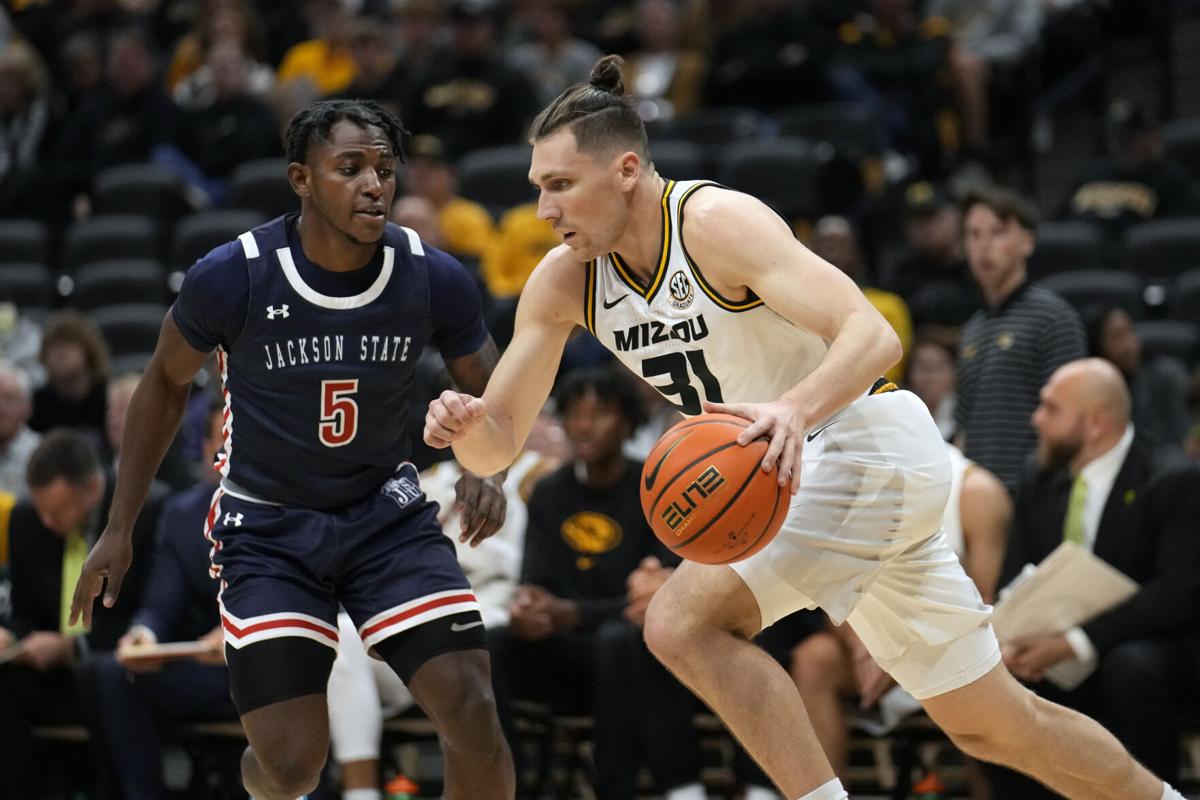
CAREY SUSPENSION CREATES FRONTCOURT WORRIES
The loss of Gunn was not the only roster hit Dennis Gates had to announce on Monday.
Projected starting center Jaylen Carey has been suspended indefinitely for a violation of team rules.
Carey transferred into the program from Tennessee during the offseason to anchor Missouri's interior.
During his time with the Volunteers last season, Carey averaged 7.8 points and 6.0 rebounds per game.
He was expected to provide vital interior defense and physical rebounding for the Tigers.
Gates told CBS Sports that the violation would not jeopardize Carey's overall standing with the program.
The coaching staff does not anticipate the suspension will keep Carey off the floor for very long.
His status remains completely unresolved for the immediate schedule ahead, however.
Carey is officially sidelined for Tuesday's season opener against Cleveland State.
It remains uncertain whether the frontcourt starter will return in time for Friday's high-stakes matchup.
HIGH HOPES DESPITE EARLY SETBACKS
The sudden loss of two rotation pieces comes at a critical moment for Gates and the Tigers.
Missouri entered the season surrounded by significant optimism in Columbia.
The program compiled an elite incoming recruiting class and brought in key talent through the transfer portal.
Those offseason moves produced Top 25 aspirations for the Tigers heading into the winter.
Gunn was not projected to be a member of the starting five, but he was expected to provide veteran backcourt depth.
Losing a dependable four-year player deprives the Tigers of an experienced guard off the bench.
Carey's absence delivers a far more immediate challenge to Missouri's frontcourt rotation.
The Tigers open their campaign Tuesday night against Cleveland State, which serves as Gates' former head coaching home.
Following that opener, the schedule quickly ramps up with a fierce in-state rivalry game on Friday against Saint Louis.
Navigating that critical early stretch without Carey and permanently without Gunn will test the depth Gates spent months assembling.
Missouri accepted the league's mandate rather than dragging the eligibility dispute into opening week.
Did Missouri make the right choice by accepting the SEC's ruling without pursuing an appeal, or should they have fought it?
Advertisement
You may also like
Anna Leigh Waters Answers Booming Philippine Grassroots Demand With Smart Araneta Coliseum Showcase
Pickleball is seeing a rapid grassroots surge across the Philippines, where local communities and junior athletes are embracing the sport's accessible format ahead of…
Harry And Meghan Face Mounting Pressure As Key Netflix Adaptations Stall Amid Hollywood Shakeup
Archewell Productions' planned screen adaptations of 'Meet Me at the Lake' and 'The Wedding Date' have shown no clear progress since March, sparking industry…
King Charles Caught In The Middle As Queen Camilla And Prince William Standoff Escalates
King Charles has found himself stuck in the middle of explosive tensions between Queen Camilla and Prince William as his wife grows increasingly anxious…

Former Good Good VP Jeff Lefkovits Sues Company for $1M Over Controversial Callaway Ad
Former Good Good vice president of brand and marketing Jeff Lefkovits has filed a defamation lawsuit in Texas seeking more than $1 million after…
Dillon Brooks Sparks Outrage After Post-Whistle Contact With Damian Lillard's Vulnerable Achilles
Dillon Brooks sparked widespread backlash after taking a post-whistle shot and extending his leg into the exact left Achilles that kept Damian Lillard sidelined…
Mercury Forward Alyssa Thomas Suspended After Dropping Fist Onto Caitlin Clark's Neck
Mercury forward Alyssa Thomas received a suspension after a play in which she dropped her fist onto Caitlin Clark's neck. The dangerous exchange occurred…