MLB Braces For December 1 Lockout As 2027 Regular Season Games Face Serious Threat
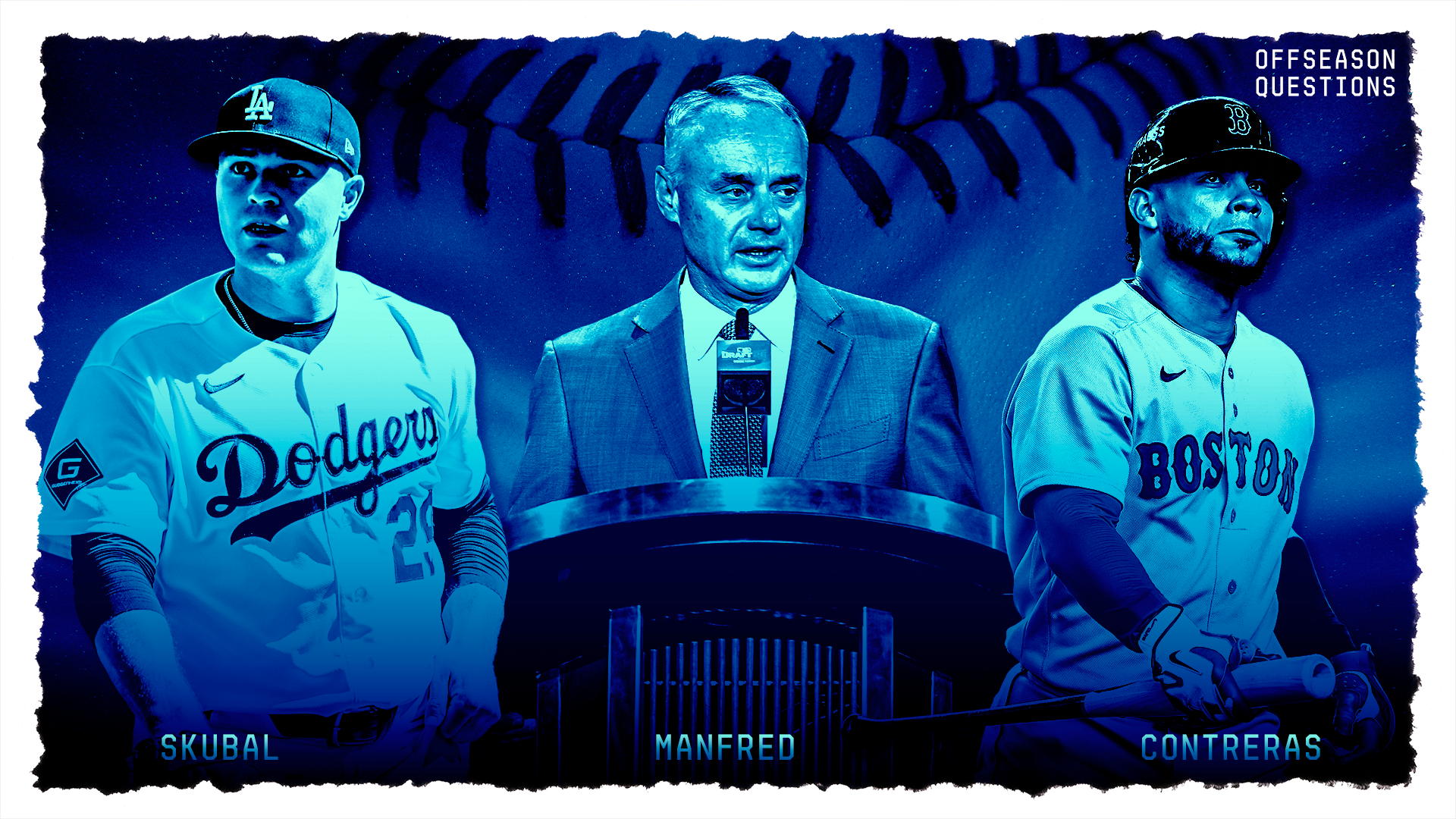
The current Collective Bargaining Agreement expires at 11:59 p.m. ET on December 1, making an owner-imposed lockout all but certain to halt the offseason.
Baseball celebrated the Milwaukee Brewers capturing the World Series crown, but the celebration quickly gave way to immediate labor anxiety.
The final out of the championship series officially launched the 2026-27 offseason into an atmosphere dominated by deep financial division.
Now, the sport stands on the precipice of a full operational shutdown that could alter the 2027 calendar.
Both the team owners and the Major League Baseball Players Association remain firmly entrenched in their respective negotiating positions.
A lockout is designed by team owners to preempt a midseason strike by the players.
Once a work stoppage begins, all major league business instantly grinds to a complete standstill.
Free-agent signings, major league trade negotiations, and team access to club training facilities immediately freeze.
The central question hanging over the entire baseball landscape is simple: "How long will the lockout last?"
THE MIDNIGHT DEADLINE
Nothing appears capable of preventing the league from declaring a formal lockout the second the clock strikes midnight.
League owners and Commissioner Rob Manfred are pursuing major structural changes to baseball's economic framework.
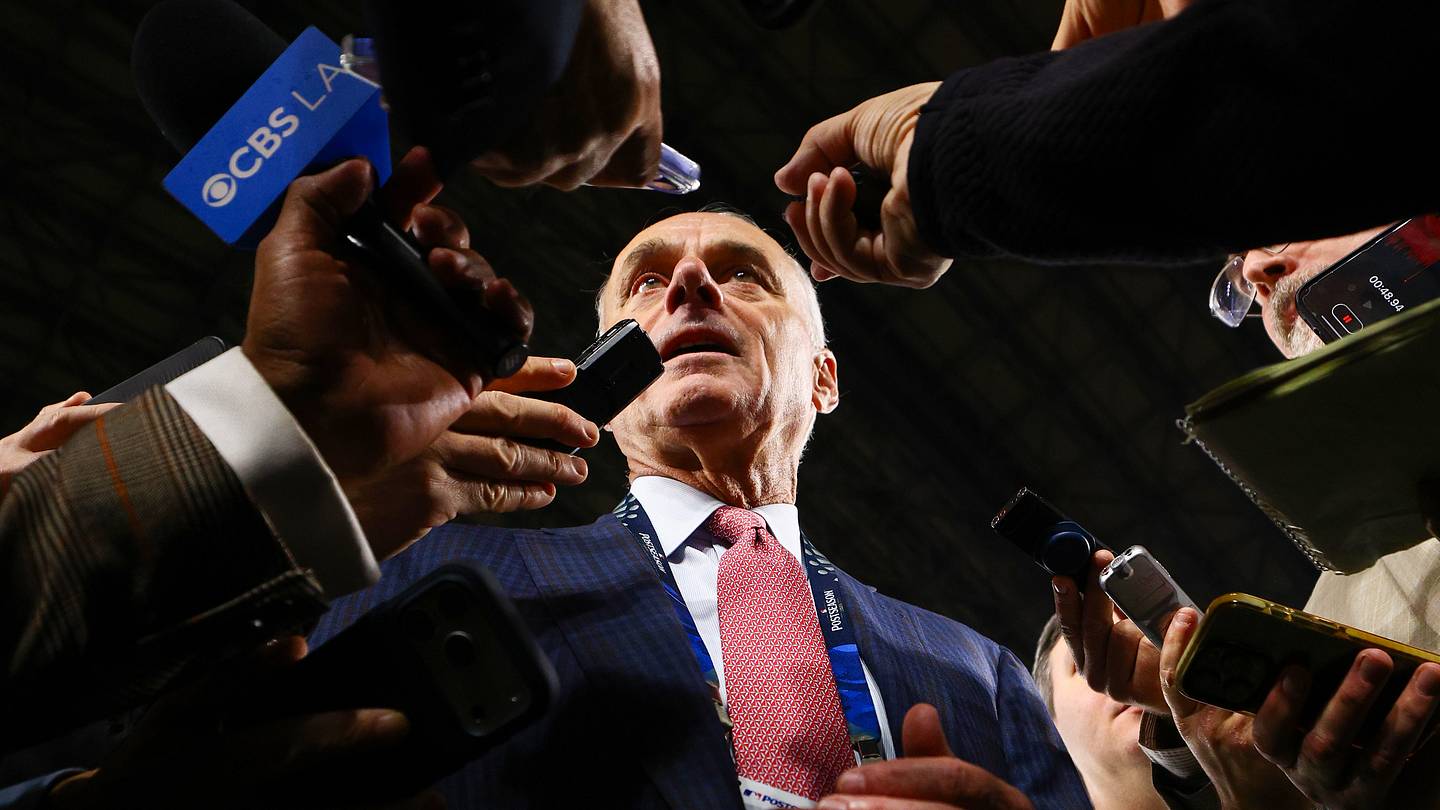
At the very core of the league's demands is an ambition to install a formal salary cap and floor system.
Owners are reportedly unanimous in their desire to see a hard spending cap introduced to the sport.
The players, organized under the MLBPA, have spent decades fighting against any form of a payroll ceiling.
Union leadership and players have historically viewed a salary cap as an unacceptable limitation on player earning power.
A few early proposals have already passed between the two sides during recent discussions.
Those initial offers have produced virtually no common ground, serving only to illustrate the wide divide.
Reports indicate that figures close to the talks, including former Philadelphia Phillies catcher Garrett Stubbs, have delivered brutal assessments of the current negotiating climate.
THE 2028 PROPOSAL
In an attempt to soften resistance, MLB recently presented an offer designed to kick the can down the road.
The league proposed delaying the actual implementation of a cap and floor system until the 2028 season.
Under that proposal, a new payroll threshold would eventually be established at $258.2 million.
MLB framed the delayed timeline as a grace period to help high-spending franchises adjust their rosters.
Clubs currently carrying massive payrolls would receive time to shed contracts and become compliant with the target threshold.
However, union representatives have shown zero interest in entertaining a cap under any timeline.
Whether a salary cap takes effect immediately or in ten years, players remain entirely united against the core concept.
THE IMPACT ON BIG SPENDERS
Even with the union rejecting the concept, the league's proposals have introduced immense complications for big-spending franchises.
Teams like the Los Angeles Dodgers find themselves forced to plan for worst-case financial scenarios.
According to reporting from Jack Harris of the California Post, the labor impasse has left elite spenders in a difficult dilemma this winter.
Front offices must try to improve their rosters while simultaneously preparing for the risk of sudden payroll limits.
The Dodgers had already begun adjusting to rumors of a transition period between cap approval and enforcement.
That caution influenced recent roster moves, including the shorter-term deal awarded to outfielder Kyle Tucker in January.
Yet, the looming threat severely limits what high-payroll organizations can safely accomplish on the open market.
Los Angeles is widely expected to pursue elite free agents like ace Tarik Skubal, who will command an enormous average annual value.

Signing Skubal would inevitably drive an already historically expensive roster into unprecedented territory.
The Dodgers are currently projected to carry an astronomical payroll of roughly $450 million for the 2027 season.
If the league's proposed $258.2 million ceiling ever became reality by 2028, Los Angeles would need to eliminate nearly half its financial commitments.
Such a mandate would force the club to abandon future blockbuster acquisitions in favor of painful salary dump trades.
Even though players insist a cap will never exist in baseball, clubs cannot ignore the potential implications.
THE LESSONS OF THE 99-DAY LOCKOUT
The sport has weathered this kind of winter freeze in the relatively recent past.
During the 2021-22 offseason, team owners implemented a lockout that stretched on for 99 agonizing days.
That shutdown brought winter business to a dead halt from early December until deep into the spring of 2022.
When a resolution was finally reached, spring training had to be condensed by approximately two and a half weeks.
Major League Baseball managed to preserve the full 162-game schedule that year, but only through intense regular-season calendar compression.
Doubleheaders were added, off days were stripped away, and the margin for error was completely erased.
The 2021-22 dispute showed how narrow the window is between a delayed agreement and lost regular-season games.
WHY MID-MARCH IS THE CRUCIAL CLIFF
Looking ahead to 2027, the calendar presents an unforgiving timeline for both negotiating tables.
Pitchers and catchers normally report to camp in mid-February to begin stretching out their arms.
Position players arrive shortly thereafter to see live pitching and prepare their bodies for six months of everyday competition.
Medical experts and coaching staffs require a minimum ramp-up window of three to four weeks before competitive games can begin.
If a new Collective Bargaining Agreement is not signed by mid-March 2027, the regular season faces immediate peril.
Spring training cannot be safely reduced below a bare operational minimum without risking catastrophic pitcher injuries.
Once the calendar moves beyond the middle of March, preserving a full 162-game campaign becomes practically impossible.
At that point, opening day must be delayed, and scheduled regular-season games begin disappearing from the ledger.
A total cancellation of the 2027 season remains a remote, worst-case scenario, but schedule abbreviation is a very realistic danger.
THE FINANCIAL ARGUMENTS
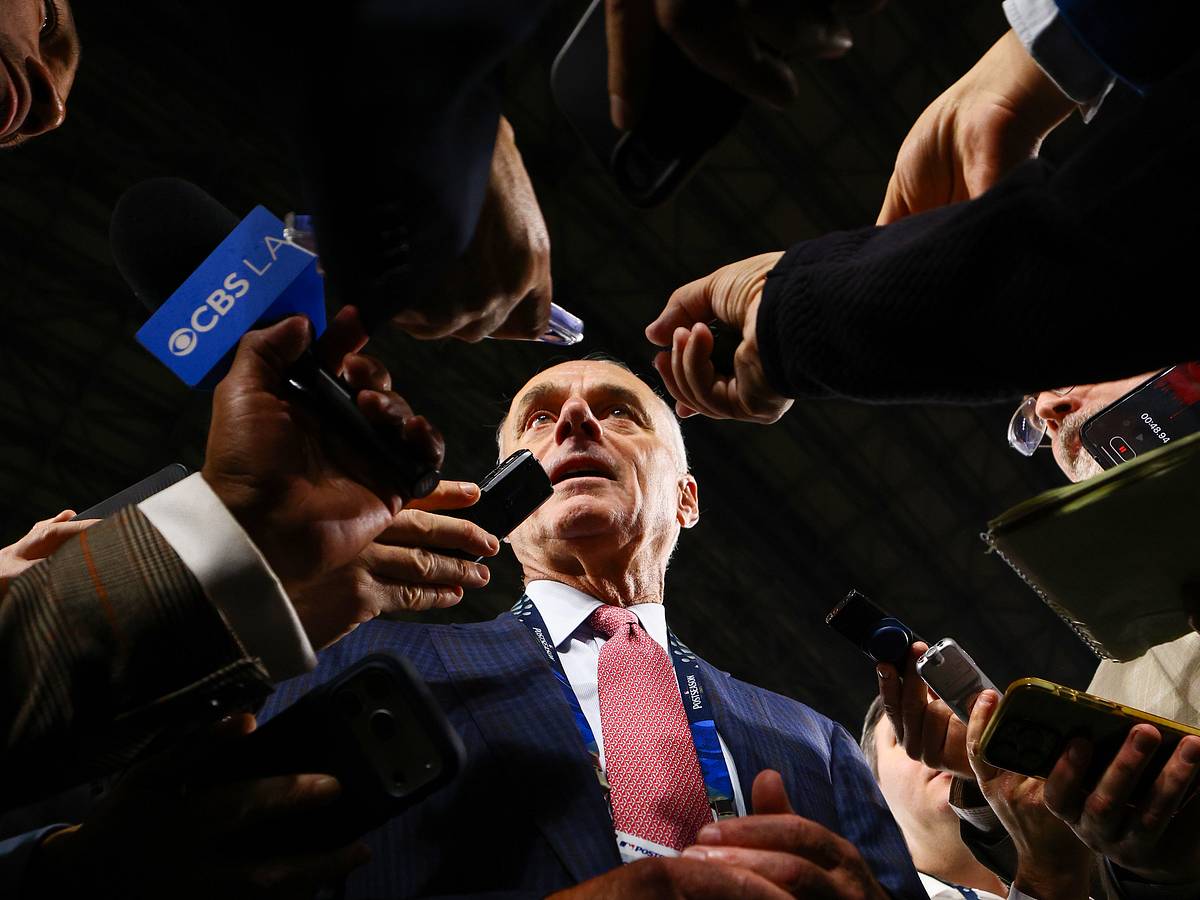
Both sides possess economic ammunition that they intend to use to sway public sentiment during the stoppage.
Recent financial disclosures have highlighted the contrasting economic narratives governing the modern game.
On the Sporticast podcast, hosts Scott Soshnick and Kurt Badenhausen analyzed the third-quarter financial figures of the Atlanta Braves.
The publicly available filing showed that the Braves lost $12.5 million on direct baseball operations over the first nine months of the year.
League owners point directly to numbers like those to argue that runaway player payrolls require strict regulatory caps.
Conversely, the same report revealed that the Braves' real estate and mixed-use development, The Battery, generated a profit of $55.8 million.
The union points to auxiliary developments to demonstrate that team owners generate massive profits connected to their franchises outside of direct ticket sales.
These clashing interpretations illustrate why finding common ground will be exceptionally difficult.
WHAT HAPPENS NEXT
The December 1 deadline represents the final moment of normal offseason activity for months to come.
When 11:59 p.m. ET arrives, baseball's doors will firmly slam shut.
Free agency will instantly freeze, leaving dozens of premier players stranded without active contracts.
Front offices will be legally barred from communicating with their own players on the 40-man roster.
Both sides will retreat to their battle lines as the calendar turns into the cold winter months.
The real test of will not arrive until February, when the lack of paychecks and gate receipts begins to apply genuine pressure.
Until then, the threat to the 2027 regular season will only continue to amplify with every passing week of silence.
Do you think the owners and the union will reach a deal before mid-March, or will the 2027 regular season lose games?
Advertisement
You may also like

NBA champion Steve Kerr trolls Donald Trump with a savage jab
Golden State Warriors head coach Steve Kerr took a sharp, humorous jab at President Donald Trump during his Wednesday media availability, referencing a campaign…

John Cena’s subtle salute to Gunther after his return
John Cena made a surprise appearance on the Oct. 30, 2026 edition of WWE NXT. As he walked to the ring, he stopped in…

Braden Smith Makes NBA Debut With the Pacers
Purdue basketball alum Braden Smith makes NBA debut with the Pacers. Braden Smith, the former Purdue Boilermakers guard, stepped onto an NBA floor for…

Red Wings vs. Golden Knights Live Score and Game Updates
NHL.LIVE: Detroit Red Wings vs Vegas Golden Knights LIVE STREA.MS NHL Game On TV Coverage 6 Nov 2026. Puck drop is set for 7…

Business leaders face a tough choice with workplace monitoring.
Big Brother 2026 has officially crowned a winner. Rochelle took the title on the live final, hosted by AJ Odudu and Will Best on…

WWE Plans Huge 30th Anniversary Celebration for The Rock
WWE is planning to celebrate 30 years of The Rock this month. Plans include a commemorative championship belt. Special merchandise releases are also in…