Norris says F1 speed cap is ruining the sport
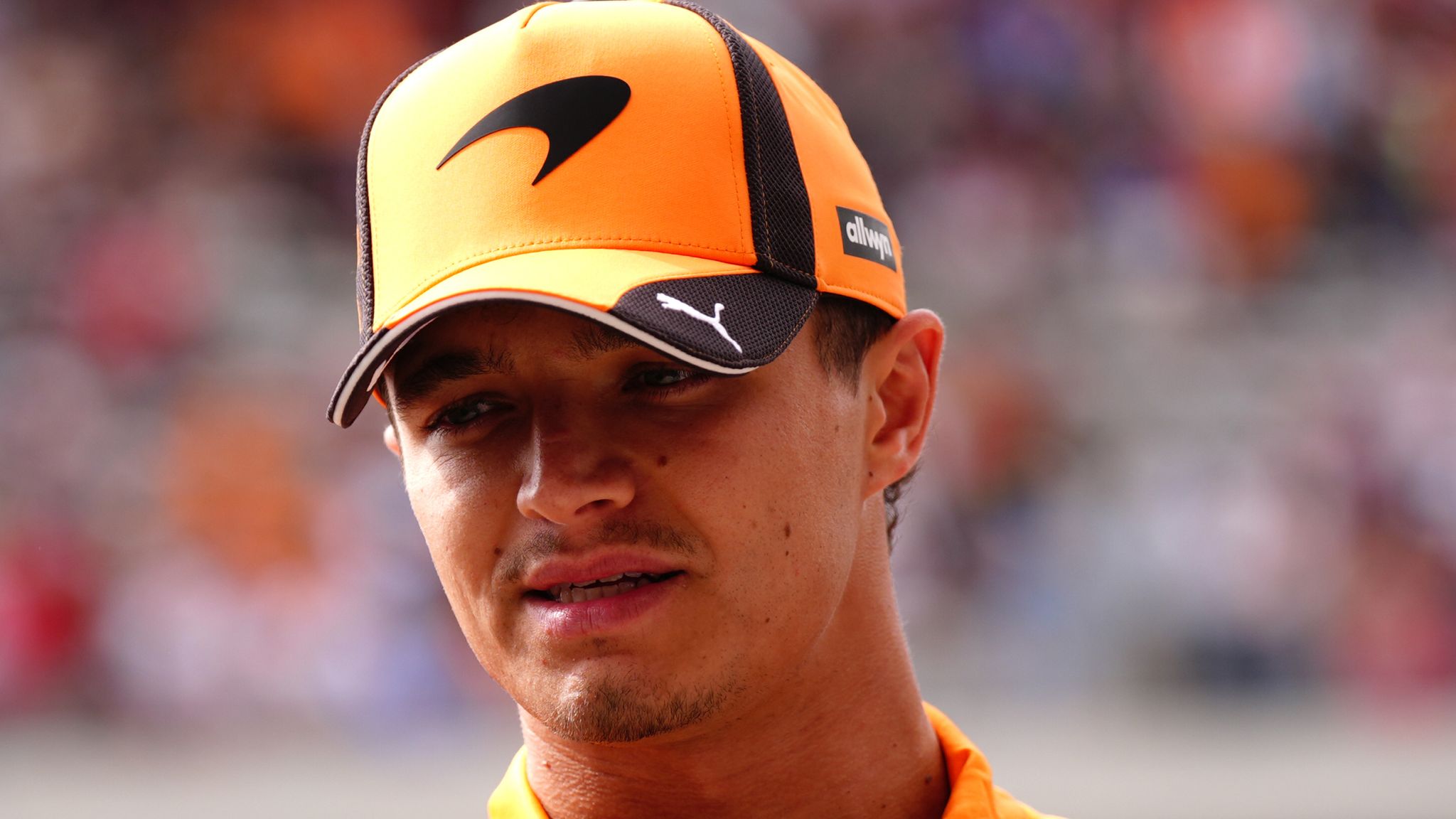
Lando Norris says Formula 1's 2026 battery-deployment speed limit is 'ruining racing' by making overtaking nearly impossible when cars are closely matched.
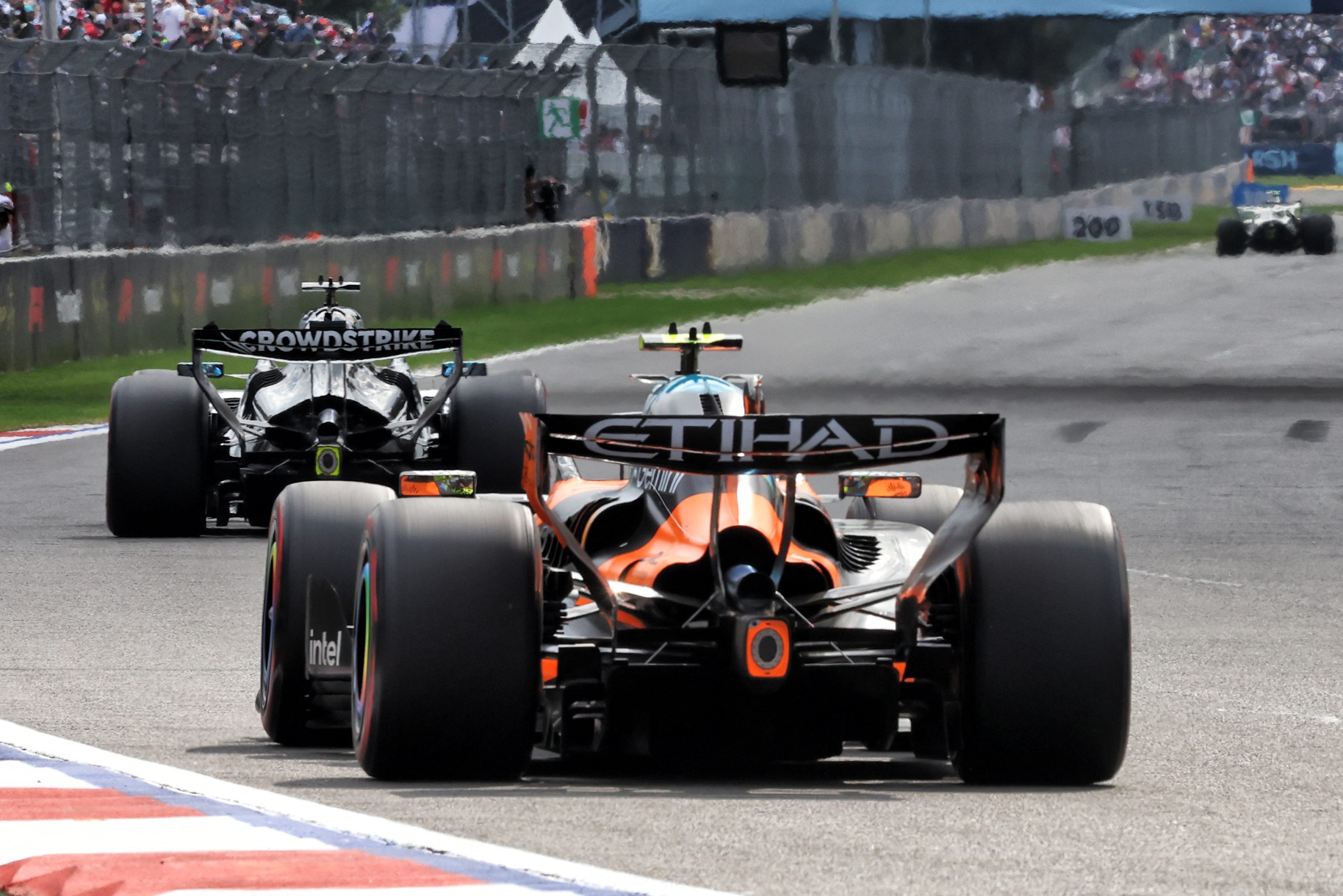
The McLaren driver took aim at the regulations after the Mexico City Grand Prix, where he found himself stuck behind Ferrari's Charles Leclerc with no way to pass.
Norris argued that an artificial ceiling on straight-line speed is undermining one of racing's most fundamental weapons: the slipstream.
"I mean the main thing with overtaking is you just have the limiter on," Norris explained.
"Like you literally have a limiter that stops you from going over a speed, so it doesn't matter if you come out two tenths behind the guy, you just hit the limiter and the same limiter as them, and then you cannot do anything, so it kind of ruins racing."
The 2026 technical regulations introduced a radically different relationship between electrical energy and outright performance.
Active aerodynamics and Straight Mode, which reduces aerodynamic drag on designated sections of the circuit, are central to the new generation of cars.
Yet Norris believes the potential of those systems is being compromised by the restrictions governing how much electrical power drivers can deploy.
Maximum electrical deployment is capped at 350 kW.
In standard mode, deployment tapers above about 290 km/h and stops at 345 km/h.
Overtake mode raises the limit to 355 km/h.
The long front straight at the Autódromo Hermanos Rodríguez, stretching approximately 1.2 kilometers, should offer an ideal opportunity to exploit a tow and make a decisive move.
Instead, the McLaren driver argues, the deployment ceiling can leave the attacking car with no meaningful speed advantage, regardless of how well its driver has positioned it.
Norris also invoked an unlikely comparison to illustrate just how restrictive the rules have become.
He said a Formula 1 car should easily go quicker than a motorbike on a straight.
The implication is clear: if a motorcycle can outpace an F1 car on a straight, something is fundamentally wrong with the power delivery.
Lewis Hamilton has also criticized the rule, according to multiple reports.
Norris emphasized that the problem is not about power-unit hardware — it is purely about the software limit.

The debate goes beyond outright speed.
When software limits neutralize a slipstream, they take away one of racing's simplest and most reliable passing tools.
A driver can emerge from a corner close behind a rival, pick up the tow and prepare to launch an attack, only to find that both cars are being held to essentially the same maximum speed by the energy deployment limit.
As Norris sees it, that makes a mockery of the effort involved in getting close enough to mount a challenge.
Norris acknowledged that a major pace advantage can still make a pass possible.
But when cars are closely matched, the speed cap effectively neutralizes any advantage a pursuing driver might gain.
The 2026 regulations were designed to deliver closer racing and more overtaking.
Norris believes one of the rules designed to govern performance is doing precisely the opposite.
The speed-linked deployment limits are set to be removed from the 2027 regulations.

Until then, drivers will race under the current restrictions.
Planned changes for 2027 include increased fuel flow, turbo boost and energy harvesting, intended to ease energy shortages.
Norris also faced a difficult weekend in Mexico beyond the regulatory frustrations.
He said McLaren's poor Saturday — not just the regulations — contributed to his result.
The reigning F1 world champion has been struggling with the handling of his car all season.
McLaren have not been in contention for victory in recent races, which Norris puts down to the team being outdeveloped by Mercedes, Red Bull and Ferrari.
"The car has been horrible, difficult to drive the whole season," Norris said.
"Just other teams have brought a lot more upgrades since and improved a lot more than what we have — nothing more than that."
McLaren introduced upgrades in Baku in September and have not been at the sharp end of the grid since that event.
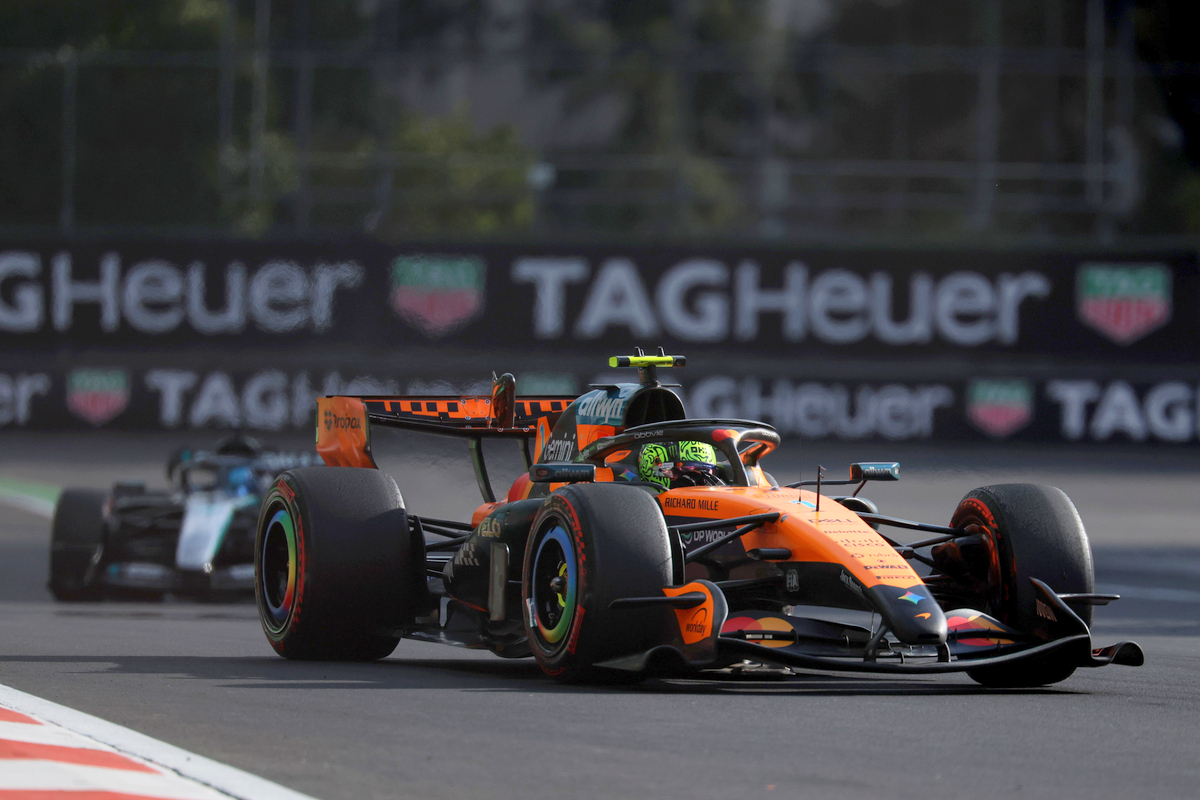
With the aim of getting back to the front, McLaren brought a new front wing, rear wing and floor components for the Sao Paulo Grand Prix.
Norris is unsure if those upgrades will improve the handling.
"They [the upgrades] are just to add performance," he said last weekend in Mexico.
"I don't think it will make it any easier [to drive].
"Maybe there's a chance it makes it harder.
"For this you always leave it to the experts.
"I give my feedback, I say what I want, what's difficult.
"The engineers and aerodynamicists are the clever ones who turn my comments into lap time.
"They are doing a good job and continuing to work hard."
Norris won back-to-back races either side of the summer break in Budapest and Zandvoort.
He should have won the Spanish Grand Prix in Madrid, if not for an unfortunate Virtual Safety Car.
The fact that McLaren won almost three races this year, Norris said, was a pretty sizeable achievement in itself, considering the team was 1.5 to one second off the pace at the beginning of the year.
Norris is currently sixth in the F1 Drivers' Championship.
McLaren is holding onto third in the Constructors' Championship.
The debate over the speed cap is likely to continue as the 2026 season progresses.
Drivers want the freedom to race without artificial limits.
F1 wants closer racing and more overtaking.
The question is whether the current regulations achieve that goal or, as Norris argues, undermine it.
The limits are set to disappear in 2027, but until then, drivers will have to work within the rules as they stand.
Advertisement
You may also like
Elon Musk Fires Back After Democrats Sweep the Midterms
A political cartoon published by Automotive News captures the moment in a single image: Elon Musk, the world's richest man, standing alone as a…

Mahesh Bhupathi and Sania Mirza just took over Indian tennis.
Mahesh Bhupathi and Sania Mirza are set to become the two Sportspersons of Outstanding Merit (SOM) in the 15-member All India Tennis Association Executive…
WWE Raw Star Crashes SmackDown To Spark WarGames Chaos
A RAW Superstar invaded SmackDown this week. The attack happened during a WWE Women’s Tag Team Championship match. Michin and B-Fab were defending the…

Billy Loughnane Lands Godolphin Dream Job Alongside Buick
Horses can't talk. That's what trainer Yoshito Yahagi said after Forever Young's deflating defeat in the Breeders' Cup Classic — that the horse couldn't…
Yankees’ Silver Slugger snub proves their 2026 collapse runs deeper than Judge
The New York Yankees were not named a team Silver Slugger finalist for 2026. A year ago, they won the award outright. This is…

Jason Kelce Shuts Down Jeff Stoutland Rumor in Fiery Rant
Ex-Eagles star Jason Kelce went off on a rumor that players wanted offensive line coach Jeff Stoutland out of Philadelphia. Kelce called the report…