Peter Malnati breaks silence on LIV Golf's collapse
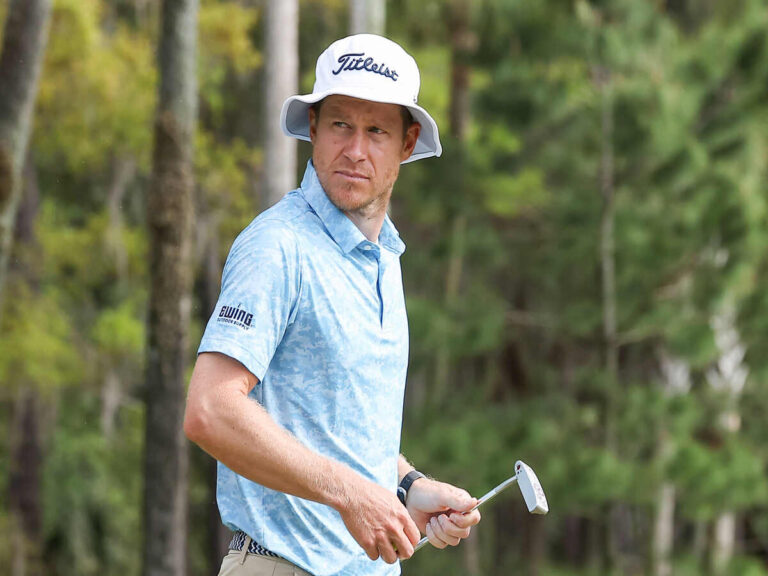
Peter Malnati reacts to LIV Golf's dissolution.
Peter Malnati, a player director on the PGA Tour Policy Board, has shared his reaction to the announcement that LIV Golf will cease operations.
The Saudi-backed breakaway league confirmed it will liquidate and commence an orderly wind-down following a failed restructuring effort.
The decision came after a New Jersey bankruptcy court proceeding where the league abandoned plans for a "LIV 2.0" season.
Malnati did not hold back in his assessment of the league's financial sustainability.
"I'm not an economics major, I'm not even business savvy … but it didn't take too much to see that that wasn't a viable economic model," Malnati said.
His comments were reported by the Ministry of Sport on November 6, 2026.
Malnati also addressed the league's stated goals versus its actual impact on the sport.

"If their goal was truly to be additive to the golf space, they went about it in a strange way," he said.
"If their goal was to be disruptive, they did a heck of a job."
LIV Golf launched in 2022 with massive financial backing from Saudi Arabia's Public Investment Fund (PIF).
The PIF injected over $5 billion into the league over four years before withdrawing financial support after the 2026 season.
The league's collapse was accelerated by a breakdown in private equity restructuring.
Private equity firm BC Partners withdrew a proposed $300 million financing package intended to fund the 2027 season.
The deal fell apart after key players could not agree on mutually acceptable terms.
"BC Partners Credit supported a transaction that aligned the interests of players and investors, offering a credible path toward building a sustainable future for LIV Golf," a BC Partners spokesperson said.
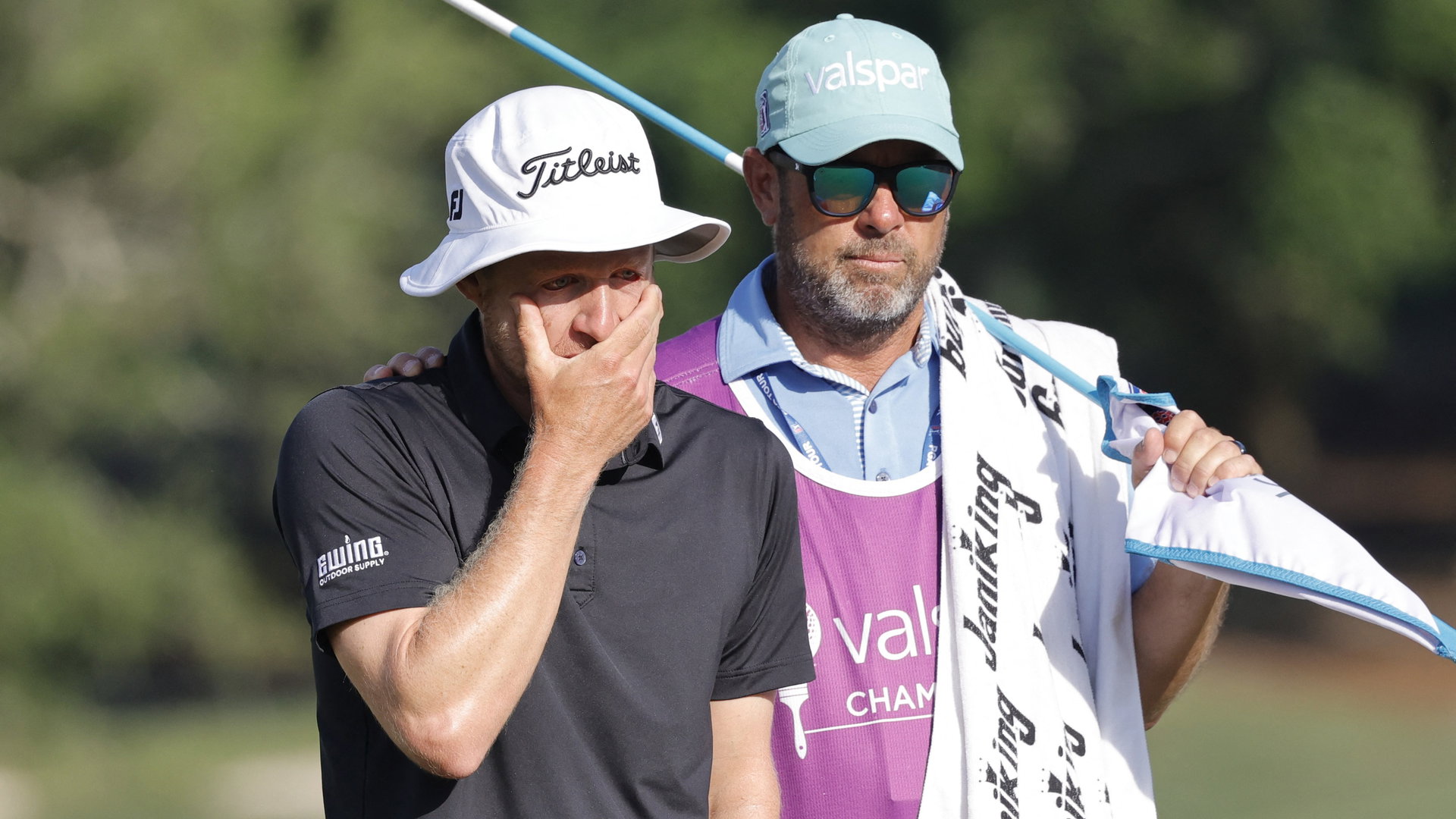
"While there was great support for the league, we are disappointed that mutually acceptable terms could not be reached among the various stakeholders."
Gene Davis and Jon Zinman of the LIV Golf board special committee confirmed the operational decision in an official release.
"In light of the current circumstances, we believe shifting toward an orderly wind-down is the most responsible path forward for the League at this time," they said.
LIV Golf CEO Scott O'Neil reflected on the league's overall impact on the professional golf landscape since its 2022 launch.
"Building a global platform designed to bring new, younger, and more diverse fans to the sport of golf has been the round of a lifetime for all of us," O'Neil said.
"LIV Golf was fun, demanding, inspiring, at times challenging — but always rewarding."
The league had attracted top talent including Bryson DeChambeau, Jon Rahm, Brooks Koepka, and Dustin Johnson with enormous signing bonuses and guaranteed contracts.
These contracts are now subject to the bankruptcy liquidation process.

Players who left the PGA Tour for LIV Golf face an uncertain path back to the tour they abandoned.
The PGA Tour has not yet announced a formal re-entry process for former LIV players.
Rory McIlroy, who was an early and vocal critic of LIV Golf, has recently softened his stance on welcoming players back.
DP World Tour players have indicated they will not hold LIV defections against those seeking to return, according to broadcaster Paul McGinley.
Malnati's position on the PGA Tour Policy Board gives him significant influence over any potential reunification framework.
The liquidation marks the end of a turbulent four-year period that fundamentally altered the landscape of professional golf.
The league's launch sparked antitrust litigation, bitter public feuds between players, and a complete restructuring of the PGA Tour's schedule and prize money.
The PGA Tour responded to LIV's emergence by increasing purses, creating elevated events, and forming a commercial partnership with the DP World Tour.
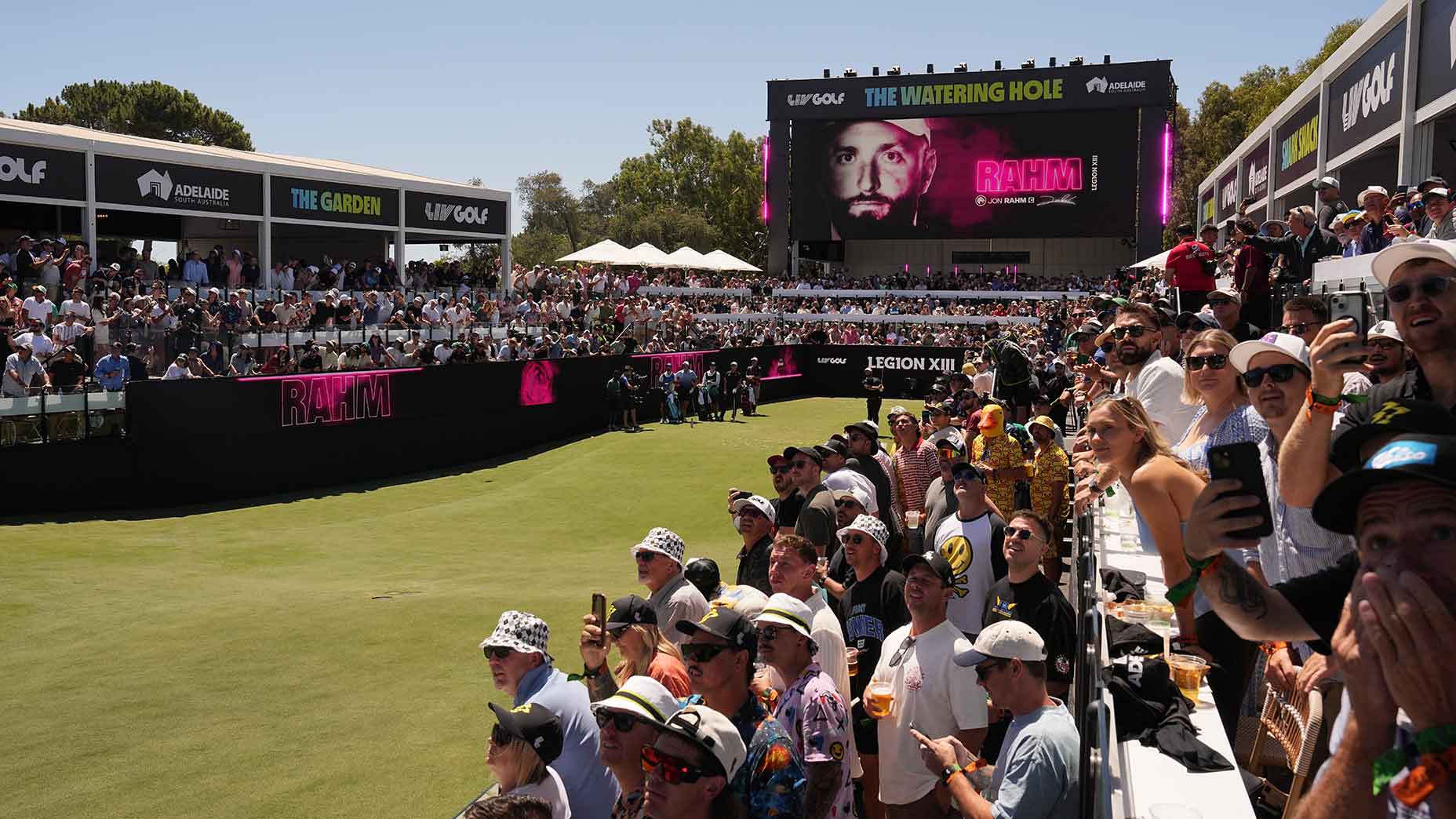
Malnati's reaction is particularly significant because he represents the rank-and-file PGA Tour members who stayed loyal to the tour.
These players watched as top stars left for guaranteed millions while the tour struggled to retain its talent base.
The question now facing professional golf is what happens to the players, the invested capital, and the competitive structure in the wake of LIV's collapse.
Malnati's comments suggest that for many who remained on the PGA Tour, the outcome was not surprising.
The league's business model, which relied on continuous outside investment rather than organic revenue generation, proved unsustainable.
LIV Golf events drew modest television ratings and struggled to secure major sponsorship deals.
The league's team format and 54-hole tournaments failed to gain significant traction with traditional golf fans.
Malnati's blunt assessment reflects a broader sentiment among PGA Tour loyalists who saw the league as a financially reckless venture from the start.
The next steps for professional golf will likely involve negotiations over player transfers, potential antitrust settlements, and the future of the PGA Tour's relationship with the PIF.
The PIF has indicated interest in investing in the PGA Tour's commercial arm, though no deal has been finalized.
For now, Malnati's words stand as a concise epitaph for the most expensive experiment in golf history.
"I'm not an economics major, I'm not even business savvy … but it didn't take too much to see that that wasn't a viable economic model."
Advertisement
You may also like

NBA champion Steve Kerr trolls Donald Trump with a savage jab
Golden State Warriors head coach Steve Kerr took a sharp, humorous jab at President Donald Trump during his Wednesday media availability, referencing a campaign…

John Cena’s subtle salute to Gunther after his return
John Cena made a surprise appearance on the Oct. 30, 2026 edition of WWE NXT. As he walked to the ring, he stopped in…

Braden Smith Makes NBA Debut With the Pacers
Purdue basketball alum Braden Smith makes NBA debut with the Pacers. Braden Smith, the former Purdue Boilermakers guard, stepped onto an NBA floor for…

Red Wings vs. Golden Knights Live Score and Game Updates
NHL.LIVE: Detroit Red Wings vs Vegas Golden Knights LIVE STREA.MS NHL Game On TV Coverage 6 Nov 2026. Puck drop is set for 7…

Business leaders face a tough choice with workplace monitoring.
Big Brother 2026 has officially crowned a winner. Rochelle took the title on the live final, hosted by AJ Odudu and Will Best on…

WWE Plans Huge 30th Anniversary Celebration for The Rock
WWE is planning to celebrate 30 years of The Rock this month. Plans include a commemorative championship belt. Special merchandise releases are also in…