Pierre Gasly calls for consistent FIA penalties after Mexico
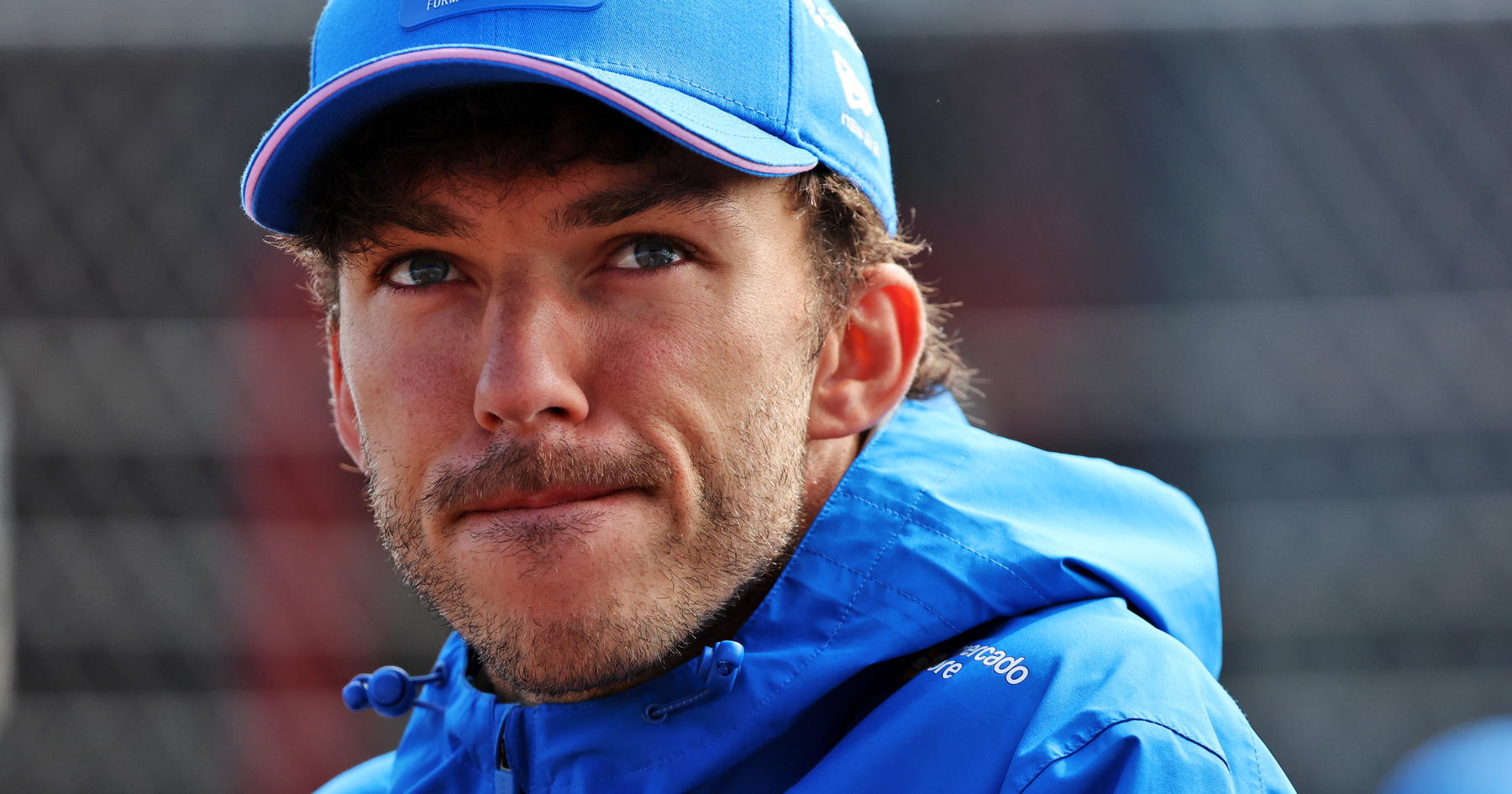
Pierre Gasly demands FIA penalty consistency after Mexico GP sanction.
Pierre Gasly believes his Mexico City Grand Prix penalty was a fair cop, but has called on the FIA stewards to use this as a baseline for consistent decisions in the future.
Gasly dropped out of the points with a post-race penalty for failing to slow sufficiently for double-waved yellow flags.
The Alpine driver finished 10th on the road, then was promoted to ninth after Oscar Piastri’s penalty for colliding with Arvid Lindblad.
That collision triggered the yellow flags that caught Gasly and his teammate Franco Colapinto.
Gasly was handed a stop-go penalty, converted to a 30-second time sanction, and two penalty points on his superlicence.
He fell from ninth to 17th in the final results.
Colapinto received a 10-second penalty and one penalty point, dropping from seventh to 15th.
Alpine’s entire points haul from the race was wiped out.
Gasly takes full responsibility for the mistake.
“Ultimately, I didn’t slow down enough, so you know, I take full responsibility for the penalty,” Gasly said.
“I think the circumstances of it wasn’t very easy because the crash happened right in front of us.”
Lindblad’s car had crashed into the barriers after an incident involving Oscar Piastri.
Gasly explained what he saw from the cockpit.
“I think the double yellow was right as I was at the apex of T1, and I didn’t really go back on throttle, which made me slow down, and obviously, to me, took some actions.”
“Unfortunately, it wasn’t enough for the stewards to be comfortable with it.”
Gasly also noted a malfunctioning light board at Turn 3.
“Furthermore, a light board at Turn 3 was flashing green, yellow, green, then yellow; it wasn’t working properly,” he said.
Despite the severity of the penalty, Gasly does not contest it.
“I’ve always pushed myself to be strict on these yellow flags because it’s safety-related, so that’s why I’m not gonna even argue the penalty because in that situation it was really safe,” Gasly said.
“Lindblad’s car was completely to the right. I could see where it was.”
“But nonetheless, if you have a yellow flag in Monaco, in Vegas, these types of tracks, we should always slow down, and that’s why, to me, I was wrong, and there is no arguing about it.”
Now he wants the FIA to apply the same standard everywhere.
“But the question of consistency, I think, to me, it’s quite clear what needs to be done and what I haven’t done,” Gasly said.

“Now we’ve got a good example of what’s not tolerated in a race condition, and I just expect the same for any other driver going forward.”
The incident happened late in the Mexico City Grand Prix.
Arvid Lindblad and Oscar Piastri made contact, sending Lindblad into the barriers.
Double-waved yellow flags were displayed before the safety car was deployed.
Gasly and Colapinto were the first two drivers on the scene.
Colapinto saw only single yellow flags and received a lighter penalty.
Gasly saw double yellows and received the harsher stop-go penalty.
The FIA’s penalty system for yellow-flag violations has been a topic of debate for years.
Under FIA rules, double-waved yellow flags mean drivers must slow down significantly and be prepared to stop.
Single-waved yellows require drivers to reduce speed and not overtake.
The distinction between the two can be difficult for drivers to judge at high speed.
Gasly acknowledged that the crash happened right in front of him, making the situation even more challenging.

“The circumstances of it weren’t very easy because the crash happened right in front of us,” Gasly said.
“I think the double yellow was right as I was at the apex of Turn 1.”
The timing of the flag display added to the confusion.
Gasly noted that the safety car came out only 200 meters after the incident.
“It’s a shame because it cost the team points, and Liam was able to make progress, which is a loss for the team,” Gasly said.
“It’s all the more frustrating because the safety car came out 200 meters later anyway.”
Gasly also had a promising start to the race that was derailed by a separate issue.
“I managed to overtake Lindblad at the start, then I shifted gears and suddenly lost half my power due to a software glitch,” Gasly said.
“This dropped me from 8th to 14th place, through no fault of my own or the team’s.”
“There are things that need to change. Several drivers have been unfairly penalized in terms of performance far too often this year.”
The penalty in Mexico was costly for Alpine in the constructors’ championship.
With both drivers out of the points, the team lost valuable ground.
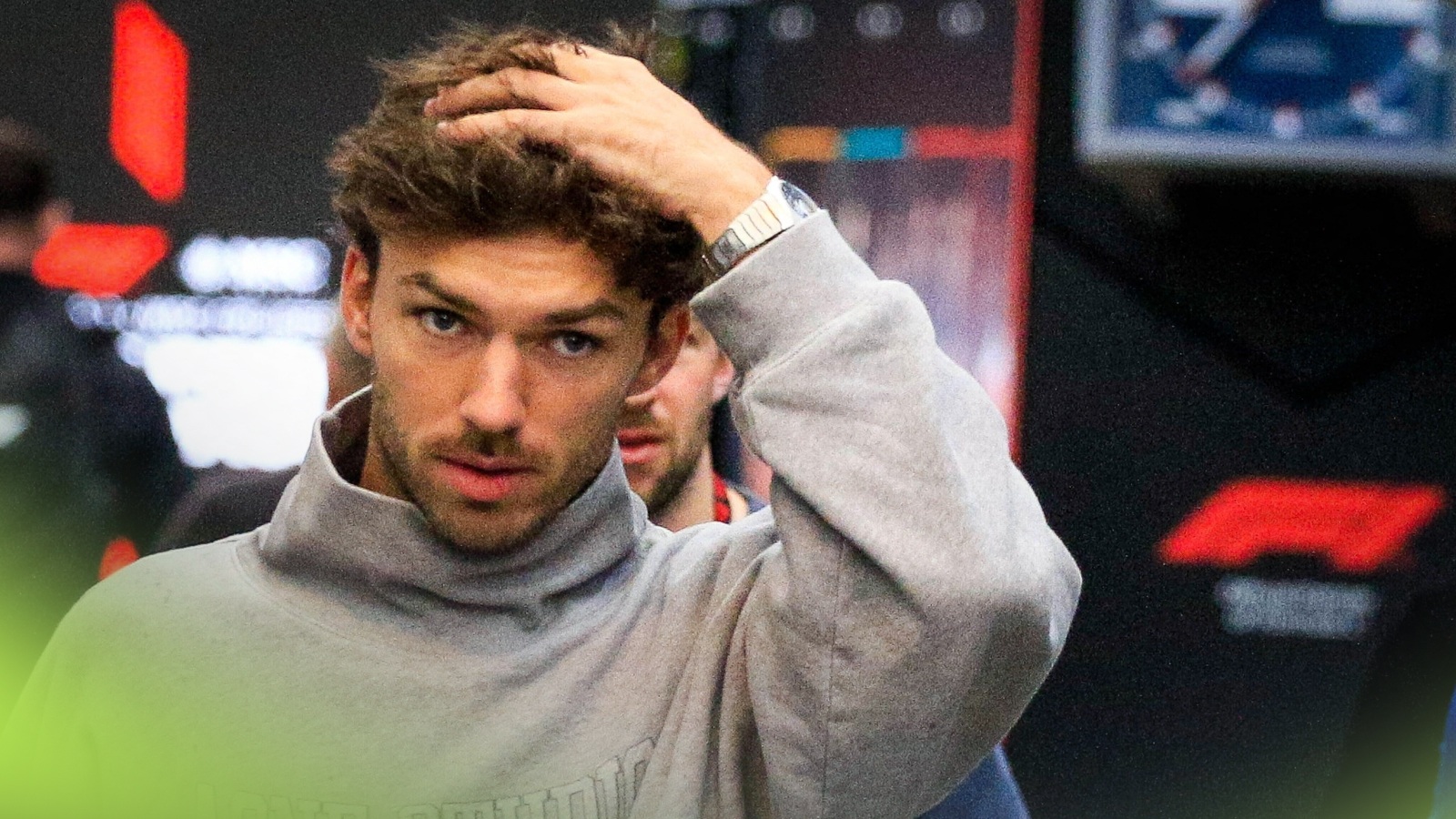
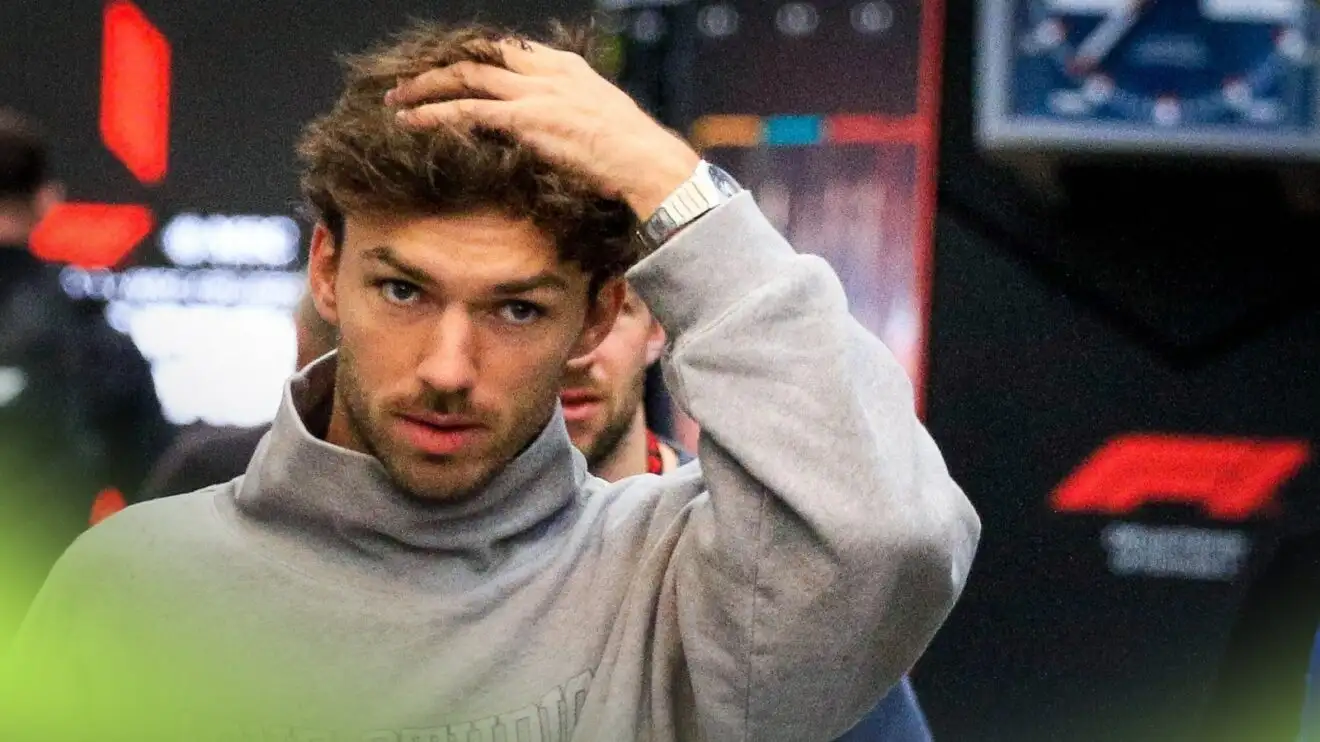
Gasly is now in Brazil for the Sao Paulo Grand Prix, a track where he has enjoyed success.
He has two podiums at Interlagos — his first in 2019 and another in 2024 in wet conditions.
Arriving in Brazil, Gasly was also woken up at 6 a.m. on Thursday for a random doping test.
F1 drivers are subject to the World Anti-Doping Agency (WADA) anti-doping rules.
The FIA complies with WADA’s codes, conducting random drug tests throughout the year.
Any missed test is treated as a failure, as happened with Manchester United footballer Rio Ferdinand in 2003, who was banned for eight months and fined £50,000.
Gasly did not miss his test.
“I got woken up at 06:00 for a doping test this morning, so I’m not in the best mood,” Gasly told media.
“It was a bad night, but I love this place.”
“It’s the only track where I’ve had two F1 podiums, my first in 2019 and then in 2024 in the rain.”
“And Sunday looks like it is going to rain, so I am very excited.”
The Sao Paulo Grand Prix is the third consecutive race of the 2026 season.
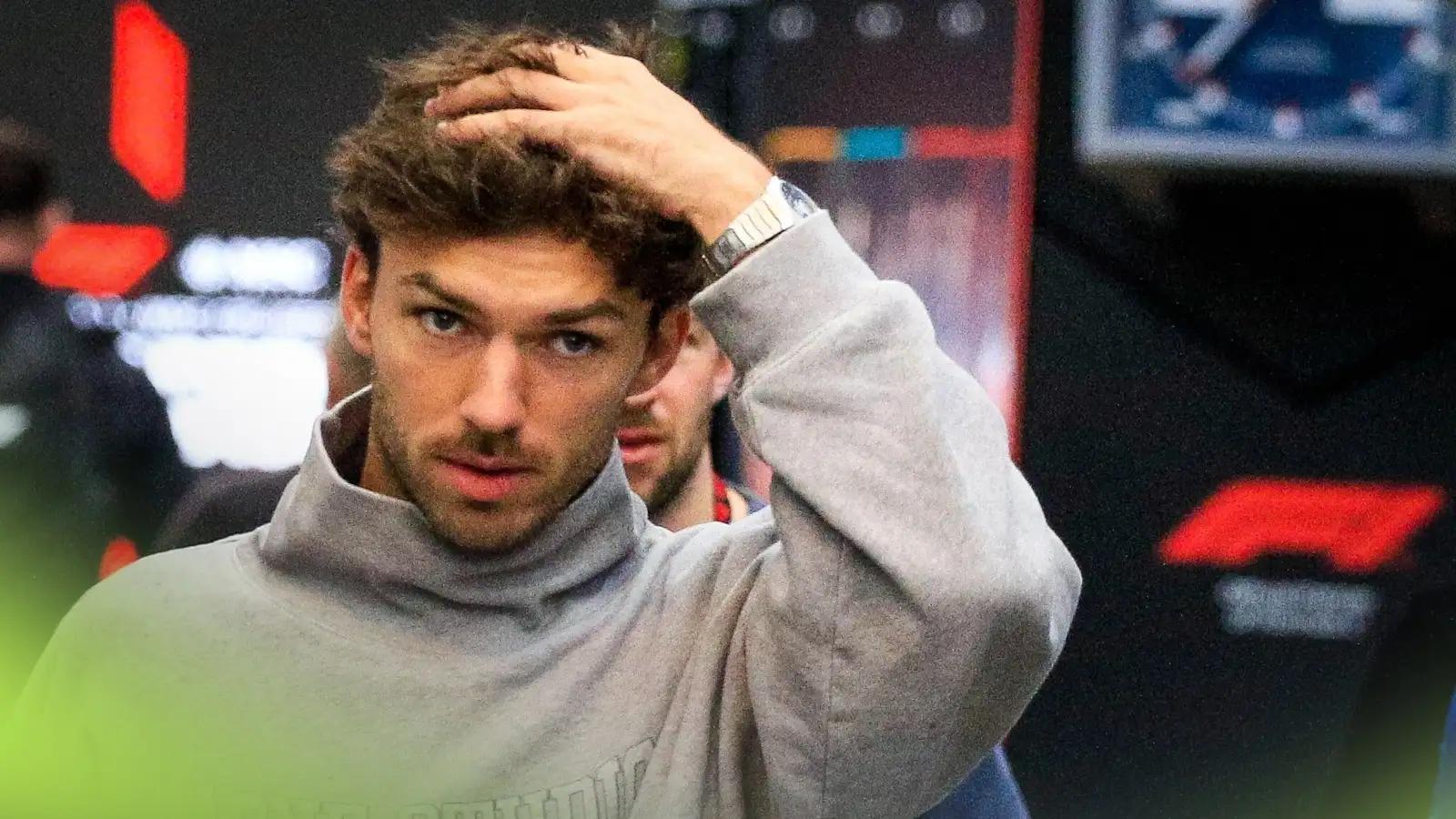
Gasly’s call for consistency comes at a time when FIA penalty decisions are under increased scrutiny.
Drivers and teams have long complained about inconsistent rulings from race stewards.
The FIA has made efforts to standardize penalties, but incidents like the one in Mexico highlight ongoing challenges.
Gasly’s demand is straightforward: use the Mexico penalty as the benchmark for all future yellow-flag violations.
“Now we’ve got a good example of what’s not tolerated in a race condition, and I just expect the same for any other driver going forward,” Gasly said.
Whether the FIA will heed that call remains to be seen.
For now, Gasly is focused on the weekend ahead in Brazil, where rain could play a factor.
He has proven he can perform in wet conditions, as his 2024 podium at Interlagos showed.
But the memory of Mexico — and the inconsistency he experienced — will not fade quickly.
Gasly has made his position clear: he accepts his penalty, but he expects every other driver to face the same standard.
The FIA now has a clear benchmark.
It remains to be seen whether they will apply it consistently.
Advertisement
You may also like
Sophie Cunningham calls out coaches who are too soft on players
Indiana Fever guard Sophie Cunningham used her podcast this week to call out a trend she sees spreading through every level of sports: coaches…
Diana Taurasi and Sandy Brondello lead 2027 Hall of Fame class
Diana Taurasi and Sandy Brondello headline the 2027 Women's Basketball Hall of Fame class. The announcement was made Thursday, November 5, 2026. The induction…

Tim McGraw Adds 5 New Vegas Shows in 2027
Tim McGraw Announces 2027 Las Vegas Shows. The country superstar has added five new performances at The Colosseum at Caesars Palace in May 2027.…
LIV Golf is shutting down after rescue deal falls apart
LIV Golf's future suddenly in jeopardy after major financial setback. An attorney representing the breakaway league told a U.S. Bankruptcy Court judge on Thursday,…

Prince Harry’s first UK trip after Thomas Markle’s abuse allegations
Prince Harry makes first UK appearance since Thomas Markle child abuse allegations. Prince Harry surfaced in the UK yesterday evening for the first time…
Cristiano Ronaldo Retires From Portugal National Team for Good
Cristiano Ronaldo, one of the greatest footballers in history, has announced his retirement from the Portugal national team. The 41-year-old forward made the announcement…