Prince William's Estate Official Apologizes After Bradninch Tenants Face Six-Month Deadlines To Buy Or Relocate
Bradninch estate tenants in Devon faced possession orders giving some families just six months to either purchase their properties or relocate.
The sudden ultimatum sparked intense outrage across the rural community.
Families who worked the land for generations suddenly feared losing their homes and livelihoods.
The pressure mounted after the Duchy of Cornwall decided to sell off the historic 3,000-acre agricultural estate.
Now, the Prince of Wales's royal estate official has stepped forward to apologize directly to the affected residents.
Duchy rural director Matthew Morris met face-to-face with aggrieved tenants following reports of growing community panic.
Morris was described by one attendee as being "all apologetic" during the tense meeting.
The senior royal representative acknowledged that he had underestimated the time required to complete such a massive land disposal.
Under growing pressure, the Duchy has now agreed to commission fresh independent property valuations.
These new valuations will be organized jointly with the tenants to rebuild trust in the process.
A SUDDEN CRISIS IN DEVON
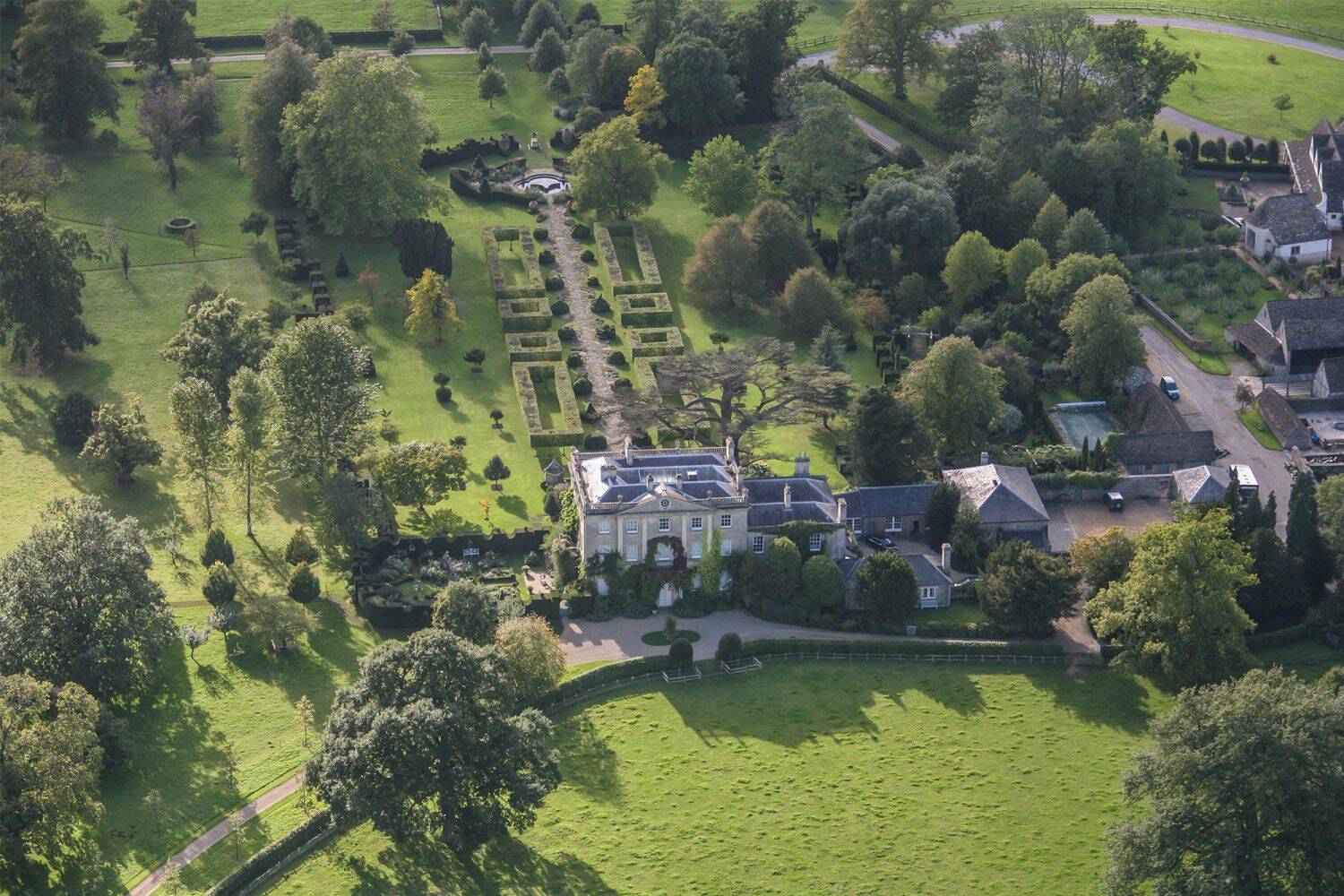
The Bradninch estate spans roughly 1,215 hectares of prime countryside in Devon.
The land has formed a core part of the Duchy of Cornwall portfolio since 1337.
Prince William inherited the centuries-old estate in September 2022 following the accession of King Charles III.
The Bradninch acreage alone represents approximately one-fifth of the total land portfolio the Prince of Wales took over.
The trouble began when the Duchy launched plans to sell off the property in March.
Tenants were initially offered the right of first refusal to purchase the properties they occupied.
However, tensions escalated dramatically when possession orders landed on doorsteps last month.
Those formal legal notices gave certain residents just six months to buy their properties or prepare to leave.
Furious leaseholders argued that the tight deadline placed an impossible burden on their families.
Many voiced deep frustration over the disruption caused to their daily lives and farming operations.
VALUATION DISPUTES AND FINANCIAL STRAIN
For many residents, the opportunity to buy their homes felt out of reach from the start.
Tenants claimed the initial property valuations set by the estate were far too steep.
Several farmers argued that the Duchy had fundamentally overvalued their agricultural land.
Crucially, residents said the official figures failed to account for substantial personal investments made into the farms over decades.
Tenants had poured their own money into maintaining buildings and upgrading working agricultural infrastructure.
Yet, those self-funded improvements appeared to drive asking prices even higher against the very people who built them.
Not all families on the land had the financial resources to secure substantial mortgages on short notice.
The looming threat of eviction created immense anxiety across the Devon farming community.
Former local GP Mary Ryan also voiced public criticism regarding the handling of the estate disposal.
Tenants questioned why long-term custodians of royal land were being pushed out so abruptly.
ROYAL INTERVENTION AND PALACE REACTION
The crisis quickly reached the highest levels of the royal household.
Prince William was reportedly "not happy" after media reports highlighted the intense distress facing local families.
The Prince of Wales reportedly held urgent talks with rural director Matthew Morris to address the controversy.
Following that discussion, Morris traveled to Devon to meet directly with the local residents.
The royal official listened to tenant grievances regarding the aggressive timeline and inflated property figures.
Morris agreed that a second round of independent valuations must take place immediately.
Crucially, these assessments will be jointly instructed by both the Duchy and the tenants themselves.
Morris also pledged to review how tenant investments in farm improvements should be properly factored into the final prices.
While the apology was welcomed by attendees, community members remain cautious about what happens next.
One tenant welcomed the conciliatory approach from the estate official but noted that "the proof will be in the pudding."
A STRATEGIC SHIFT IN ROYAL ASSETS
The proposed sale of Bradninch is part of a much larger restructuring of Prince William's land holdings.
The Duchy of Cornwall is actively seeking to refocus its investments into five primary geographic heartlands.
Those core target zones include the Isles of Scilly, Cornwall, Dartmoor, Bath, and Kennington in south London.
Proceeds from offloading peripheral holdings like Bradninch are intended to generate funding for key royal priorities.

Specifically, funds are slated to support major initiatives tackling homelessness and the climate crisis.
However, the strategy has drawn uncomfortable scrutiny regarding royal estate management.
Reports suggest King Charles III has voiced disappointment over his son's decision to dispose of the historic land.
The high-profile transaction has also raised questions surrounding capital gains tax obligations.
For local residents, the royal strategy feels painfully contradictory.
Tenants pointed out the irony of an estate funding homelessness initiatives while serving six-month relocation deadlines to long-standing farming families.
THE DUCHY RESPONDS
The Duchy of Cornwall insists it is committed to working constructively with every affected household.
A spokesperson for the Duchy emphasized that individual support remains available to all residents.
"We recognize that these are important and deeply personal decisions," the Duchy spokesperson stated.
The spokesperson explained that tenants have access to practical guidance from the estate management team.
Independent welfare and mental health support services have also been made available throughout the sale process.

According to the estate, these welfare resources have been established for many years and will remain active.
The Duchy confirmed that every tenant receives first refusal to buy their home or farm.
The estate stated that purchase discounts are offered based on the length and type of tenancy held.
Past financial investments made by tenants into their properties are also being evaluated for discounts.
According to official figures, eight out of nine farming tenants are currently exploring the purchase of their properties.
Insiders maintain that positive conversations are continuing behind closed doors.
Estate officials also acknowledged that while timelines remain flexible, the process has tested everyone's patience.
WHAT COMES NEXT FOR BRADNINCH
The immediate future of the Bradninch estate now hinges on the outcome of the new joint valuations.
Farming families are waiting to see whether the fresh assessments will produce realistic, affordable purchase figures.
The six-month pressure has softened into extended dialogue, but the underlying stress remains unresolved.
Long-term leaseholders must still decide whether they can raise the capital required to stay on their land.
For Prince William, managing the centuries-old Duchy requires balancing commercial ambitions against centuries of tradition and local goodwill.
The controversy has demonstrated that modernizing a royal empire is rarely a simple transaction.
Do you think selling historic tenant-occupied farmland to fund modern housing and climate initiatives contradicts Prince William's charitable mission?
Advertisement
You may also like

NBA champion Steve Kerr trolls Donald Trump with a savage jab
Golden State Warriors head coach Steve Kerr took a sharp, humorous jab at President Donald Trump during his Wednesday media availability, referencing a campaign…

John Cena’s subtle salute to Gunther after his return
John Cena made a surprise appearance on the Oct. 30, 2026 edition of WWE NXT. As he walked to the ring, he stopped in…

Braden Smith Makes NBA Debut With the Pacers
Purdue basketball alum Braden Smith makes NBA debut with the Pacers. Braden Smith, the former Purdue Boilermakers guard, stepped onto an NBA floor for…

Red Wings vs. Golden Knights Live Score and Game Updates
NHL.LIVE: Detroit Red Wings vs Vegas Golden Knights LIVE STREA.MS NHL Game On TV Coverage 6 Nov 2026. Puck drop is set for 7…

Business leaders face a tough choice with workplace monitoring.
Big Brother 2026 has officially crowned a winner. Rochelle took the title on the live final, hosted by AJ Odudu and Will Best on…

WWE Plans Huge 30th Anniversary Celebration for The Rock
WWE is planning to celebrate 30 years of The Rock this month. Plans include a commemorative championship belt. Special merchandise releases are also in…