Randy Orton's RKO Faces Trademark Refusal Over Confusion With Classic Hollywood Studio RKO Pictures
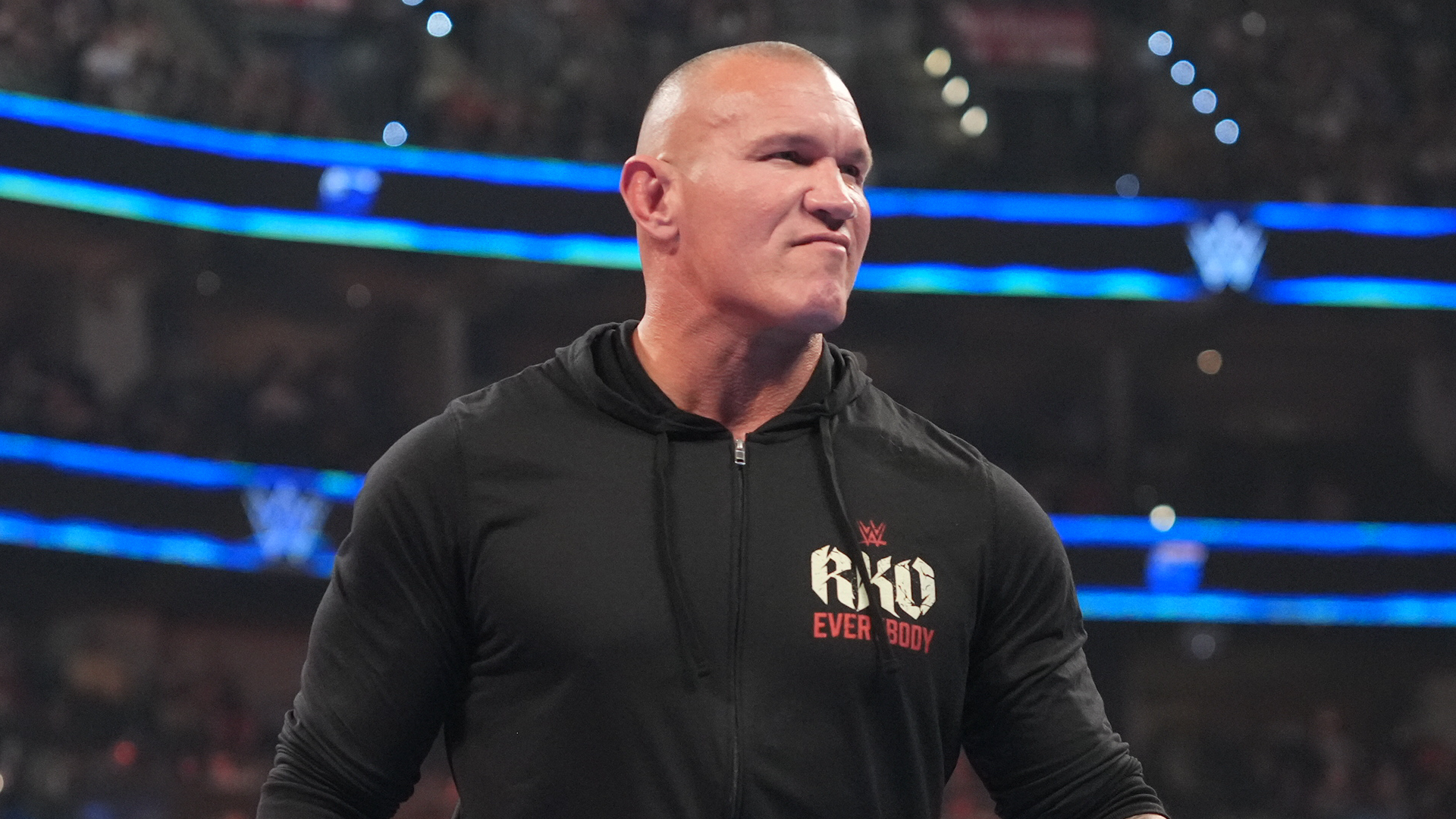
The United States Patent and Trademark Office has issued a nonfinal refusal on WWE's application to trademark the RKO for wrestling entertainment, citing potential confusion with classic movie studio RKO Pictures.
World Wrestling Entertainment has encountered another major roadblock in its ongoing attempt to secure broader legal control over Randy Orton's famous finishing maneuver.
The federal agency delivered the decision on November 3, 2026, dealing a setback to the sports entertainment giant.
At the center of the dispute is the legendary three-letter acronym that has defined Orton's career for over two decades.
WWE had submitted a fresh trademark application on July 6, 2026, hoping to lock down the mark across several key entertainment categories.
However, government officials determined that the move's name infringes upon existing rights held by an iconic film institution.
RKO Pictures, one of the historic titan brands of American cinema, already holds multiple registrations on the identical three letters.
Because both entities operate within the broader entertainment sphere, federal regulators believe consumers could end up confused.
THE TRADEMARK ROADBLOCK
The examining attorney assigned to review WWE's July submission concluded that the proposed mark encroaches on existing intellectual property.
Specifically, the trademark office pointed to six active registrations owned by RKO Pictures.
The agency's official filing made the nature of the legal conflict unmistakably clear.
The USPTO stated: “Applicant's and registrant's marks all share the sole or dominant literal element ‘RKO,' one of registrant's marks is in typed form and is identical to applicant's mark.”
That identical phrasing presented an immediate barrier for WWE under federal trademark principles.
When two companies seek to use the exact same letters in overlapping commercial categories, examiners routinely issue formal objections.
In this instance, one of the studio's registered marks uses standard characters without any distinct logo or stylized font.
That broad registration makes it much harder for another entertainment brand to secure standard rights on the same three letters.
Federal examiners concluded that both companies offer services within related segments of the entertainment marketplace.
RKO Pictures produces movies, television projects, and varied multimedia content.
Because WWE also produces televised shows and digital programming, examiners concluded that a likelihood of confusion genuinely exists.
THE CONFLICT WITH CLASSIC HOLLYWOOD
RKO Pictures remains one of the most storied names in the entire history of cinema.
The studio helped define the Golden Age of Hollywood through decades of legendary film production.

Its historic catalog includes iconic classics such as Citizen Kane and the holiday staple It's A Wonderful Life.
The company has remained deeply entrenched in the entertainment industry across multiple generations.
Because RKO Pictures established its trademarks long ago, its legal foundation remains exceptionally formidable.
WWE is not dealing with an obscure startup or an inactive claimant.
The wrestling promotion is running up against one of the most celebrated trademarks in American entertainment history.
To overcome that legacy, WWE must convincingly argue that modern consumers will never associate a wrestling maneuver with cinematic history.
WHAT WWE IS TRYING TO PROTECT
The current dispute centers on the precise scope of WWE's July application.
WWE did not simply file to put the letters on T-shirts or posters.
The filing specifically requested protection for wrestling exhibitions and live in-ring performances.
It extended that coverage to content broadcast across television networks, radio airwaves, and modern online platforms.
Additionally, the application sought rights for publishing wrestling news and general information across the internet.
These categories represent the lifeblood of WWE's daily global media operations.
Securing formal ownership of the phrase across these distribution channels would give WWE extensive control over how the move is presented and monetized.
Without an approved trademark in these categories, WWE remains vulnerable to external legal pushback whenever it promotes the acronym.
A FAMILIAR LEGAL BATTLE
This latest rejection is not an isolated event for WWE's legal department.
The promotion has spent years trying to push this specific trademark through the regulatory pipeline.
WWE originally filed an application for the exact same entertainment services back in November 2024.
That earlier effort met immediate pushback over the very same Hollywood studio conflict.
Federal regulators evaluated the company's arguments throughout 2025 before making a definitive administrative ruling.
In January 2026, the patent office issued a final refusal on that initial application.
Rather than walking away from the valuable brand name, WWE chose to reboot the entire process.

The promotion waited several months and submitted a brand new application on July 6, 2026.
Yet the agency assigned the case reached the exact same legal conclusion as before.
MERCHANDISE VERSUS ENTERTAINMENT RIGHTS
Despite the current deadlock, WWE is not completely empty-handed when it comes to Orton's finisher.
A crucial distinction exists between commercial merchandise and live entertainment broadcasts.
WWE already holds active, legally recognized trademark registrations for RKO covering physical merchandise.
That portfolio allows the promotion to produce and sell official apparel featuring the letters.
Fans can purchase shirts, hats, replica gear, and novelty items without violating current trademark limits.
Those existing merchandise protections remain entirely intact while this entertainment filing moves forward.
However, expanding into live performance rights and broadcast content has proved far more difficult.
RKO Pictures' legal presence is concentrated heavily in media and film production.
Because merchandise occupies different commercial classifications, WWE previously managed to secure apparel approvals.
Now that WWE wants performance and broadcast coverage, it has stepped directly onto the studio's home turf.
THE QUESTION OF WRESTLING TERMINOLOGY
Federal examiners did more than just point out the visual similarity between the two names.
The USPTO also issued a formal request for contextual industry information from WWE's legal team.
The examining attorney instructed WWE to explain whether RKO carries any particular meaning within professional wrestling.
The office also asked WWE to clarify if the acronym qualifies as an industry term of art.
That question could play a pivotal role in shaping WWE's legal strategy.
In trademark law, a term of art refers to specialized jargon used and understood by practitioners within a specific field.
If WWE can demonstrate that RKO functions solely as a wrestling maneuver inside the ring, it could help separate the mark from film production.
Orton has famously used the finisher since the early 2000s, turning the acronym into a worldwide cultural phenomenon.
The letters famously stand for his own full name, Randal Keith Orton, alongside its status as a jumping cutter maneuver.
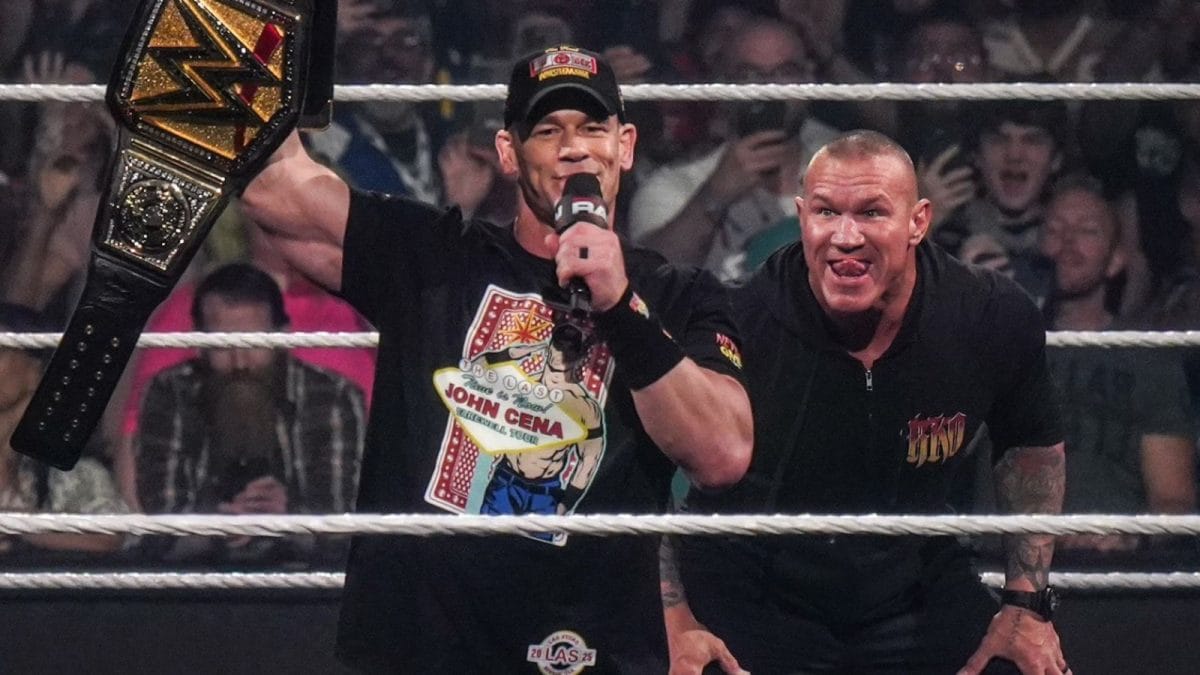
Proving that unique subcultural identity will be essential if WWE hopes to overcome the federal refusal.
NEXT STEPS AND THE FEBRUARY DEADLINE
The patent office's latest decision is technically nonfinal, meaning the legal pathway remains open.
WWE has not had its application permanently discarded just yet.
Instead, regulators established a strict deadline for the wrestling organization to mount a rebuttal.
WWE has until February 3, 2027, to formally respond to the agency's objections.
During that window, WWE's attorneys must compile written arguments and supporting evidence to address the likelihood of confusion.
If company executives feel they need more time to assemble their evidence, an extension is available.
WWE can request a three-month filing extension by submitting the proper administrative fee.
During this extended legal back-and-forth, WWE is permitted to continue conducting its regular business operations.
Fans do not need to worry about Randy Orton suddenly altering the name of his finishing move on television.
Wrestlers routinely perform their signature moves on air regardless of whether an active trademark application is pending.
However, failing to resolve the dispute could permanently limit WWE's legal protection across digital media and broadcasting.
IN-RING IMPACT AND CROWN JEWEL
While corporate attorneys prepare their legal arguments behind closed doors, Randy Orton remains focused on active competition.
The legendary multi-time world champion is not expected to change his in-ring identity or presentation.
Orton is set to clash with Cody Rhodes in a 'Last Man Standing' grudge match at Crown Jewel.
That high-stakes rivalry promises to deliver intense physical action inside the squared circle.
Spectators tuning into the international spectacle are virtually guaranteed to see the iconic finisher executed in real time.
For audiences watching the show at home, the maneuver remains a beloved staple of modern wrestling history.
Yet behind the roar of the arena crowd, a delicate legal tug-of-war continues in federal trademark offices.
WWE must soon prove to government officials that Orton's lethal in-ring strike can safely coexist with Hollywood history.
Do you think wrestling fans could ever genuinely confuse Randy Orton's RKO finisher with an old Hollywood movie studio?
Advertisement
You may also like

NBA champion Steve Kerr trolls Donald Trump with a savage jab
Golden State Warriors head coach Steve Kerr took a sharp, humorous jab at President Donald Trump during his Wednesday media availability, referencing a campaign…

John Cena’s subtle salute to Gunther after his return
John Cena made a surprise appearance on the Oct. 30, 2026 edition of WWE NXT. As he walked to the ring, he stopped in…

Braden Smith Makes NBA Debut With the Pacers
Purdue basketball alum Braden Smith makes NBA debut with the Pacers. Braden Smith, the former Purdue Boilermakers guard, stepped onto an NBA floor for…

Red Wings vs. Golden Knights Live Score and Game Updates
NHL.LIVE: Detroit Red Wings vs Vegas Golden Knights LIVE STREA.MS NHL Game On TV Coverage 6 Nov 2026. Puck drop is set for 7…

Business leaders face a tough choice with workplace monitoring.
Big Brother 2026 has officially crowned a winner. Rochelle took the title on the live final, hosted by AJ Odudu and Will Best on…

WWE Plans Huge 30th Anniversary Celebration for The Rock
WWE is planning to celebrate 30 years of The Rock this month. Plans include a commemorative championship belt. Special merchandise releases are also in…