Reports Point To 2028 Cutoff For Colonial Country Club's Historic PGA Tour Run
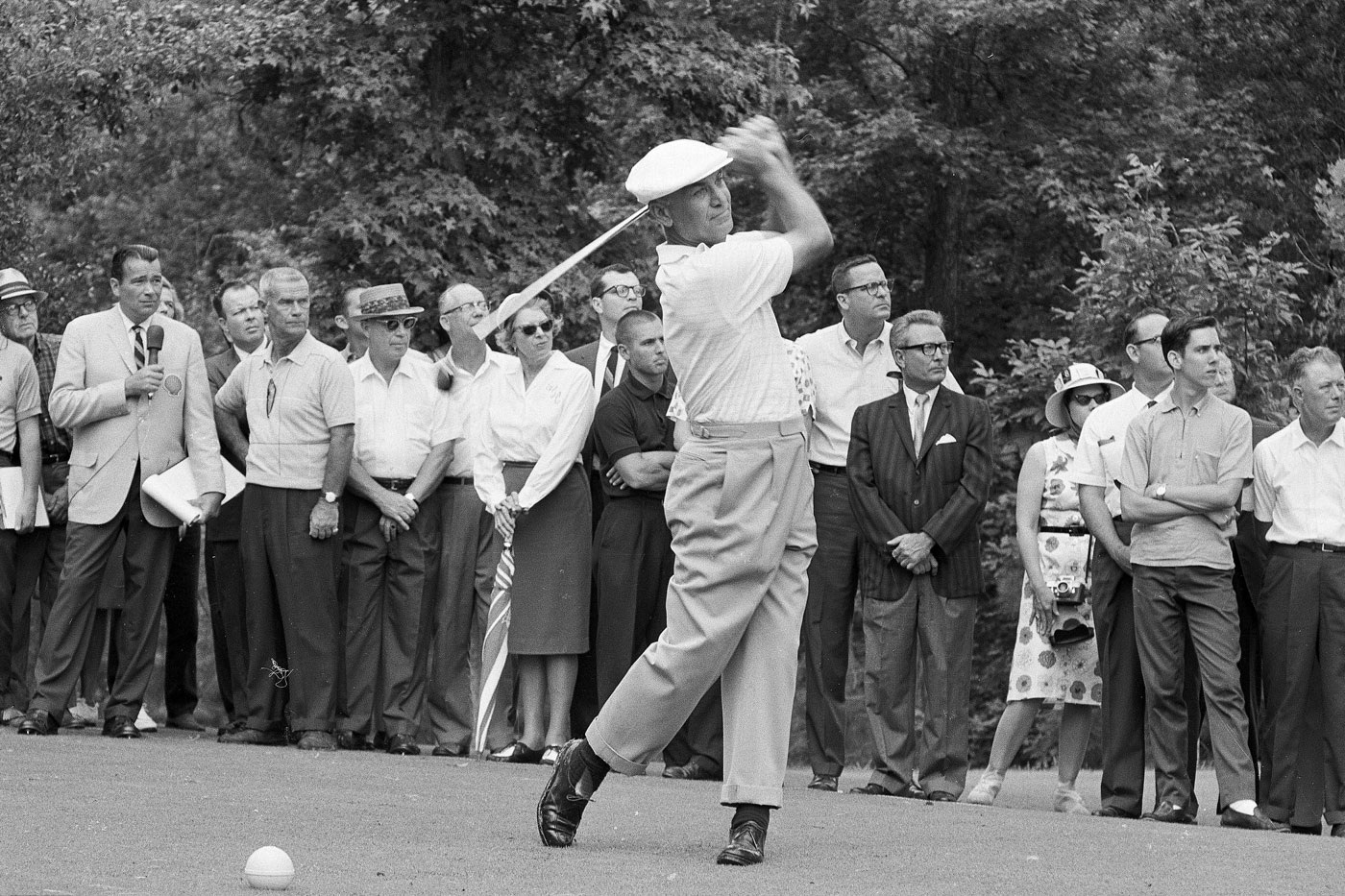
Sources indicate that Colonial Country Club is likely facing an impending exclusion from the PGA Tour schedule beginning in 2028.
That projected timeline would mark the conclusion of one of professional golf's most enduring relationships.
According to reports first published by Golfweek, the prestigious venue could soon see its annual tournament come to an end.
For eight decades, the historic layout has welcomed the world's best golfers every spring.
Now, reports suggest that 2028 stands as the definitive cutoff point for the tournament's long run.
A LOSS OF TRADITION
The prospective departure represents an enormous shift for the PGA Tour and its traditional calendar.
Colonial holds the distinct honor of being the longest-running host site in the history of the circuit.
No other single venue has continuously staged an annual tour event for as long as this storied course.
The tournament has anchored the late-spring stretch of the professional golf season for generations of players and fans.
News that the partnership may reach its finish line in 2028 has quickly reverberated across the sport.
REACTION FROM VENUE LEADERSHIP
The reaction from the club's administration has reportedly been swift and fiercely critical.
Venue leadership has described the looming 2028 exclusion as an outright insult to the organization.
Club leaders are reportedly furious over the decision to walk away from an eighty-year heritage.
For decades, the facility has poured resources into maintaining championship standards for the PGA Tour.
To be pushed off the calendar after such continuous loyalty has created undeniable friction between the club and tour officials.
THE LEGACY OF HOGAN'S ALLEY
To understand the magnitude of this reported exit, one must understand the club's revered nickname.
Colonial Country Club is universally celebrated in the sporting world as Hogan's Alley.
The moniker honors golf icon Ben Hogan, whose precision ball-striking dominated the layout during the mid-twentieth century.
Hogan captured the tournament title five separate times between 1946 and 1959.
His connection to the venue forever intertwined his legendary legacy with the reputation of the club itself.
A statue of Hogan stands watch over the grounds as a permanent reminder of his dominance.
Generations of competitors have walked those fairways hoping to emulate Hogan's surgical control off the tee.
EIGHT DECADES OF MEMORIES
The inaugural professional tournament at Colonial was played back in 1946.
In the eighty years since that debut, the course has produced some of the most memorable finishes in golf lore.
Its tight tree-lined fairways and demanding greens have tested every era of champion.
Unlike modern courses that rely solely on distance, Colonial has consistently demanded strategy and shot-making craft.
Winners at the venue receive a distinctive tartan plaid jacket along with their trophy.
That jacket remains one of the most recognizable and coveted honors in American professional golf.
Losing that annual ritual would erase a vibrant piece of the sport's living heritage.
THE SHIFTING PGA TOUR LANDSCAPE
The reported 2028 cutoff arrives during a period of massive transformation across men's professional golf.
The PGA Tour has undergone significant structural overhauls in recent years.
New tournament models, designated events, and shifting financial commitments have changed schedule priorities.
Tour executives have faced pressure to deliver high-yield commercial setups and modern infrastructure.
Older venues sometimes encounter operational challenges when hosting modern championship spectacles.
Hospitality demands, corporate village footprints, and player amenities have expanded exponentially in recent decades.
While historic layouts offer irreplaceable charm, they can face physical limitations compared to newly engineered properties.
THE WEIGHT OF HISTORIC CONTINUITY
Many golf purists argue that history is the true currency of the PGA Tour.
Stops like Colonial provide a tangible link connecting today's stars with giants like Hogan and Arnold Palmer.
When a player walks up the 18th hole at Colonial, they walk the same turf that forged golf history.
Severing that link risks alienating traditional fans who value institutional memory above commercial expansion.
Tour schedules have already lost several classic stops over the past two decades due to corporate reshuffling.
Losing the single longest-running host site would be the most dramatic departure yet.
THE ROAD LEADING TO 2028
If reports of the 2028 timeline hold true, the tournament still has several editions left on the docket.
Those upcoming tournaments will undoubtedly carry an added sense of nostalgia and urgency.
Players, patrons, and volunteers will likely savor each remaining round under the Texas sun.
The golf community will watch closely to see whether any compromises or schedule revisions can alter the current outlook.
At present, however, the reporting suggests that the tour has set its trajectory toward a 2028 farewell.
The club's outspoken frustration confirms that negotiations have reached a critical and contentious phase.
WHAT COMES NEXT FOR COLONIAL
Even if its PGA Tour run ends in 2028, Colonial Country Club will retain its place in the game's history books.
An eighty-year run at the highest tier of professional athletics is an accomplishment few facilities will ever match.
The club's identity was built on competitive excellence long before the modern tour schedule existed.
Yet the emotional toll of an impending departure remains palpable for everyone tied to Hogan's Alley.
Watching an eighty-year partnership dissolve is a painful reality for a venue that prides itself on stability.
As the date approaches, the broader sports world will debate the wisdom of leaving such rich tradition behind.
Should the PGA Tour prioritize modern venues over historic stops on its future tournament schedule?
Advertisement
You may also like

NBA champion Steve Kerr trolls Donald Trump with a savage jab
Golden State Warriors head coach Steve Kerr took a sharp, humorous jab at President Donald Trump during his Wednesday media availability, referencing a campaign…

John Cena’s subtle salute to Gunther after his return
John Cena made a surprise appearance on the Oct. 30, 2026 edition of WWE NXT. As he walked to the ring, he stopped in…

Braden Smith Makes NBA Debut With the Pacers
Purdue basketball alum Braden Smith makes NBA debut with the Pacers. Braden Smith, the former Purdue Boilermakers guard, stepped onto an NBA floor for…

Red Wings vs. Golden Knights Live Score and Game Updates
NHL.LIVE: Detroit Red Wings vs Vegas Golden Knights LIVE STREA.MS NHL Game On TV Coverage 6 Nov 2026. Puck drop is set for 7…

Business leaders face a tough choice with workplace monitoring.
Big Brother 2026 has officially crowned a winner. Rochelle took the title on the live final, hosted by AJ Odudu and Will Best on…

WWE Plans Huge 30th Anniversary Celebration for The Rock
WWE is planning to celebrate 30 years of The Rock this month. Plans include a commemorative championship belt. Special merchandise releases are also in…