Sania Mirza and Bhupathi join AITA to transform Indian tennis
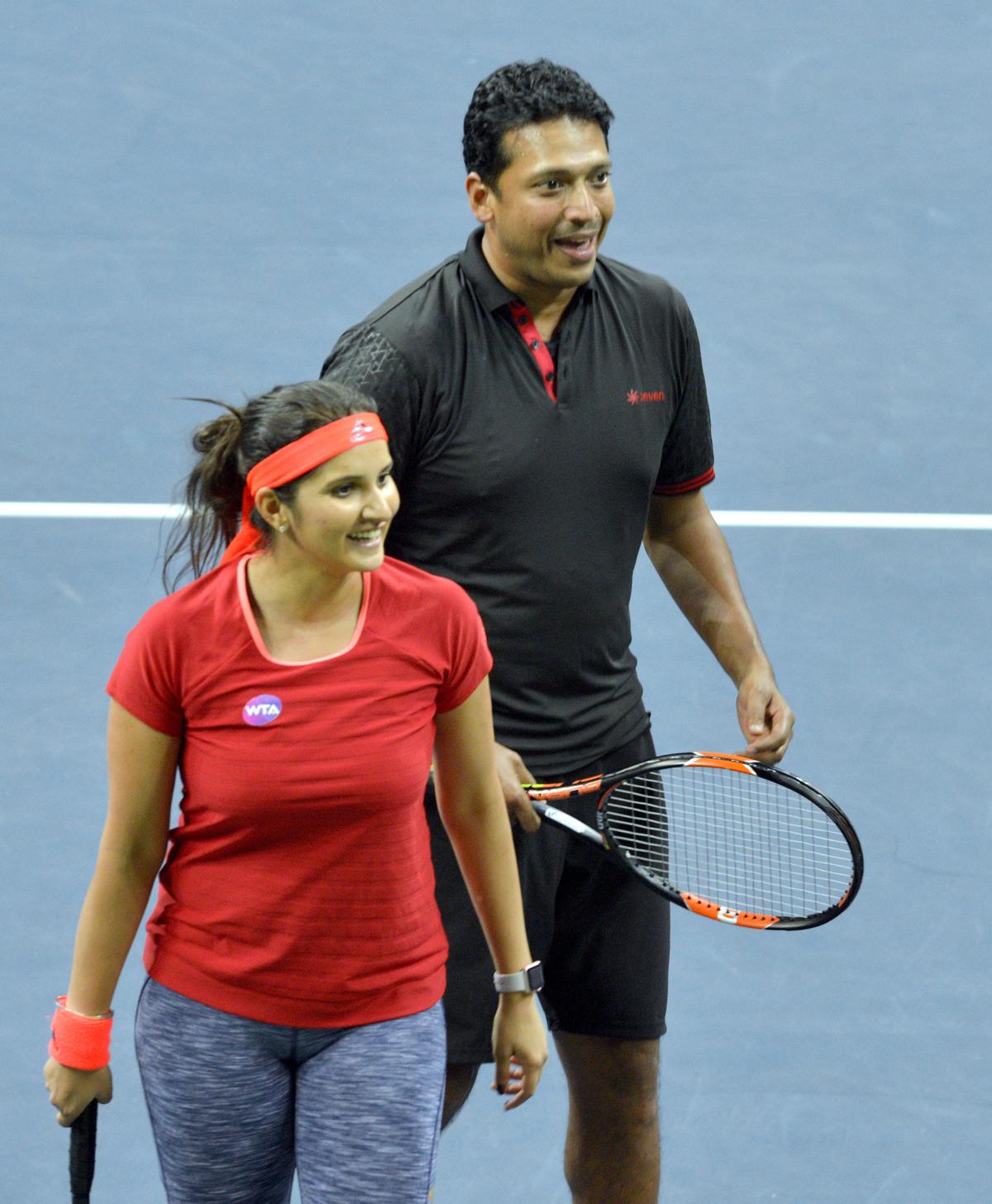
Mahesh Bhupathi and Sania Mirza are set to become the two Sportspersons of Outstanding Merit (SOM) in the 15-member All India Tennis Association Executive Committee that will be formed later this year after fresh elections.
Both were chosen from a roster of 40 players on Thursday, November 5, 2026.
They are also among four SOMs elected to the AITA General Body.
Current Davis Cup coach Ashutosh Singh and former Billie Jean King Cup captain Shalini Thakur Chawla are the other two former players in the General Body.
The AITA Constitution, which was amended in line with the National Sports Governance Act back in July, provides for four SOM representatives in the General Body — two male and two female — and two in the AITA Executive Committee — one male and one female.
With Bhupathi and Sania set to take their places in the Executive Committee, they will not be able to contest the polls for other office-bearer posts such as president, general secretary and treasurer.
In the Executive Committee election, Bhupathi received the highest number of votes at 23.
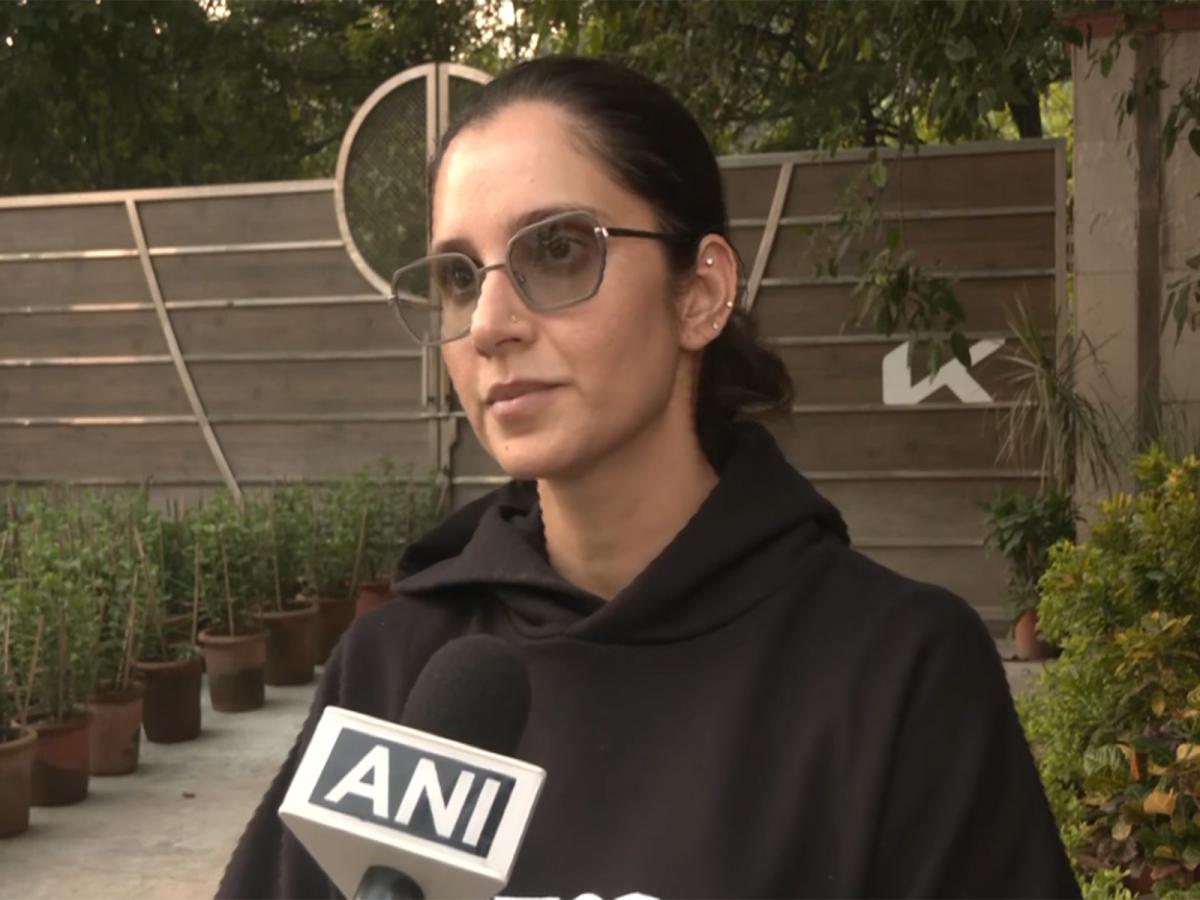
Mirza followed with 18 votes.
Janaki Krishnamoorthy and Vishal Uppal received 13 and seven votes respectively.
Earlier, Bhupathi and Mirza were elected to the General Body as SOM representatives obtaining 19 and 18 votes respectively.
Other elected representatives included Ashutosh Singh with 17 votes and Shalini Thakur Chawla with 16.
With their inclusion in the Executive Committee, Mirza and Bhupathi will not contest the forthcoming AITA office-bearer elections scheduled for November 27.
Mirza expressed her enthusiasm about the new role.
"Our vision and our goal are one, which is to try and make Indian tennis better," she affirmed.

She highlighted the collaborative spirit with the AITA president, vice president, and Executive Committee members.
"I think that we are just trying to use our experience to try and understand what the players need more," Mirza stated.
"I think that it's too early to answer the question exactly what, because there are still a lot of things to be put into place with the president, vice president, EC."
"There are many things still to be done," she added.
"But we're very happy to be elected in the general body, and I think our vision and our goal are one, which is to try and make Indian tennis better."
"And I think all of us come together here with that vision."
Mirza emphasized the need for a comprehensive support system for young players.

"I think there are multiple things, whether it's development programs, whether it is the right kind of coaching that you need, whether it's the right kind of guidance you need on what tournaments you need to play, whether it's the right kind of support you need, physios, trainers," she said.
"I mean, there are so many things that go into making of a tennis player."
"And then you still need luck."
"So at the end of the day, I feel like there are many things that need to come together."
"So, what we are trying to do is use our experience, our knowledge to the best of our abilities as tennis players, as professional athletes who have been there and done whatever we have done to be able to help that next generation make the next steps."
Both players bring unparalleled international success to the administrative table.
Bhupathi boasts 12 Grand Slam titles.

Mirza, a former world No. 1 in doubles, has six Grand Slam victories.
Their administrative presence is expected to provide invaluable insights and drive significant improvements in Indian tennis.
However, it remains to be seen in which direction proceedings in the Delhi High Court with respect to amending the AITA Constitution go.
The High Court is scheduled to hear on Friday, November 6, 2026, administrator Justice (retd.)
Gita Mittal's request to implead the AITA Trust and the Delhi Lawn Tennis Association (DLTA) for corruption.
The court will also hear the contempt petition filed against AITA's interim office-bearers for "active obstruction and suppression of information" from the administrator.
This legal backdrop means that even as Bhupathi and Mirza take their seats, the broader governance framework of Indian tennis remains under judicial scrutiny.

The AITA Constitution amendment that created the SOM positions was itself a product of the National Sports Governance Act, which pushed for greater representation of former athletes in sports federations.
Indian sports federations are undergoing governance reforms, encouraging greater representation of former athletes in decision-making roles.
The SOM designation is a specific category created to ensure that former sportspersons of outstanding merit have a direct voice in the federation's executive decisions.
The AITA General Body is the larger governing assembly of the federation, while the Executive Committee is the smaller, more powerful body that handles day-to-day administration and policy implementation.
With Bhupathi and Mirza in the Executive Committee, Indian tennis now has two of its most decorated former players inside the room where key decisions about tournaments, player development, coaching appointments and funding allocations are made.
Their election marks their entry into the national tennis federation's administrative structure at a time when Indian tennis has been struggling to produce consistent singles talent at the highest level.
Mirza herself retired from professional tennis in 2023, ending a career that included six Grand Slam titles across doubles and mixed doubles.
Bhupathi, who retired earlier, was part of the legendary doubles pair with Leander Paes that won multiple Grand Slams and put Indian tennis on the global map in the late 1990s and early 2000s.
The next key date is November 27, when the AITA office-bearer elections will be held.
Bhupathi and Mirza, having secured their SOM positions in the Executive Committee, will not be candidates in those elections.
Their focus, as Mirza described it, will be on using their experience to help the next generation of Indian tennis players make the next steps in their careers.
The coming months will show whether their presence in the AITA Executive Committee translates into tangible changes in how Indian tennis is administered and developed at the grassroots level.
Advertisement
You may also like
CMA Awards 2026 Performers Revealed With Dolly Parton Tribute
The CMA Awards just dropped their first round of performers, and a Dolly Parton tribute is already on our must-watch list. Cody Johnson, Miranda…
Cam Newton slams Angel Reese comparisons to Michael Jordan.
Cam Newton has pushed back hard against the criticism aimed at Angel Reese after the Atlanta Dream's Game 7 loss in the 2026 WNBA…
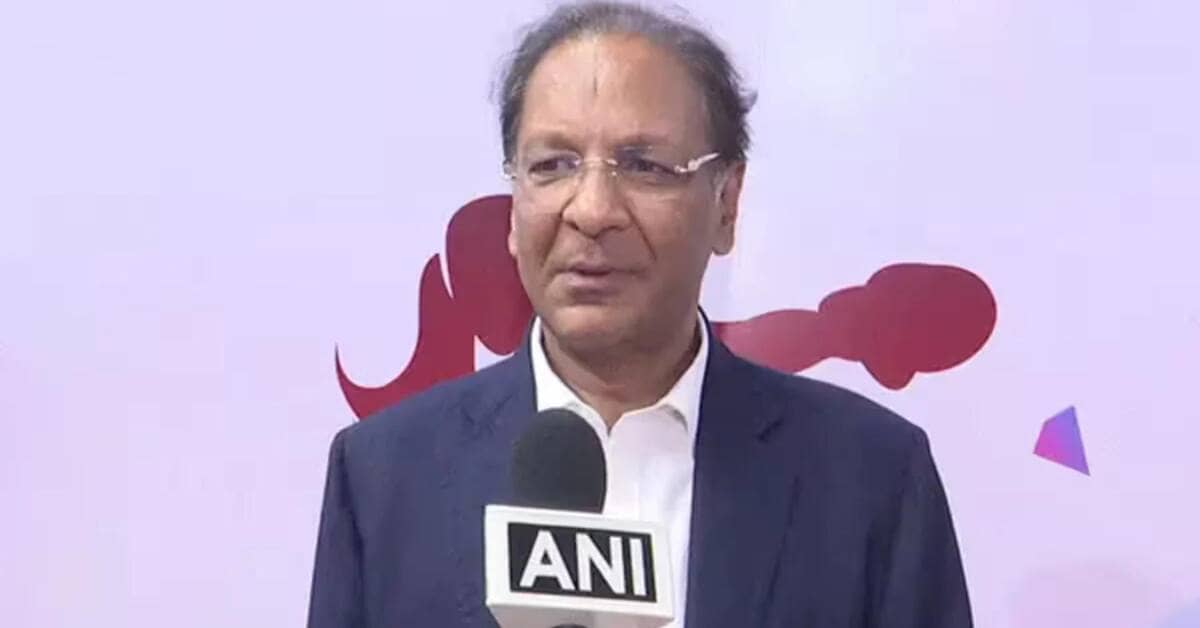
Ajay Singh demands canal water until Nov 30 to save drought-hit crops
Karnataka Minister Ajay Singh has formally requested Chief Minister DK Shivakumar to extend canal water releases until November 30 to protect standing crops in…
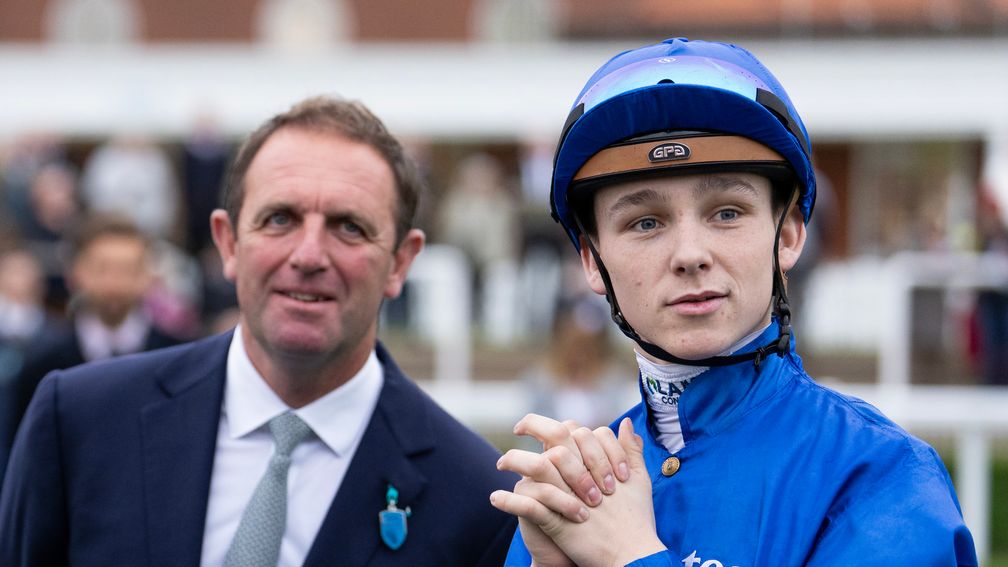
Billy ‘The Kid’ Loughnane can be new ‘face of racing’ and next Dettori after Godolphin deal
Billy ‘The Kid’ Loughnane can be the new ‘face of racing’ and the next Frankie Dettori after signing a retained rider deal with Godolphin.…

Ronaldo’s denial of Portugal’s reality cost him a Messi farewell.
Cristiano Ronaldo couldn’t accept Portugal reality and it’s cost him Lionel Messi farewell. That is the story emerging after Ronaldo announced his retirement from…
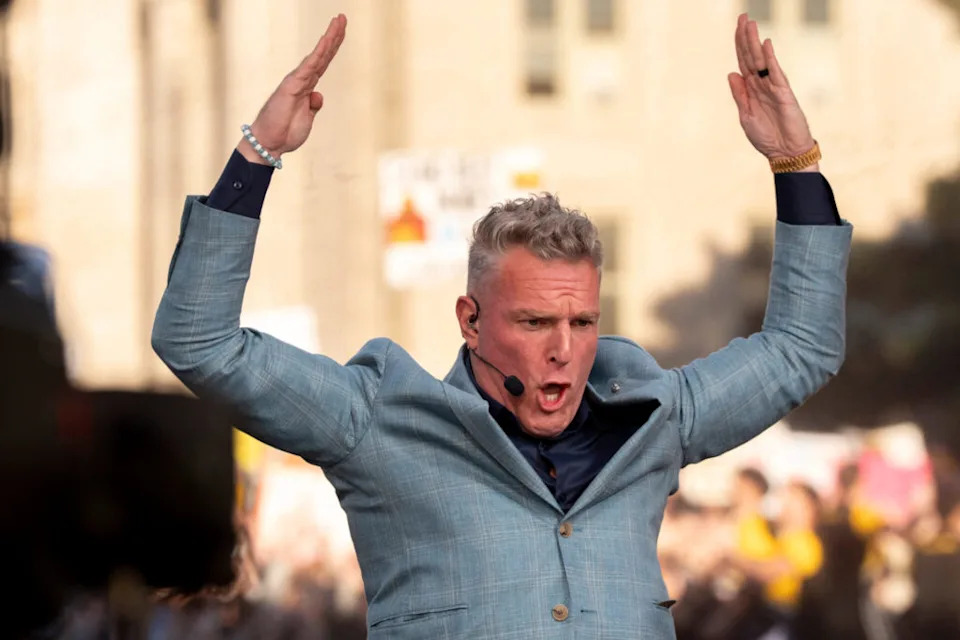
Dan Dakich Defends Pat McAfee Against ‘Idiotic’ Backlash
Pat McAfee Faces Fan Backlash After College GameDay Midterm Results. A social media post demanding his removal from ESPN’s College GameDay crossed one million…