Suffolk Downs And Raynham Park Eye Massive Gaming Revival Under House Bill

Under the House economic development bill, former racing facilities Suffolk Downs and Raynham Park would be permitted to run historical horse racing machines using their previously issued track licenses.
The measure could breathe new life into two of the most recognizable racing grounds in the Commonwealth.
Both venues once served as major hubs for racing spectators across Massachusetts.
Now, state lawmakers are weighing whether to transform these former tracks into modern gaming and entertainment centers.
The proposal seeks to bring historical horse racing terminals to the storied grounds.
These electronic terminals allow patrons to wager on randomly selected replays of past horse races.
While the devices look and feel like classic slot machines, the wagering system relies entirely on parimutuel outcomes.
The legislative effort took a major step forward earlier this summer.
The Massachusetts House of Representatives formally included the licensing authorization within its version of a broader economic development package.
That bill successfully cleared the House chamber in July.
A MASSIVE REVENUE PROPOSAL
Supporters believe historical horse racing could quickly become a powerful economic engine for the state.
Proponents project the new operations could generate up to $120 million annually in tax revenue by their third year of business.
House Speaker Ron Mariano has stood firmly behind the measure on Beacon Hill.
Mariano has positioned the plan as a dedicated revenue stream to support Massachusetts healthcare infrastructure.
Under the House proposal, 2.5 percent of the total handle wagered on historical horse racing terminals would go to the state Health Safety Net trust fund.

The Health Safety Net trust fund serves a vital public function across the Commonwealth.
It pays hospitals and community health centers to deliver critical care to uninsured and underinsured residents.
For legislative backers, directing wagering funds into healthcare offers a clear justification for reviving the shuttered racing sites.
INVESTOR AMBITIONS AT HISTORIC GROUNDS
The prospect of renewed gaming has already sparked significant private sector interest.
Longtime Suffolk Downs investor Richard Fields is actively eyeing the new statutory framework.
Fields has expressed keen interest in transforming the property into a modern gambling and entertainment destination.
His ambitions also stretch southward to Bristol County.
Fields has stated his desire to purchase Raynham Park from the Carney family.
Raynham Park long operated as a major dog racing track before live racing ended in the state.
Speaker Mariano acknowledged he maintains a personal relationship with George Carney, whose family owns Raynham Park.
Mariano has publicly maintained that the bill serves the financial interests of Massachusetts rather than any individual business figure.
THE PUSHBACK FROM RESORT CASINOS
Despite the optimism surrounding the tracks, the proposal faces intense resistance.
The state's three licensed commercial casino operators have mobilized to stop the plan.
Encore Boston Harbor in Everett, MGM Springfield in Western Massachusetts, and Plainridge Park Casino in Plainville are united against the measure.

All three venues recently urged state lawmakers to reject the historical horse racing language outright.
The casino operators argue that opening new gaming venues will cannibalize existing gambling revenues in the Commonwealth.
To substantiate their warnings, the casinos commissioned an independent economic impact study.
The research was conducted jointly by Morowitz Gaming Advisors and Global Gaming and Hospitality.
The study's findings present a stark counterpoint to the House projections.
Consultants concluded that historical horse racing operations could siphon away between $131 million and $216 million in gross gambling revenue from current casinos.
That loss would severely decrease the tax collections that flow from existing casino properties.
According to the study, state and municipal governments could lose between $45 million and $73 million annually if the tracks reopen with gaming machines.
Consultants also cautioned that shifting gaming dollars away from resort casinos could lead directly to local job cuts.
Furthermore, the report highlighted potential business reductions for independent vendors and service suppliers that support the casino resort industry.
REGULATORY DISPUTES AND GEOGRAPHIC LIMITS
The debate has exposed sharp disagreements over how gambling should be regulated across the state.
Massachusetts initially expanded into commercial casino gaming under strict statutory limits established over a decade ago.
The state's existing framework strictly limits full casino developments to three designated geographical regions.
Operators had to compete for single licenses in Eastern Massachusetts, Western Massachusetts, and a designated region for slots.
Licensed commercial operators also had to negotiate extensive host community agreements with municipal leaders before opening their doors.

Those agreements required operators to guarantee local mitigation funding, community investments, and infrastructure improvements.
Casinos also had to navigate rigorous public reviews and long regulatory vetting procedures.
Critics point out that the new House amendment takes a dramatically different approach.
The language does not establish an explicit cap on the total number of historical horse racing machines allowed.
It also contains no strict geographic limits on where affiliated gaming facilities could be established.
Opponents contend this creates an uneven playing field that sidesteps the safeguards applied to traditional casinos.
THE DIGITAL EXPANSION DISPUTE
The House bill reaches beyond physical terminals inside brick-and-mortar racetrack clubhouses.
The legislation includes language that could authorize online wagering on historical horse racing.
If enacted, mobile players across Massachusetts could place bets through digital historical racing platforms.
This digital provision has generated intense scrutiny from state lottery officials and gaming observers.
Massachusetts recently launched its own official online lottery platform to modernize ticket sales.
Critics warn that digital horse racing terminals on mobile devices could act as direct competition to the state lottery's new online offerings.
TRIBAL SOVEREIGNTY AND COMMUNITY CONCERNS
The push to redevelop Raynham Park has also met strong opposition from Native American leadership in the region.
The Mashpee Wampanoag Tribe has voiced firm objections to the racing amendment.
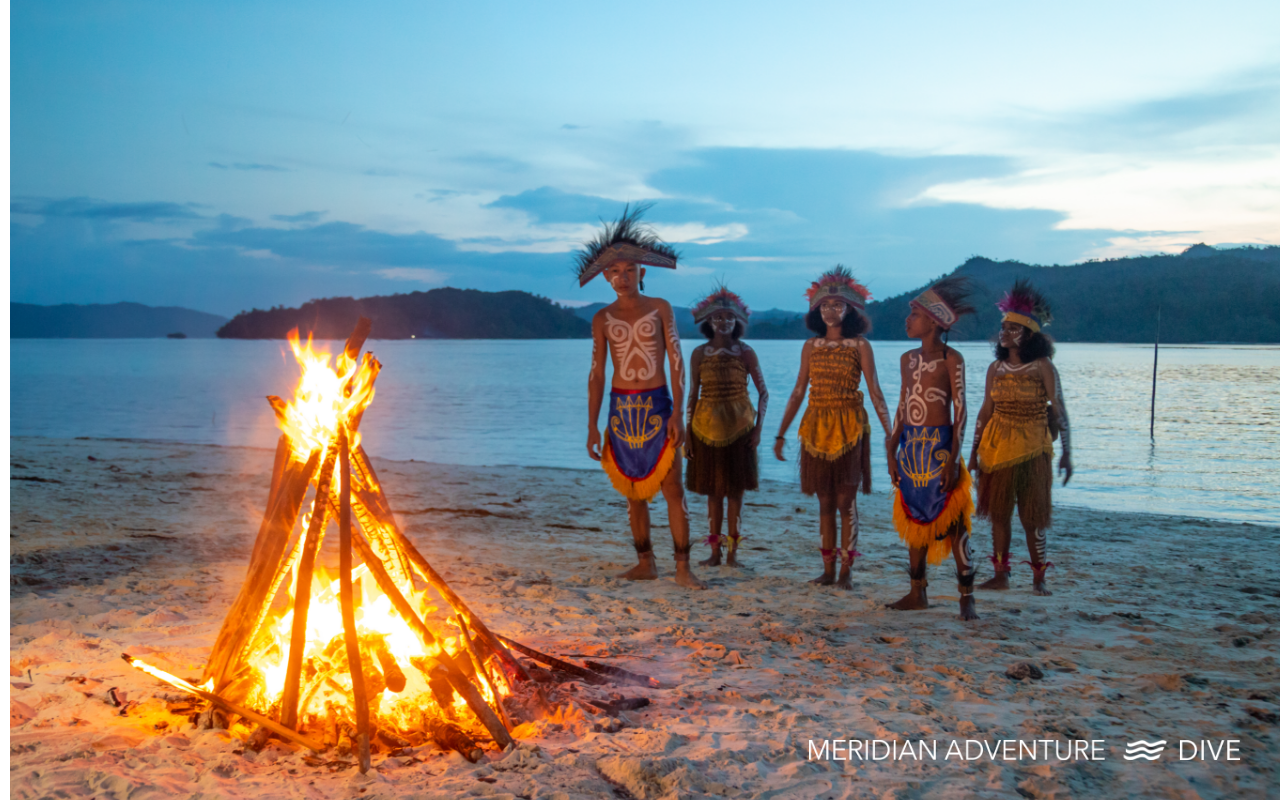
The tribe operates the First Light Casino project in Taunton, Massachusetts.
Taunton sits in close geographic proximity to Raynham Park in southeastern Massachusetts.
Mashpee Wampanoag Tribal Chairman Brian Weeden publicly raised concerns about the House measure.
Weeden warned that placing an expansive gaming venue nearby could damage the tribe's economic interests.
He also cautioned that the measure poses a threat to tribal sovereignty.
THE LEGISLATIVE SHOWDOWN AHEAD
The battle over the fate of Suffolk Downs and Raynham Park now rests on Beacon Hill.
While the House eagerly embraced the racetrack revival plan in July, the state Senate refused to follow suit.
The Senate deliberately excluded the historical horse racing language from its own version of the economic development package.
As reported by The Boston Globe, the conflicting bills have been sent to a bipartisan conference committee.
A small panel of lawmakers from both chambers must now negotiate a compromise behind closed doors.
The conference committee must decide whether historical horse racing survives in the final compromise bill.
If House negotiators hold the line, Suffolk Downs and Raynham Park could soon begin their transition back into active gaming centers.
If Senate leaders prevail, the racetrack revival effort could be halted entirely for the legislative session.
The final bill must pass both the House and the Senate before heading to the governor's desk for consideration.
Until an agreement emerges, the future of the historic tracks hangs in the balance.
Would you like to see historical horse racing betting bring new life to historic tracks like Suffolk Downs?
Advertisement
You may also like
NBA champion Steve Kerr trolls Donald Trump with a savage jab
Golden State Warriors head coach Steve Kerr took a sharp, humorous jab at President Donald Trump during his Wednesday media availability, referencing a campaign…

John Cena’s subtle salute to Gunther after his return
John Cena made a surprise appearance on the Oct. 30, 2026 edition of WWE NXT. As he walked to the ring, he stopped in…

Braden Smith Makes NBA Debut With the Pacers
Purdue basketball alum Braden Smith makes NBA debut with the Pacers. Braden Smith, the former Purdue Boilermakers guard, stepped onto an NBA floor for…

Red Wings vs. Golden Knights Live Score and Game Updates
NHL.LIVE: Detroit Red Wings vs Vegas Golden Knights LIVE STREA.MS NHL Game On TV Coverage 6 Nov 2026. Puck drop is set for 7…
Business leaders face a tough choice with workplace monitoring.
Big Brother 2026 has officially crowned a winner. Rochelle took the title on the live final, hosted by AJ Odudu and Will Best on…
WWE Plans Huge 30th Anniversary Celebration for The Rock
WWE is planning to celebrate 30 years of The Rock this month. Plans include a commemorative championship belt. Special merchandise releases are also in…