Trademark Officials Challenge WWE To Prove Randy Orton's RKO Has Unique Significance In Wrestling
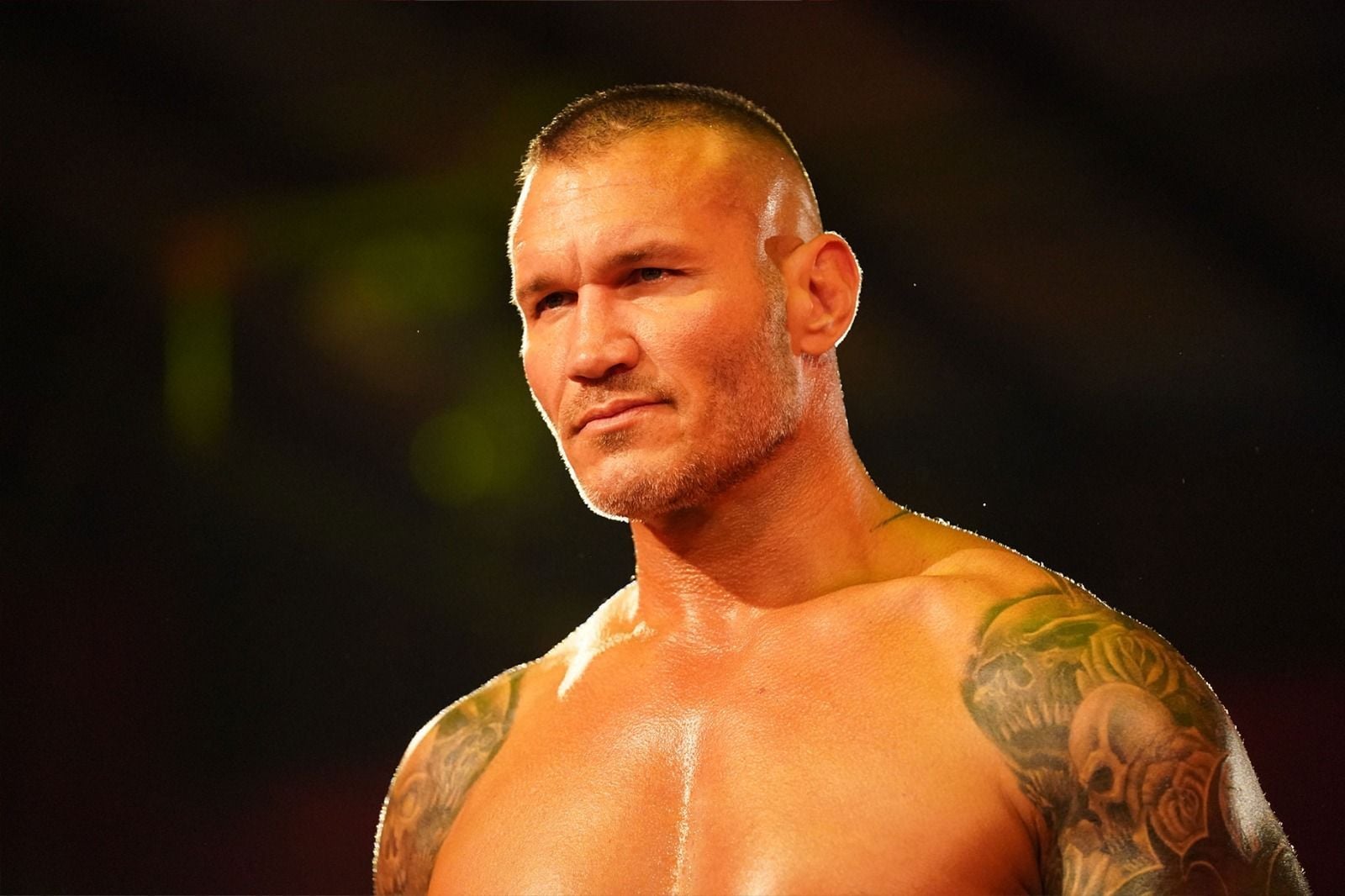
Trademark officials have asked WWE to explain whether the RKO holds any particular significance or qualifies as a term of art within professional wrestling.
The inquiry comes directly from the United States Patent and Trademark Office following a fresh review of the company's trademark filings.
For more than two decades, fans across the globe have watched Randy Orton drop opponents to the mat with his devastating signature maneuver.
Yet inside federal regulatory offices, those three letters do not automatically belong to World Wrestling Entertainment.
The USPTO issued a nonfinal refusal on November 3, halting WWE’s latest attempt to secure broader legal ownership of the name.
Federal examiners cited potential confusion with established trademarks held by classic Hollywood studio RKO Pictures.
Now, WWE faces a strict ticking clock to defend the ring heritage of Orton’s most famous weapon.
A LEGAL CLASH WITH HOLLYWOOD HISTORY
The central issue is not how popular the move is among wrestling fans, but rather who held the legal rights to the letters first.
RKO Pictures stands as one of the most storied brands in American cinema history.
The classic studio was responsible for legendary cinematic releases such as Citizen Kane and It's A Wonderful Life.
Decades before Orton ever stepped inside a squared circle, RKO Pictures had already established deep commercial roots across the entertainment landscape.
According to findings from the examining attorney, RKO Pictures currently holds six active federal trademark registrations.
The trademark office determined that WWE's filing directly overlaps with those existing Hollywood records.

The USPTO explicitly documented that conflict in its official correspondence.
“Applicant's and registrant's marks all share the sole or dominant literal element ‘RKO,' one of registrant's marks is in typed form and is identical to applicant's mark.”
Because both entities operate within the broad umbrella of entertainment, government attorneys determined that ordinary consumers could potentially face confusion.
Standard trademark law requires regulators to reject applications whenever identical literal wording appears across closely related commercial fields.
THE SCOPE OF WWE'S EXPANDED APPLICATION
WWE originally submitted this latest trademark application on July 6.
The company was not merely seeking a symbolic title, but rather broad protection for commercial entertainment operations.
Specifically, the filing sought federal rights covering wrestling exhibitions and live athletic performances broadcast across television, radio, and online platforms.
WWE also designed the filing to encompass the distribution of wrestling news and sports entertainment information through digital platforms.
In trademark categorization, live performances and televised broadcasts fall into broad entertainment service classes.
The examining attorney determined that those broadcasting activities sit uncomfortably close to the film and television production services owned by RKO Pictures.
When two companies offer multimedia content under an identical three-letter mark, trademark examiners must step in to protect market clarity.
WHAT DOES A TERM OF ART MEAN IN TRADEMARK LAW
To move past the objection, trademark officials delivered a specific procedural hurdle to WWE’s legal team.
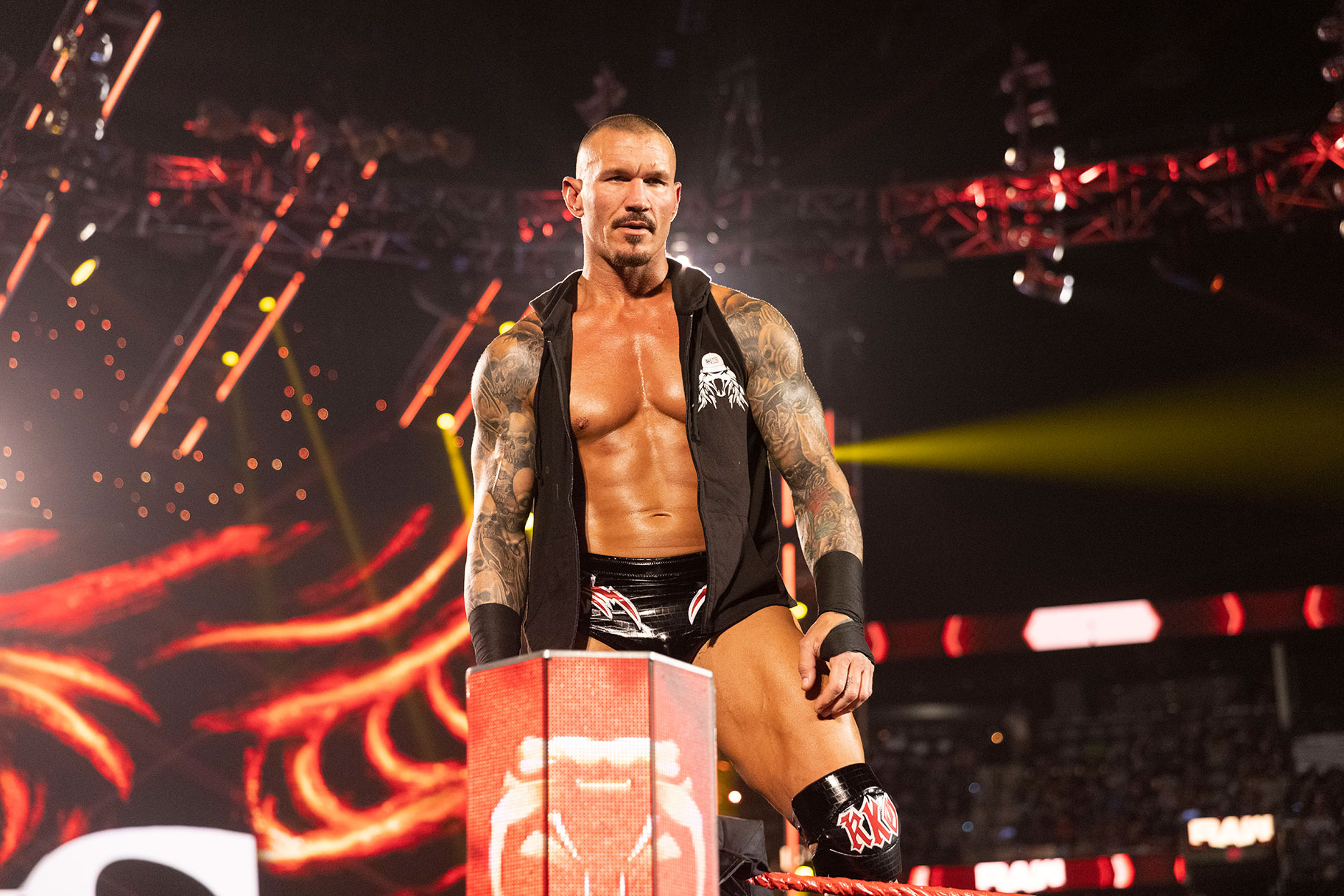
The examining attorney officially requested clarification on whether RKO carries any particular significance within professional wrestling.
Regulators also asked WWE to demonstrate whether the phrase qualifies formally as an industry term of art.
In legal terms, a term of art refers to specialized jargon that carries an exclusive, widely recognized meaning inside a specific trade or field.
If a phrase operates as an established term of art, that status helps demonstrate how consumers perceive the term when encountering it in a wrestling context.
WWE must now compile industry evidence showing that inside pro wrestling, RKO points exclusively to Randy Orton's move rather than a movie production company.
Such a response typically requires submitting commercial evidence, promotional records, broadcast archives, and media documentation.
WWE's attorneys must show that wrestling viewers immediately associate the letters with in-ring competition rather than vintage films.
A REPEATED SETBACK IN FEDERAL FILINGS
This latest rejection does not represent the first time WWE has collided with federal examiners over the finishing move.
The company previously attempted to register the mark for wrestling-related entertainment services in November 2024.
That earlier application ran straight into the very same corporate obstacle from RKO Pictures.
Following back-and-forth arguments, the USPTO issued a final refusal on that initial application in January 2026.
Rather than abandoning the brand, WWE regrouped and submitted its brand-new claim on July 6.
However, filing a new application did not erase the preexisting trademark registrations held by the Hollywood studio.

The November 3 action demonstrates that the government’s initial legal skepticism remains entirely unchanged.
MERCHANDISE IS PROTECTED, BUT SERVICES REMAIN IN LIMBO
While the dispute sounds alarming for fans, Orton’s finisher is not in immediate danger of being erased from television.
There is a crucial legal difference between what WWE already owns and what it is currently trying to secure.
WWE already holds active, legally recognized federal trademark registrations covering RKO on physical consumer merchandise.
The company has sold countless T-shirts, hats, wristbands, and souvenir items bearing the three letters for many years.
Those consumer goods registrations belong to merchandise classes, which are separate from entertainment broadcasting classes.
Because WWE already owns the retail merchandising rights, fans will continue to see RKO apparel available at live events and online shops.
The ongoing fight strictly revolves around broader service protections for media distribution, digital broadcasts, and ring performances.
Even if WWE fails to secure this specific registration, Orton will not be forced to rename his signature maneuver inside the ring.
However, failing to secure the registration leaves WWE without exclusive federal service rights if competing media entities use the letters.
THE UPCOMING FEBRUARY DEADLINE
The USPTO’s recent ruling is technically categorized as a nonfinal refusal.
A nonfinal refusal gives an applicant an opportunity to address objections, submit legal arguments, and supply supporting industry documentation.

Federal records establish that WWE has until February 3, 2027, to formally respond to the examining attorney.
That window grants WWE roughly three months from the date of the November notice to formulate its legal defense.
If corporate attorneys require additional time to gather evidence, the process offers a procedural safety valve.
WWE is permitted to file for a three-month extension of the response deadline by paying the mandatory government fee.
If WWE fails to answer by the specified date without securing an extension, the trademark office will declare the application abandoned.
Once an application is abandoned, the company loses its priority filing date and must begin the expensive process from scratch.
WHAT LIES AHEAD IN AND OUT OF THE RING
While corporate attorneys comb through legal archives, Orton continues to showcase the move on the global stage.
The veteran superstar remains scheduled to settle an intense grudge against Cody Rhodes in a Last Man Standing match at Crown Jewel.
Whenever Orton competes at a major premium live event, audiences anticipate the sudden execution of an RKO.
The move has evolved into one of the most recognizable finishing moves in the entire history of sports entertainment.
Yet viral social media moments and arena-wide chants do not instantly translate into victories inside a federal trademark registry.
WWE's legal counsel must now turn that cultural recognition into persuasive legal proof before the February deadline expires.
Do you think WWE will easily convince trademark examiners that the RKO is a recognized wrestling term of art?
Advertisement
You may also like

NBA champion Steve Kerr trolls Donald Trump with a savage jab
Golden State Warriors head coach Steve Kerr took a sharp, humorous jab at President Donald Trump during his Wednesday media availability, referencing a campaign…

John Cena’s subtle salute to Gunther after his return
John Cena made a surprise appearance on the Oct. 30, 2026 edition of WWE NXT. As he walked to the ring, he stopped in…

Braden Smith Makes NBA Debut With the Pacers
Purdue basketball alum Braden Smith makes NBA debut with the Pacers. Braden Smith, the former Purdue Boilermakers guard, stepped onto an NBA floor for…

Red Wings vs. Golden Knights Live Score and Game Updates
NHL.LIVE: Detroit Red Wings vs Vegas Golden Knights LIVE STREA.MS NHL Game On TV Coverage 6 Nov 2026. Puck drop is set for 7…

Business leaders face a tough choice with workplace monitoring.
Big Brother 2026 has officially crowned a winner. Rochelle took the title on the live final, hosted by AJ Odudu and Will Best on…

WWE Plans Huge 30th Anniversary Celebration for The Rock
WWE is planning to celebrate 30 years of The Rock this month. Plans include a commemorative championship belt. Special merchandise releases are also in…