USMNT faces tougher path as Concacaf revamps Gold Cup format
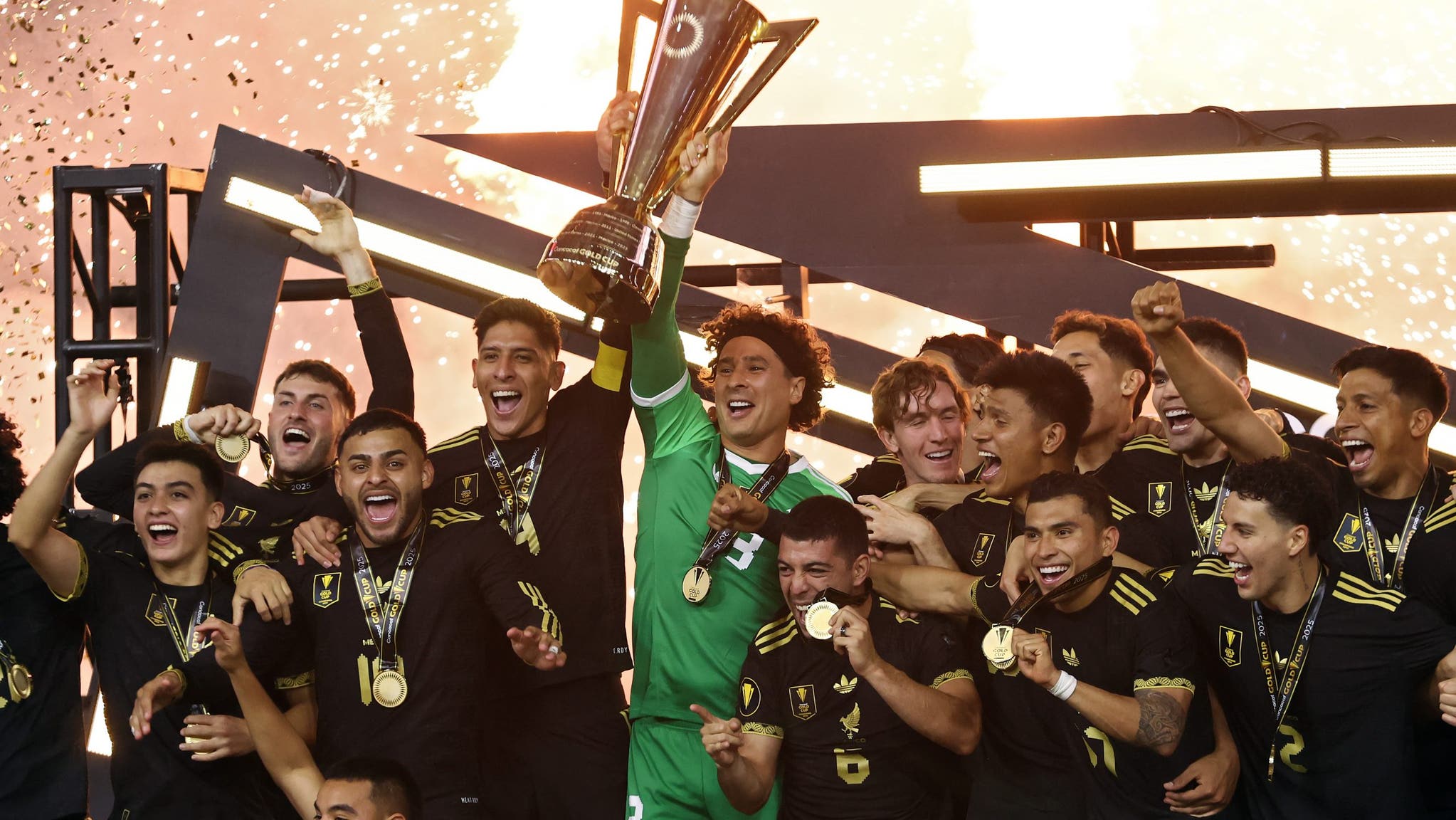
The United States men’s national team will have to navigate a radically different group stage to win its first Concacaf Gold Cup since 2021.
Concacaf unveiled the new format on Thursday for the 2027 edition of the tournament.
The Gold Cup will still feature 16 teams, but the group stage will no longer be split into four groups of four.
Instead, the 16 teams will be divided into two groups of eight.
Each team will play four group-stage matches instead of three.
The top four teams from each group will advance to the quarterfinals.
That means half the field still makes the knockout rounds, but the path is longer and more grueling.
The tournament is scheduled to run from June 17 through July 11, 2027.
The draw will take place on April 8, 2027.
Fifteen of the 16 teams will qualify through the Gold Cup preliminary round, which is tied to the Concacaf Nations League.
Saudi Arabia will join as the guest nation, making it the 16th team.
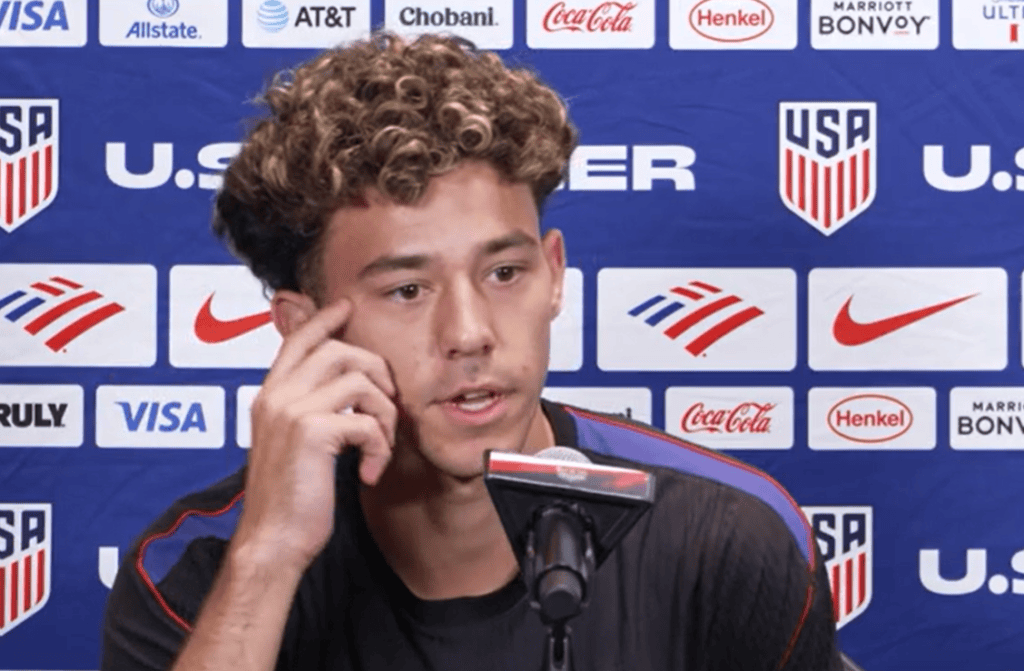
“The Gold Cup is our region’s premier men’s national team competition, and we are really excited about what this new format will bring to the tournament’s Group Stage,” said Concacaf president and FIFA vice president Victor Montagliani.
“Our fans want to see the best teams in our region compete against each other, and this format will create more opportunities for those matchups to happen earlier in the competition.”
Montagliani added: “At the same time, every match will matter, with teams facing a balanced mix of opponents and competing for a place in the knockout rounds. We believe this will make for a more competitive and exciting Gold Cup from the very first match through to the Final.”
The new format uses a ranking-band system to determine group-stage matchups.

The eight teams in each group will be organized into four tiers of two teams each.
Every team will face one opponent from each tier.
A predetermined fixture matrix will ensure that each team plays a balanced schedule.
The goal is to prevent a situation where two strong Concacaf sides essentially block others from advancing.
Montagliani said the change is designed to produce bigger matchups earlier in the tournament.
Under the old format, the strongest teams often did not meet until the quarterfinals or later.
Now, a team like the USMNT could face Mexico, Canada, or Costa Rica in the group stage.
The knockout stage format remains unchanged.
The four teams advancing from each group will be placed into a single bracket.
The highest-finishing teams in each group will face the lower-finishing teams from the opposite group.
There will be no reseeding after the quarterfinals.
The semifinal pairings will be determined by the quarterfinal results.
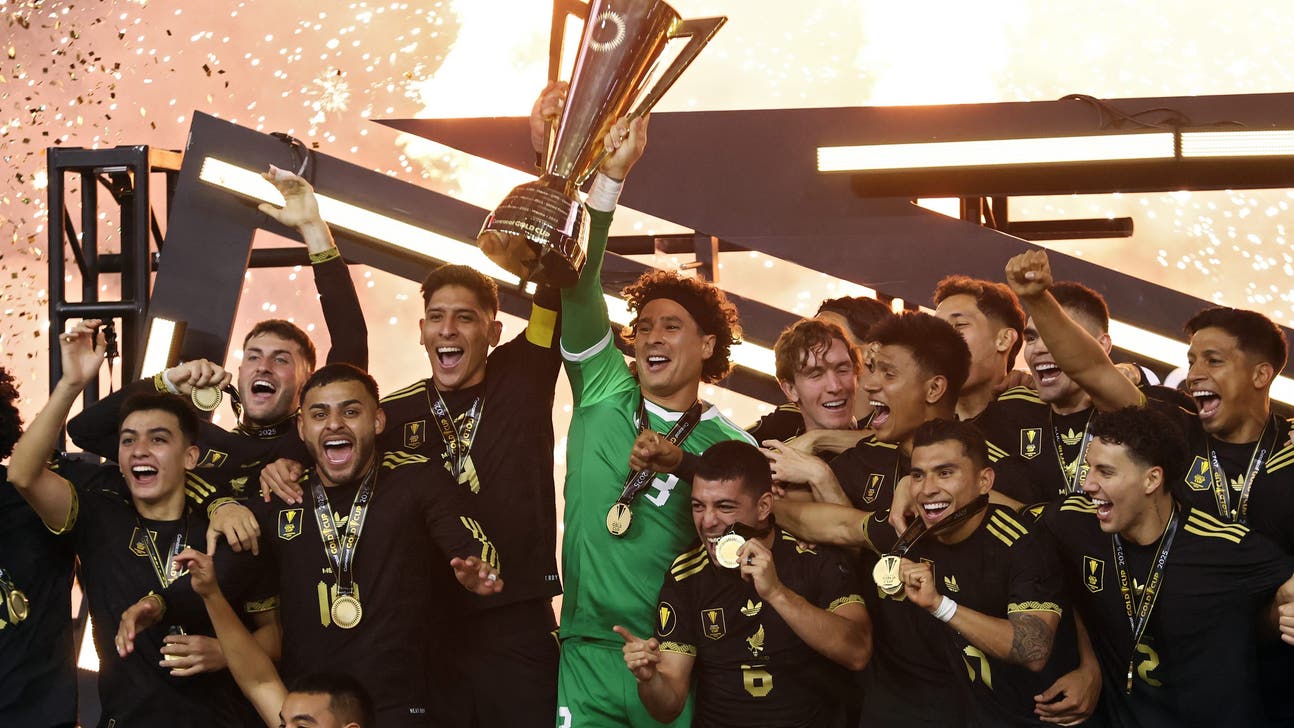
The 2025 Gold Cup was won by Mexico, which beat the USMNT 2-1 in the final in Houston.
That was the USMNT’s second consecutive loss in the Gold Cup final.
The USMNT has not won the Gold Cup since 2021, when it defeated Mexico in extra time in the final.
Mexico’s victory in 2025 was its first Gold Cup title under head coach Rafael Márquez.
The 2027 tournament is expected to have at least some games in the United States.
Nothing has been officially confirmed, but the Gold Cup is expected to return to Mexico as well.
Puebla’s Estadio Cuauhtémoc, which recently hosted Concacaf U-20 World Cup qualifiers, is among the potential venues.
The new format guarantees every team at least four matches, up from three in the previous format.
That adds one extra game per team in the group stage.
For the USMNT, the change means a longer group-stage grind before the knockout rounds.
It also means more opportunities for injuries or fatigue to affect the squad.
But it also means more chances to build momentum and test depth against a wider range of opponents.
The format change was announced by Concacaf on November 5, 2026.
It applies only to the 2027 edition and future Gold Cup tournaments.
The USMNT will learn its group-stage opponents on April 8, 2027.
The tournament kicks off on June 17, 2027, and runs for just under a month.
The final is scheduled for July 11, 2027.
Concacaf said the new format will make the group stage “more competitive and exciting.”

The governing body said it expects the change to produce more attractive games for fans from the start of the tournament.
Under the old format, the group stage often featured lopsided matchups between regional powers and smaller nations.
The new format is designed to reduce those mismatches by ensuring a balanced mix of opponents for every team.
Montagliani said the change reflects what fans have been asking for.
“Our fans want to see the best national teams in our region face each other,” he said.
The format change is the most significant structural overhaul to the Gold Cup in decades.
The Gold Cup has used a four-group format since the tournament expanded to 16 teams in 2003.
The new two-group format is a return to a structure used in the early years of the competition.
From 1991 to 2002, the Gold Cup used two groups of six or eight teams, depending on the edition.
Concacaf said the change was driven by a desire to increase the quality and competitiveness of the group stage.
The USMNT will be looking to avenge its 2025 final loss to Mexico.
The USMNT has not beaten Mexico in a Gold Cup final since 2021.
The USMNT’s last Gold Cup title came in 2021, when it won the tournament on home soil.
The USMNT has won the Gold Cup seven times, tied with Mexico for the most titles.
The 2027 Gold Cup will be the first major test for the USMNT under its current coaching staff.
The team will also be preparing for the 2026 FIFA World Cup, which the United States will co-host.
The Gold Cup is the premier men’s national team competition in the Concacaf region.
The tournament has been held every two years since 1991.
The 2027 edition will be the 18th edition of the Gold Cup.
The format change is the biggest story surrounding the tournament ahead of the draw.
Fans and analysts will be watching closely to see how the new format affects the USMNT’s chances.
The USMNT will need to finish in the top four of an eight-team group to reach the quarterfinals.
That means the margin for error is smaller than in the old format, where the top two from each of four groups advanced.
In the old format, a team could lose one match and still advance comfortably.
In the new format, with four teams advancing from an eight-team group, a team could lose two matches and still advance.
But the competition within the group will be tougher, because every team plays a balanced schedule.
The new format rewards consistency over the entire group stage.
It also punishes teams that start slowly, because every match matters for positioning.
The USMNT will need to be sharp from the first match to secure a favorable knockout-round path.
The top two finishers in each group will face the bottom two finishers from the opposite group in the quarterfinals.

That creates an incentive to finish as high as possible in the group standings.
The USMNT’s path to the final will be determined by its performance in the group stage.
The new format adds an element of unpredictability to the tournament.
With two large groups, the potential for upsets and chaos increases.
A lower-ranked team could finish in the top four and reach the knockout rounds.
A higher-ranked team could slip up and miss the quarterfinals entirely.
The format change is a gamble by Concacaf to make the Gold Cup more compelling.
The governing body is betting that fans will respond to a more competitive group stage.
The early reaction from fans and media has been mixed, with some praising the change and others questioning it.
Concacaf will be watching the 2027 tournament closely to see if the new format delivers on its promise.
The USMNT will be one of the teams to watch in the new format.
The team has a deep pool of talent and a strong track record in the Gold Cup.
But the new format presents new challenges that the team will need to overcome.
The USMNT’s coaching staff will need to adjust its preparation and strategy for the longer group stage.
The team will need to manage its squad carefully to avoid burnout.
The USMNT’s path to the 2027 Gold Cup title just got a lot more complicated.
Advertisement
You may also like

NBA champion Steve Kerr trolls Donald Trump with a savage jab
Golden State Warriors head coach Steve Kerr took a sharp, humorous jab at President Donald Trump during his Wednesday media availability, referencing a campaign…

John Cena’s subtle salute to Gunther after his return
John Cena made a surprise appearance on the Oct. 30, 2026 edition of WWE NXT. As he walked to the ring, he stopped in…

Braden Smith Makes NBA Debut With the Pacers
Purdue basketball alum Braden Smith makes NBA debut with the Pacers. Braden Smith, the former Purdue Boilermakers guard, stepped onto an NBA floor for…

Red Wings vs. Golden Knights Live Score and Game Updates
NHL.LIVE: Detroit Red Wings vs Vegas Golden Knights LIVE STREA.MS NHL Game On TV Coverage 6 Nov 2026. Puck drop is set for 7…

Business leaders face a tough choice with workplace monitoring.
Big Brother 2026 has officially crowned a winner. Rochelle took the title on the live final, hosted by AJ Odudu and Will Best on…

WWE Plans Huge 30th Anniversary Celebration for The Rock
WWE is planning to celebrate 30 years of The Rock this month. Plans include a commemorative championship belt. Special merchandise releases are also in…