USPTO Rejects WWE Application To Trademark Randy Orton's RKO Over RKO Pictures Dispute
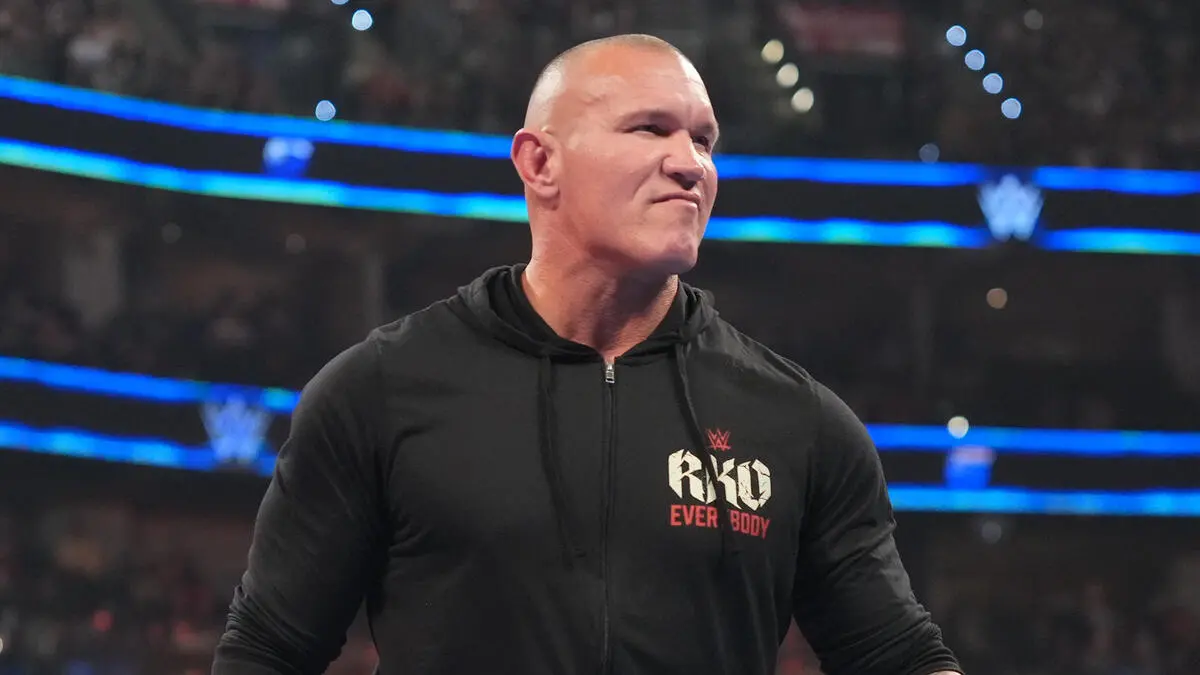
The USPTO rejected WWE's application to trademark Randy Orton's finisher 'RKO' after an examiner cited six trademarks owned by classic film studio RKO Pictures.
This decision marks another major legal hurdle in WWE's ongoing quest to secure exclusive ownership over the three-letter phrase.
For more than two decades, the maneuver has served as the defining weapon of Randy Orton's legendary career.
Every wrestling fan knows the famous acronym as the prelude to a sudden, match-ending strike inside the squared circle.
Yet outside the wrestling arena, the letters carry an entirely different historical weight in the entertainment industry.
The United States Patent and Trademark Office issued a formal non-final action this week that blocked WWE's latest attempt.
Federal trademark examiners determined that the proposed wrestling mark creates a potential likelihood of confusion with existing commercial registrations.
At the center of that conflict stands RKO Pictures, a landmark film production and distribution house from Hollywood's Golden Age.
ANOTHER SETBACK IN FEDERAL REGISTRATION
This week's official rejection represents the second time that WWE's application for this specific category has been turned down by government examiners.
Fightful first reported that WWE received the adverse legal decision on Tuesday following a comprehensive federal review.
The core justification from the government examiner mirrored the exact legal reasoning delivered during WWE's previous filing attempts.
In the official refusal notice, the trademark examining attorney identified six distinct trademarks currently maintained by RKO Pictures.

Among those cited properties is an active trademark that consists solely of the three standalone letters RKO.
Because WWE submitted an identical three-letter mark, the reviewing attorney determined that the visual and textual elements could not be separated.
The USPTO explained the fundamental similarity directly within the formal documentation provided to the sports entertainment company.
"Applicant’s and registrant’s marks all share the sole or dominant literal element ‘RKO,’ one of registrant’s marks is in typed form and is identical to applicant’s mark."
Under federal trademark evaluation standards, identical literal phrasing across related commercial categories presents an immediate barrier to approval.
Examiners are legally required to prevent any situation where general consumers might assume two separate entities are affiliated.
THE HOLLYWOOD LEGACY OF RKO PICTURES
To understand the legal opposition, one must look at the deep history behind the trademark holder cited by the government.
RKO Pictures stands as one of the most famous cinematic institutions in American entertainment history.
Founded during the studio era, the company distributed some of the most critically acclaimed motion pictures ever produced.
Among its most renowned cinematic achievements is the 1941 masterpiece "Citizen Kane," widely regarded as a pinnacle of American filmmaking.
The historic studio was also responsible for distributing holiday classics, including the beloved 1946 release "It’s a Wonderful Life."
Because RKO Pictures holds established registrations in entertainment, television, and film, federal authorities closely protect those existing assets.

The trademark office determined that WWE's proposed services overlap too closely with the legacy studio's protected entertainment footprint.
When trademark rights have been exercised and protected for decades, new applicants face a steep legal burden when trying to claim identical lettering.
BROADCAST AMBITIONS MEET LEGAL ROADBLOCKS
WWE's latest trademark application was not intended for a simple niche project or physical athletic equipment.
The sports entertainment giant filed the paperwork specifically to cover professional wrestling programming across multiple broadcast mediums.
The company sought formal trademark protection for wrestling shows distributed through traditional television, radio, and internet channels.
Because wrestling programming blends athletic competition with scripted dramatic presentation, the USPTO evaluates it under broad entertainment standards.
Federal regulators concluded that wrestling shows on television and digital platforms could easily be confused with film and general entertainment programming.
In addition to rejecting the application, the USPTO posed a fundamental question to WWE's legal department.
The examining attorney formally asked WWE to explain whether the term "RKO" carries any unique or specific meaning in pro wrestling.
That inquiry gives WWE an opportunity to build an evidentiary record explaining why wrestling fans view the phrase uniquely.
Within sports entertainment, the letters famously represent both Randy Keith Orton and his signature jumping cutter maneuver.
Establishing that distinct cultural association in a court of law, however, requires rigorous legal argument and demonstrable consumer evidence.

A TWO-YEAR PROCEDURAL STRUGGLE
The current dispute between WWE and the legacy studio represents the continuation of a multi-year administrative battle.
WWE first engaged in formal trademark proceedings over the letters for broadcast purposes starting back in 2024.
The company submitted its initial application for the television and wrestling entertainment classification in November 2024.
That initial filing met strong government resistance and culminated in a final refusal from the USPTO in January.
Rather than abandoning the trademark pursuit, WWE regrouped and prepared a refreshed legal strategy.
The company submitted a brand-new application to the trademark office on July 6 to restart the process.
Federal examiners spent 120 days reviewing the newly submitted July documentation before issuing their formal determination.
On Tuesday, the government concluded that the revised submission failed to cure the underlying likelihood of consumer confusion.
WWE has now spent nearly two full years attempting to gain trademark rights for the finisher's name in broadcast categories.
THE LONG ROAD TO MERCHANDISE RIGHTS
While WWE faces severe headwinds regarding television and internet programming, its trademark history with the term is not entirely empty.
The company does currently hold an active, registered federal trademark for "RKO" in the merchandise and apparel category.

Securing that single retail registration, however, was also a remarkably lengthy and challenging endeavor for the company.
WWE originally submitted its application for "RKO" clothing and merchandise all the way back in March 2019.
That commercial application languished in regulatory reviews and procedural back-and-forth for more than five years.
The USPTO finally granted registration for the clothing mark in May 2024 after half a decade of persistence.
That previous victory proves that WWE is willing to commit to extended administrative battles to protect its intellectual property.
However, trademark law separates merchandise from broadcast entertainment, making the current fight an entirely independent legal challenge.
WHAT HAPPENS NEXT BEFORE THE 2027 DEADLINE
Despite the direct language in this week's rejection, the current USPTO ruling does not represent the definitive end of the case.
The action issued by the trademark examining attorney is classified as a non-final refusal under administrative regulations.
WWE has been provided a designated response window to present counterarguments and legal evidence to overcome the examiner's objections.
The company has until February 3, 2027, to officially file its formal response with the patent and trademark office.
Should the company require additional preparation time, procedural rules allow WWE to pay a fee to secure a three-month extension.
During this response phase, WWE's intellectual property attorneys will need to demonstrate that wrestling audiences are distinct from classic movie consumers.
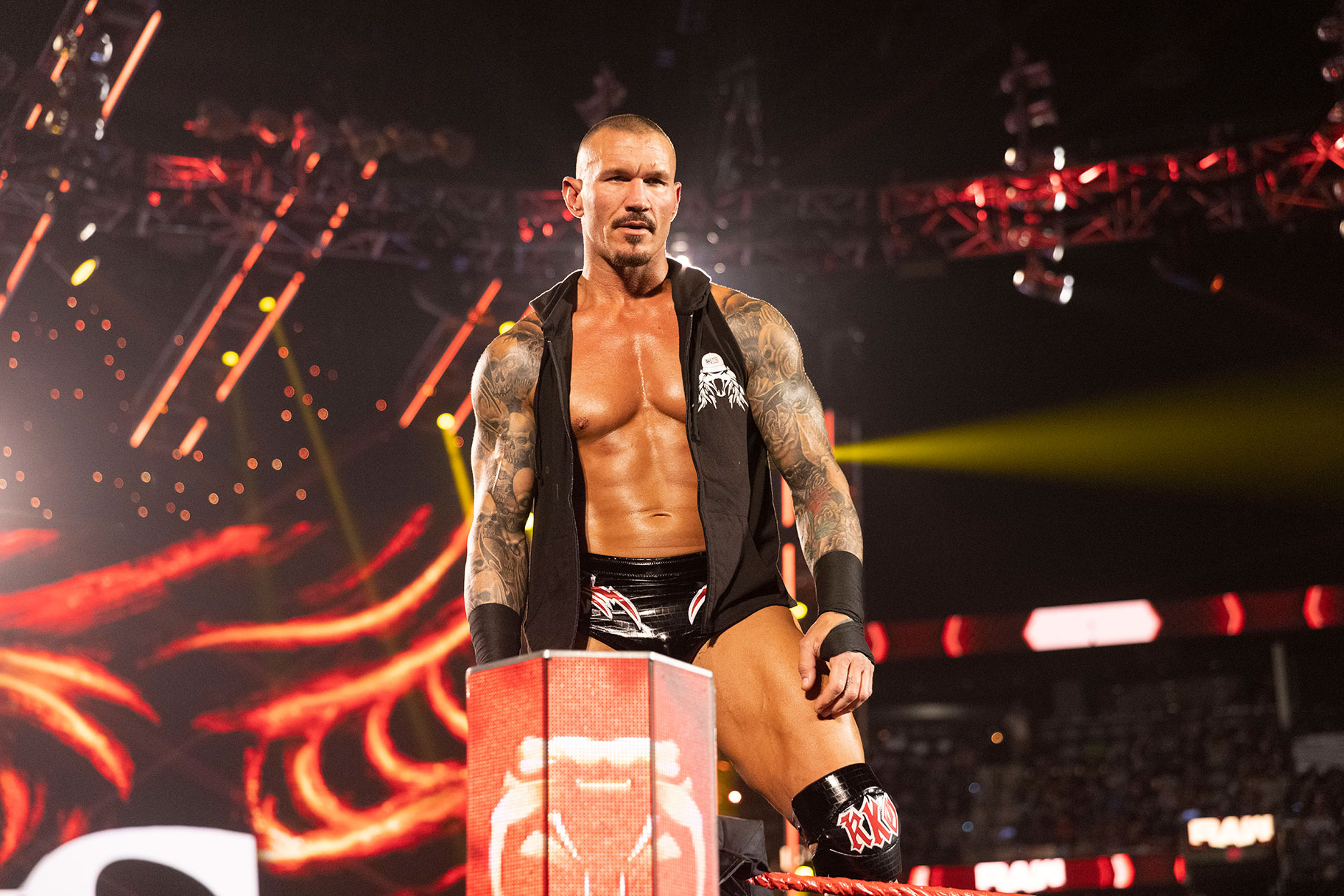
They must establish that modern consumers seeking wrestling programming will never mistakenly believe the content originates from RKO Pictures.
If WWE fails to convince the reviewing attorney, the trademark office will issue a final refusal, forcing an appeal or total abandonment.
WIDER INTELLECTUAL PROPERTY MOVES
This high-profile dispute comes amid a very active period of trademark management across WWE's corporate structure.
The company regularly submits new applications to lock down character names, finishing maneuvers, and upcoming talent brands.
In recent filings, WWE also applied for trademarks covering the original character names Kato Sykes and Serena Thorn.
The Kato Sykes name is designated for independent wrestler Conan Lycan, who joined the newly established WWE ID program.
Lycan previously gained public notoriety after appearing on an Amazon reality competition program hosted by YouTube creator MrBeast.
While the intended recipient of the Serena Thorn moniker remains unconfirmed, these filings highlight the relentless pace of corporate branding.
Yet securing new wrestler monikers remains far simpler than claiming exclusive rights to legacy acronyms shared with historic Hollywood studios.
For now, Randy Orton will continue delivering the legendary maneuver across worldwide arenas without absolute federal trademark ownership over the broadcast name.
The coming months will determine whether WWE can successfully argue its case before the deadline arrives in early 2027.
Do you think there is any realistic chance a wrestling fan confuses Randy Orton's finisher with the studio behind Citizen Kane?
Advertisement
You may also like
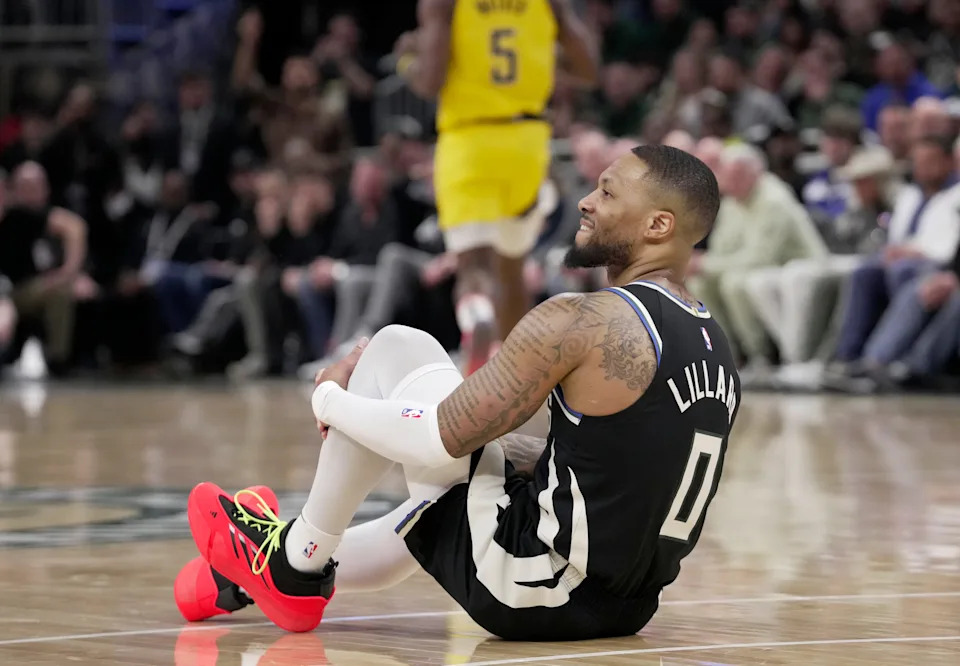
Damian Lillard Confronts Dillon Brooks After Dangerous Contact To Repaired Achilles That Cost Him A Year
Damian Lillard was playing in just his seventh game back after missing the entire 2025-26 season rehabbing the left Achilles tendon he completely ruptured…
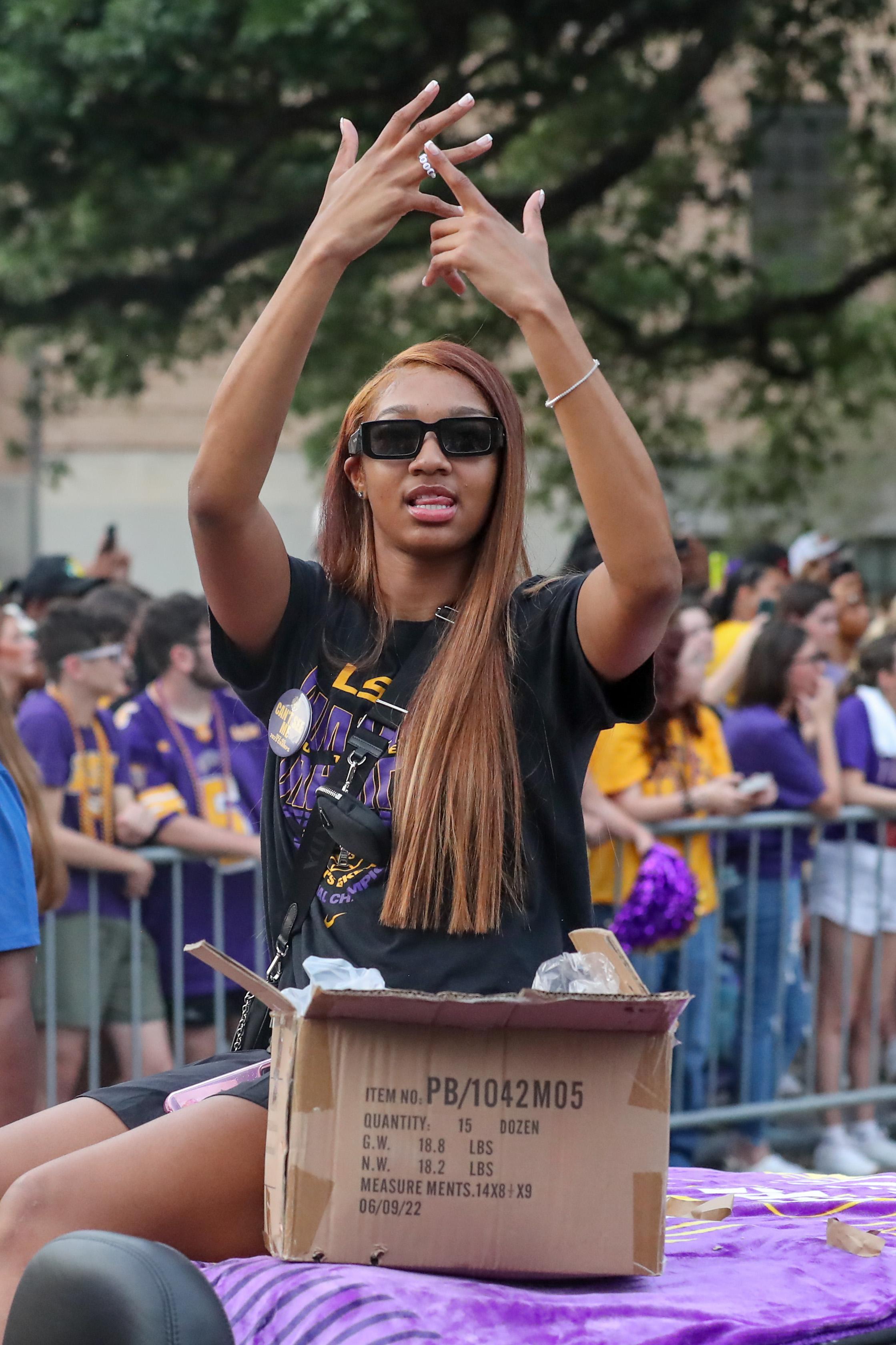
Aminata Gueye and Tiffany Hayes Sparked Angel Reese Trolling Right After Game 7
The mocking of Angel Reese did not start at the parade. It began immediately after Game 7 when Valkyries forward Aminata Gueye and guard…
LIV 2.0 Collapses as League Secures Only 30 of the 40 Players Required by Backers
Potential backer BC Partners required roughly 40 players to commit to LIV 2.0, but the tour only managed to secure around 30 sign-ups with…
Is Rick Barnes Entering His Final Season As Tennessee Chases Its First Final Four?
As Rick Barnes embarked on his 12th season as Tennessee's head coach, sports radio discussions immediately shifted to whether this campaign could mark his…
Lee Westwood Admits He Is Unemployed After Rejecting LIV 2.0 But Has Zero Regrets
Lee Westwood confirmed he is currently unemployed after turning down LIV 2.0, while asserting that he would have been stupid to decline the massive…
BC Partners Pulls Out Of $300M Deal, Pushing LIV Golf Into Bankruptcy Liquidation
Private credit firm BC Partners has pulled out of a proposed $300 million deal to finance LIV 2.0, effectively leaving the tour to be…