USPTO Tasks WWE To Explain What Randy Orton's Iconic RKO Actually Means In Wrestling
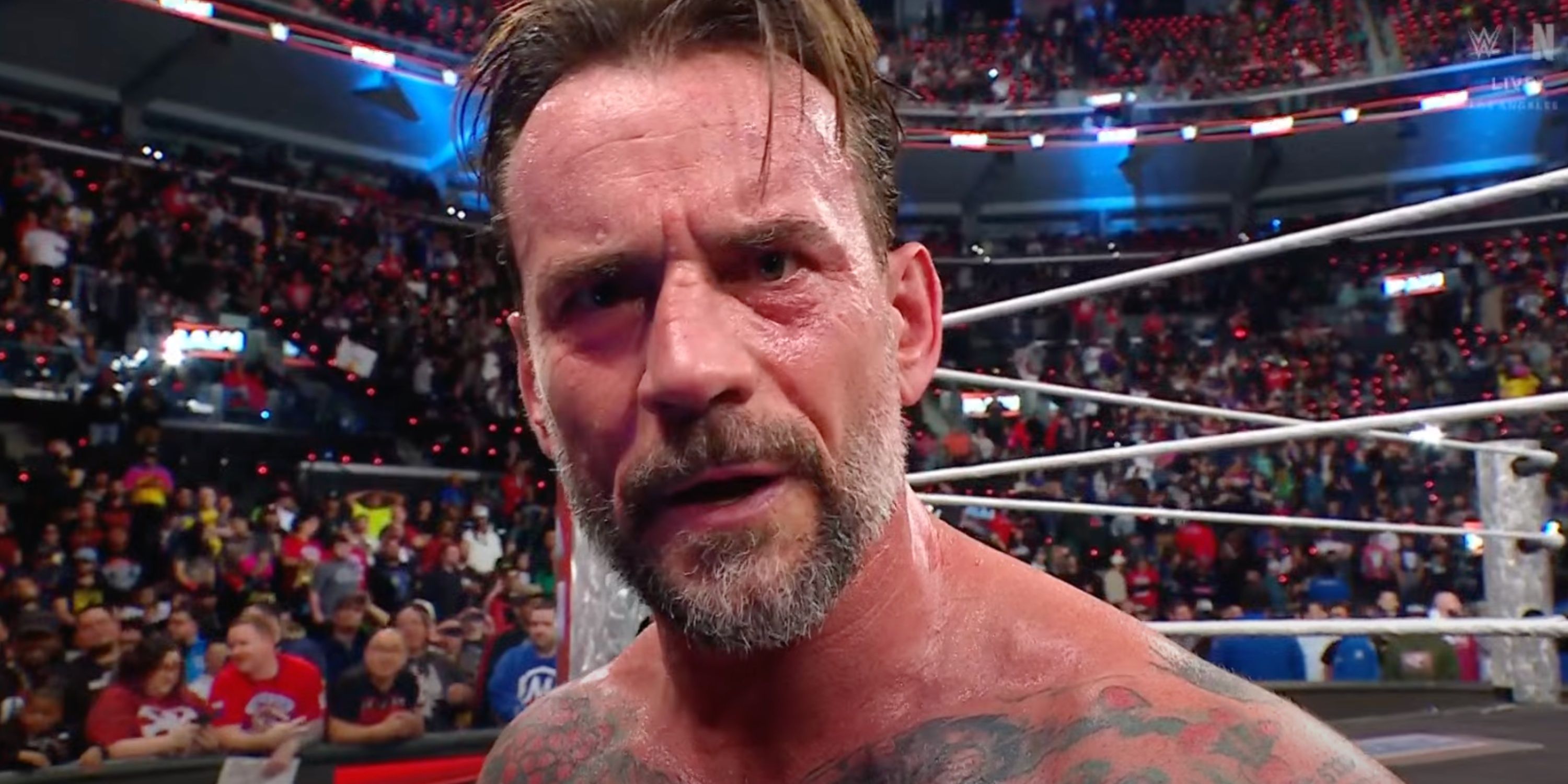
The United States Patent and Trademark Office has officially tasked WWE with explaining whether the letters 'RKO' carry any specific meaning within professional wrestling.
That formal inquiry arrived as part of a newly issued legal roadblock against the sports entertainment giant.
Federal trademark regulators are currently scrutinizing WWE's commercial claim over the famous three-letter designation.
The agency issued a non-final refusal against WWE's trademark application on November 3, 2026.
At the core of the issue sits a direct clash with classic Hollywood entity RKO Pictures.
Federal examining attorneys determined that the wrestling company's application threatens to create a likelihood of confusion among consumers.
The trademark office addressed the overlapping wording directly inside the official filing.
"Applicant's and registrant's marks all share the sole or dominant literal element ‘RKO,' one of registrant's marks is in typed form and is identical to applicant's mark."
Because the letters match identical text, federal regulators want substantive evidence from WWE.
WWE must now formally clarify the precise significance of the term inside the context of professional wrestling.
THE ROOTS OF A WILD TRADEMARK BATTLE
The dispute centers on the name of Randy Orton's celebrated finishing maneuver.
For decades, Orton has dropped opponents across the world with the sudden, high-impact maneuver.
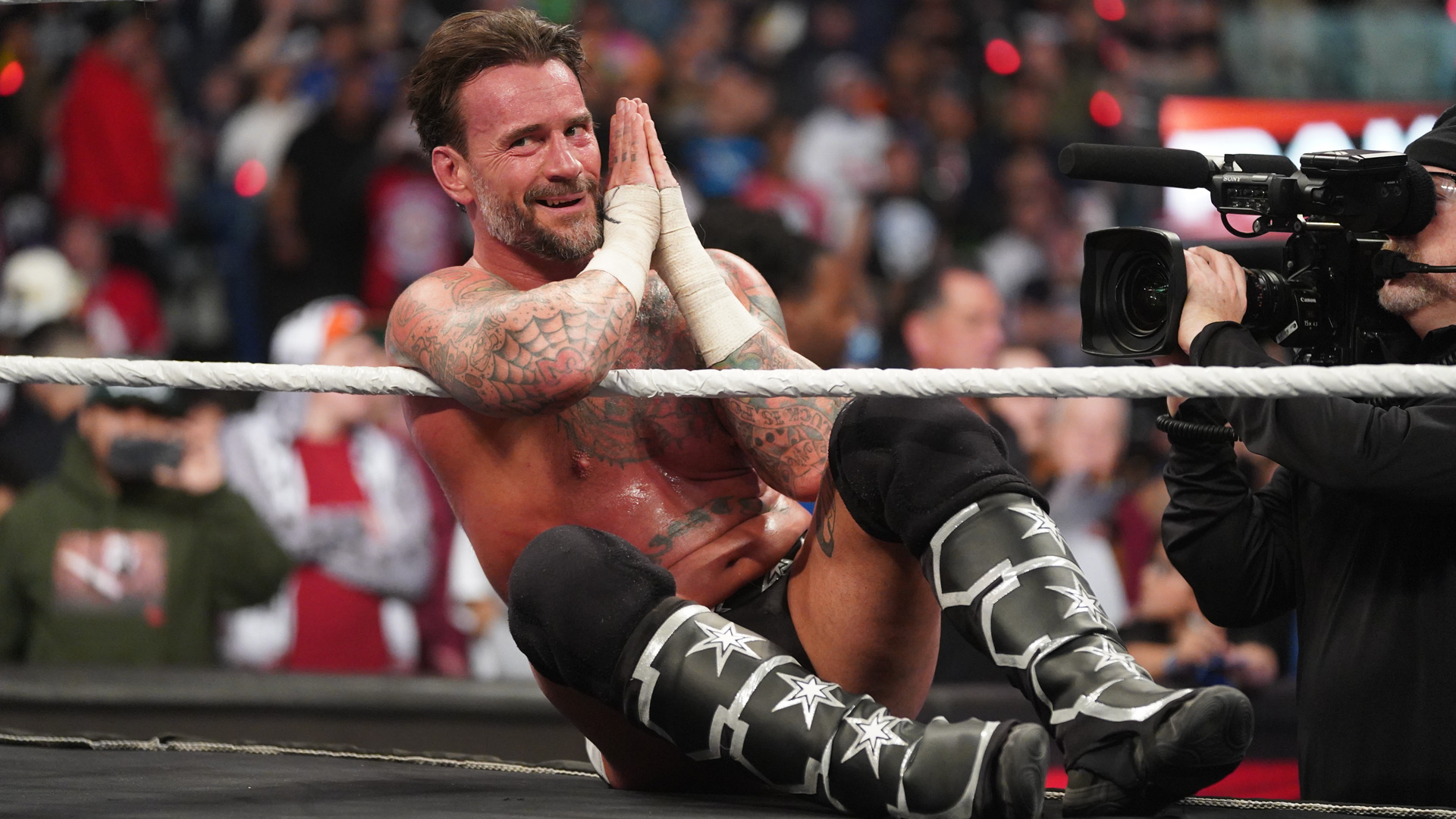
The move has evolved into one of the most recognizable cultural brands in modern sports entertainment.
WWE has long built promotional storylines, viral social media campaigns, and television broadcasts around the maneuver.
Yet securing comprehensive federal trademark protection over those three letters has proven to be an uphill legal fight.
The current conflict with RKO Pictures has been brewing since 2024.
WWE had submitted a previous application for the mark back in November 2024.
That initial push ran into immediate friction with legal registrations held by the film studio.
The trademark office handed WWE a final refusal on that earlier attempt in January 2026.
Undeterred by that setback, WWE returned to the federal office with a revised filing on July 6, 2026.
HOLLYWOOD ROOTS VERSUS PRO WRESTLING
WWE's latest filing specifically sought trademark protection for wrestling-related purposes and broader entertainment services.
The company requested coverage for wrestling exhibitions and performances broadcast across television, radio, and online platforms.
The July 2026 application also sought protection for wrestling news and informational services distributed over the internet.
However, trademark examining attorneys pointed straight to the longstanding commercial footprint of RKO Pictures.

RKO Pictures stands as one of the most storied brands in American cinema history.
The studio has historically been involved in the distribution of foundational Hollywood masterworks like Citizen Kane and It's A Wonderful Life.
Because of that entertainment history, RKO Pictures holds six existing trademark registrations on file.
The federal trademark attorney determined that those cinema registrations directly conflict with WWE's entertainment ambitions.
In trademark law, examiner reviews routinely weigh whether overlapping marks operate in closely related commercial channels.
Both WWE and RKO Pictures deliver public entertainment content to viewers through screens and broadcasting networks.
Because both entities operate under entertainment classifications, regulators fear ordinary consumers could confuse the origin of the services.
THE CURRENT MERCHANDISE REALITY
The current legal roadblock does not wipe out WWE's entire footprint with the term.
WWE already owns existing trademark registrations covering RKO merchandise.
Fans regularly purchase official shirts, apparel, and souvenirs featuring the RKO lettering from WWE's retail shop.
Those existing product trademarks remain active while the entertainment dispute unfolds.
The company is permitted to continue selling merchandise branded with the letters throughout the ongoing legal process.

However, WWE's efforts to expand its legal perimeter into broad broadcast and exhibition protection remain stalled.
Securing performance and broadcast rights would give WWE tighter control over how the phrase is protected across international media.
Without approval for performance services, the company faces persistent vulnerability regarding its primary intellectual property.
Randy Orton himself will not be forced to abandon or rename his signature maneuver on live programming.
Orton has delivered the move safely under the WWE umbrella throughout the majority of his professional career.
Yet the commercial boundaries surrounding the term remain unsettled in the eyes of the federal government.
WHAT THE USPTO WANTS WWE TO PROVE
The federal examiner has presented WWE with a specific legal question to resolve before any approval can happen.
Regulators have asked WWE to explain whether RKO carries any particular meaning inside the professional wrestling industry.
WWE's legal counsel must craft an argument explaining how wrestling fans interpret the term.
In standard trademark practice, acronyms and industry terms must be defined so examiners understand their descriptive or distinctive nature.
WWE must show whether the phrase functions as a unique brand identifier rather than an infringement on existing studio rights.
To fans around the world, the letters are widely understood as Orton's personal initials.
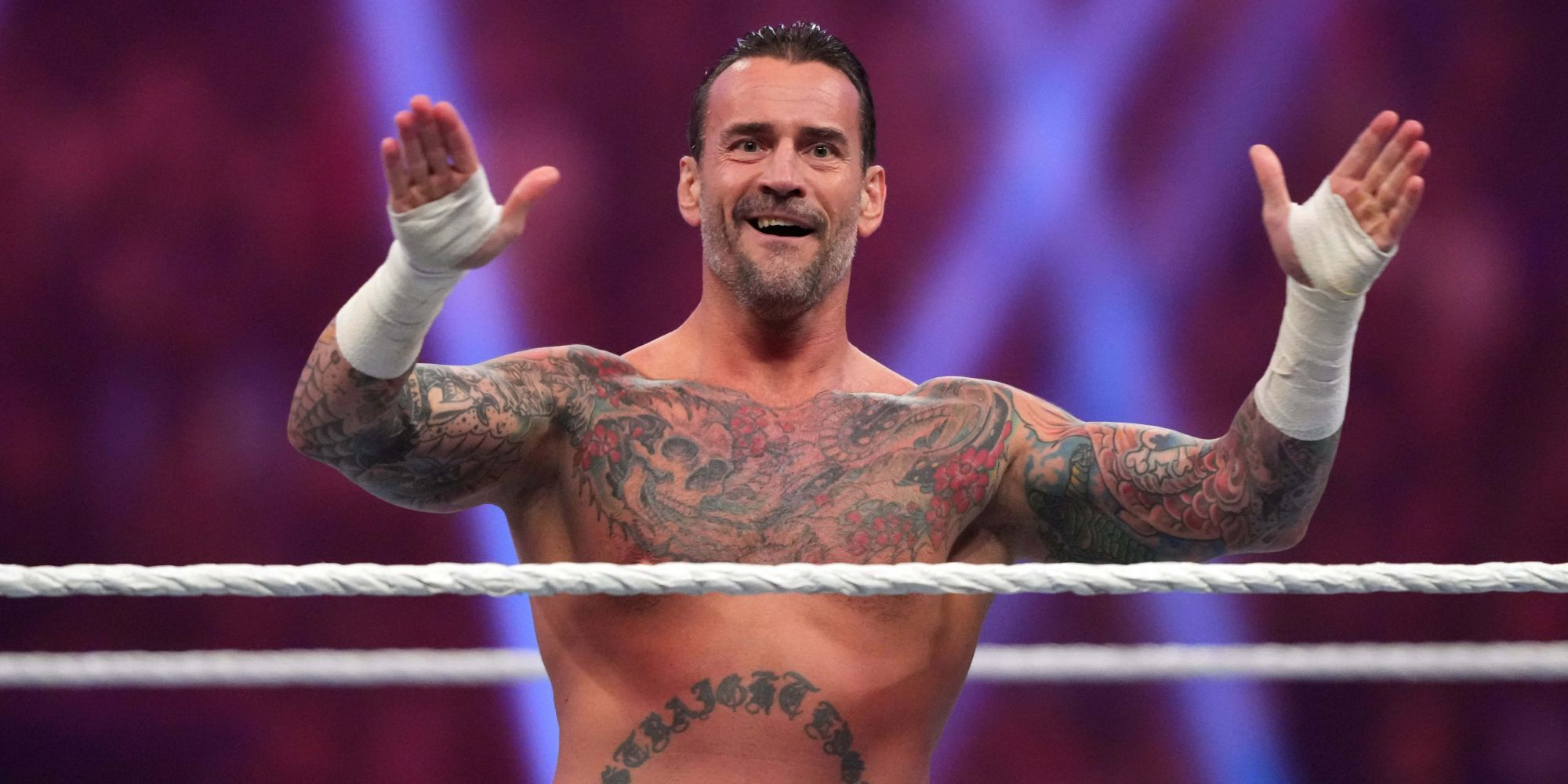
The letters represent Randal Keith Orton paired with a wrestling knockout concept.
WWE now faces the task of putting that wrestling heritage onto formal legal paper for government review.
The company must build an evidentiary record showing that audiences do not mistake the move for a classic Hollywood film company.
Evidence in such proceedings often includes broadcast clips, public reception data, and proof of commercial exclusivity.
WWE must persuade the examiner that pro wrestling fans immediately associate the letters with ring performances rather than cinema.
THE LEGAL TIMELINE AND NEXT STEPS
The rejection issued on November 3, 2026, is officially classified as a non-final action.
A non-final action gives the applying party a chance to submit rebuttals and legal arguments.
The trademark office has granted WWE until February 3, 2027, to issue its formal response.
That window gives WWE's corporate legal team roughly three months to compile its evidentiary defense.
If WWE requires additional time to assemble wrestling documentation, options exist.
The company holds the procedural option to pay for a three-month extension of the response deadline.
Should WWE successfully argue its case, the trademark office could lift the refusal and publish the mark.
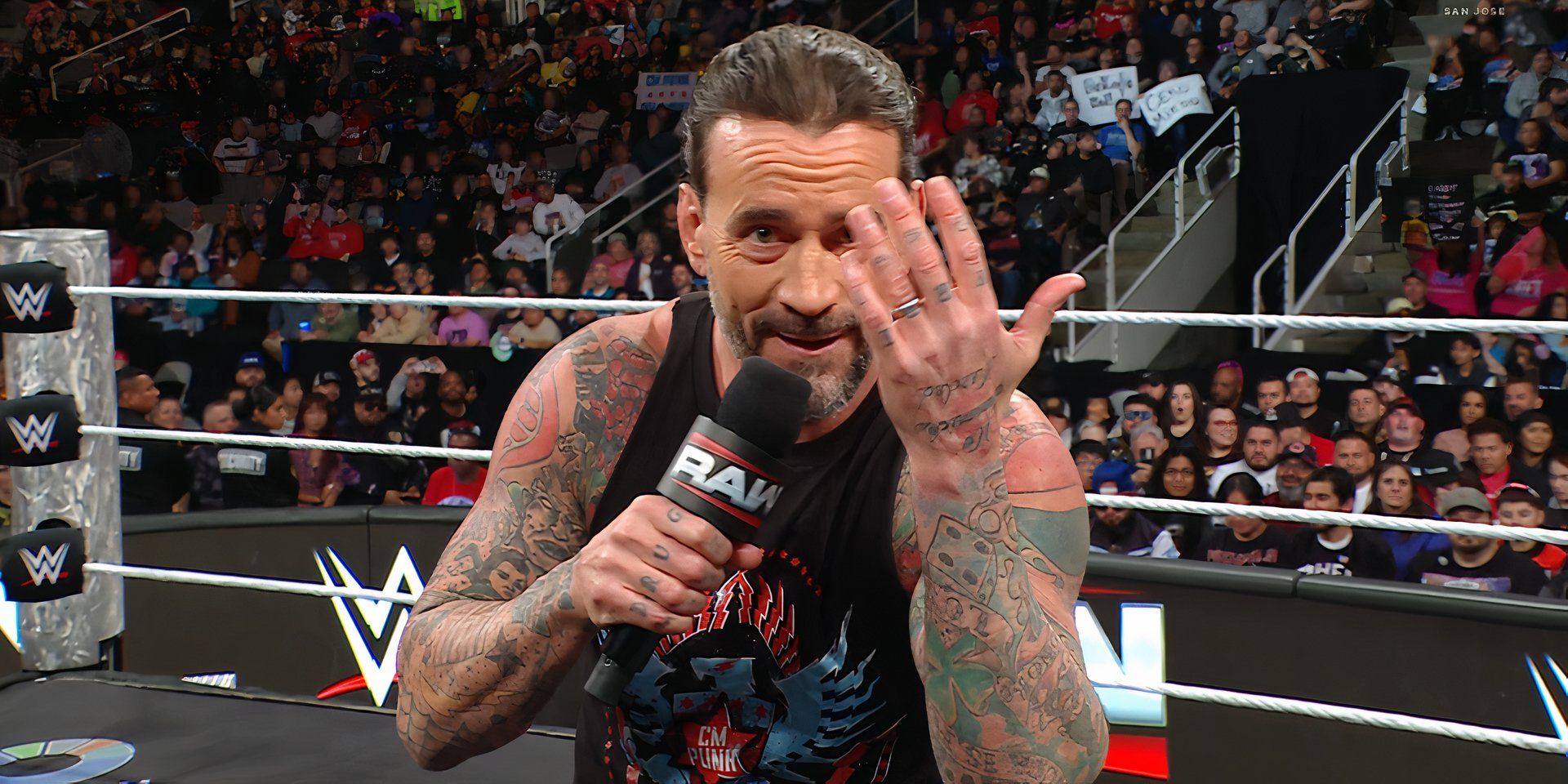
If the trademark office rejects WWE's explanation, a final refusal will follow.
A final refusal would force WWE to decide whether to abandon the application or file an administrative appeal.
Appeals from final refusals move before the Trademark Trial and Appeal Board.
For now, the legal battle remains active inside the examination phase.
THE SQUARED CIRCLE CONTINUES UNINTERRUPTED
While corporate lawyers review paperwork in legal offices, the in-ring action marches forward without delay.
Randy Orton remains one of WWE's primary featured performers on premium live events and weekly broadcasts.
Orton is currently scheduled to face undisputed rival Cody Rhodes in a high-stakes Last Man Standing grudge match at Crown Jewel.
Audiences watching that violent collision fully expect Orton to unleash the maneuver regardless of administrative filings.
Neither federal examiners nor studio trademark claims can prevent Orton from executing his craft inside the ring.
Yet the boardroom reality behind the scenes is as fiercely contested as any championship rivalry.
WWE finds itself in the strange position of having to define wrestling tradition to federal trademark lawyers.
How would you explain the significance and legacy of the RKO in wrestling history to a federal trademark examiner?
Advertisement
You may also like
Sean Payton confirms J.K. Dobbins is still key to Broncos' plans
Sean Payton says J.K. Dobbins remains "a huge part of what we're doing" in Denver. That statement came Wednesday when reporters asked the Broncos…
Kris Jenner Breaks Silence on Kim's Scary Health Diagnosis
Kim Kardashian's ultra-plunging latex dress is so rare it will send fans wild. But behind the glamorous photo shoots and vintage Paco Rabanne looks,…
UNC Athletics Unveils Golfing Rameses Logo, Finley Collection Of Merch
The University of North Carolina Department of Athletics has introduced a new golfing Rameses logo, Carolina and deputy athletic director/chief revenue officer Rick Barakat…
Jessica Pegula Slammed as "Outrageous" After Shading Coco Gauff and Mirra Andreeva
“Jessica Pegula Should Be Banned.” “Outrageous.” That is the reaction flooding social media after a courtside microphone picked up the World No. 5 criticizing…
Perkins: Draymond Green is now more liability than asset
Kendrick Perkins has delivered a blunt verdict on Draymond Green. "Draymond Green has been more of a liability than an asset," Perkins said. The…
Adrian Meronk reveals 4 reasons LIV Golf players are leaving
LIV Golf star Adrian Meronk has revealed the four major reasons why players are leaving the embattled league. Meronk, a one-time winner on the…