WWE Hit With Legal Roadblock Over Randy Orton's RKO Due To Hollywood Film Studio
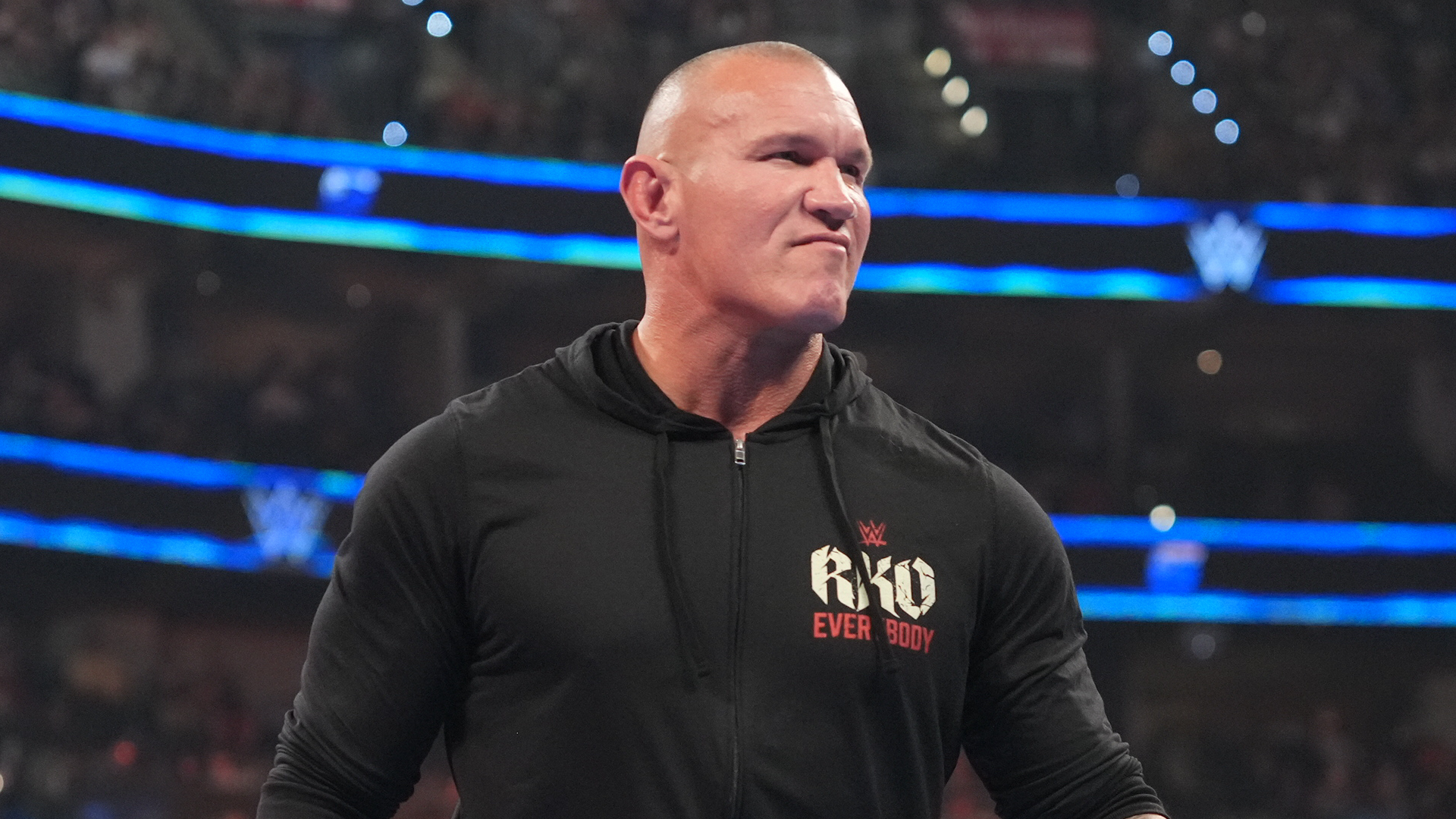
The United States Patent and Trademark Office issued a nonfinal refusal against WWE's trademark filing for 'RKO' due to potential confusion with film studio RKO Pictures.
The unexpected legal conflict pits professional wrestling's biggest promotion against one of the most storied names in cinema history.
At the center of the dispute are three famous letters that have defined Randy Orton's legendary career inside the ring.
World Wrestling Entertainment has spent years attempting to secure sweeping federal trademark protection over the acronym.
Those corporate efforts have once again run directly into a wall at the federal level.
According to reports across the industry, including coverage from The Wrestling Observer, the trademark office rejected WWE's latest attempt.
The federal agency delivered its formal determination in an official nonfinal office action dated November 3, 2026.
Regulators concluded that granting WWE exclusive entertainment rights to the letters creates a clear likelihood of consumer confusion.
THE SHADOW OF A HOLLYWOOD GIANT
The roadblock originates from classic Hollywood studio RKO Pictures.
For nearly a century, RKO Pictures has stood as a foundational brand in American motion picture history.
The studio famously handled distribution for cinematic landmarks such as Citizen Kane and It's A Wonderful Life.
Decades after its golden era, the film studio remains deeply entrenched in the entertainment industry.
More importantly for this case, the company maintains active federal trademark protections across multiple commercial categories.
The USPTO examining attorney flagged six existing registrations held by RKO Pictures as direct obstacles to WWE's filing.
Federal examiners determined that both entities are seeking to operate under the identical acronym within closely related creative spaces.
The legal filing explicitly highlighted the striking visual and textual overlap between the two brands.
“Applicant's and registrant's marks all share the sole or dominant literal element ‘RKO,' one of registrant's marks is in typed form and is identical to applicant's mark.”
Because both companies operate in media and visual storytelling, examiners determined that average consumers could easily become confused.
THE SCOPE OF WWE'S AMBITIOUS FILING
WWE submitted its latest formal trademark application to the federal registry on July 6, 2026.
This specific filing was not intended to cover physical souvenir items or general arena merchandise.

Instead, WWE targeted broader entertainment services tied directly to its core broadcasting output.
The application sought exclusive rights covering professional wrestling exhibitions and live athletic performances.
WWE also asked for protection across broadcasts distributed through traditional television, commercial radio, and modern online streaming networks.
Furthermore, the filing encompassed the delivery of ongoing wrestling news, editorial content, and multimedia information across the internet.
By seeking rights in performance and broadcasting classes, WWE entered territory that regulators consider too close to the movie studio.
The trademark office ruled that the public might mistakenly believe a connection exists between the wrestling shows and the film producer.
A REPEATED STRUGGLE IN TRADEMARK OFFICES
This recent refusal does not represent WWE's first attempt to secure the RKO moniker for wrestling performances.
The wrestling promotion previously initiated the federal registration process for the exact same entertainment services back in November 2024.
That earlier effort triggered immediate resistance from federal examiners over identical conflicts with RKO Pictures.
Following months of administrative debate, the patent office handed WWE an official final refusal in January 2026.
Undeterred by that defeat, WWE executives restructured their paperwork and submitted a fresh application in July 2026.
Now, the newly issued November nonfinal action leaves WWE fighting the very same legal battle all over again.
Beyond pointing out identical lettering, the USPTO has also demanded clear legal clarifications directly from WWE.
Examiners instructed WWE's legal team to formally explain whether the acronym RKO possesses any specific meaning inside professional wrestling.
In standard trademark evaluation, examiners frequently investigate whether applied-for terms are generic, descriptive, or uniquely distinctive to an industry.
MERCHANDISE VS IN-RING PERFORMANCES
The ongoing dispute has sparked significant concern among wrestling fans regarding the future of Orton's signature gear.
WWE has long sold countless t-shirts, hoodies, and accessories featuring the famous three letters.
Company officials and consumers should note that the current refusal does not wipe out WWE's existing commercial footprint.
WWE already holds active, separate federal trademark registrations that protect RKO on consumer merchandise.
Those product-specific protections allow the company to freely manufacture and sell apparel bearing the moniker without immediate legal peril.
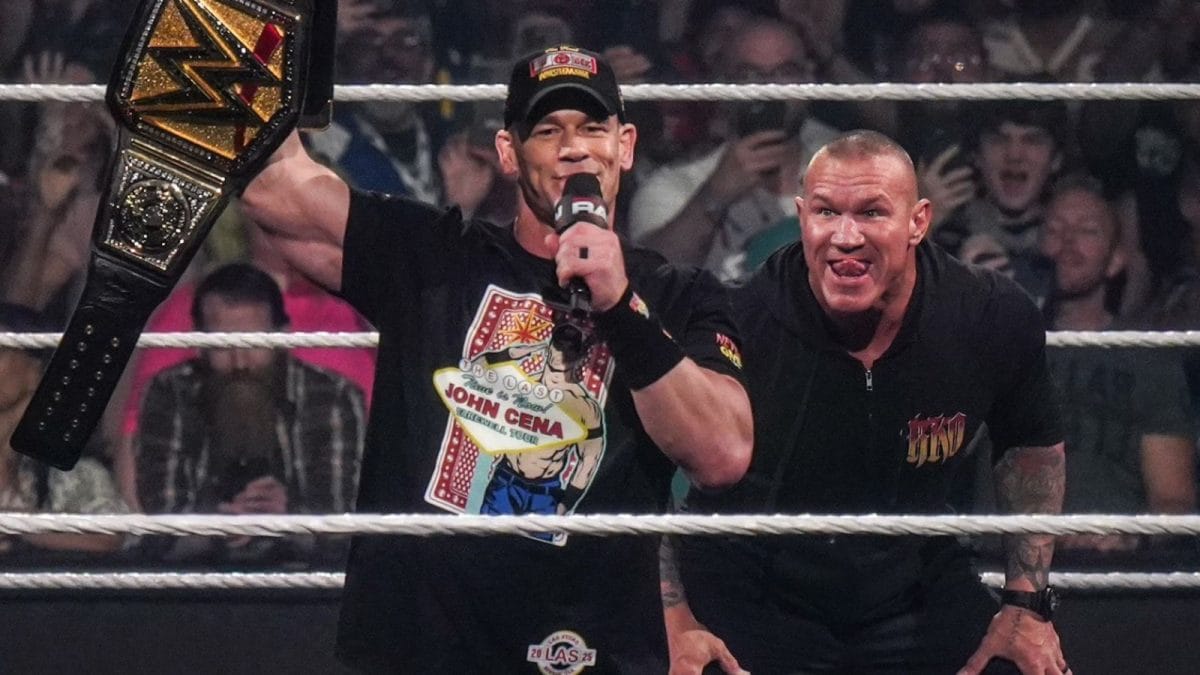
The current dispute centers strictly on the service category governing live exhibitions, broadcasts, and digital media production.
WWE's ability to market t-shirts remains intact while legal representatives handle the entertainment performance filings.
However, failure to secure broader broadcasting rights could create future complications if conflicts expand beyond the patent registry.
WHAT LIES AHEAD FOR THE VIPER
Inside the squared circle, Randy Orton remains entirely unaffected by the administrative paperwork in Washington.
Wrestling observers note that Orton will not be forced to change the name of his finishing maneuver.
For more than two decades, the leaping cutter has stood as one of the most recognized moves in professional wrestling history.
Commentators will continue to scream the name on television broadcasts regardless of whether the trademark office approves the registration.
Orton is currently preparing for one of his most physical rivalries in recent memory.
The legendary performer is scheduled to battle Cody Rhodes in a high-stakes Last Man Standing grudge match at Crown Jewel.
Audiences watching the upcoming premium live event can almost certainly expect to witness an RKO before the match concludes.
Yet while Orton focuses on in-ring combat, WWE's corporate attorneys must deal with strict federal deadlines.
THE CLOCK IS TICKING TOWARD FEBRUARY
The USPTO made it clear that the latest ruling does not represent a permanent or irrevocable termination of WWE's application.
Because the document is classified as a nonfinal refusal, WWE retains the right to submit detailed counterarguments and supporting evidence.
The federal agency officially gave WWE until February 3, 2027, to formally respond to every objection raised by the examiner.
In that forthcoming appeal, corporate leadership must convincingly prove why trademarking RKO is necessary and unique to professional wrestling.
If the company requires additional preparation time to build its legal brief, it can pay a standard fee to secure a three-month extension.
Should WWE fail to persuade the examining attorney, the application will proceed toward another final rejection.
Such an outcome would leave WWE unable to monopolize the RKO brand within live broadcasting and digital programming.
For now, the battle between a wrestling empire and an iconic Hollywood film catalog remains far from settled.
Do you think there is any real risk of wrestling fans confusing Randy Orton's RKO with an old Hollywood movie studio?
Advertisement
You may also like

NBA champion Steve Kerr trolls Donald Trump with a savage jab
Golden State Warriors head coach Steve Kerr took a sharp, humorous jab at President Donald Trump during his Wednesday media availability, referencing a campaign…

John Cena’s subtle salute to Gunther after his return
John Cena made a surprise appearance on the Oct. 30, 2026 edition of WWE NXT. As he walked to the ring, he stopped in…

Braden Smith Makes NBA Debut With the Pacers
Purdue basketball alum Braden Smith makes NBA debut with the Pacers. Braden Smith, the former Purdue Boilermakers guard, stepped onto an NBA floor for…

Red Wings vs. Golden Knights Live Score and Game Updates
NHL.LIVE: Detroit Red Wings vs Vegas Golden Knights LIVE STREA.MS NHL Game On TV Coverage 6 Nov 2026. Puck drop is set for 7…

Business leaders face a tough choice with workplace monitoring.
Big Brother 2026 has officially crowned a winner. Rochelle took the title on the live final, hosted by AJ Odudu and Will Best on…

WWE Plans Huge 30th Anniversary Celebration for The Rock
WWE is planning to celebrate 30 years of The Rock this month. Plans include a commemorative championship belt. Special merchandise releases are also in…