Duchy of Cornwall Defends 3,000-Acre Sale as Most Tenants Explore Buying Their Land
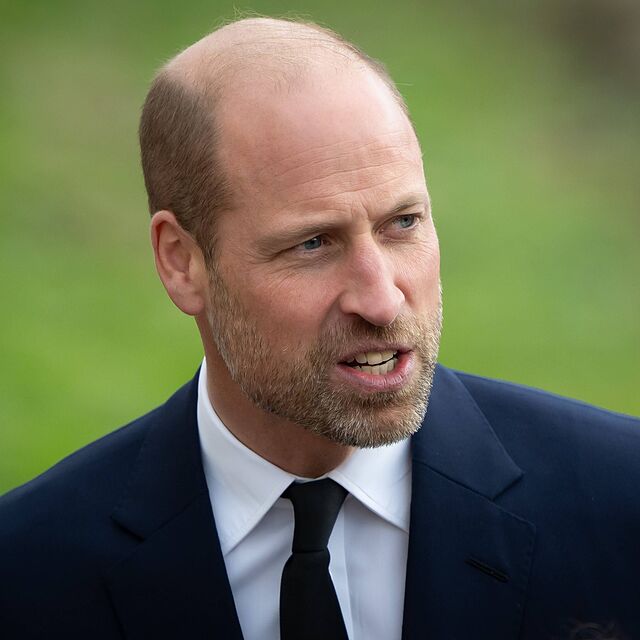
Duchy of Cornwall officials confirmed that eight out of nine farming tenants are actively exploring buying parts or all of their farms, with discounts offered based on length of tenure.
The estate has moved to clarify its position following days of intense public scrutiny.
Controversy erupted after plans were revealed to sell off the historic 3,000-acre Bradninch estate in Devon.
The sweeping rural property covers approximately 1,215 hectares of productive English countryside.
It has formed an integral part of the Duchy of Cornwall portfolio for centuries.
Now, the estate is navigating significant local unease as it works to restructure its vast holdings.
Representatives for the royal estate insist that constructive conversations are already well underway.
A spokesperson noted that officials are engaging directly with each individual household impacted by the sale.
THE BRADNINCH DISPOSAL
The formal process to dispose of the Devon estate began in March.
Initial notifications caused immense anxiety among families who have worked the ground for generations.
Under the proposed sale terms, current residents must either purchase their holdings or relocate.
Earlier reports indicated that possession orders initially gave some tenants just six months to decide their futures.
That tight timeframe provoked sharp criticism across the rural community.
Critics argued that six months offered far too little time to secure massive agricultural financing.

Farming families expressed deep fear that they would lose both their livelihoods and their homes.
The sheer scale of the sale sent shockwaves through the surrounding Devon parishes.
Bradninch represents roughly one-fifth of the total agricultural land portfolio Prince William inherited.
Selling twenty percent of such a legacy marks a major strategic departure for the royal institution.
TALKS AND DISCOUNTS
Despite the friction, Duchy representatives stress that progress is occurring behind closed doors.
Estate managers revealed that eight out of nine agricultural leaseholders are now actively examining purchase options.
A Duchy source emphasized that officials continue to hold positive and open dialogues with residents.
Every tenant on the estate has been granted the legal right of first refusal.
That guarantee ensures outside buyers cannot snap up the properties before tenants get their chance.
To make ownership viable, the Duchy has introduced a tiered structure of property discounts.
These deductions are designed to reflect the duration of time a family has lived on the land.
Discounts also take into account the specific type of tenancy agreement each resident holds.
Crucially, valuations will now credit the private capital that tenants have sunk into their holdings.
Over decades, many farmers built barns, improved drainage, and upgraded homes at their own personal expense.

A spokesperson for the Duchy of Cornwall explained the institution's duty of care during this transition.
"We recognise that these are important and deeply personal decisions."
"Every tenant is being supported through the process on an individual basis," the estate representative added.
Families have been offered access to practical estate guidance to navigate the complicated paperwork.
Independent welfare services and mental health support have also been made available to affected residents.
The Duchy noted that these support networks have existed for many years and will remain accessible.
SEVEN CENTURIES OF ROYAL TIES
The Bradninch estate is not merely a collection of fields and farmhouses.
The Devon lands have belonged continuously to the Duchy of Cornwall since the year 1337.
King Edward III originally established the Duchy to provide an independent income for his son and heir.
For nearly seven hundred years, that royal charter has governed the stewardship of these rural properties.
Prince William inherited the multi-million-pound estate upon the accession of King Charles III in September 2022.
Taking over the Prince of Wales title also brought ultimate legal responsibility for the Duchy holdings.
Tradition has historically emphasized preservation and steady accumulation of Duchy real estate.
Disposing of such a massive, centuries-old parcel represents an undeniable break from historical precedent.
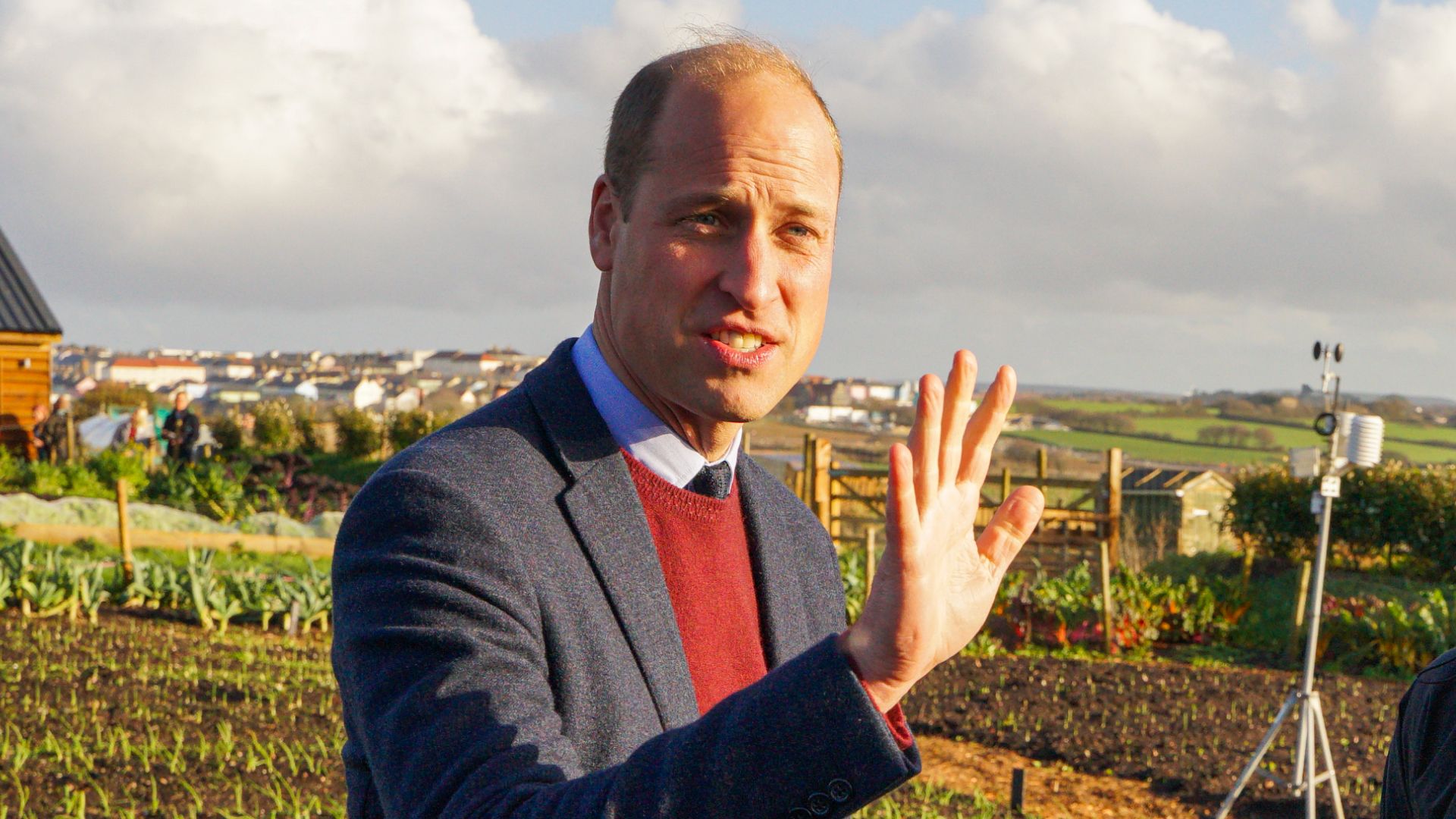
Reports suggest that King Charles himself has expressed disappointment over the planned Devon sale.
The monarch spent decades managing the Duchy prior to his accession to the throne.
During his long tenure, Charles championed organic farming techniques and rural continuity.
The current disposal reflects a distinct divergence in managerial philosophy between father and son.
A NEW STRATEGIC VISION
Prince William is reportedly executing a complete refocusing of the Duchy's long-term geographic footprint.
Proceeds from the Bradninch sale are earmarked to fund significant charitable and environmental initiatives.
Funds will be redirected into targeted programs addressing homelessness and the expanding climate crisis.
Both missions have emerged as personal cornerstones of Prince William's public royal agenda.
Rather than spreading resources thinly across the map, the Duchy plans to concentrate its core holdings.
Future investments will focus heavily on five designated geographic heartlands.
These priority regions include the Isles of Scilly, Cornwall, Dartmoor, Bath, and Kennington in south London.
Capital raised in Devon is intended to modernise housing and energy systems within those target regions.
Estate managers argue that long-term sustainability requires strategic divestment from secondary locations.
Yet that forward-looking corporate vision collided abruptly with the reality of rural tenancies.

VALUATION DISPUTES AND APOLOGIES
Tensions on the ground peaked when initial property valuations were delivered to tenants.
Several agricultural leaseholders argued that the Duchy's surveyors grossly overvalued the properties.
Tenants alleged that initial figures completely ignored the substantial private investments they had made.
Without adjusting for tenant-funded improvements, the purchase prices soared far beyond fair market reach.
Many farming families feared they were being priced out of their own backyards.
Public pushback quickly escalated, drawing widespread attention across national British media.
Prince William reportedly reacted with deep displeasure when informed of the community distress.
Sources indicated that the Prince of Wales was unhappy that negotiations had caused such friction.
He immediately engaged in urgent consultations with Matthew Morris, the Duchy's rural director.
Morris traveled directly to Devon to meet face-to-face with the aggrieved tenants.
During those meetings, Morris adopted an apologetic posture regarding the mishandling of the timeline.
One tenant described the senior royal representative as being entirely apologetic throughout their discussions.
Morris conceded that the estate had severely underestimated the time required to manage the disposal.
He formally agreed to halt unilateral figures and restart the appraisal process from scratch.

Properties will now undergo fresh independent valuations commissioned jointly by tenants and the Duchy.
This collaborative valuation framework is designed to restore trust in the integrity of the pricing.
Morris also pledged to ensure that tenant improvements are properly calculated into final purchase offers.
Local reactions to the apology remain cautiously optimistic yet firmly vigilant.
One Devon resident remarked that while official apologies sound promising, the proof will be in the pudding.
Tenants have made it clear that polite words must translate into realistically affordable price tags.
ESTATE FLEXIBILITY AND EXTENDED HORIZONS
Recognizing the initial outrage, the Duchy has agreed to provide expanded flexibility in the transaction schedule.
Officials acknowledged that completing complex land acquisitions takes far longer than six months.
Securing commercial mortgages for working farms requires extensive environmental and structural surveys.
Negotiating boundaries, access rights, and agricultural covenants introduces further procedural delays.
The Duchy confirmed that it will not rush families who are making genuine efforts to purchase.
Dialogue between tenant solicitors and Duchy officials remains active and continuous.
Estate representatives insist that nobody will be forced out without exhaustive exploration of every viable option.
While the apology smoothed immediate tensions, larger structural questions about the sale remain.
The disposal marks one of the most drastic shifts in royal landholding policy seen in modern times.
Observers are watching closely to see how many of the eight exploring tenants successfully close deals.
Final purchase contracts will determine whether this massive reorganization succeeds without uprooting local families.
Is reducing the centuries-old royal estate by 20 percent the right way to fund new renewable energy and housing projects?
Advertisement
You may also like

Hadjar Blasts Russell for Destroying His Mexican GP
Toto Wolff has admitted Mercedes let George Russell down before his opening-lap collision with Isack Hadjar at the Mexican Grand Prix. An energy deployment…

Canelo Alvarez accused of rigging the ref in Mbilli win.
Saul "Canelo" Alvarez cruised to a conclusive win on Saturday, beating now-former WBC super middleweight world champion Christian Mbilli by unanimous decision in Riyadh.…

Kyle Cooke Kisses Carl Radke’s Ex Lindsay Hubbard in Mexico
"Summer House" star Kyle Cooke reportedly made out with Carl Radke's ex-fiancée, Lindsay Hubbard, during an "In the City" cast trip to Cancun. Multiple…

LIV Golf’s 2027 Ban Plan Sparks Panic in the Locker Room
The DP World Tour is actively negotiating an extended Strategic Alliance deal with Brian Rolapp and the PGA Tour ahead of massive structural calendar…

Jordon Hudson Spotted at Belichick’s UNC Game the Day After Their Split
Just one day after news of their breakup became public, 25-year-old Jordon Hudson was spotted right back on the sidelines at Kenan Stadium supporting…

Claressa Shields Aims Below The Belt At Gervonta Davis After His Outfit Diss
Still Undefeated! Claressa Shields Aims Below The Belt While Seemingly Calling Out Gervonta Davis Over Outfit Diss (PHOTO) Claressa Shields didn't let Gervonta Davis'…