LIV Golf Collapses After Burning $5 Billion in Five Seasons
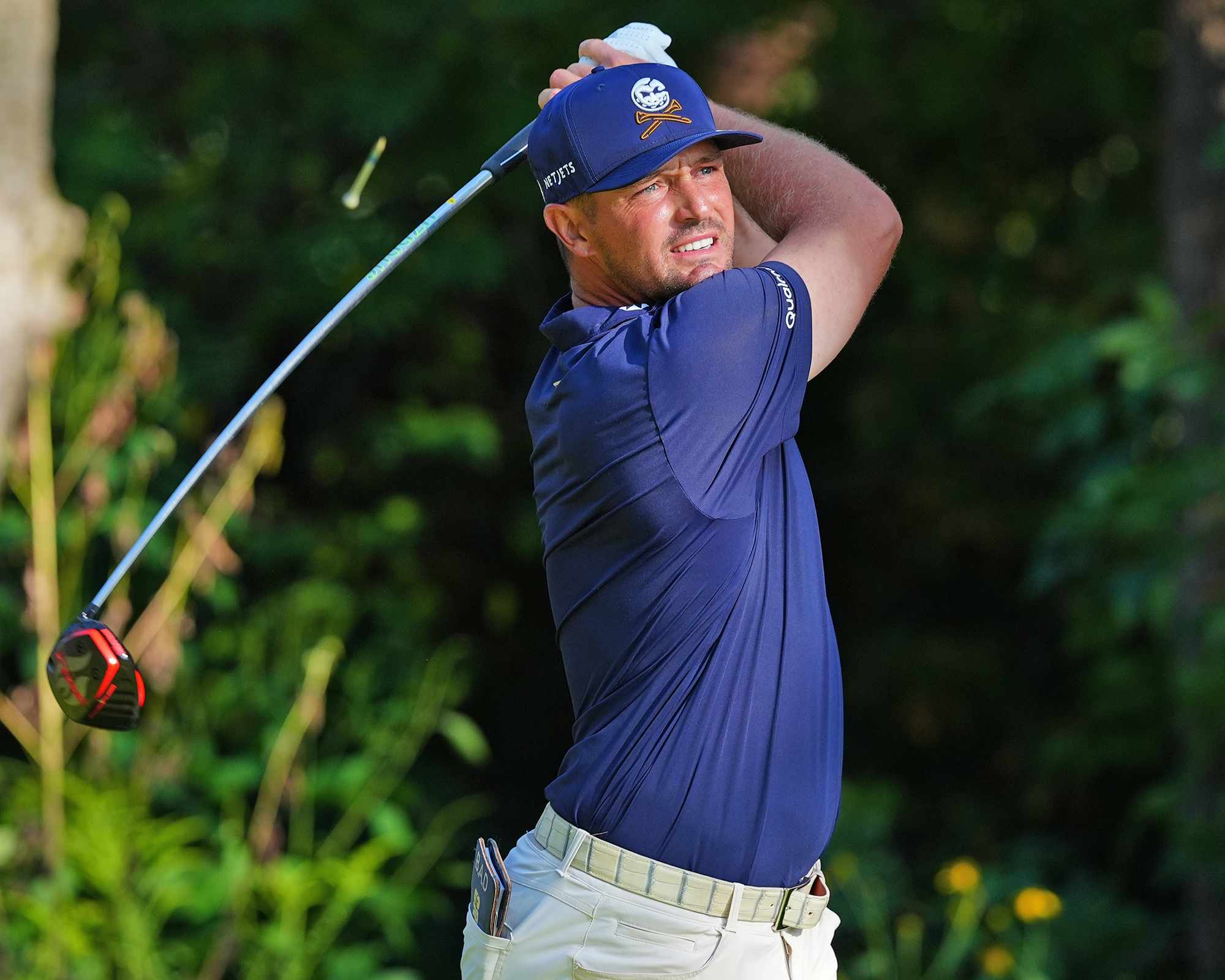
LIV Golf is officially shutting down.
The rebel golf league will file a new Chapter 11 bankruptcy plan on Monday, Nov. 9, according to ESPN.
The move ends a five-season run that began in 2022.
LIV Golf was financed to the tune of more than $5 billion by the Public Investment Fund, a Saudi Arabian sovereign wealth fund.
The league attracted some of the PGA Tour's biggest names with lucrative contracts.
Among the high-profile golfers to leave the PGA Tour in 2022 for LIV Golf were Bryson DeChambeau, Dustin Johnson, and Phil Mickelson.
Two-time major winner Jon Rahm joined the rebel circuit in 2023.
LIV Golf CEO Scott O'Neil released a statement on Thursday, Nov. 5.
"Building a global platform designed to bring new, younger, and more diverse fans to the sport of golf has been the round of a lifetime for all of us," O'Neil said.
"LIV Golf was fun, demanding, inspiring, at times challenging — but always rewarding."
The statement continued: "Together, our team delivered world-class individual and team competitions across five continents, built a global business, secured pathways to The Open and U.S. Open, earned Official World Golf Ranking points, engaged with stakeholders focused on the health and future of the game, created value in our teams, attracted premier sponsors, brought investors to the table around a next-generation business plan, and built a league capable of attracting both elite and rising talent from around the world."
A move to create a new iteration of LIV Golf called LIV 2.0 also ended after BC Partners decided not to invest $300 million, per ESPN.

Chapter 11 bankruptcy is a legal process that allows a business to reorganize its debts while continuing operations, though in LIV Golf's case, the filing signals the end of the league.
The bankruptcy plan is expected to detail how the league's remaining assets will be handled and what creditors may recover.
LIV Golf's collapse leaves dozens of players who signed multi-year contracts in limbo.
Jon Rahm, 31, has already said he would be willing to accept penalties to return to the PGA Tour.
Rahm's approach mirrors that of Brooks Koepka, who was instructed to make a $5 million donation as part of the guidelines for his PGA Tour reunion.
Rory McIlroy was one of the most outspoken critics of LIV Golf throughout its existence.
In comments made in August, McIlroy called out Mickelson, 56, for his involvement in the controversial league.
"Yeah, were there some things at the start of LIV that the PGA Tour could have done better? Sure," McIlroy, 37, told reporters on Aug. 19.
"But I think that, you know, the guys that went, or you look, you think back to the start with, like, say, Phil was unhappy with some stuff or whatever it was."
LIV Golf launched in 2022 as a direct competitor to the PGA Tour.
The league offered 54-hole events with no cuts and a team format, which was a radical departure from traditional professional golf.
Players were given massive signing bonuses, sometimes exceeding $100 million, to leave the PGA Tour.

Phil Mickelson was reportedly paid around $200 million to join LIV Golf.
The league's financial backing came entirely from the Public Investment Fund of Saudi Arabia.
Critics accused LIV Golf of being a vehicle for sportswashing, a term used to describe using sports investments to distract from a country's human rights record.
The PGA Tour initially suspended players who joined LIV Golf, creating a deep rift in the sport.
In June 2023, the PGA Tour announced a surprise framework agreement with the Public Investment Fund and the DP World Tour to merge commercial operations.
That deal has not yet been finalized, and LIV Golf's bankruptcy adds a new layer of complexity to negotiations.
LIV Golf held events on five continents over its five seasons.
The league secured pathways for its players to compete in The Open and the U.S. Open, two of golf's four major championships.
LIV Golf also earned Official World Golf Ranking points after a lengthy battle with the ranking system's governing board.
The league attracted premier sponsors including Crown Royal, Citi, and Hero MotoCorp.
Despite these achievements, the league never achieved profitability.
The $5 billion figure represents the total investment from the Public Investment Fund, covering player contracts, event costs, and operational expenses.

Industry analysts have questioned whether LIV Golf ever had a viable business model.
The league's television ratings remained low compared to PGA Tour events.
Attendance at LIV Golf events varied widely by location, with some events drawing large crowds and others playing to sparse galleries.
The league's team format, with 12 teams of four players each, failed to capture the public imagination in the way its backers had hoped.
LIV Golf's collapse is one of the most expensive failures in sports history.
The $5 billion spent over five seasons works out to approximately $1 billion per year.
For comparison, the PGA Tour's annual revenue is estimated at around $1.5 billion.
LIV Golf's bankruptcy filing will be handled in U.S. Bankruptcy Court.
Chapter 11 filings are public records, meaning the full details of LIV Golf's finances will eventually become available.
Creditors will include players with unpaid contract guarantees, vendors, and event partners.
The PGA Tour has not issued an official statement on LIV Golf's collapse as of this report.
Players who left the PGA Tour for LIV Golf now face the prospect of seeking reinstatement.
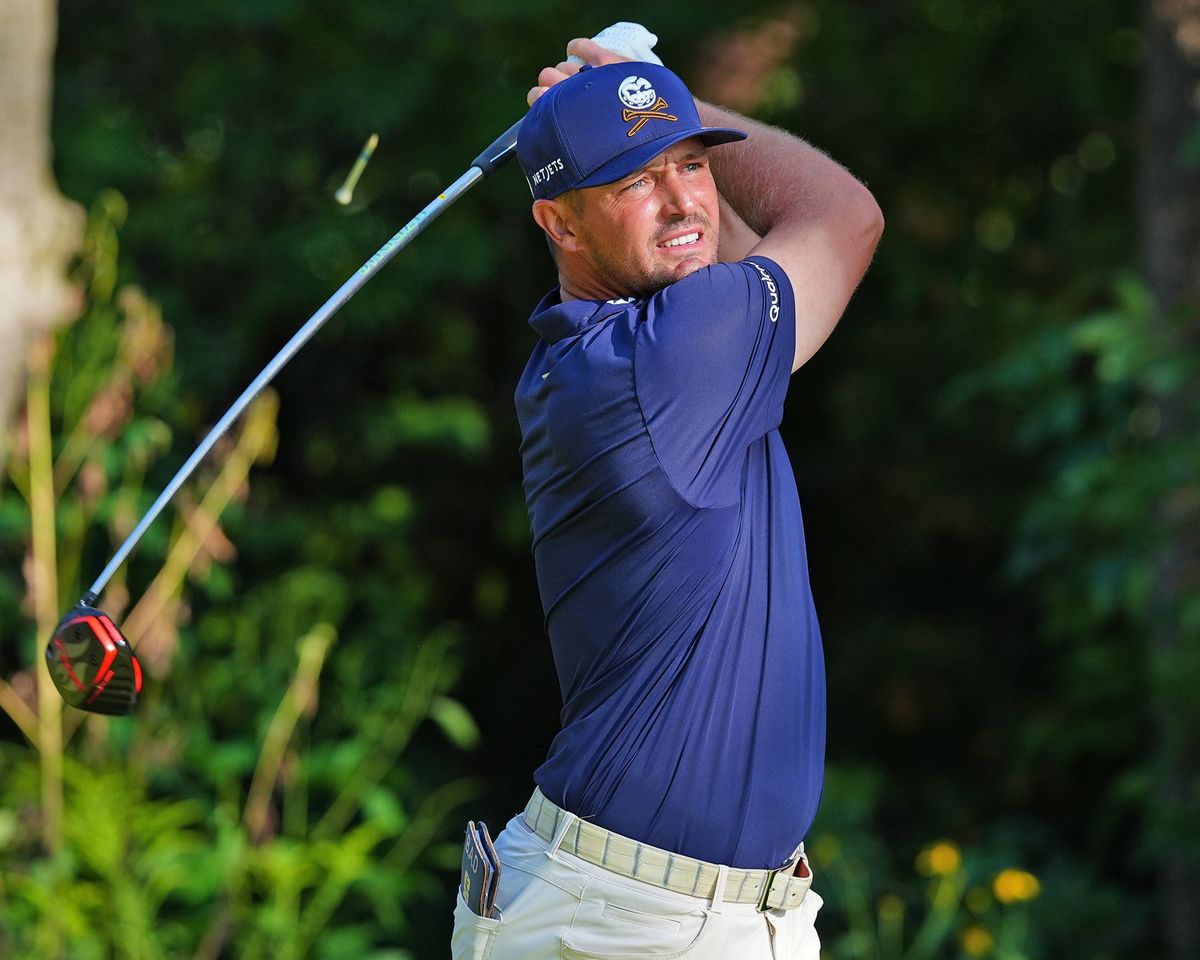
The PGA Tour has established a process for players to return, which typically involves fines and suspensions.
Brooks Koepka's return to the PGA Tour required a $5 million donation to a charity of the Tour's choosing.
Jon Rahm has publicly stated his willingness to accept similar penalties.
Other LIV Golf players, including DeChambeau and Mickelson, have not yet commented on their plans.
The future of LIV Golf's team franchises is unclear.
Some teams had secured individual sponsors and may attempt to continue in some form.
The LIV Golf brand itself is likely to be dissolved as part of the bankruptcy process.
Scott O'Neil's statement struck a defiant tone despite the league's collapse.
LIV Golf's legacy in the sport of golf is complex.
The league forced the PGA Tour to increase prize money and improve player benefits.
The PGA Tour launched its own elevated events program in response to LIV Golf's competition.
LIV Golf also accelerated discussions about the structure of professional golf's global calendar.

Many golf fans remain divided on whether LIV Golf was a positive or negative force in the sport.
The league's Saudi backing remains a source of controversy that will outlive the league itself.
Golf's governing bodies now face the task of reintegrating LIV Golf players into the established tour system.
The U.S. Open and The Open have already indicated they will continue to welcome LIV Golf players who qualify.
The Masters, which is not a PGA Tour event, has also stated it will invite LIV Golf players based on merit.
The Official World Golf Ranking points earned by LIV Golf players will remain valid.
Questions remain about what happens to the hundreds of millions of dollars in contracts that were not fully paid out.
Some players signed multi-year deals that extended beyond the 2026 season.
Those contracts are likely to be treated as unsecured claims in the bankruptcy proceeding.
LIV Golf's collapse marks the end of one of the most turbulent chapters in professional golf history.
The league's rise and fall unfolded in just over five years, from its first event in London in June 2022 to this week's bankruptcy filing.
What comes next for the players, the tours, and the sport itself will unfold in the months ahead.
Advertisement
You may also like
WWE Blocked Chad Gable’s GCW Debut at the Last Minute
GCW promoter Brett Lauderdale revealed on November 5, 2026 that WWE superstar Chad Gable was booked for Josh Barnett's Bloodsport X in April 2024.…
Sophie Cunningham shuts down 'dumb' internet fury over Team USA no-shows
Sophie Cunningham, a shooting guard for the Indiana Fever, has publicly questioned why WNBA players miss so many wide-open layups. She did not hold…

Shedeur Sanders Sparks Backlash Before Even Taking the Field
BEREA — Quarterback Deshaun Watson missed his second straight practice Thursday due to a concussion. That makes it increasingly likely Shedeur Sanders will start…
Tiger Woods Eyes PGA Tour Champions Move at 50
Tiger Woods is seriously considering a move to the PGA Tour Champions next season. The 50-year-old legend wants to compete against other veterans who…
Big Brother 2026 winner crowned after record-breaking ITV2 season.
Big Brother 2026 winner crowned after turbulent, record-breaking ITV2 series. The final of Big Brother 2026 aired live on ITV2, hosted by AJ Odudu…
Raducanu’s Gym Videos Hint at Strong Injury Comeback
Emma Raducanu has given fans a clear look at her recovery progress. She posted videos of herself training at the National Tennis Centre in…